



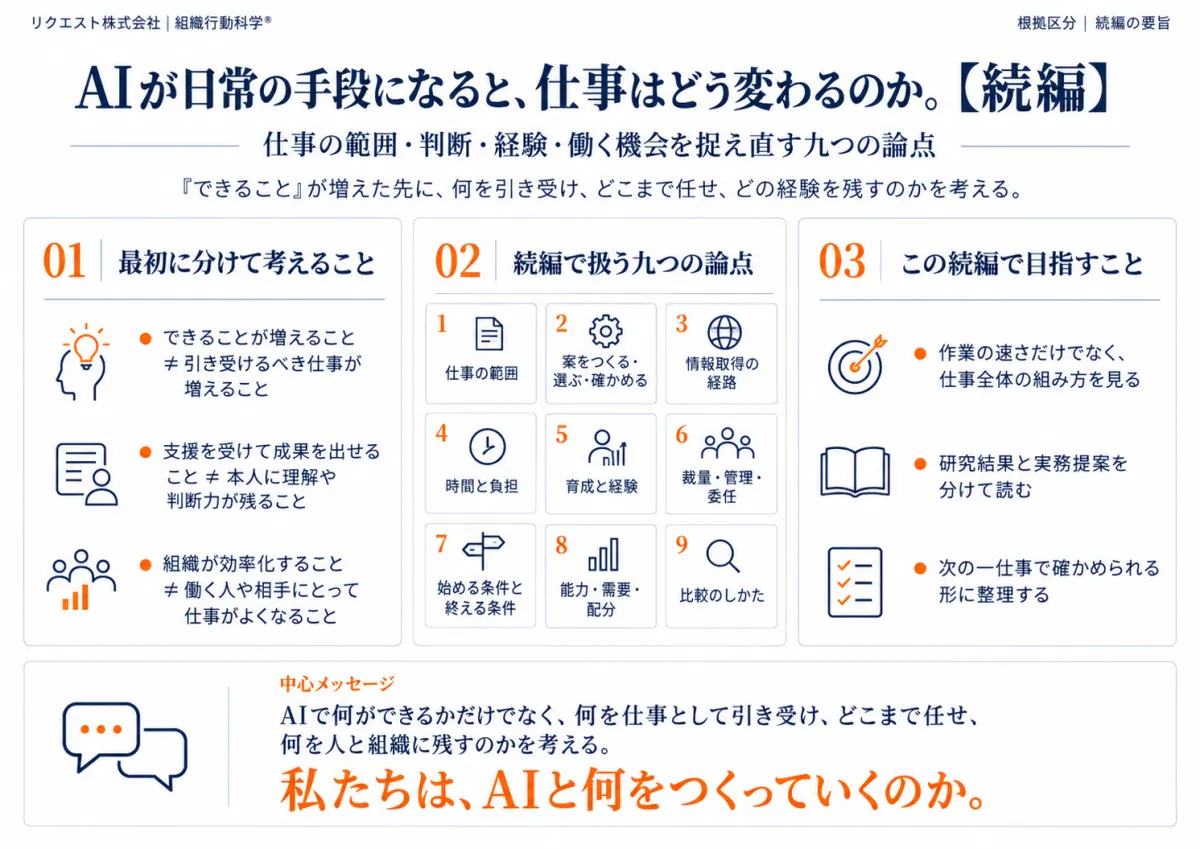
How AI Integration Transforms Work Life: 9 Points to Consider
How AI Integration Transforms Work Life: 9 Points to Consider
As artificial intelligence (AI) becomes an integral part of daily tasks, the landscape of work is evolving rapidly. A comprehensive investigation by Request Inc., backed by data from 980 companies and 338,000 employees, sheds light on nine critical points regarding the impact of AI on job responsibilities, decision-making, and organizational dynamics.
Introduction
AI's entrance into the workplace is no longer a futuristic concept but a present reality. Request Inc., located in Shinjuku, Tokyo, has delved into how this integration prompts shifts in work structure, particularly focusing on responsibilities, decision-making, and the experiences of employees. This investigation follows a previous document discussing how AI will change occupations, emphasizing the nuanced changes that are often overlooked.
Expanding Responsibilities
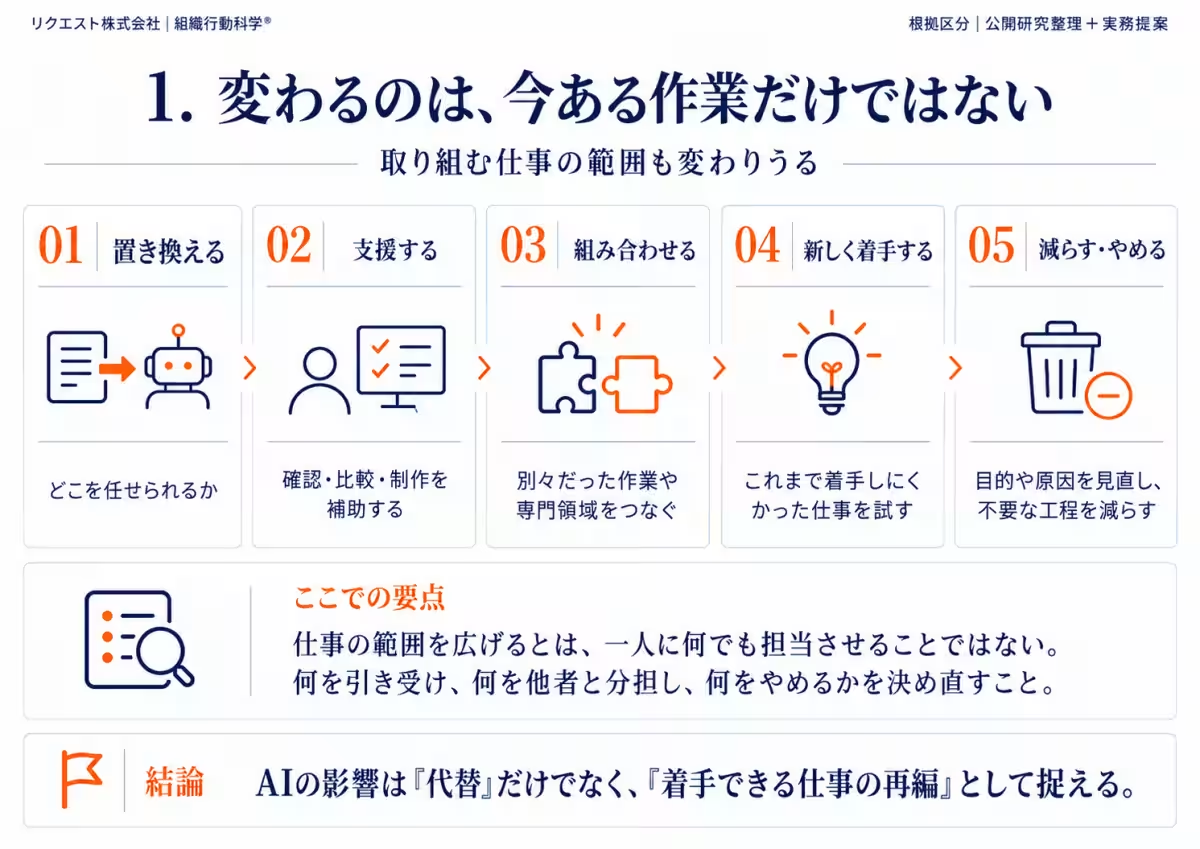
With AI handling mundane and repetitive tasks, employees are confronted with the question of what responsibilities they should grasp and what can be delegated. The emergence of generative AI has led to a broader scope of responsibilities, with workers now tasked with more complex projects that leverage AI's capabilities. However, it’s vital not to confuse the increase in manageable tasks with an increase in workload, which may lead to burnout.
Case Studies from Companies
Research conducted by the Japan Institute for Labour Policy and Training (JILPT) highlights examples from two companies where the implementation of generative AI not only supplemented tasks but also heralded new opportunities and roles within the organization. Such shifts require careful thinking about how tasks are divided and what employees should continue to own.
Insightful Decision-Making
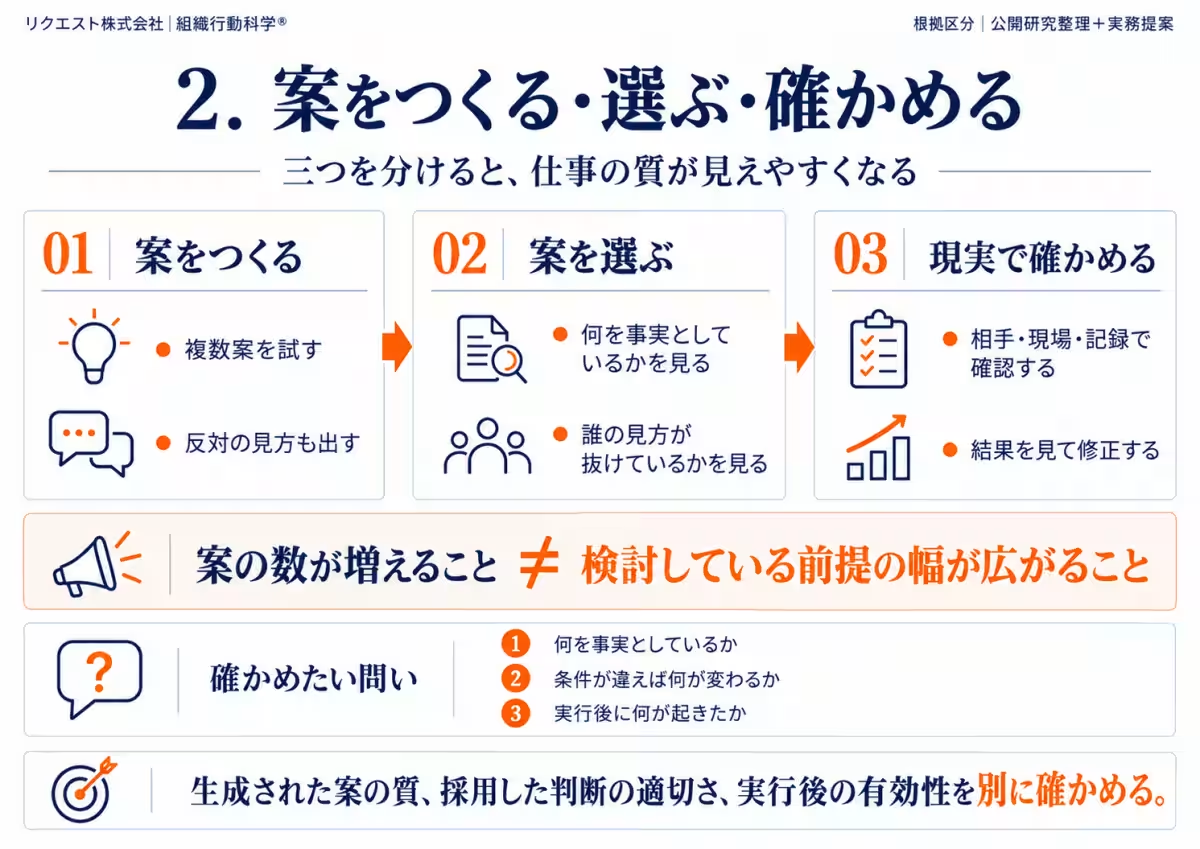
AI can assist in generating multiple proposals for projects, but this does not fundamentally replace the human perspective in evaluating these options. A study comparing P&G's product development with AI-generated concept evaluations indicates a tendency for ideas to converge, thus emphasizing the need for human judgment in distinguishing between viable solutions and mere outputs.
Evaluating Criteria
The focus should not only be on increasing the quantity of proposals but also on the distinct criteria and perspectives that inform decision-making. This leads to a critical reflection on what precedents are set and how they shape future evaluations, ensuring that AI's role enhances rather than hinders productive discussions.
Managing Information Sources
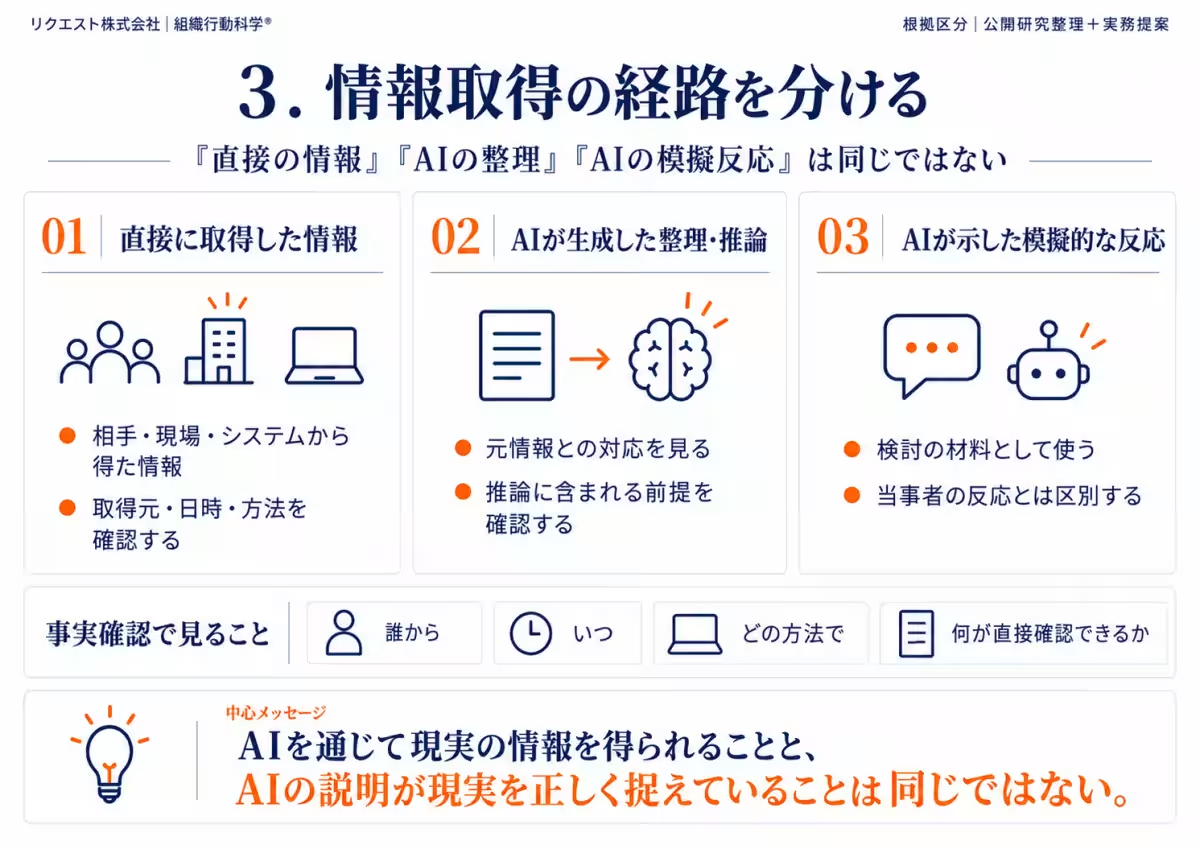
Understanding the pathways through which information is gathered, whether from AI or human sources, is crucial. AI’s capabilities can assist in data collection, but it's essential to differentiate between what is objectively gathered versus AI-generated insights that may lack accountability. This approach can help clarify what constitutes genuine information and what are mere projections.
Time Efficiency vs. Burden Distribution
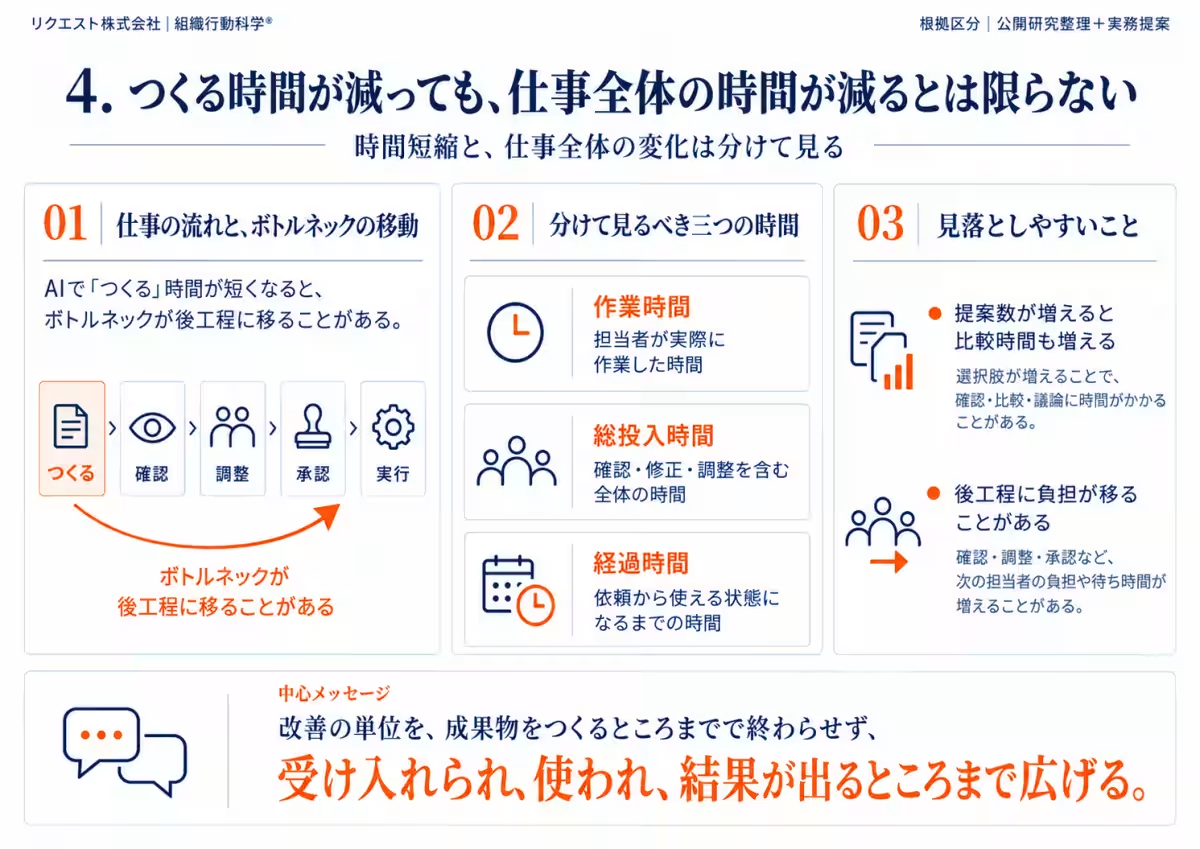
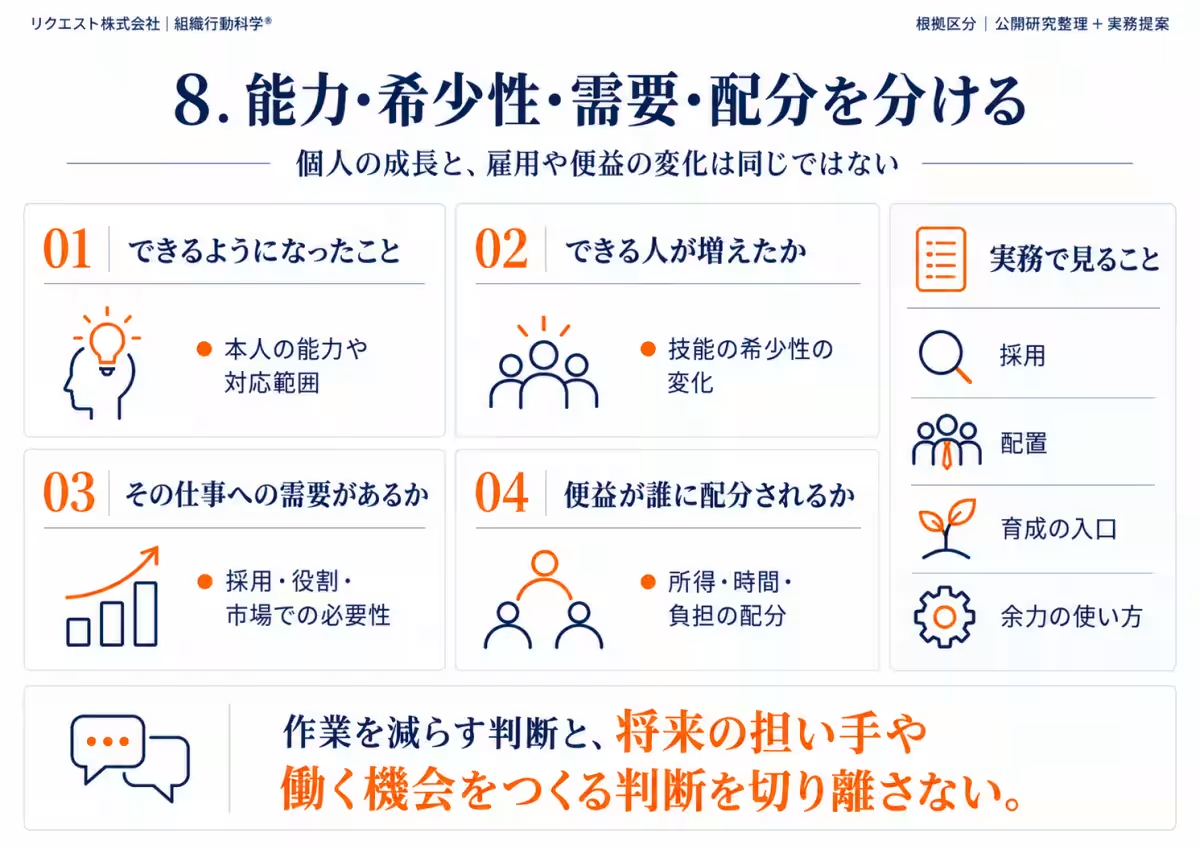
Research on companies using AI reveals that while individual employees save time, it doesn't necessarily lead to an overall reduction in workload. AI can speed up certain tasks, but if follow-up requirements increase for others, the net benefit may be negligible. Such insights prompt critical evaluation of time management in assigning and executing tasks.
The Importance of Developmental Experience
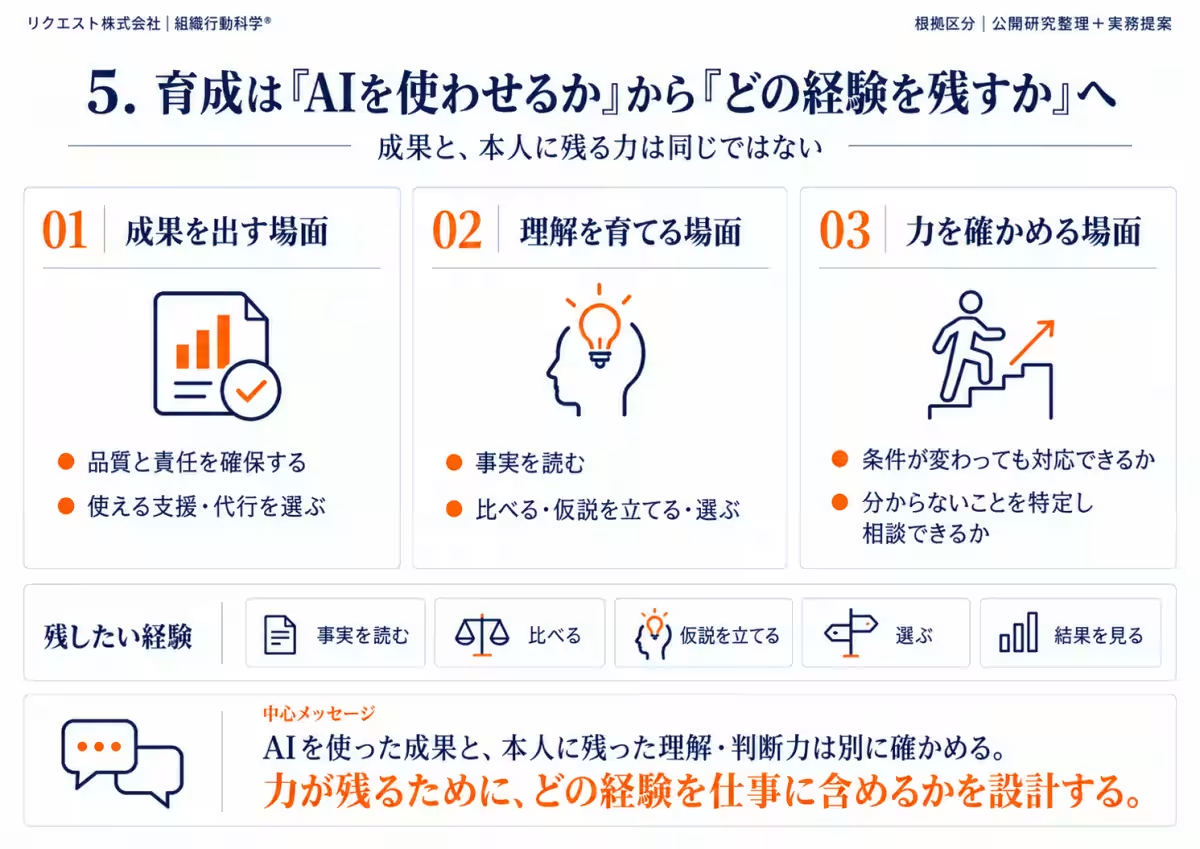
Organizations should not only prioritize efficiency but also focus on nurturing the essential experiences that foster skill development among employees. AI shouldn't completely replace the learning opportunities critical for an employee's growth. By striking a balance between using AI for execution and ensuring experiential learning, companies can bolster workforce capabilities.
Authority and Responsibility
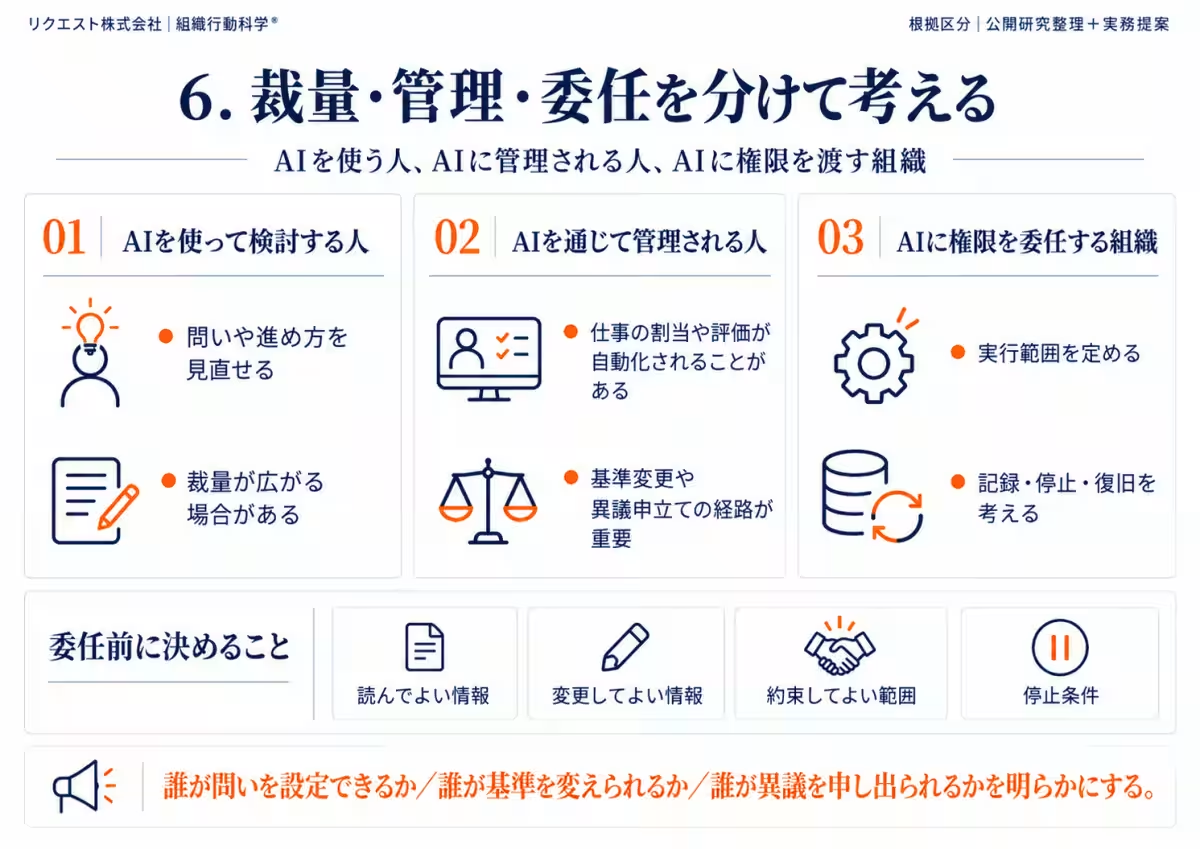
As AI systems are introduced, organizations must delineate who has decision-making authority versus who simply utilizes AI tools. This clarity can prevent confusion regarding accountability and ensure that responsibility remains firmly rooted within human oversight.
Setting Clear Work Parameters
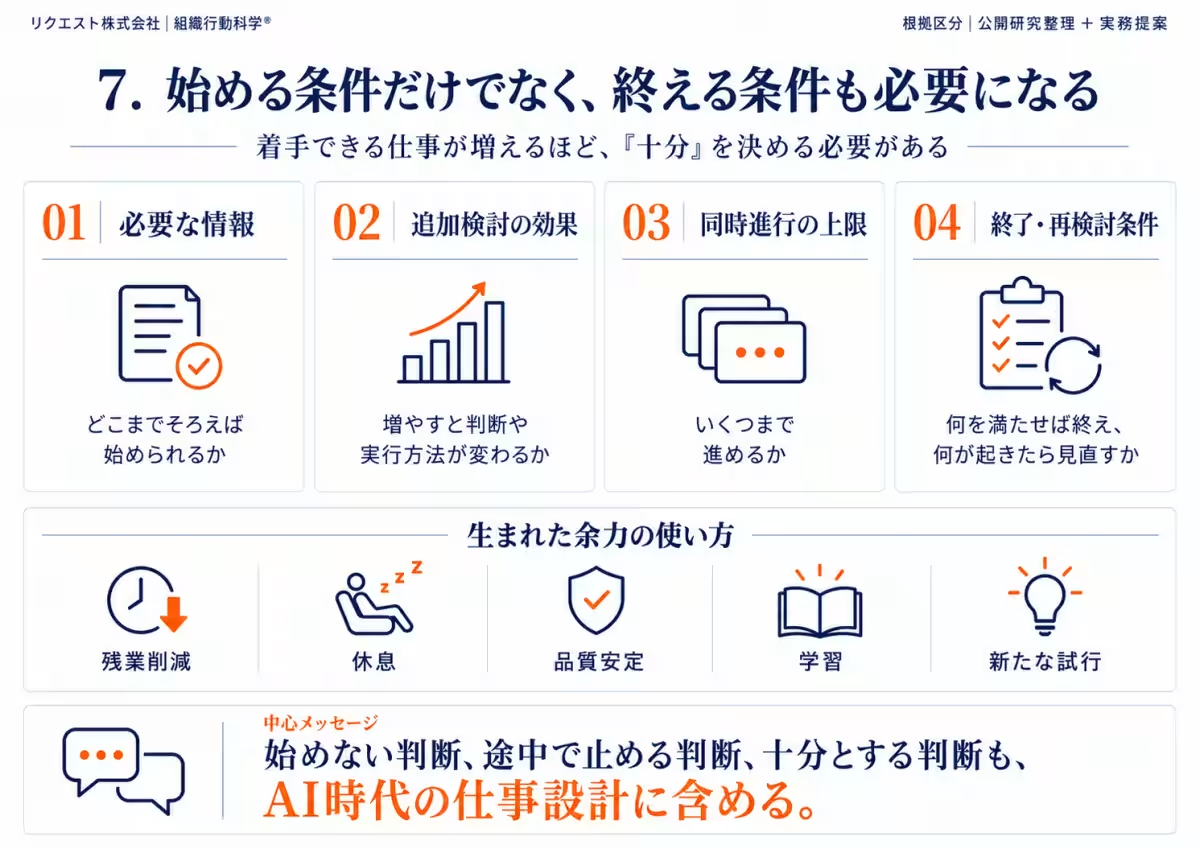
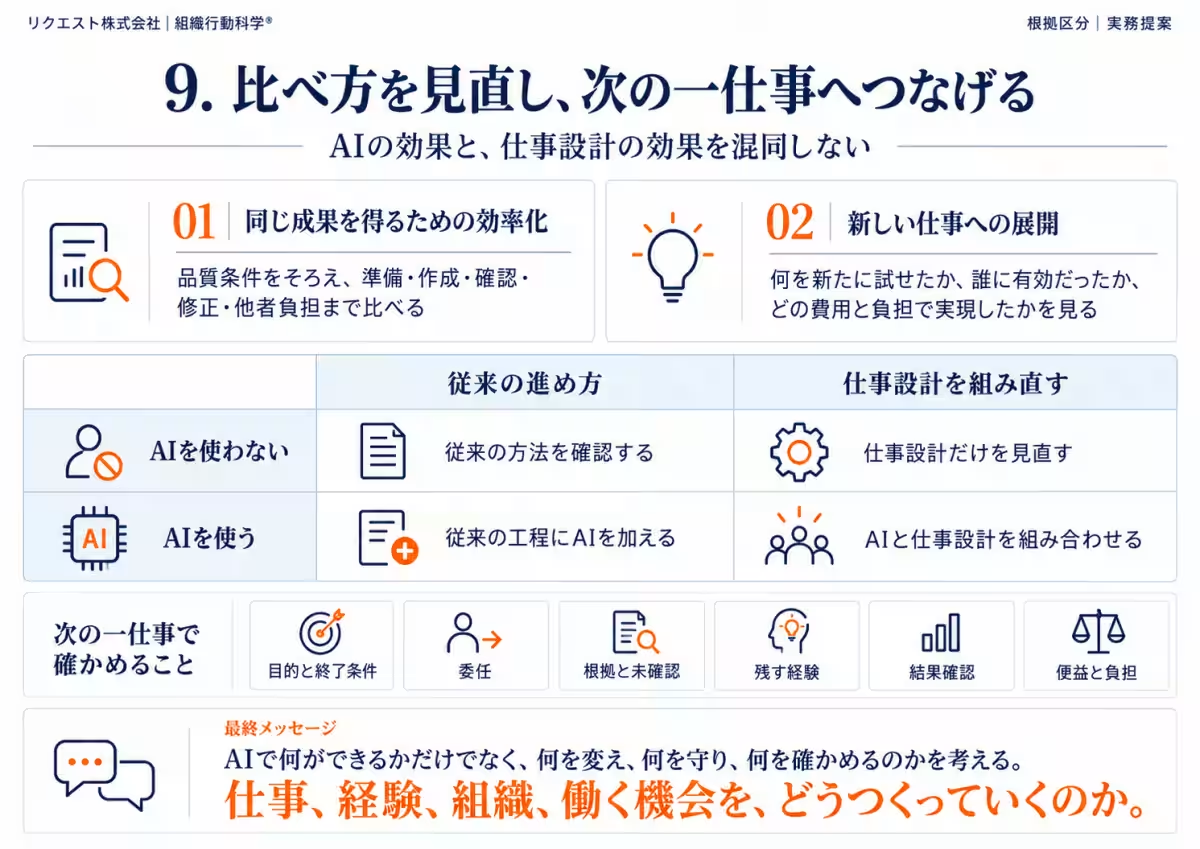
A holistic approach to integrating AI should entail clear guidelines on work expectations and boundaries. Employees must understand when to seek AI assistance and when to leverage their judgment. Clarity in finishing tasks is equally important as initiating them, aiding in maintaining manageable workloads.
Conclusion
The shift toward AI-facilitated work environments is an ongoing process that presents both opportunities and challenges. By addressing these nine critical points, we can better navigate the transition and ensure that AI enhances rather than detracts from the human aspects of work. Ultimately, the goal is to create a balanced workflow that leverages technology while preserving the essential values and experiences of human workers. This can redefine not just job roles, but also the overall work culture.
Future Considerations
The questions remain: what work will we embrace? Where do we relinquish control to AI? And crucially, how can we ensure that work experiences remain enriching for employees, allowing them to grow within their careers? Addressing these uncertainties will be paramount as we move toward a future where AI is an everyday tool, shaping not just productivity but also the way we perceive and define work itself.


Topics Business Technology)






【About Using Articles】
You can freely use the title and article content by linking to the page where the article is posted.
※ Images cannot be used.
【About Links】
Links are free to use.