



Understanding the Gaps in Cervical Cancer Screening Among Young Women
Understanding the Gaps in Cervical Cancer Screening Among Young Women
Introduction
A recent study conducted by the GYN Medical Group in Tokyo has shed light on the alarming situation regarding cervical cancer screening among women in their 20s and 30s. The survey reveals that nearly 70% of these women have not undergone cervical cancer screening, with the primary reason cited being a lack of awareness and opportunities to get screened. Misunderstandings about the importance of such screenings contribute significantly to this issue.
Background
Notably, despite a rise in cervical cancer rates among young women, Japan's screening rates remain significantly lower than in Western countries. This poses a critical public health challenge. The lack of awareness and structural barriers to accessing screenings highlight the need for improved education and outreach to this demographic. The GYN Medical Group aimed to identify the perceptions and realities surrounding cervical cancer screenings in order to propose actionable solutions.
Key Findings from the Survey
The survey, which took place from August 28 to August 29, 2026, gathered responses from 330 women. Here are some key findings:
Reasons for Not Undergoing Screening
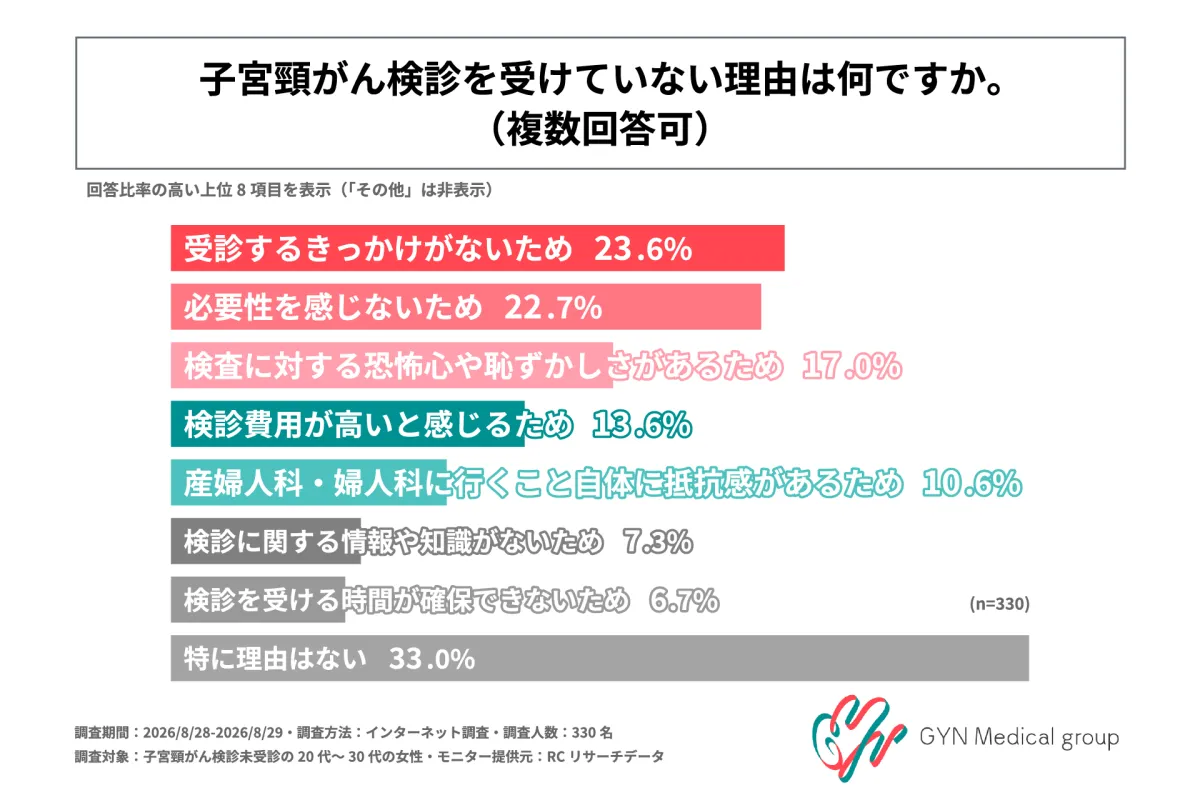
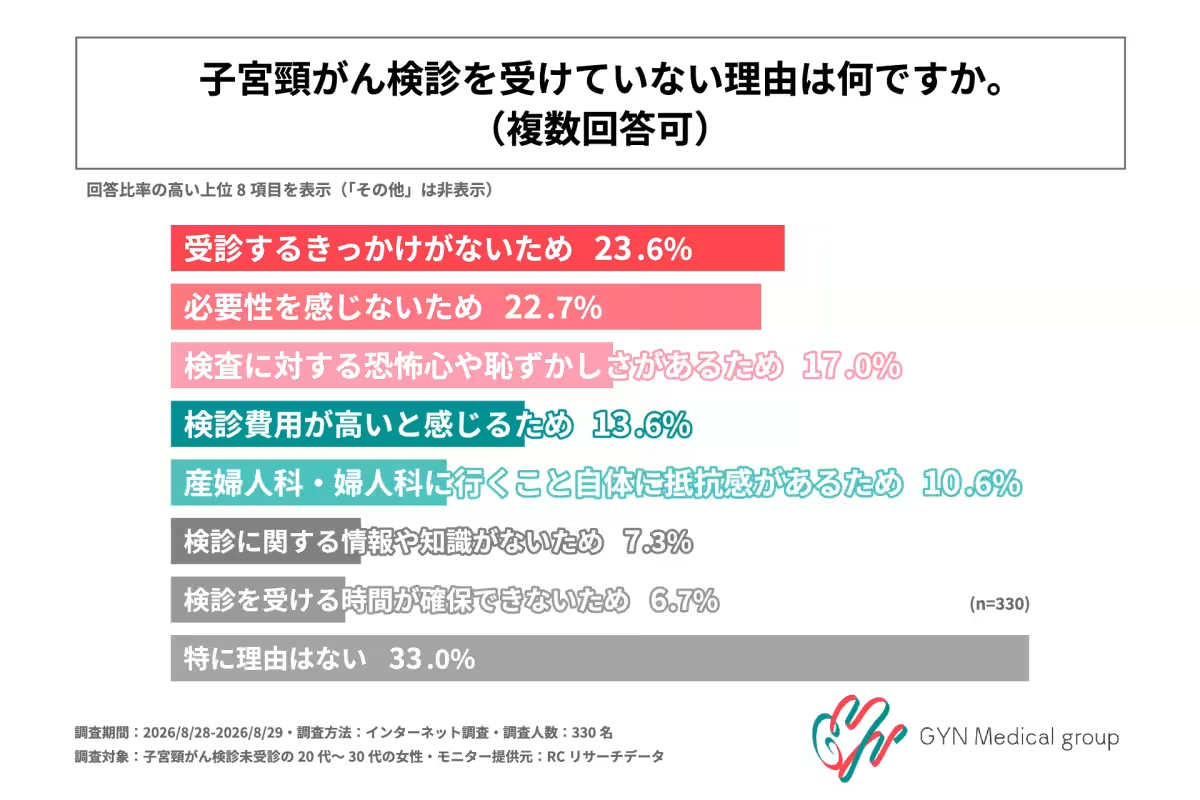
The main reasons young women reported for not having undergone screenings include:
- - Lack of opportunity: 23.6% indicated that they had no opportunity to get screened.
- - Perceived necessity: 22.7% felt there was no pressing need for them to have the screening performed.
- - Interestingly, while 33.0% reported no particular reason, this only emphasizes the overall lack of engagement with cervical health issues.
Awareness of Cervical Cancer Causes
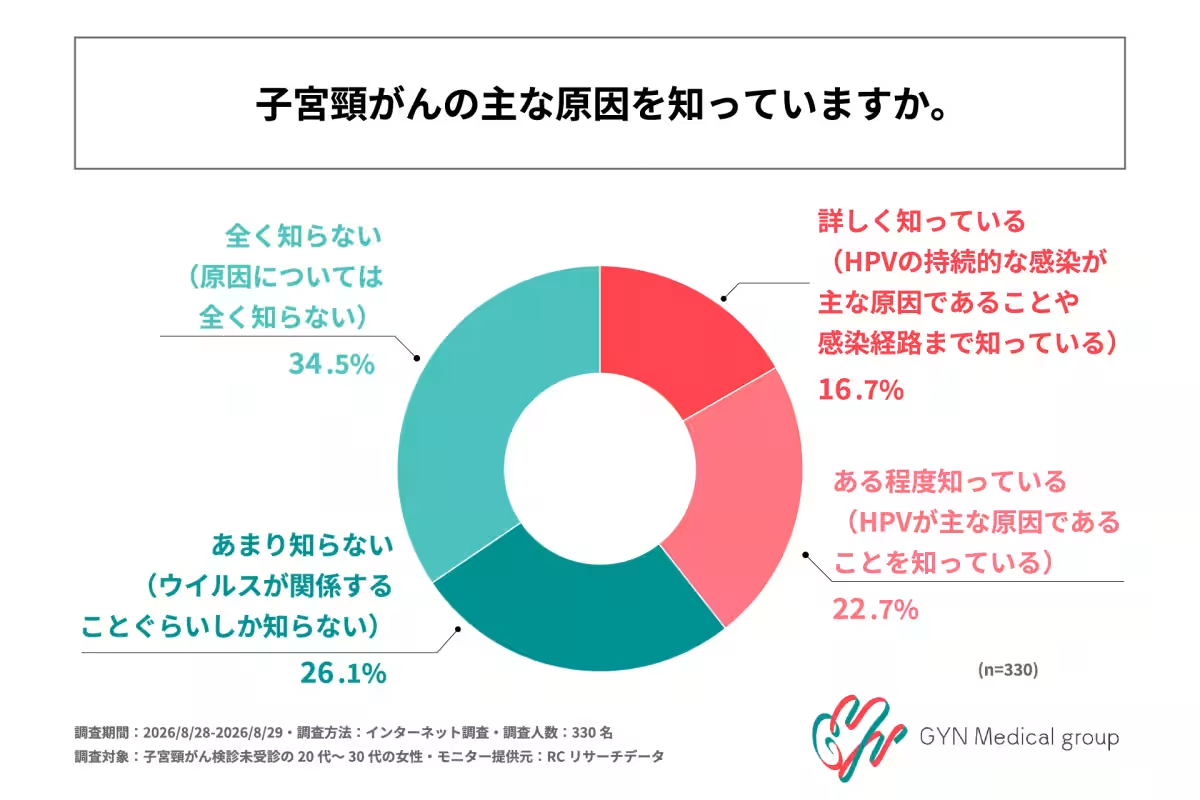
Alarmingly, over 60% of the participants claimed they were unaware of the primary causes of cervical cancer. The breakdown of responses shows that:
- - 34.5% had no knowledge about the causes.
- - 26.1% knew only that some viruses contribute, while 22.7% recognized HPV as a primary cause.
Ignorance of Rising Incidence Rates
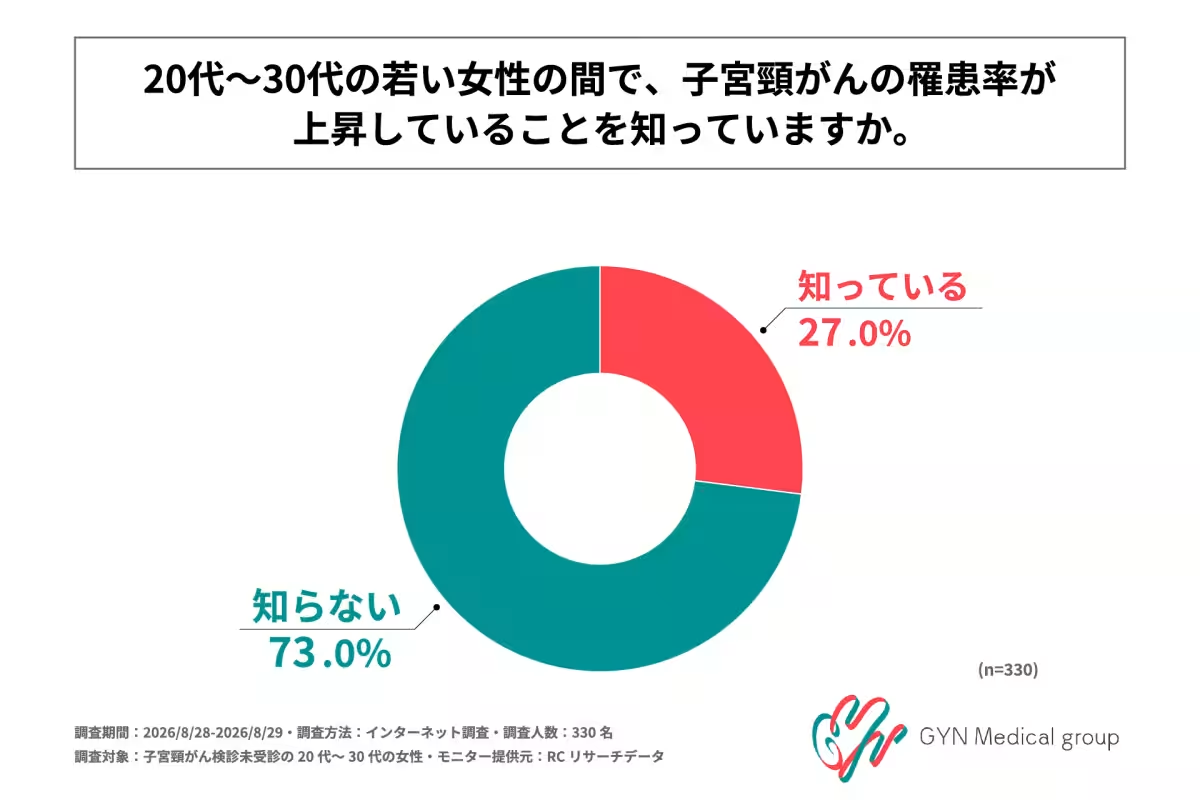
When asked if they knew about the increasing rates of cervical cancer among young women, a staggering 73.0% responded negatively. This suggests a significant gap in health communication targeting this demographic.
Lack of Regular Healthcare Providers
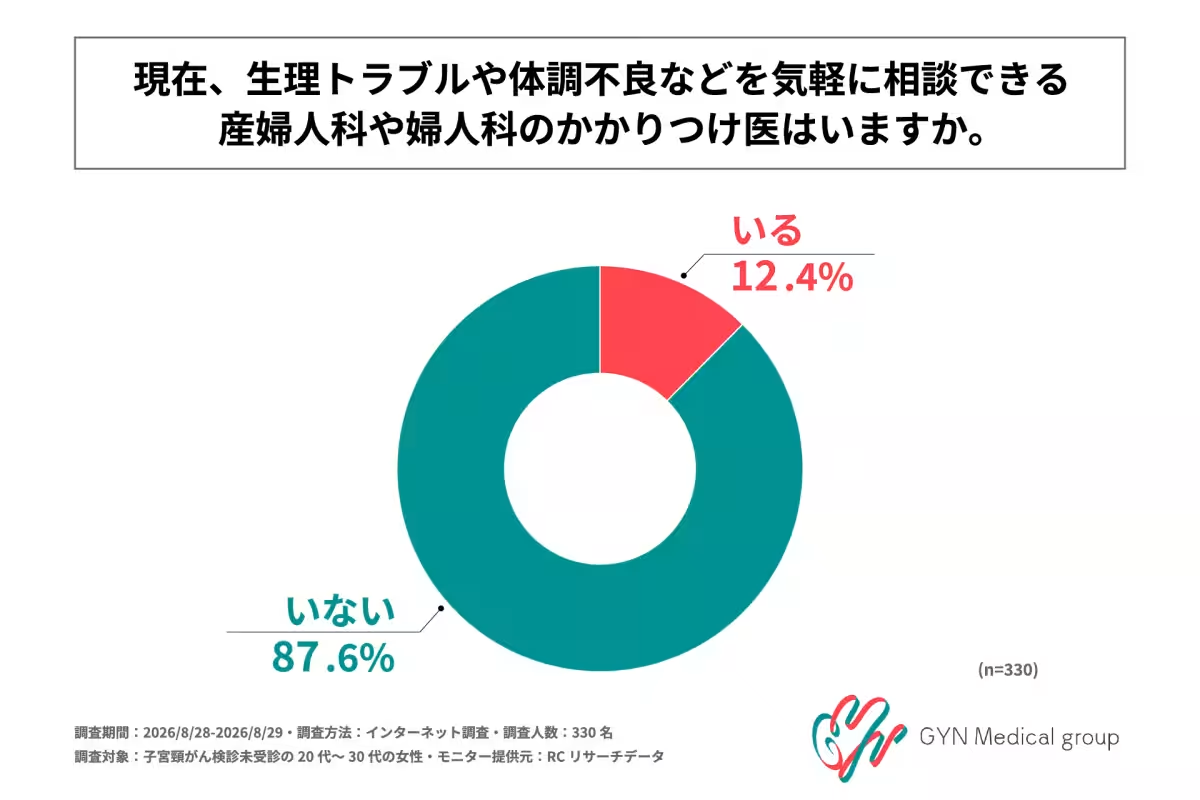
Moreover, approximately 87.6% of respondents reported lacking a gynecologist whom they felt comfortable consulting about issues like menstrual troubles or other health concerns. This indicates a broader issue of accessibility and comfort within the healthcare system.
Improving Accessibility to Screenings
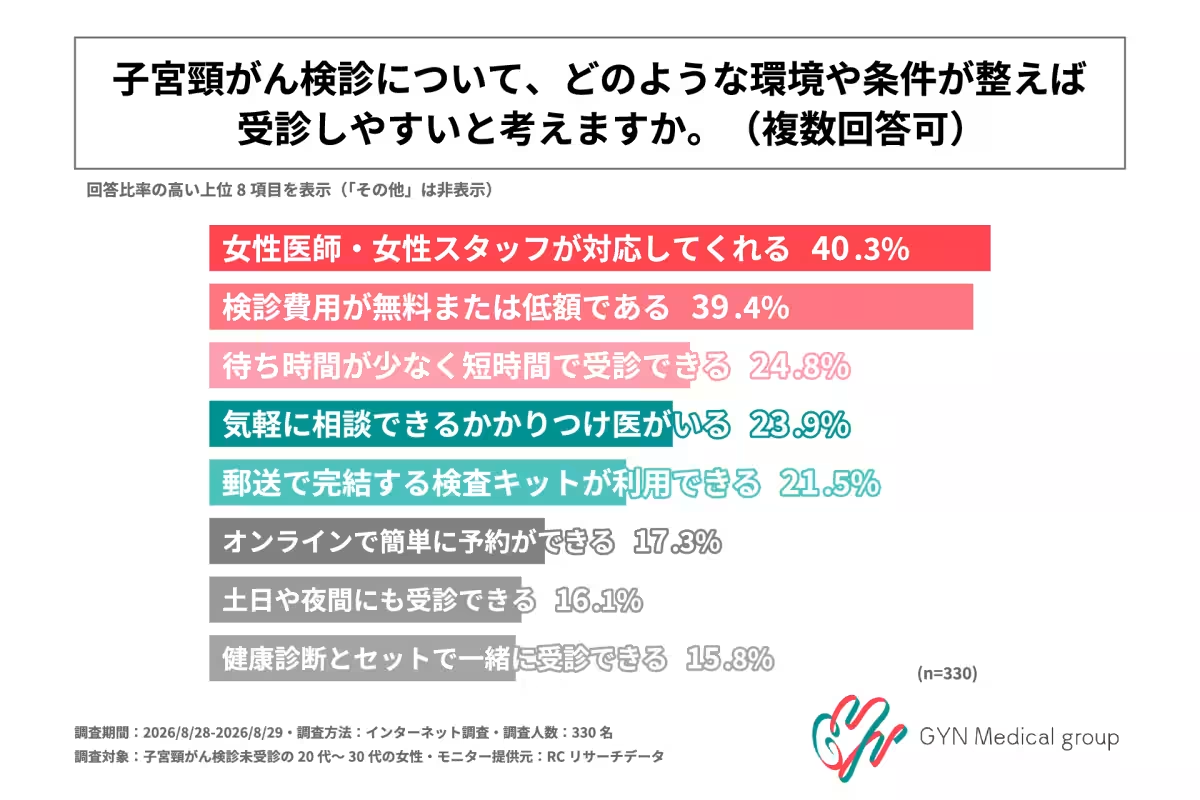
The survey also gathered opinions on what could make cervical screening more accessible. The most suggested improvements included:
- - Female healthcare providers: 40.3% preferred female doctors or staff, highlighting the importance of comfort and relatability.
- - Affordable screening: 39.4% noted that screenings need to be either free or low-cost to encourage participation.
- - Reduced waiting times: 24.8% highlighted the need for shorter wait times during appointments.
Interest in Future Screenings
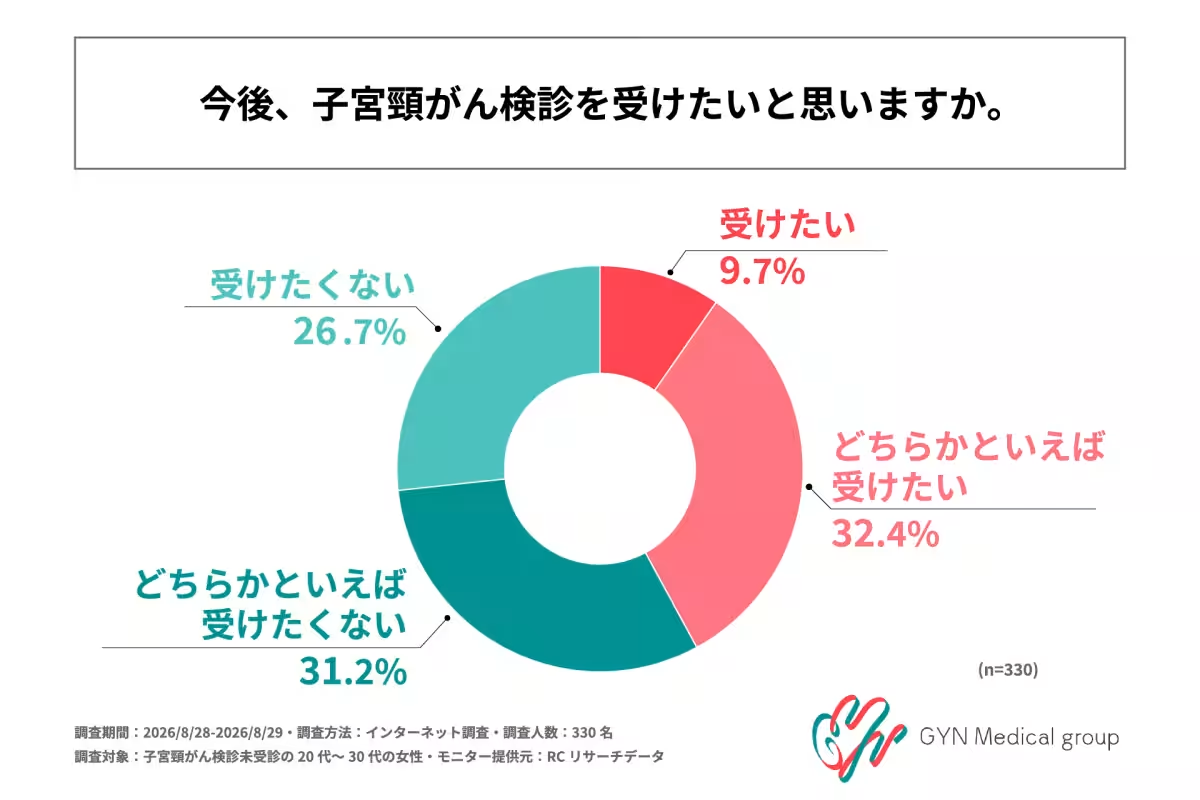
Despite the current gaps, it’s heartening to note that over 40% of participants expressed a willingness to undergo cervical cancer screening in the future, indicating a potential for increased engagement with proper outreach.
Conclusion
The findings of this survey underline critical gaps in knowledge and opportunity regarding cervical cancer screenings among young women in Japan. Awareness campaigns and improved access to female healthcare providers could foster a more proactive approach to gynecological health. The GYN Medical Group is dedicated to providing a supportive environment where women can access the screenings and information they need to ensure their reproductive health and long-term wellbeing.
By addressing both educational and structural barriers, initiatives can encourage young women to prioritize their health and wellbeing in an impactful way. The silent epidemic of cervical cancer warrants urgent attention, particularly in creating a culture where young women feel empowered to seek preventive healthcare.

Topics Health)


【About Using Articles】
You can freely use the title and article content by linking to the page where the article is posted.
※ Images cannot be used.
【About Links】
Links are free to use.