



Importance of Timely Treatment for Ingrown and Curved Toenails Revealed: Patient Survey
Understanding Ingrown and Curved Toenails
Ingrown toenails and curved toenails, both common foot problems, can lead to significant discomfort and even infection if left untreated. A recent survey conducted by IC Clinic, which involved 300 patients aged between 20 and 60, unveils some alarming statistics regarding the delayed treatment and self-care methods pursued by patients experiencing these conditions.
Key Findings from the Survey
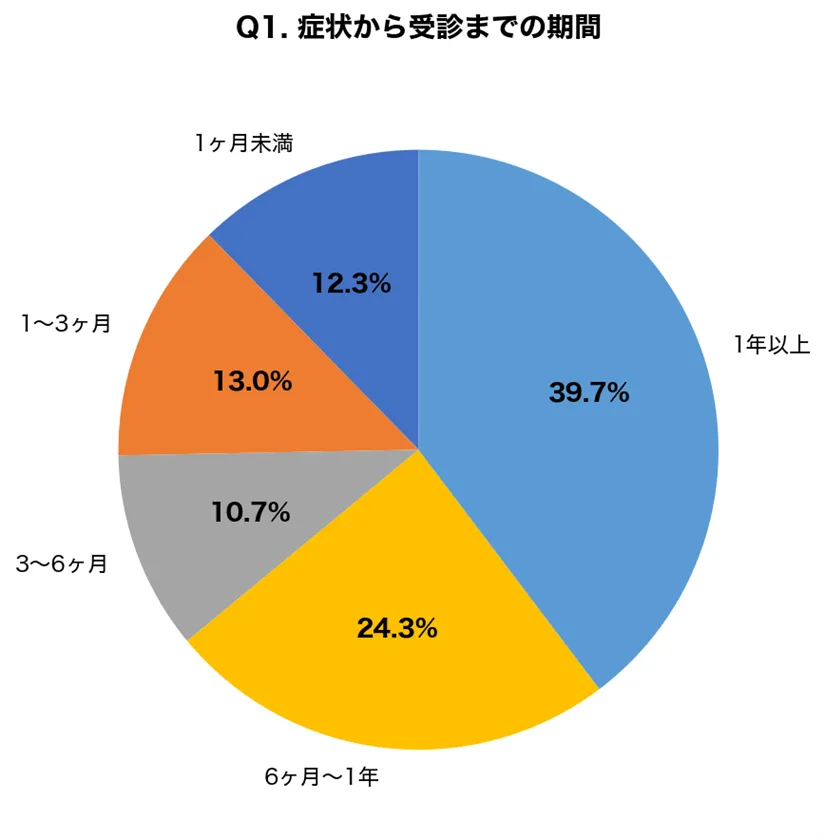
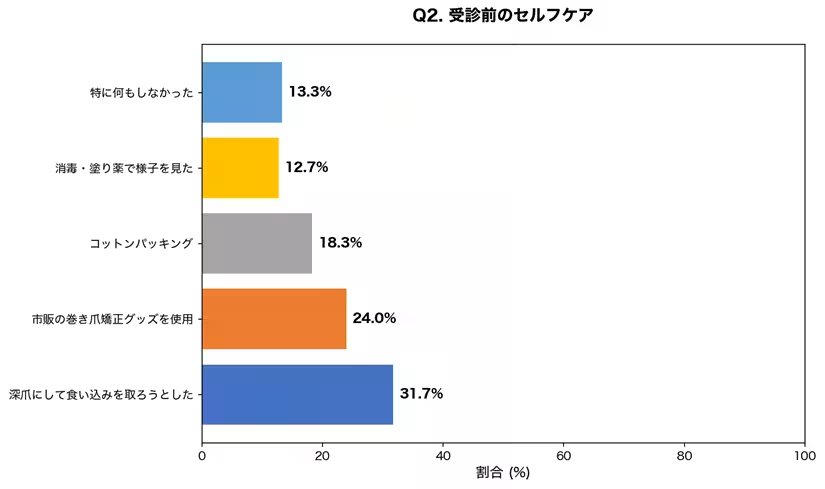
The findings indicate a concerning trend: 64.0% of respondents waited over six months before seeking professional help after noticing symptoms like pain or toenail digging into the skin. This trend highlights a prevalent lack of understanding about the implications of ignoring toenail problems. Many patients thought they could manage the condition themselves, often with self-care methods that proved ineffective. In fact, 47.7% reported their condition worsened after attempting self-treatment.
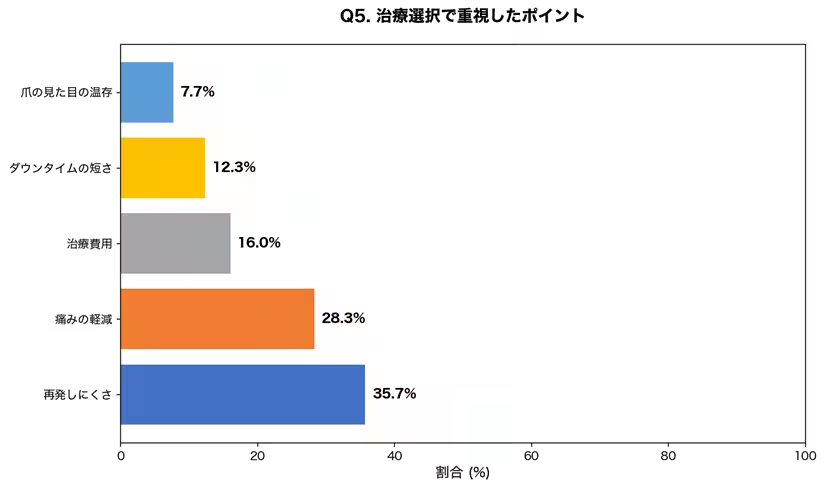
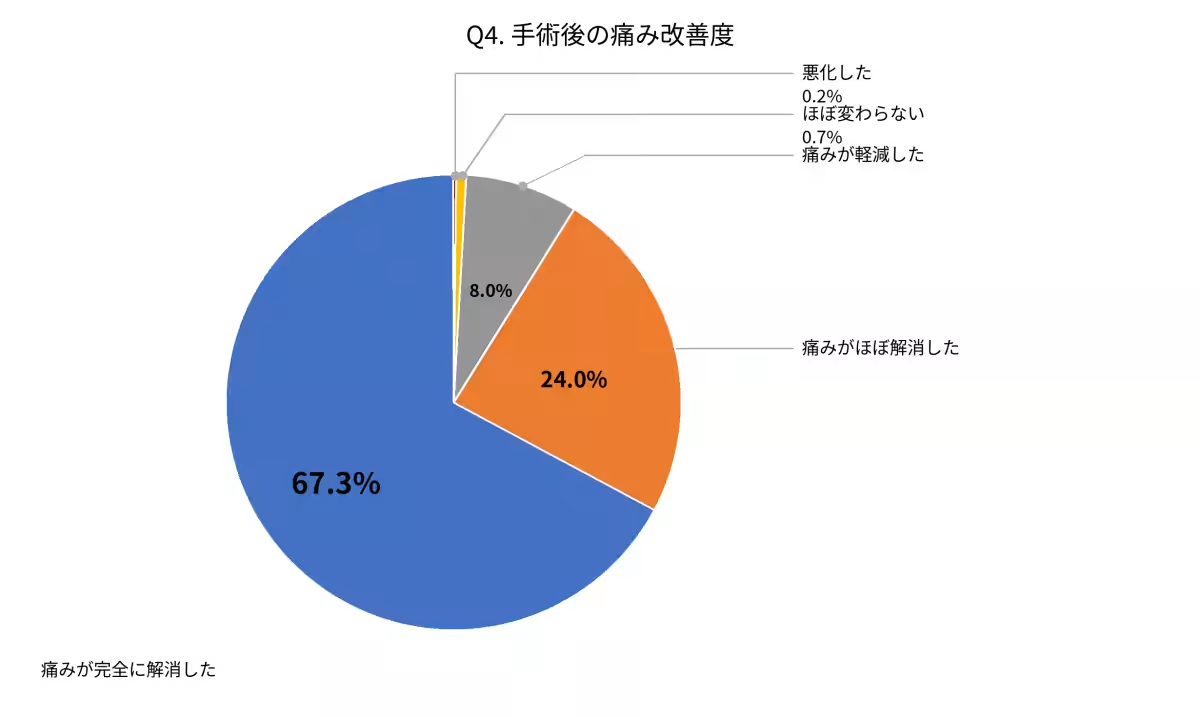
Among the treatments available, the Phenol method and the Gutter technique showed remarkable results, with 91.3% of patients experiencing significant pain relief after surgery. Both procedures are recognized for their effectiveness and low recurrence rates, making them preferable options compared to conservative care.
Definitions of Conditions
It's essential to distinguish between these two related yet distinct issues:
- - Ingrown Toenail: Occurs when the edge of the toenail grows into the surrounding skin, leading to redness, pain, inflammation, and potential infection. The condition is most common in the big toe and can be triggered by improper nail trimming, tight shoes, or injury.
- - Curved Toenail: Refers to the nail curling inward without necessarily penetrating the skin. While it may not cause immediate symptoms, it can lead to an ingrown toenail over time. This condition can be influenced by age, fungal infections, or changes in walking patterns.
Treatment Options Available
1. Phenol Method: Involves surgically removing part of the toenail and applying phenol to destroy the nail matrix, significantly reducing the chance of recurrence. This method is usually done under local anesthesia and takes about 15-30 minutes.
2. Gutter Method: A less invasive option where a medical tube is inserted between the nail and skin to alleviate pressure. It effectively preserves the toenail and is suited for mild to moderate ingrown nails.
3. Wire Correction: Generally used for curved toenails without inflammation.
Comparative Summary of Treatments
| Treatment Method | Suitable for | Anesthesia | Cost (approx.) | Recovery Time | Recurrence Rate |
|---|---|---|---|---|---|
| ---- | ------ | ---- | ----- | ---- | ----- |
| Phenol Method | Moderate to severe ingrown | Local anesthesia | 5,000 - 10,000 yen | 1 - 2 weeks | 5 - 10% |
| Gutter Method | Mild to moderate ingrown | Local anesthesia | 3,000 - 8,000 yen | Few days - 1 week | 10 - 20% |
| Wire Correction | Curved toenails (no inflammation) | Not required | 5,000 - 15,000 yen | Minimal | 20 - 30% |
Data sources confirm these findings based on over 2,500 procedures conducted by clinic specialists.
Analysis of Treatment Satisfaction
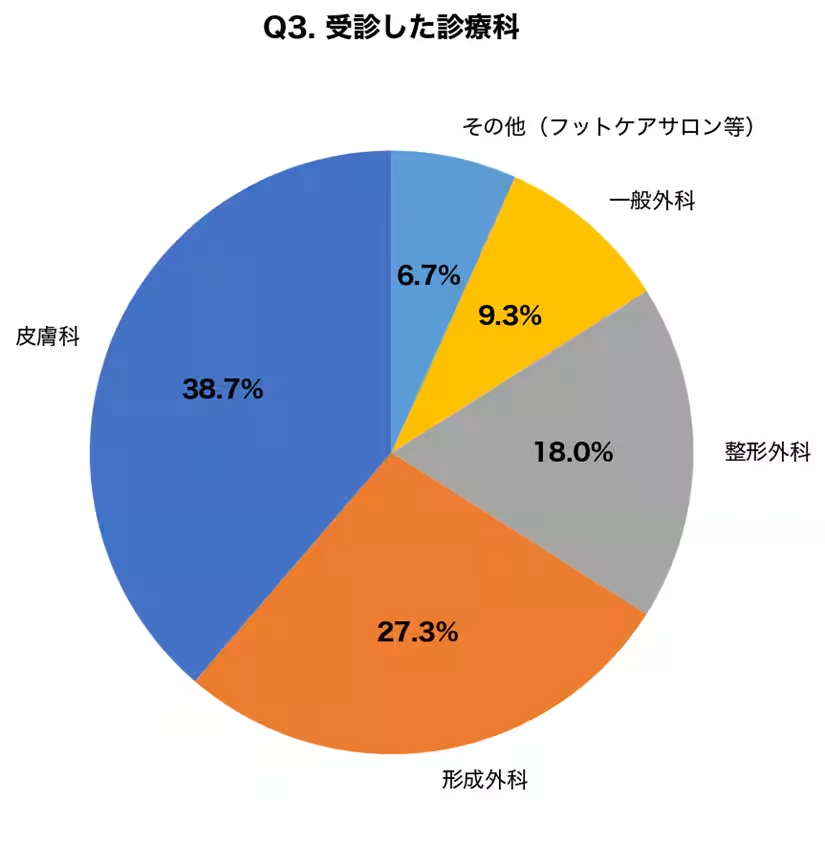
Interestingly, while the majority of patients visited dermatology clinics (38.7%), those who opted for surgical treatment in a general surgical department reported the highest levels of satisfaction. About 94.2% of patients treated by dermatologists expressed satisfaction due to factors like minimization of scarring and effective pain management.
Education Is Key
The survey underscores the urgent need for raising awareness about proper toenail care and the potential risks of ignoring toenail issues, which can lead to severe complications like infections. Patients should be informed that seeking early intervention significantly increases the likelihood of recovery without extensive procedures.
Consultation Recommendations
Patients should consult a healthcare professional if they experience any of the following symptoms:
- - Pain from toenails digging into the skin
- - Redness or swelling around the toenail
- - Discharge or granulation tissue formation
- - Symptoms that do not improve after self-treatment
Conclusion
The survey conducted by IC Clinic highlights critical insights into the treatment of ingrown and curved toenails. With a majority of patients experiencing painful conditions for extended periods before seeking help, the results emphasize the importance of timely medical intervention over self-care. By opting for professional treatment methods that have proven success rates, patients can avoid long-term discomfort and potential complications. The community must be educated regarding these ailments to promote proactive healthcare decisions.
While there are various treatment methods available, surgical interventions such as the Phenol Method and Gutter Technique have displayed remarkable effectiveness in relieving pain and preventing recurrence. Understanding the differences between these conditions and their treatments could help patients make informed decisions for their health and wellbeing.
Topics Health)
【About Using Articles】
You can freely use the title and article content by linking to the page where the article is posted.
※ Images cannot be used.
【About Links】
Links are free to use.