



JOME Launches Inclusive AI Employment Service for People with Disabilities
JOME's Innovative Service for Disability Employment
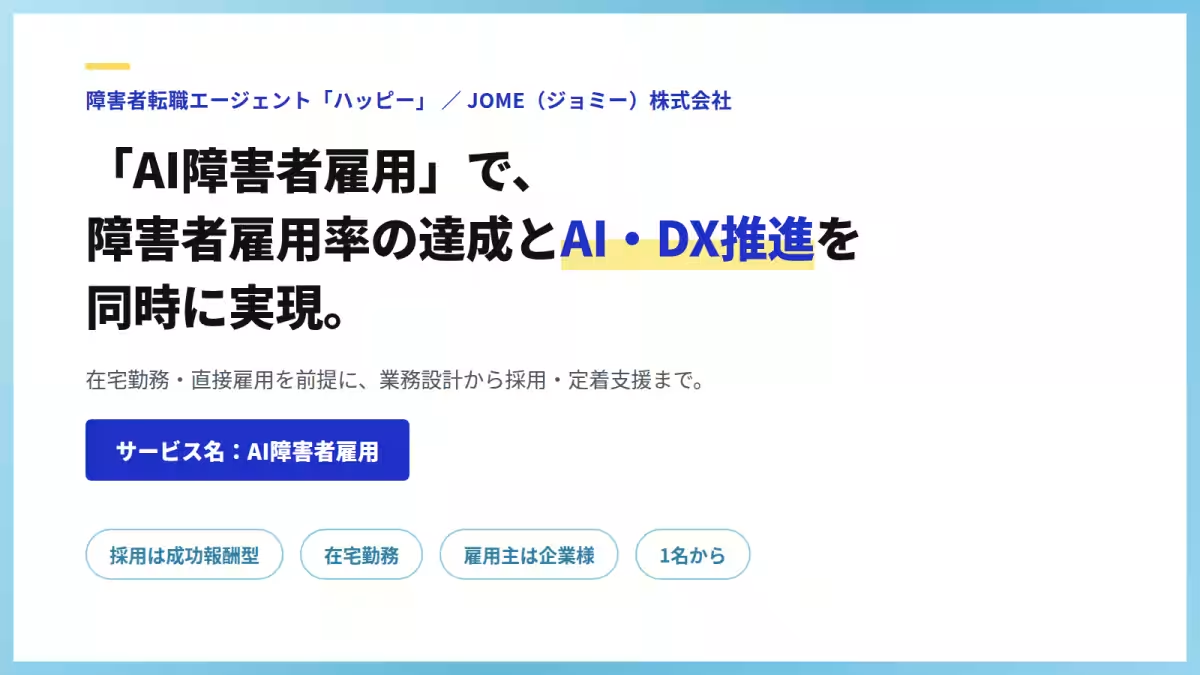
In a remarkable move towards inclusivity, JOME Corporation, based in Minato, Tokyo, has rolled out its new service, 'AI障害者雇用'—a groundbreaking initiative that intertwines disability employment support with the acceleration of AI and digital transformation (DX) efforts within organizations.
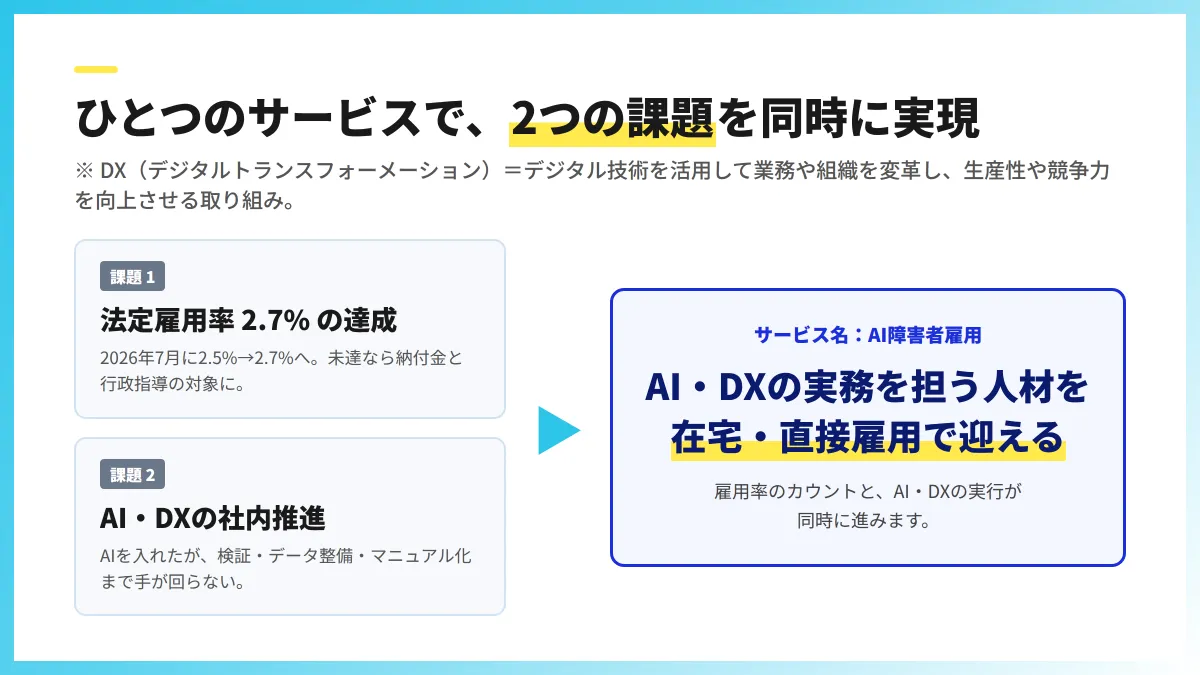
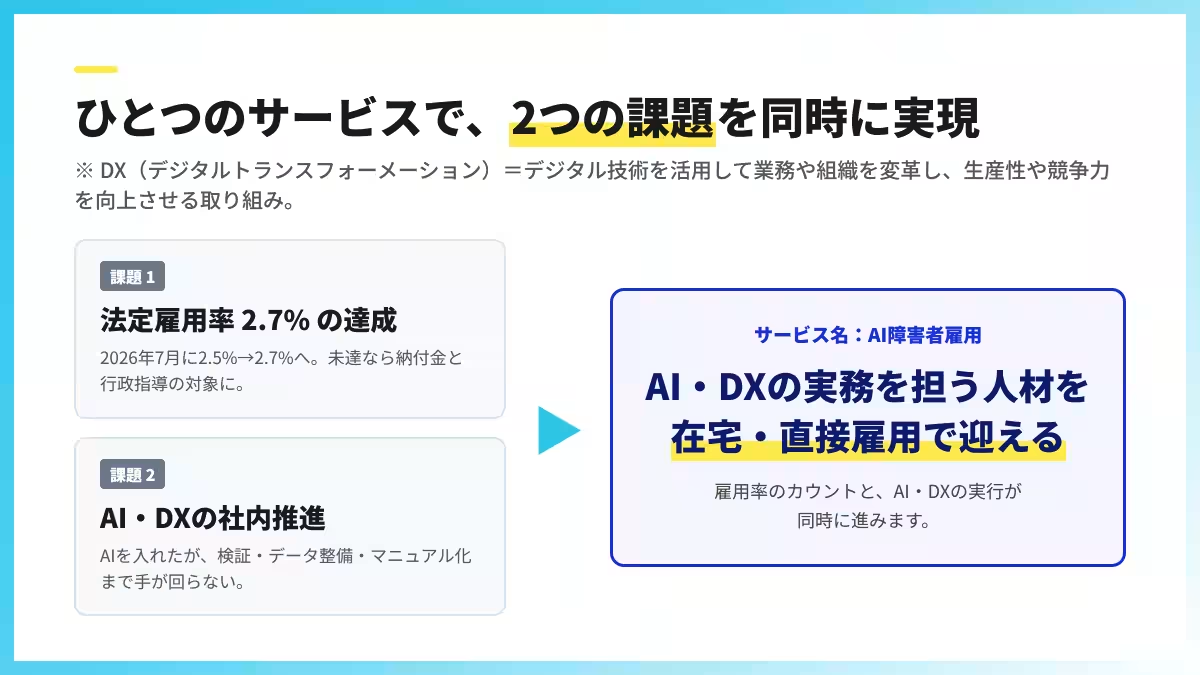
The service aims to provide opportunities for individuals with disabilities to thrive as valuable contributors in the workforce, addressing the critical need for companies to meet the mandated employment rates for disabled individuals. JOME's representative, Yoshinori Yamaguchi, emphasizes the dual benefits of this service; it not only helps companies achieve compliance with the upcoming increase in the disability employment rate—from 2.5% to 2.7% by July 2026—but also facilitates the implementation of essential AI processes seamlessly.
Understanding 'AI障害者雇用'
To quickly grasp the goals of this initiative, consider the following:
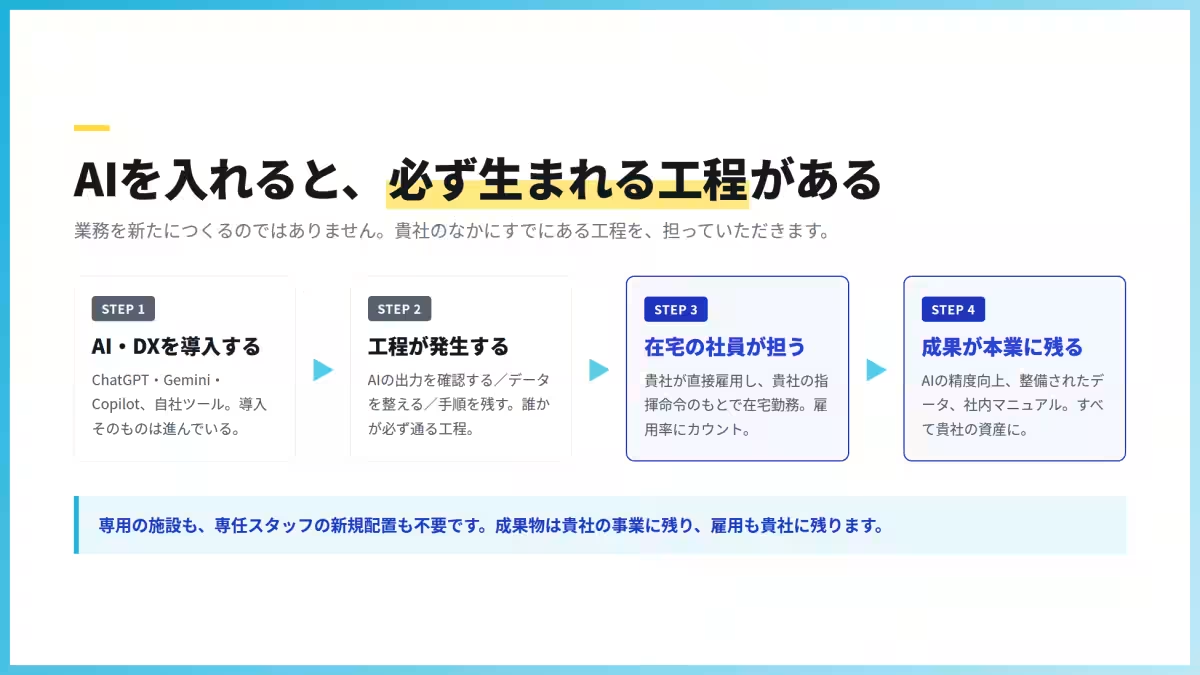
- - Individuals working remotely with disabilities will perform essential tasks like response checks, data organization, and manual creation, which naturally arise from AI operations.
- - Employers remain in control; all outputs of this collaborative effort directly benefit their business processes.
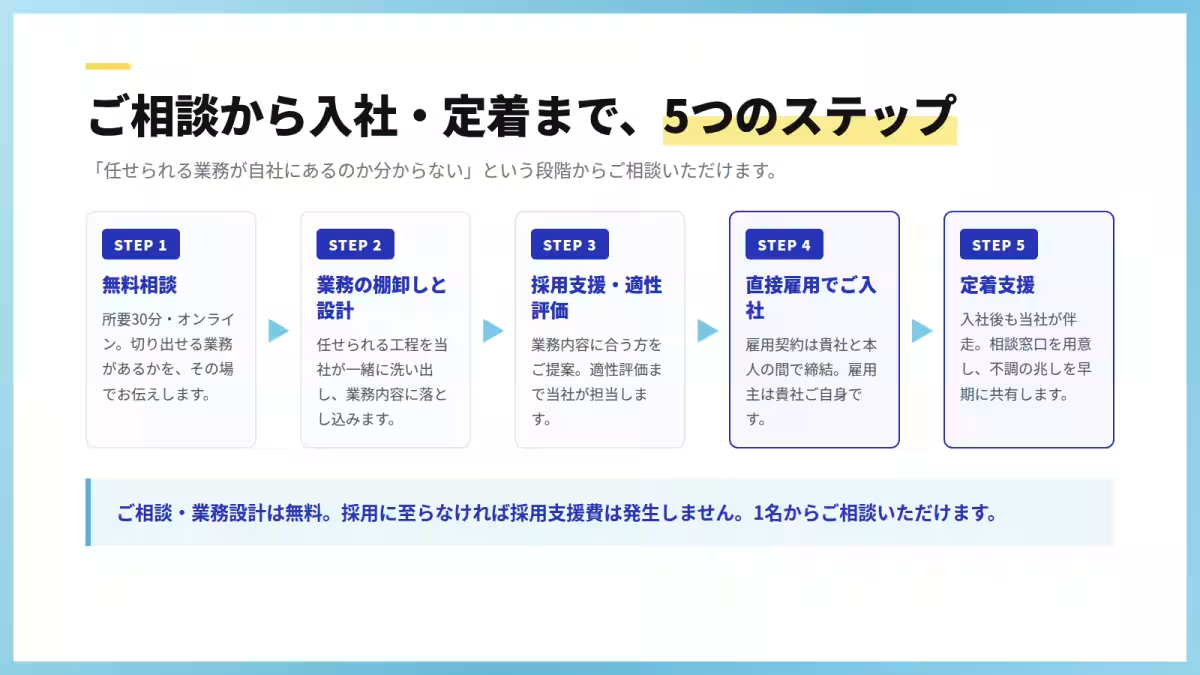
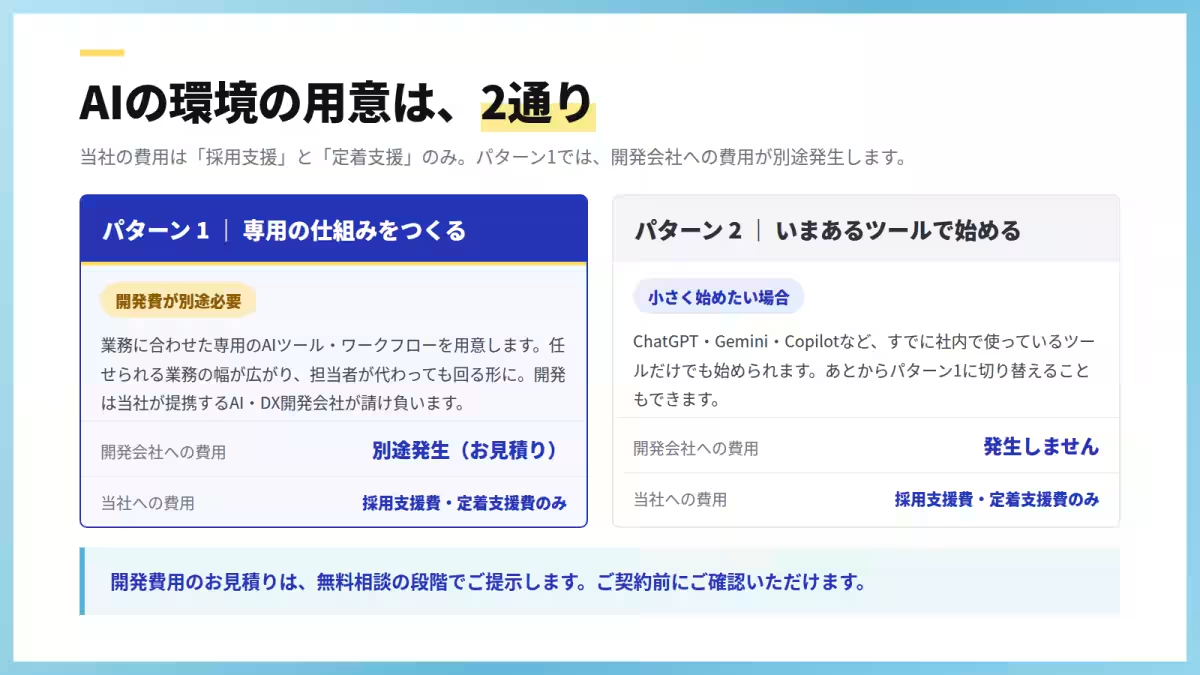
- - Consultation and work design are offered at no cost, with expenses only incurred upon hiring and securing ongoing stability for the employees.
This initiative answers the pressing issues faced by many organizations as they grapple with the challenges of compliance and technological advancement.
Addressing Two Critical Challenges Simultaneously
JOME's service strategically addresses two major challenges companies face:
1. Compliance with Legal Employment Rates: To meet the increasing obligations of hiring disabled workers, companies could face penalties if they fall short.
2. Advancement of AI and DX: With the integration of AI tools, organizations can often feel overwhelmed by the need to validate outputs, manage data efficiently, and create comprehensive operational manuals.
By employing disabled workers in remote roles, organizations can effectively delegate these critical tasks, ensuring both higher compliance rates and improved AI functionality. This solution flips the narrative surrounding disability employment, positioning it not as a burdensome obligation but as a critical component of driving business success through AI advancements.
The Operational Framework
The 'AI障害者雇用' model is designed to fit seamlessly into existing workflows without necessitating new job creation or facilities. Here’s how it operates:
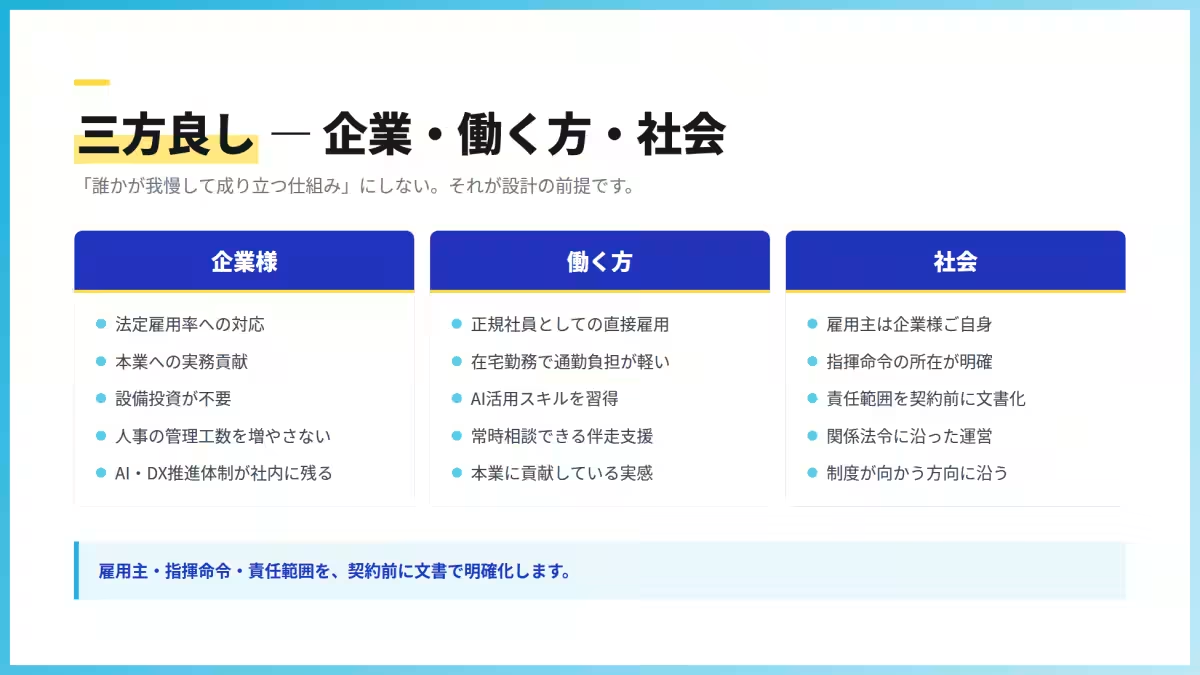
- - No New Tasks: JOME collaborates with companies to identify processes that already exist, allowing for a smooth integration of disabled workers into these roles.
- - Remote Work: This model eliminates the need for physical workspace, requiring no additional investment in office infrastructure.
- - Ownership of Outputs: All products created through this partnership remain proprietary to the hiring organization, thereby enhancing their asset pool.
- - Direct Employment: Companies directly hire candidates, ensuring the employment counts towards their overall obligations and fostering internal growth for a more inclusive culture.
Types of Tasks Assigned
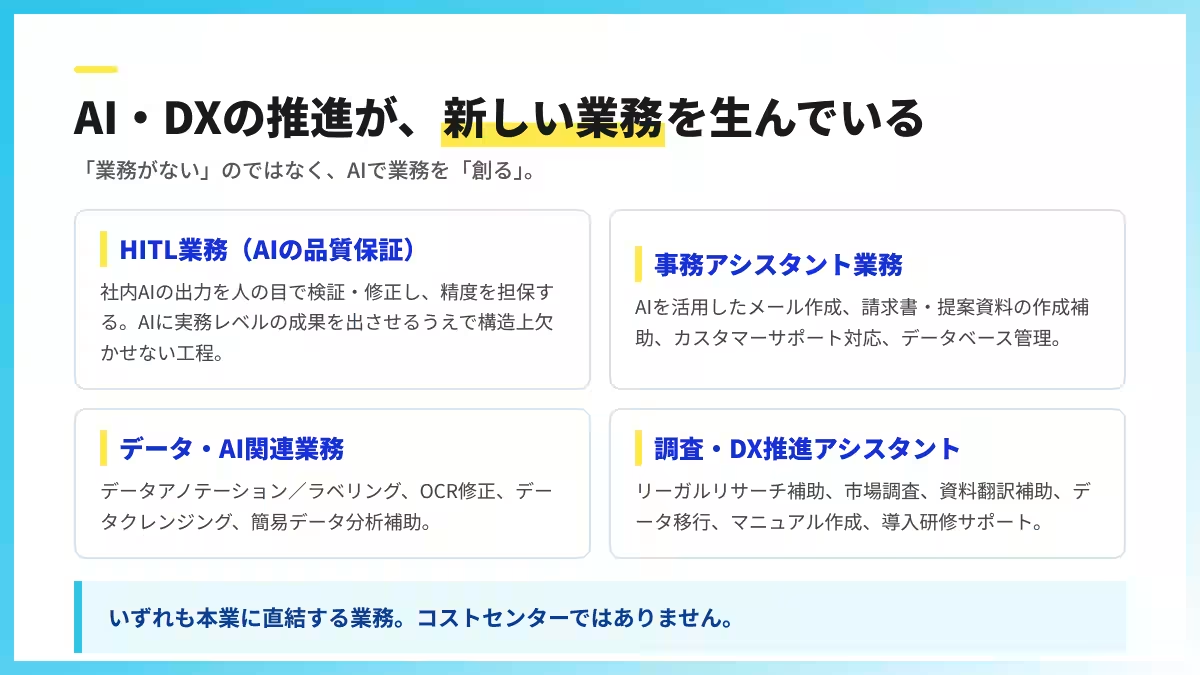
Some specific roles disabled employees can undertake include:
- - HITL (Human in the Loop) Processes: Ensuring quality control for AI outputs with human verification.
- - Administrative Support: Tasks such as drafting emails, assisting with invoices, and managing customer support inquiries.
- - Data and AI Operations: Activities including data annotation, OCR corrections, and simple data analysis assistance.
- - Research Support for DX Initiatives: Functional support including legal research assistance, market surveys, and translation services.
All these tasks are directly connected to the company’s primary operations, thus ensuring visibility and impact.
The Philosophy Behind the Initiative
Central to JOME's mission is the idea of 'spec reduction,' where companies step away from competing for high-skill talent by designing workflows easier to manage with AI's support. By employing those with disabilities who often excel in data-focused roles, businesses can benefit from their unique skill sets in a simplified, remote work environment.
Conclusion
In summary, 'AI障害者雇用' by JOME stands as a transformative step in both disability employment and AI integration. This service offers a dual resolution: enhancing legal employment compliance while simultaneously boosting the productivity and efficiency of AI tools.
Employers are encouraged to reach out for free consultations to explore how this model can serve their organizational needs without financial risks, ensuring both support for diversity and substantial benefits for innovation.
Explore further at JOME’s website or reach out for guidance on introducing this inclusive approach into your company’s operations.

Topics Consumer Products & Retail)
【About Using Articles】
You can freely use the title and article content by linking to the page where the article is posted.
※ Images cannot be used.
【About Links】
Links are free to use.