



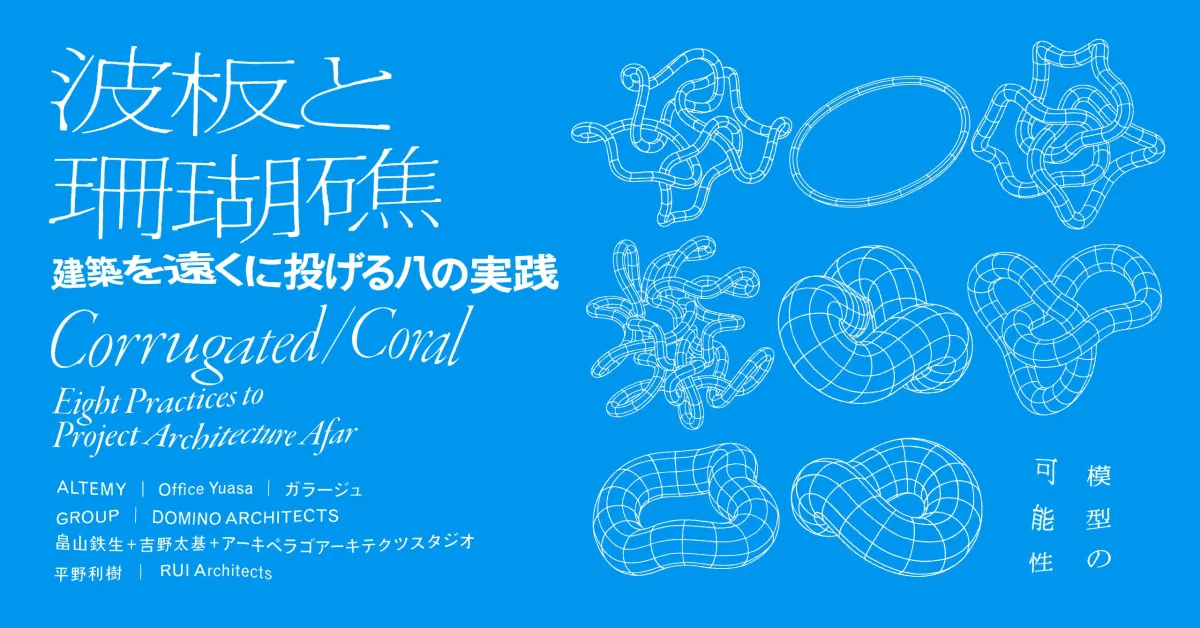
Exploring the New Exhibition: 'Waved Plates and Coral Reefs' at WHAT MUSEUM
New Exhibition: 'Waved Plates and Coral Reefs'
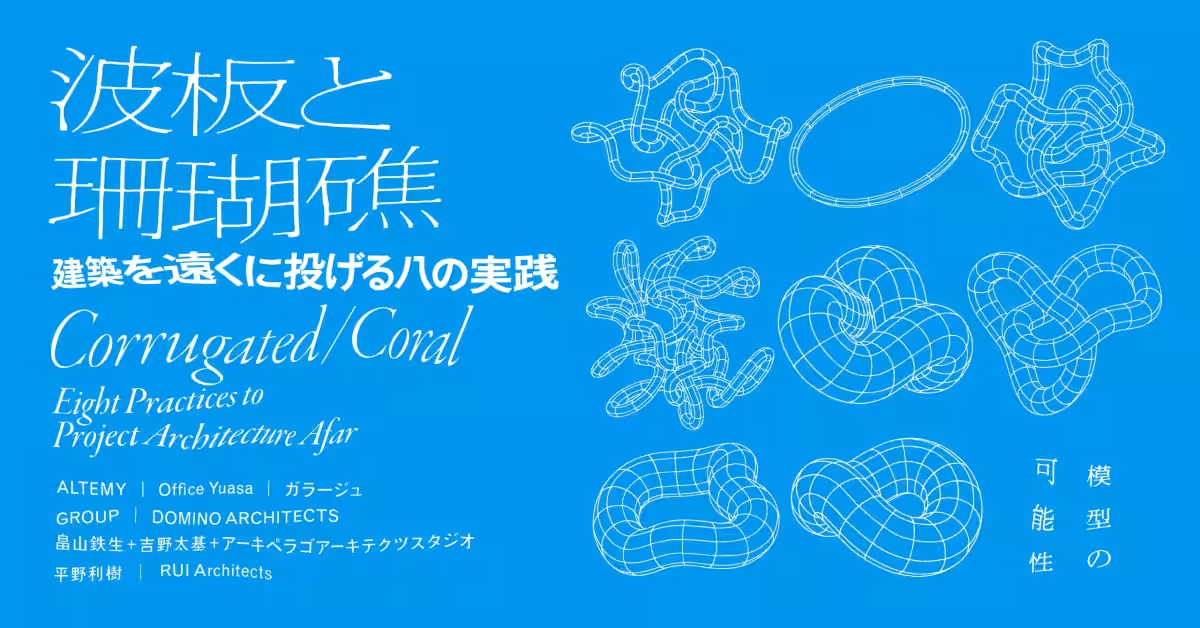
Starting on April 21, 2026, the WHAT MUSEUM in Shinagawa, Tokyo, will unveil a captivating exhibition titled 'Waved Plates and Coral Reefs - Eight Practices Casting Architecture Far Away'. This showcase will run until September 13, 2026. Managed by Terada Warehouse Co., this museum has established itself as a significant entity for contemporary art and architecture, and this exhibition aims to deepen the connection between the audience and architectural concepts through models created by eight emerging architects.
Focus on Models as a Medium of Expression
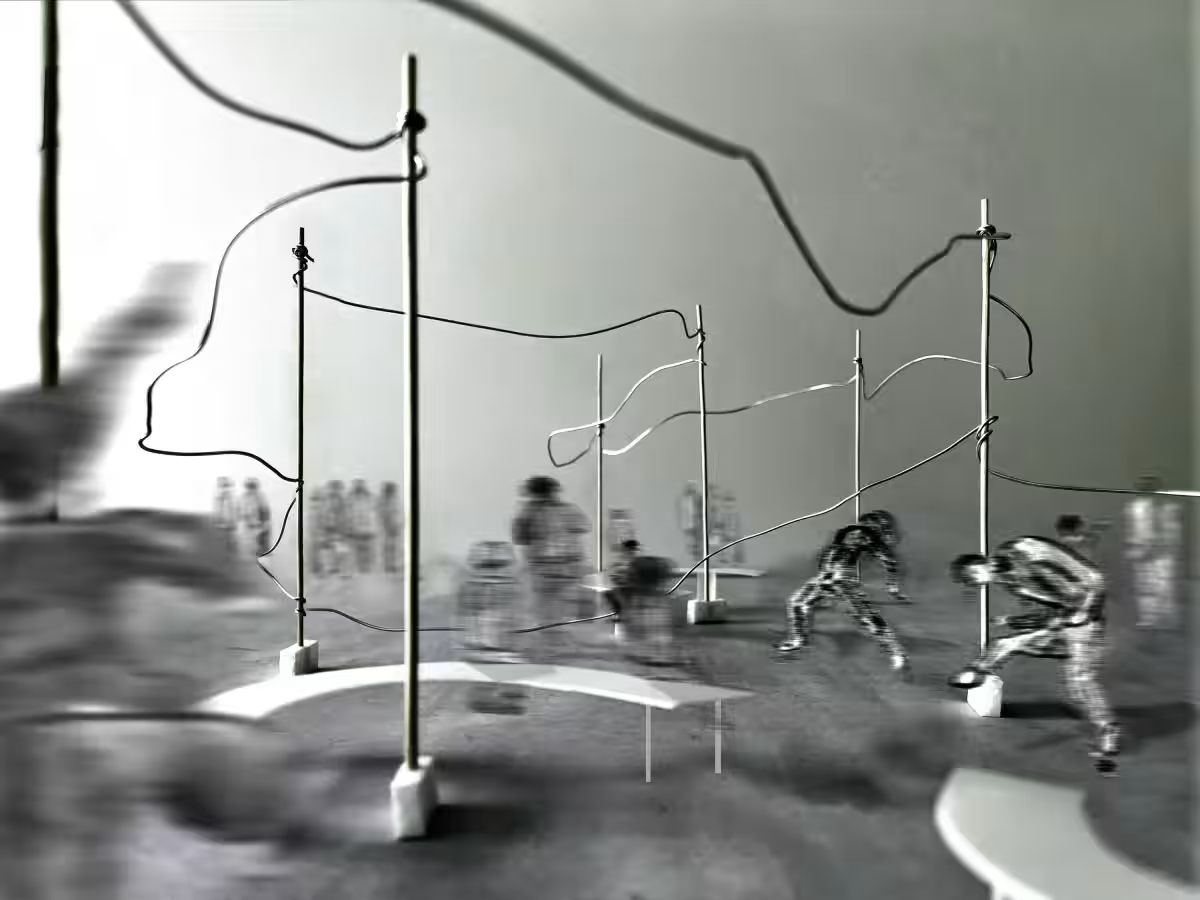
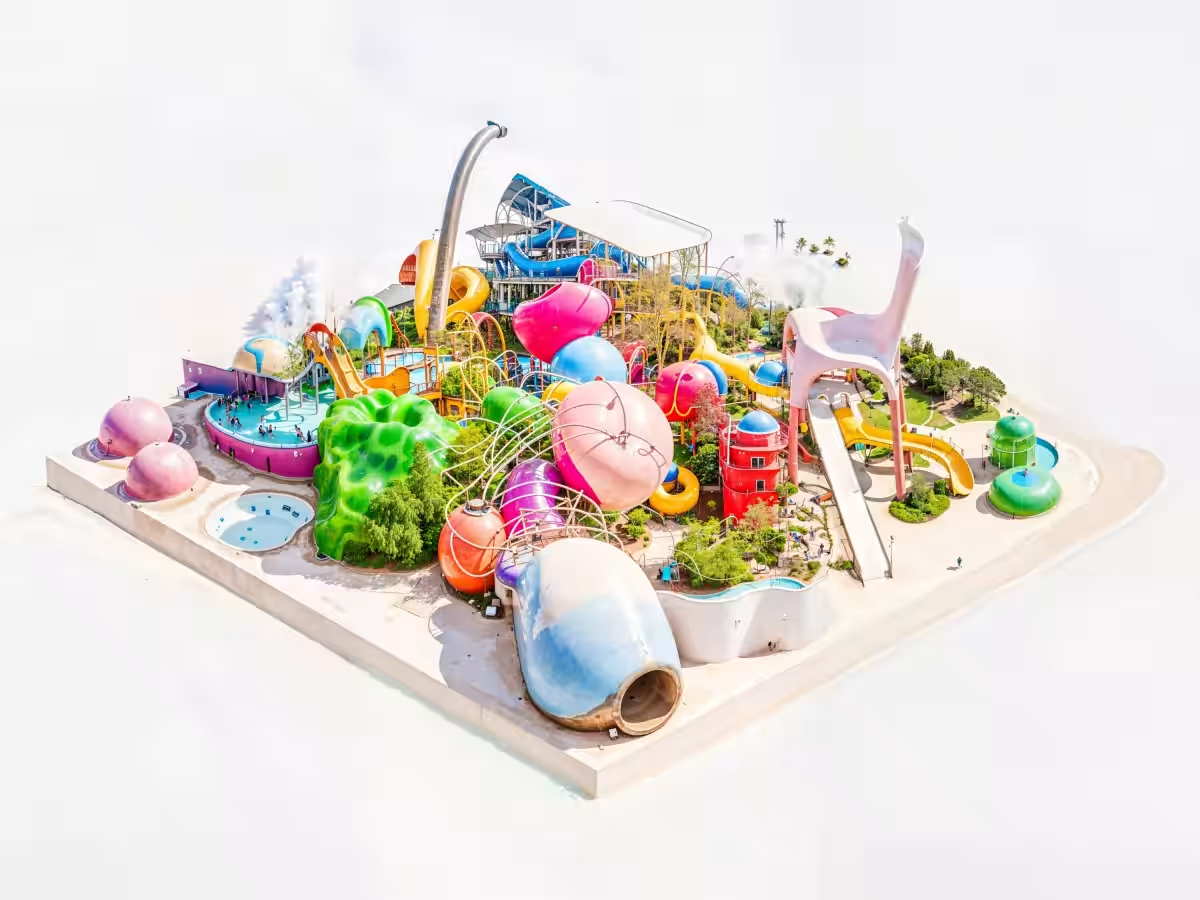
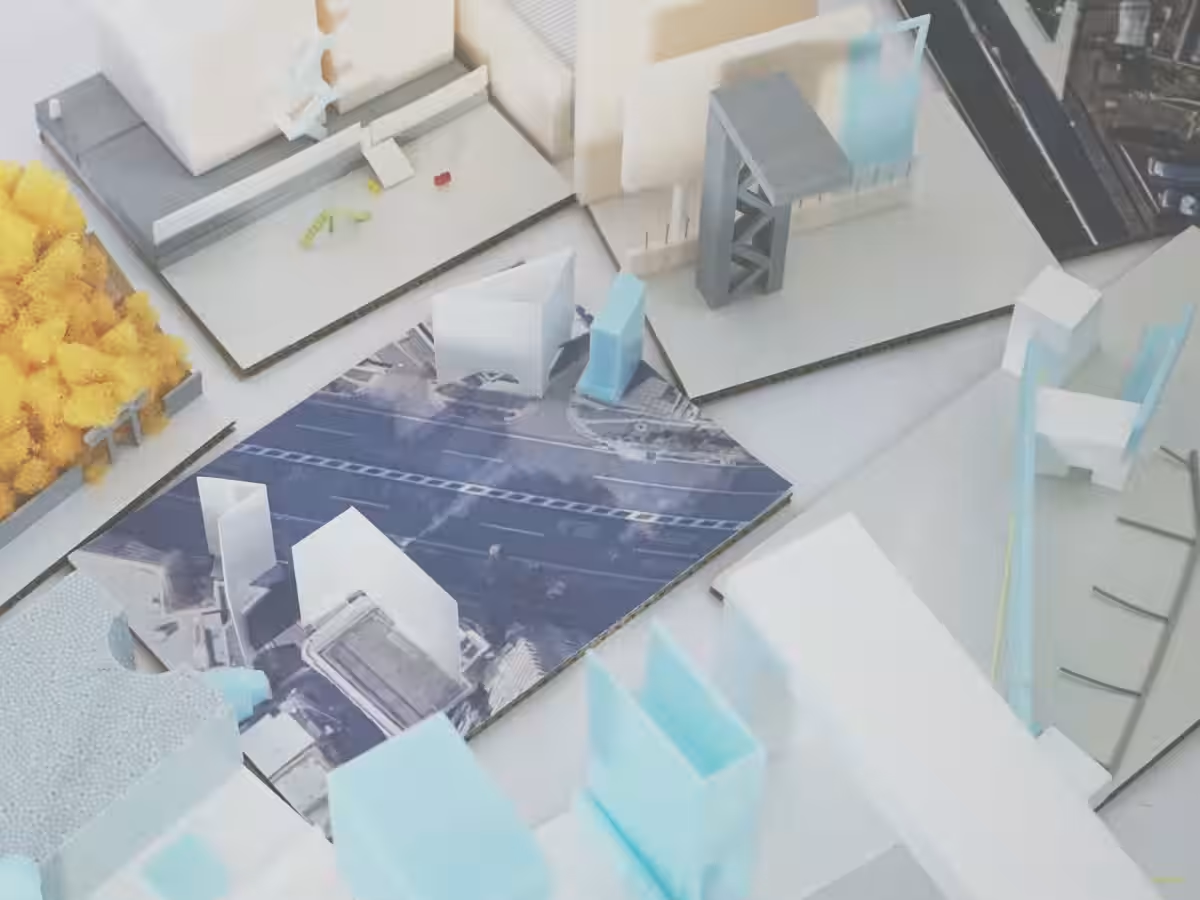
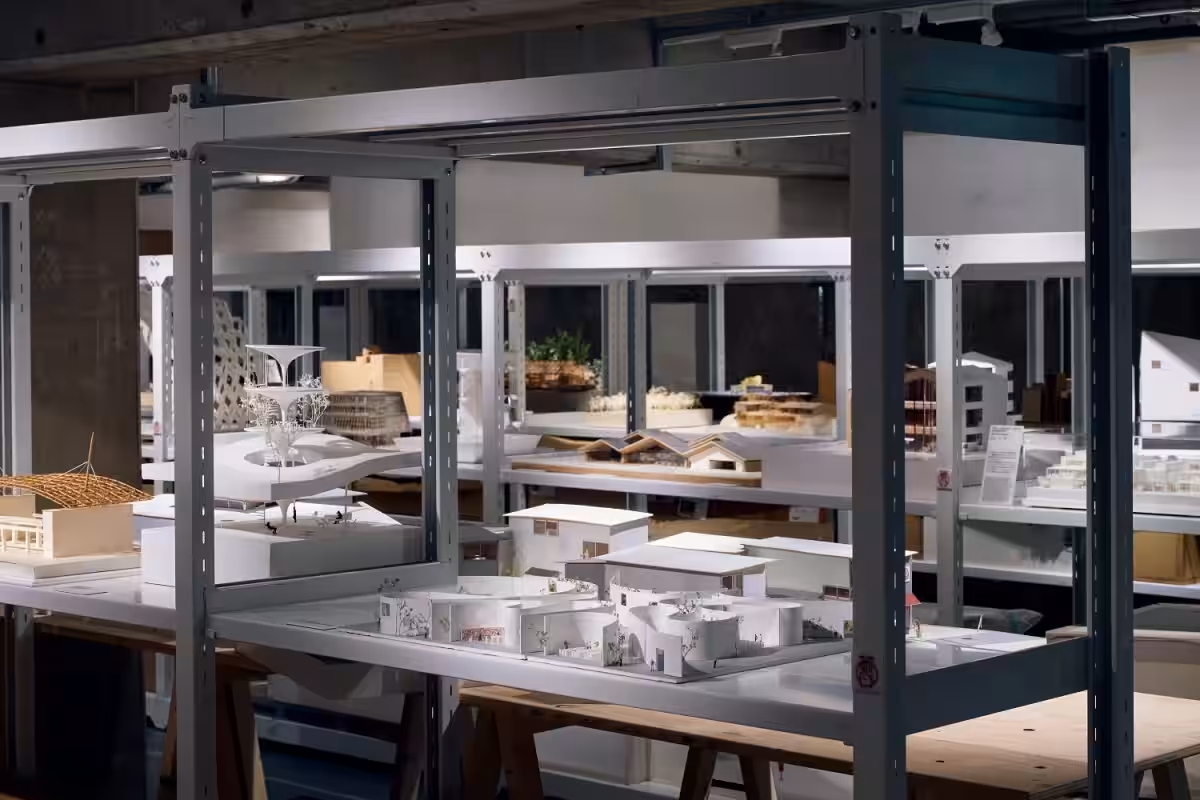
The essence of architecture often transcends traditional blueprints and verbal descriptions, emerging vividly through models. These three-dimensional representations serve not only as mere facsimiles of buildings but also as profound reflections of the architects' perspectives and philosophies towards space and society. At this exhibition, attendees will have the opportunity to experience the thought processes of each architect in tangible forms, pushing the boundaries of understanding beyond what is typically documented in two-dimensional formats.
Eight Architects, Unique Perspectives
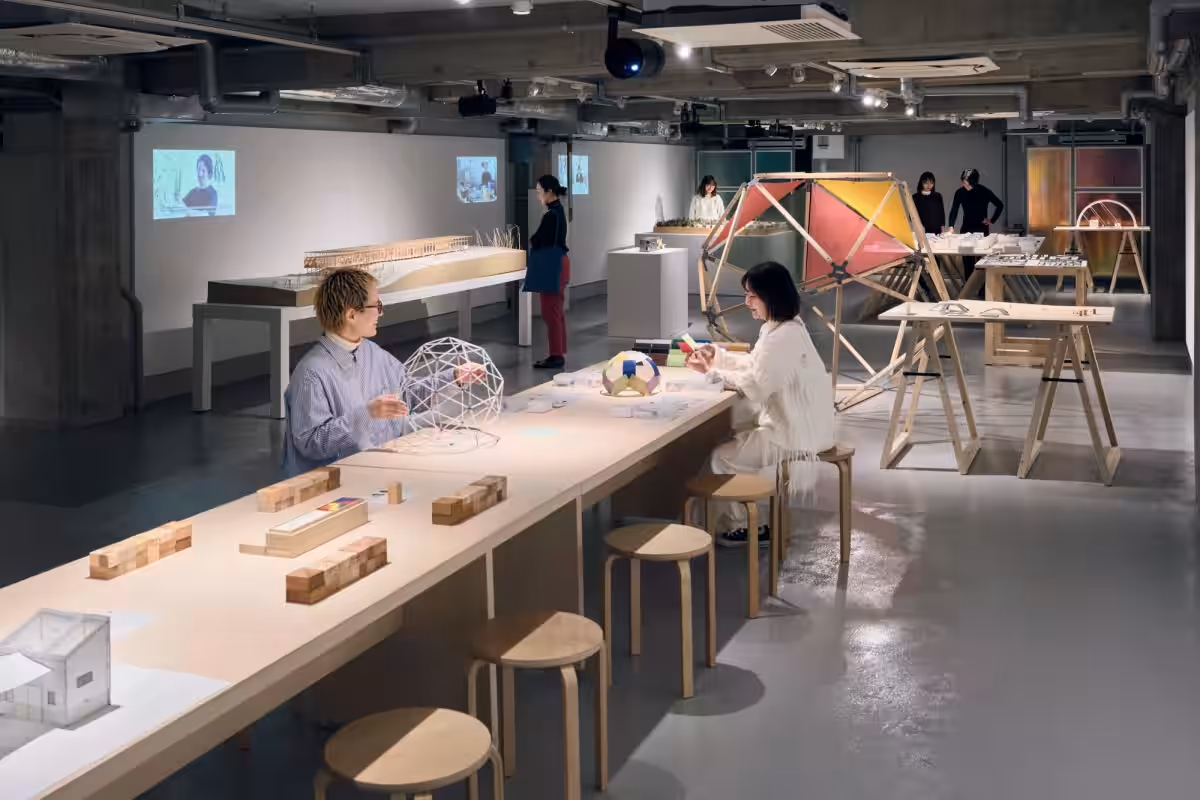
The exhibition will feature new works created specifically for this event by eight innovative architects: ALTEMY, Office Yuasa, Garage, GROUP, DOMINO ARCHITECTS, Tetsu Hatakeyama & Taiki Yoshino & Archipelago Architects Studio, Toshiki Hirano, and RUI Architects. These architects are engaged in ongoing dialogues about the nature of architecture and are excited to present models that represent their inquiries and interpretations of contemporary issues. Models range in scale and form, allowing visitors to delve deeper into the architects' understandings of space by interacting with the works. Notable among them will be a 12-meter-long model that immerses viewers in an experiential understanding of architectural thinking.
Addressing the Changing Landscape
In a world where rapid changes, such as technological advancements, natural disasters, and climate change, constantly redefine societal paradigms, architects are challenged to respond with immediacy while also cultivating long-term visions. The exhibition's title, 'Waved Plates and Coral Reefs', strikes a contrast between familiar man-made materials and natural structures formed over eons, illustrating the interplay and coexistence of these differing timescales and modes of existence. Through this symbolism, the exhibition invites architects to re-evaluate their approaches in light of evolving circumstances, encouraging a broader understanding of architecture beyond visual aesthetics.
Exhibition Details
Exhibition Title: 'Waved Plates and Coral Reefs - Eight Practices Casting Architecture Far Away'
Dates: April 21, 2026 - September 13, 2026
Venue: WHAT MUSEUM (140-0002 2-6-10 Higashi-Shinagawa, Shinagawa-ku, Tokyo, Terada Warehouse G Building)
Opening Hours: Tuesday to Sunday from 11:00 AM to 6:00 PM (last admission at 5:00 PM)
Closed: Mondays (If a holiday, will close next Tuesday)
Admission Fees: General ¥1,500, University/College Students ¥800, Free for High School Students and Under
Online Ticket Discounts: Online tickets purchased for specific time slots are ¥200 off (not combinable with other discounts)
Organizer: WHAT MUSEUM
Curator: WHAT MUSEUM Architectural Warehouse, SUNAKI
Support: Shinagawa City, Shinagawa City Board of Education
Official Site: WHAT MUSEUM
During the exhibition, dialogues and events led by the participating architects will also be hosted, allowing for deeper engagement and understanding of the showcased works. Stay tuned for more information on these exciting interactive opportunities!
What is WHAT MUSEUM?
Founded by Terada Warehouse Co., WHAT MUSEUM transforms a warehouse space into a convergence point for contemporary art and architecture. By emphasizing the cultural significance of exhibits stored in this warehouse, WHAT MUSEUM facilitates artistic exchange through a variety of media including art, architectural models, photography, and installations. It stands as both a hub for local art communities and a global messenger of artistic culture, promoting artistic narratives from Tokyo to the world.


Topics Entertainment & Media)
【About Using Articles】
You can freely use the title and article content by linking to the page where the article is posted.
※ Images cannot be used.
【About Links】
Links are free to use.