



Harnessing Big Data for Improved Tourism Strategies in Tokyo Districts
Utilizing Big Data to Address Tourism Issues in Tokyo
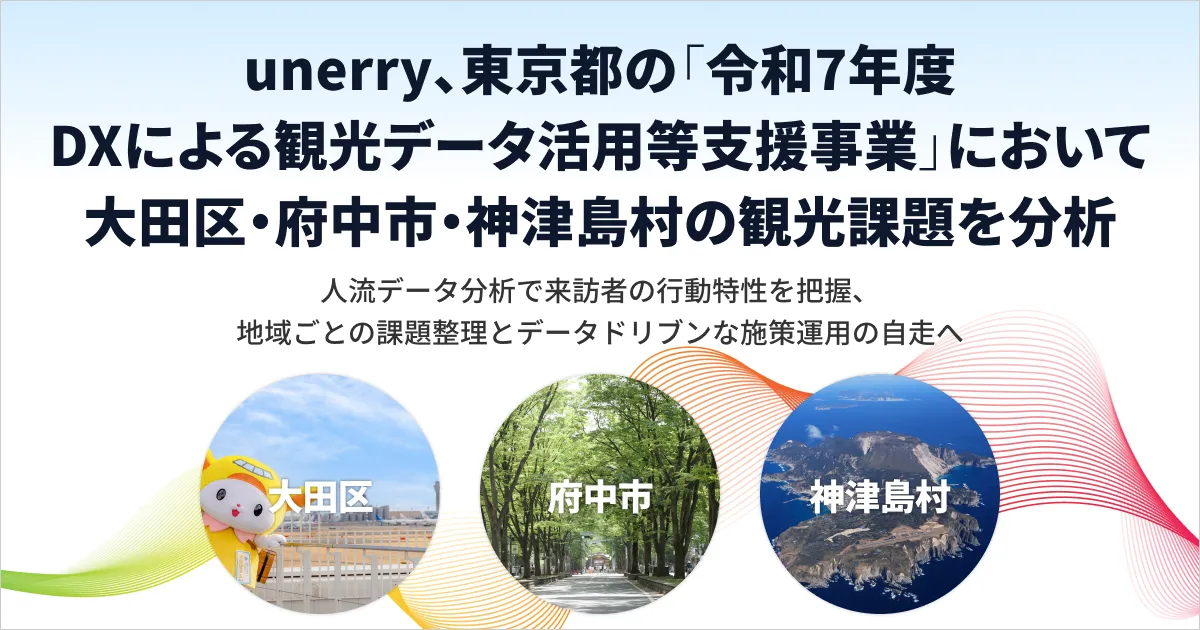
In a significant move towards enhancing tourism experiences, Unerry, a data company based in Tokyo, has taken an innovative approach by employing big data to analyze tourism challenges in three unique areas: Ota City, Fuchu City, and Kozushima Island. Through the Tokyo government’s initiative for the fiscal year 2023 aimed at utilizing digital transformation (DX) in tourism, Unerry is set to redefine how these regions engage with visitors.
Understanding the Tourism Landscape
With a wealth of data at its disposal, including 240 million IDs from domestic big data analytics, Unerry has effectively captured the behaviors and needs of tourists visiting these areas. Collaborating with local organizations such as the Ota Tourism Association, Fuchu City, and the Kozushima Tourism Association, the company has systematically identified visitor footprints, satisfaction levels, and distinct needs. The findings promise to pave the way for future tourism strategies tailored to both local inhabitants and incoming tourists.
Ota City Insights
Ota City, notable for its proximity to Haneda Airport, is at a crossroads where many visitors pass through but rarely explore further. One of the pressing issues identified is the low visitor circulation and spending within the area. Visitors often linger in nearby districts like Kamata before or after using the airport, revealing potential for enhancing local tourism. Currently, the focus within Ota is to leverage existing initiatives, like stamp rallies, using flow data to identify optimal spots for increasing visitor engagement. The aim is a structured approach to tourism that enables better resource allocation and extended visitor stays, enhancing the overall experience.
Fuchu City Developments
Fuchu City faces a unique challenge in comprehending who its visitors are, where they come from, and what their interests entail. Recent analyses categorize visitors into two primary groups: those visiting for specific events, such as at the Tokyo Racecourse, and local residents engaging with community amenities. This insight has led Fuchu officials to reconsider their promotional strategies to include not just external tourists but also local residents, ensuring they find value in what the city offers. By recognizing the importance of community engagement, Fuchu aims to foster a richer tourism environment that encourages longer stays and higher satisfaction rates among visitors.
Kozushima Island Initiatives
Kozushima Island presents a different challenge; it struggles with attracting visitors during off-peak seasons. Initially believed that the island primarily draws in women seeking stargazing experiences, new analyses reveal an exciting opportunity among active male tourists aged 30-50 seeking adventure through hiking. Additionally, feedback from visitors indicates a desire for more information prior to their arrival, showcasing the need for an improved content strategy that enhances the visitor experience from the outset.
As discussions progressed, the realization emerged that strategies focused merely on advertising would not suffice. Unerry and Kozushima stakeholders are now ideating new experiences tailored for the diverse new audience, seeking to enhance visitor satisfaction and foster loyalty.
A Data-Driven Future
The broader aim of this initiative is to transition from problem identification to actionable results. Beyond merely data analysis, Unerry emphasizes co-creating solutions that empower local communities to conceptualize and implement effective tourism strategies based on sophisticated data insights. Through ongoing workshops and dialogues with local stakeholders, the goal is to maintain a feedback-driven adaptation of tourism practices.
Unerry's commitment to supporting these regions extends to providing not only long-term assistance to the three primary areas but also short-term workshops for a total of 62 municipalities and their respective tourism associations across Tokyo. This comprehensive approach ensures that findings from the data analysis translate into practical applications in the tourism sector, ultimately fostering a sustainable tourism economy.
The forthcoming phases will focus on the implementation of strategies derived from the collected data, ensuring continuous monitoring and refinement of these efforts. By creating a robust framework informed by solid data, the goal is to develop a tourism ecosystem that is not only responsive to visitor needs but also enriches local communities, ensuring a profound impact on the economic landscape of Tokyo’s tourism industry.
Topics Travel)
【About Using Articles】
You can freely use the title and article content by linking to the page where the article is posted.
※ Images cannot be used.
【About Links】
Links are free to use.