



Innovative Use of Shoe Waste in Sports Facility Paving Materials
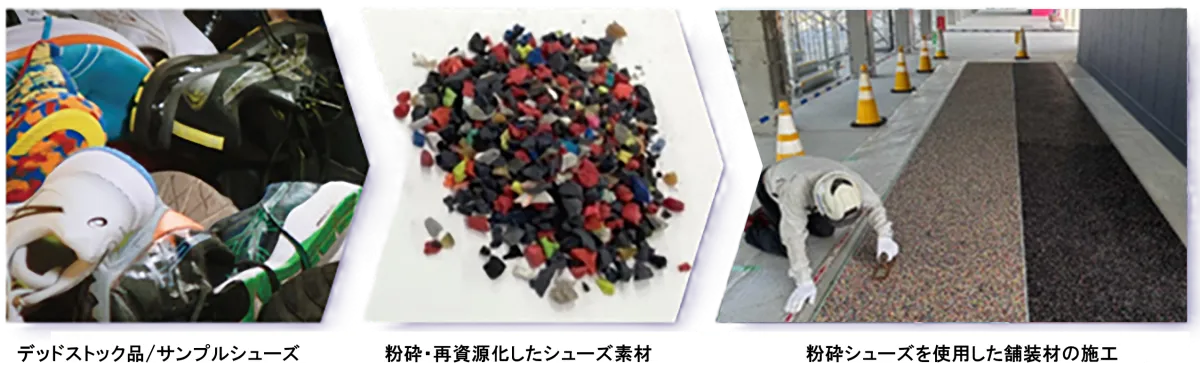
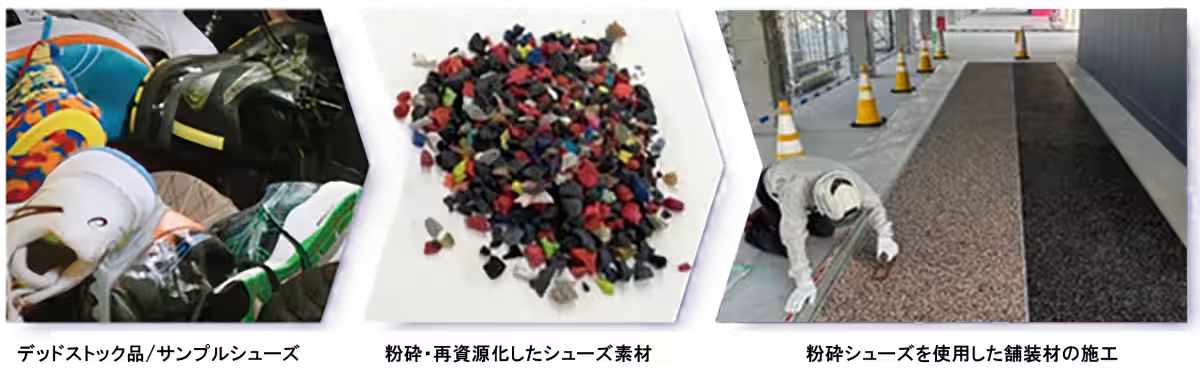
In an exciting collaboration, two prominent entities in Japan, Asics Corporation and Nippon Taiikushisetsu Co., have taken a remarkable step towards sustainability in sports infrastructure. This partnership aims to integrate waste materials from Asics’ production processes into innovative paving solutions for sports facilities. The project marks a significant stride in resource circulation, reusing deadstock shoes, samples, and other materials that did not meet sales standards. Starting in August 2026, a testing phase will be launched at the Asics Satoyama Stadium in hopes of establishing the functional benefits of these recycled materials.
This initiative will validate the durability, comfort, and environmental impact of the new paving performed under the guidance of Nippon Taiikushisetsu, which specializes in the construction and management of sports facilities. By leveraging their extensive knowledge in sports facility maintenance and development, they will assist in the execution and evaluation of the experimental project. The crushed shoe materials will be specifically utilized as a component of the rubber chips that compose the new paving material.
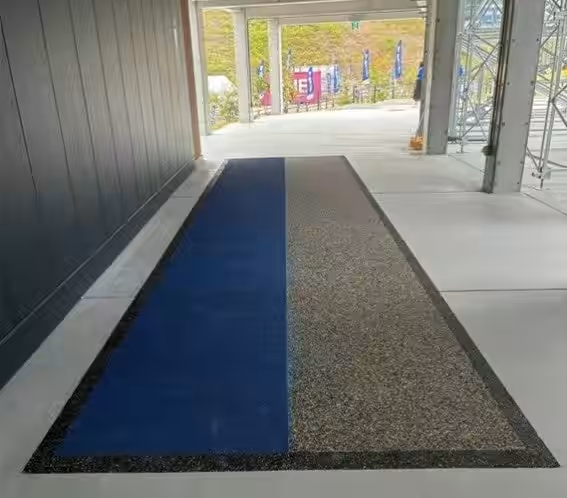
Currently, the Asics Satoyama Stadium is equipped with a testing track on-site where visitors are encouraged to experience the performance of the new material firsthand. The testing track spans two lanes, each measuring 9 meters long and 1 meter wide, providing a solid platform for runners to gauge the feel of this innovative surface.
This experimental testing is scheduled to last until the end of June 2027, after the completion of the 2026/27 sports season. The location chosen for this initiative, the western side of the southern concourse in Asics Satoyama Stadium, aims to not only test the product’s performance but also enhance public awareness regarding sustainability efforts within the sports community. The collaboration showcases the potential uses for recycled materials in paving, promoting a circular economy and encouraging other businesses to reconsider their waste management strategies.
In this testing phase, assessments will look into various factors, such as how the new material withstands wear and tear, its comfort level during sports activities, and the overall environmental benefits associated with using recycled shoe materials. The end goal is a comprehensive analysis that could pave the way for new standards in sports facility construction and maintenance, setting a precedent for the integration of sustainable practices in future developments.
Through initiatives like this, Asics and Nippon Taiikushisetsu are steering the sports industry towards a more sustainable future, where waste is not seen as merely refuse but as a valuable resource. As environmentally conscious practices gain traction globally, endeavors like these will play a significant role in shaping the way sports infrastructure evolves, ensuring that it aligns with the principles of sustainability and resourcefulness. This project could very well serve as a blueprint for future collaborations in adopting eco-friendly technologies and practices across various industries, underscoring the importance of innovative thinking in addressing environmental challenges.
As we look forward to the results of this pioneering experiment, the implications could extend far beyond the realm of sports, highlighting the importance of creative reuse and the potential for a greener, more sustainable tomorrow.
This initiative will validate the durability, comfort, and environmental impact of the new paving performed under the guidance of Nippon Taiikushisetsu, which specializes in the construction and management of sports facilities. By leveraging their extensive knowledge in sports facility maintenance and development, they will assist in the execution and evaluation of the experimental project. The crushed shoe materials will be specifically utilized as a component of the rubber chips that compose the new paving material.
Currently, the Asics Satoyama Stadium is equipped with a testing track on-site where visitors are encouraged to experience the performance of the new material firsthand. The testing track spans two lanes, each measuring 9 meters long and 1 meter wide, providing a solid platform for runners to gauge the feel of this innovative surface.
This experimental testing is scheduled to last until the end of June 2027, after the completion of the 2026/27 sports season. The location chosen for this initiative, the western side of the southern concourse in Asics Satoyama Stadium, aims to not only test the product’s performance but also enhance public awareness regarding sustainability efforts within the sports community. The collaboration showcases the potential uses for recycled materials in paving, promoting a circular economy and encouraging other businesses to reconsider their waste management strategies.
In this testing phase, assessments will look into various factors, such as how the new material withstands wear and tear, its comfort level during sports activities, and the overall environmental benefits associated with using recycled shoe materials. The end goal is a comprehensive analysis that could pave the way for new standards in sports facility construction and maintenance, setting a precedent for the integration of sustainable practices in future developments.
Through initiatives like this, Asics and Nippon Taiikushisetsu are steering the sports industry towards a more sustainable future, where waste is not seen as merely refuse but as a valuable resource. As environmentally conscious practices gain traction globally, endeavors like these will play a significant role in shaping the way sports infrastructure evolves, ensuring that it aligns with the principles of sustainability and resourcefulness. This project could very well serve as a blueprint for future collaborations in adopting eco-friendly technologies and practices across various industries, underscoring the importance of innovative thinking in addressing environmental challenges.
As we look forward to the results of this pioneering experiment, the implications could extend far beyond the realm of sports, highlighting the importance of creative reuse and the potential for a greener, more sustainable tomorrow.
Topics Sports)
【About Using Articles】
You can freely use the title and article content by linking to the page where the article is posted.
※ Images cannot be used.
【About Links】
Links are free to use.