



Regular Study on Advertising Expressions Violating Pharmaceutical Law and Standards
Overview of Advertising Expression Violations
In the realm of advertising, particularly concerning health products, the line between persuasive marketing and misleading claims can easily blur. A recent regular study conducted by REGAL CORE, a company specializing in checks regarding pharmaceutical laws, sheds light on this very issue. The study reveals multiple instances of advertisements containing expressions that may infringe on pharmaceutical laws and the Pharmaceutical Advertising Standards.
Study Period and Methodology
The investigation took place from April to May 2026, involving various web media platforms. The focus was on advertisement landing pages (article LPs) displaying promotional widgets. Conducted bi-weekly, the study aimed to evaluate these advertisements based on their claims against the existing regulations designed to protect consumers.
Key Findings
The results point to a continuing trend of problematic content in the reviewed article LPs. Some critical violations identified include:
Misleading Health Claims
1. Unsubstantiated Efficacy Claims: Many health food products marketed with purported medical benefits violate pharmaceutical law. For example:
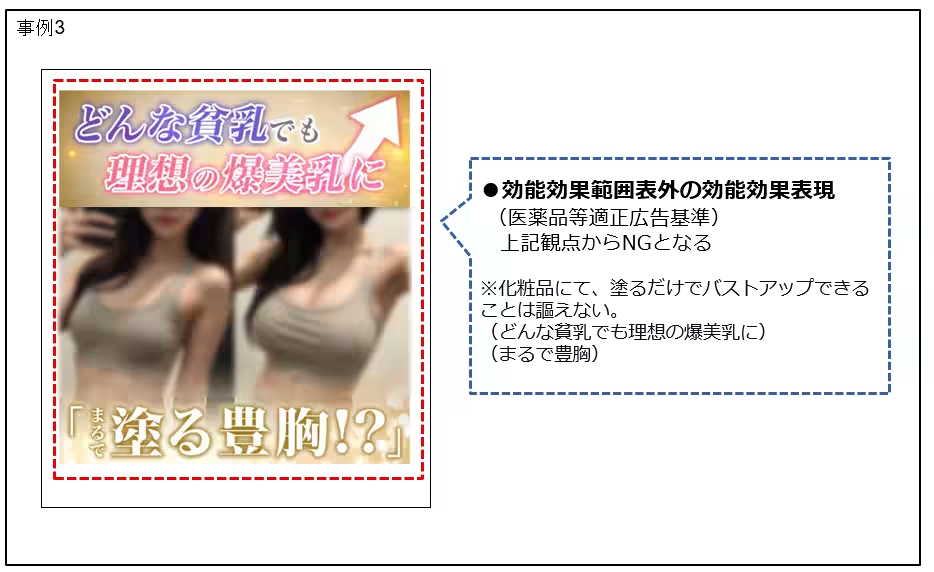
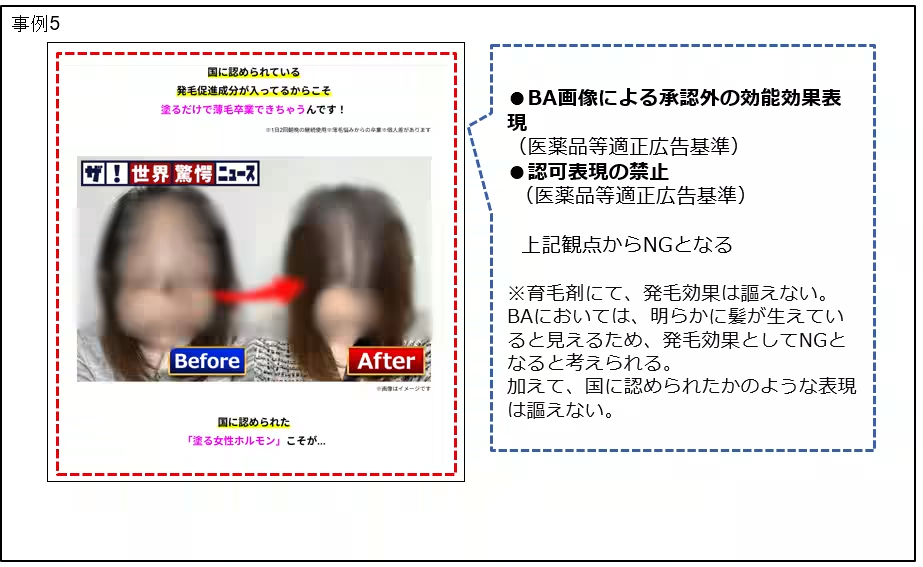
- Claims such as enabling “increased breast fullness” or “supporting female hormones” can mislead consumers.
- Specific phrases like “detox effects” or “preventing aging” suggest efficacy that cannot be substantiated and may induce false health expectations.
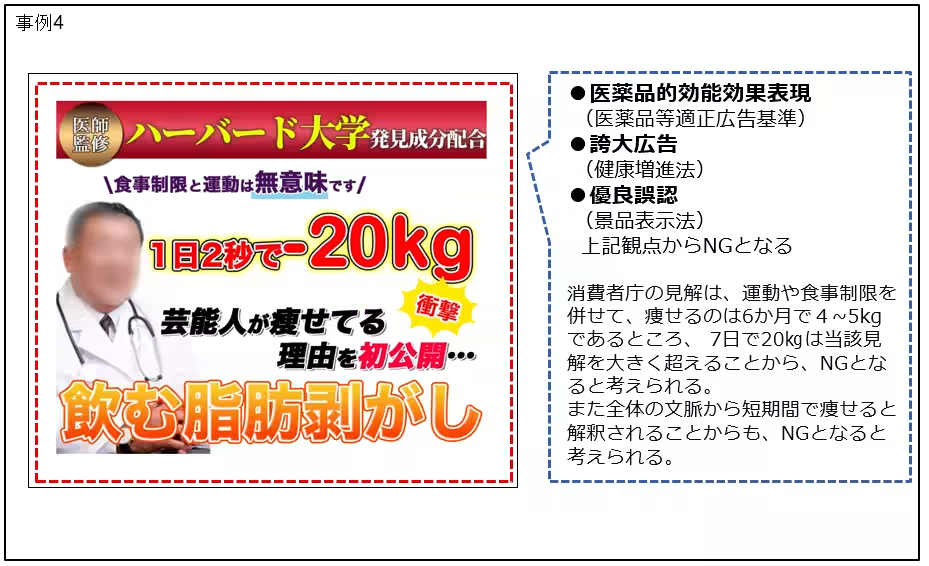
2. Unhealthy Weight Loss Promises: Ads suggesting effortless weight loss, such as “lose weight just by drinking” or “achieve drastic results quickly,” cross ethical boundaries and mislead consumers regarding realistic health practices. Highlighted references include dangerously extreme claims like “losing 13.1 kg in two weeks.”
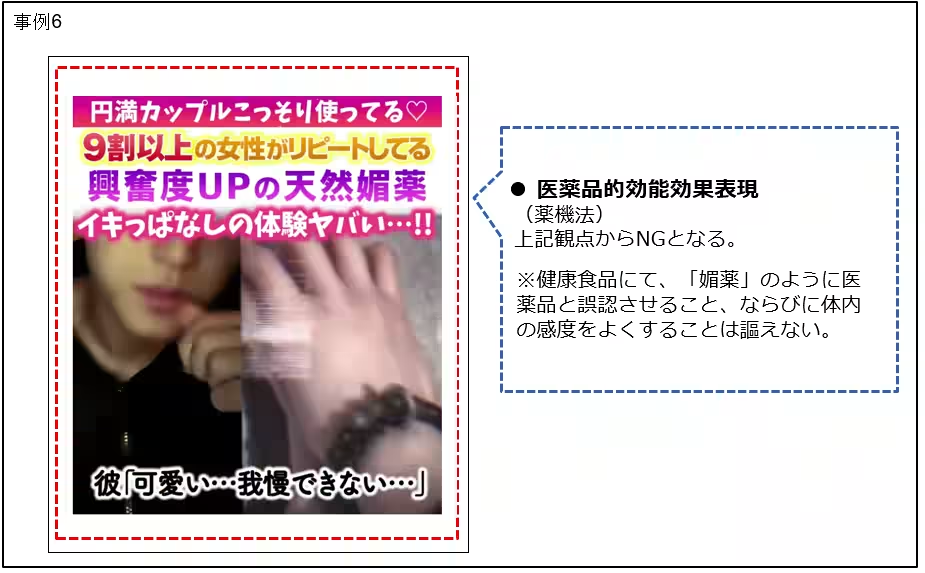
3. Effects on Male Functionality: Similar violations regarding expressions that imply enhanced male capabilities through product use propagate misleading narratives, e.g., “explosion of testosterone.” Such expressions starkly contrast the ethicality of advertising and can misguide consumers.
Breaching Functional Food Regulations
The study also uncovered violations within functional food products, indicating exaggerated claims that substantially depart from established mechanisms of action. Examples include:
- - Misleading assertions that imply dietary supplements can rectify vision issues without prescribed corrective lenses.
- - Claims surrounding “irrefutable fat loss without exercise or diet” further stretches legal bounds and consumer understanding.
Violations in Cosmetic Advertisements
Moreover, cosmetics have not escaped scrutiny. Definitions are often bent, including:
- - Claims that beautifying products can result in “permanent hair removal” or “revitalize skin health,” which exceed scientifically backed efficacy.
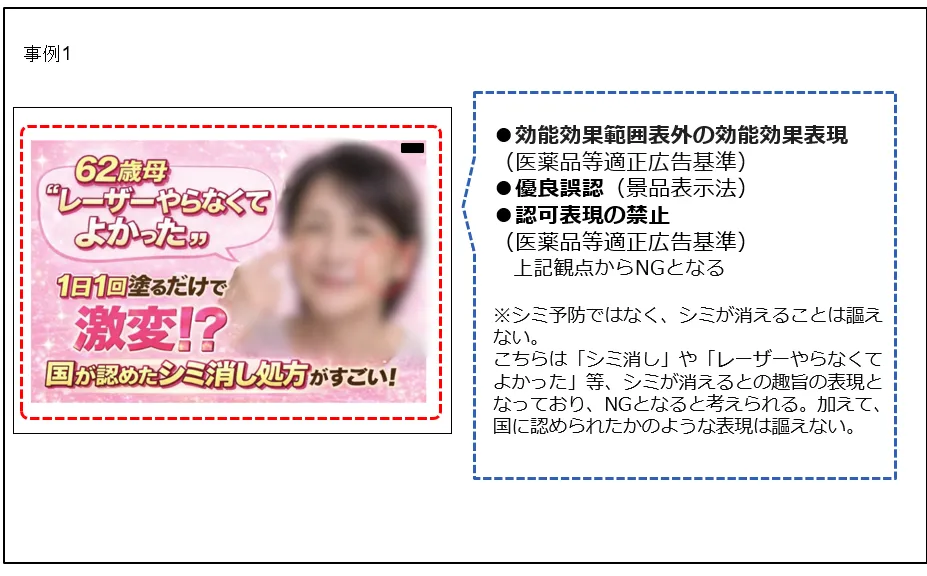
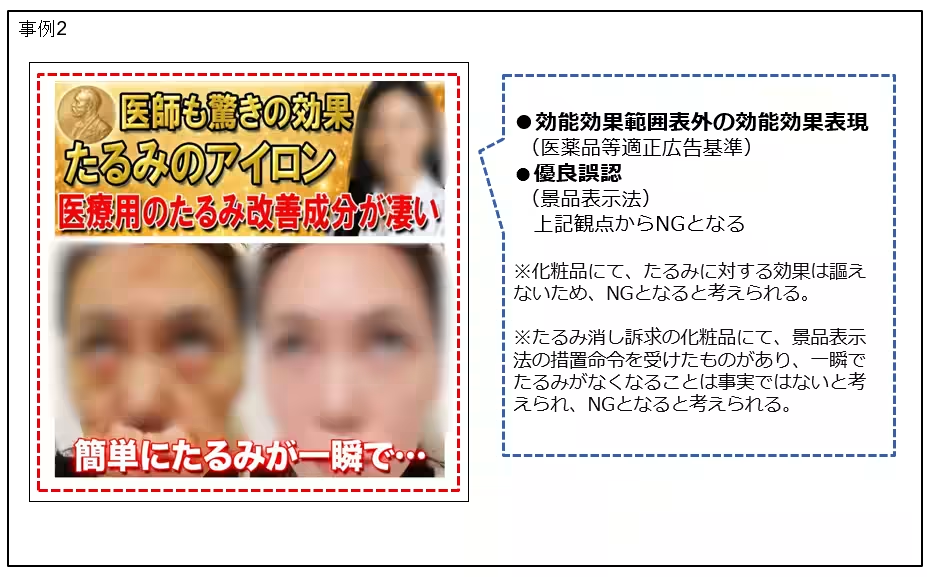
- - Misleading suggestions, such as “using this cream will effectively erase wrinkles in two weeks,” can mislead consumers into believing in unrealistically quick results from use.
Pharmaceutical Misrepresentation
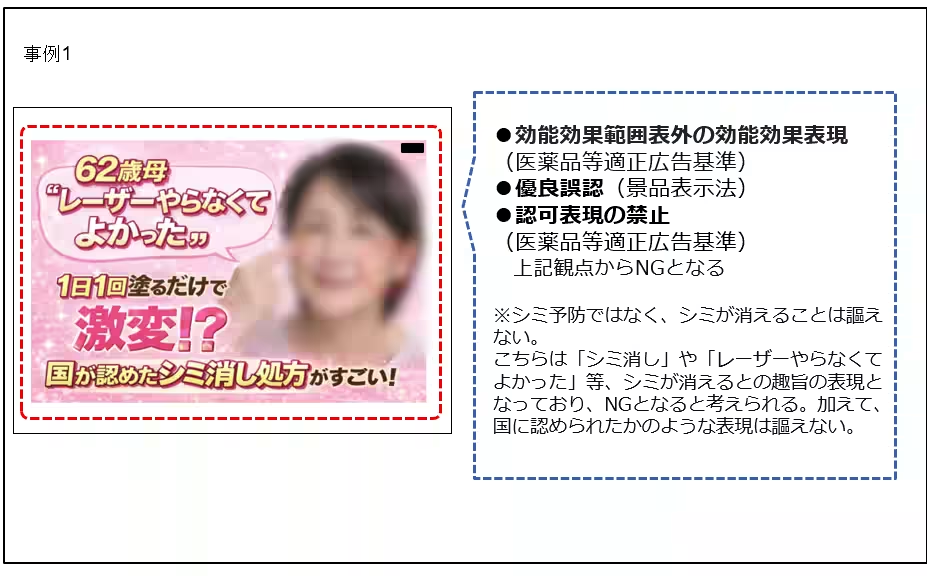
The most significant infractions are those involving pharmaceuticals, where products posited to relieve conditions could be misconstrued as effective disease treatments. For instance, advertisements suggesting that a product can “fully erase dark spots” on the skin distort the actual purpose of such medications.
Consumer Misinterpretations
These problematic expressions can lead to serious consumer misunderstandings. Regulatory bodies emphasize the necessity of clear, verifiable claims designed to prevent health misconceptions. The phrases used in advertising should neither promise irreversible results nor imply incorrect relationships between product and performance.
Ongoing Improvements and Future Checks
It is noteworthy that some companies have addressed these identified concerns since previous studies. REGAL CORE continues to evolve its auditing methods, ensuring vigilance and regulatory compliance across advertising expressions. The commitment to regularly assess and adapt the investigative process underscores the company’s dedication to consumer protection and accurate reporting.
This investigation serves as a critical reminder of the need for truthfulness in advertising and encourages ongoing dialogue about ethical marketing practices, particularly within health-related sectors. Regular updates will be provided as the situation develops.
Topics Consumer Products & Retail)
【About Using Articles】
You can freely use the title and article content by linking to the page where the article is posted.
※ Images cannot be used.
【About Links】
Links are free to use.