



2026 Summer Bonus Survey Reveals a Mixed Outlook Amid Rising Living Costs
Overview of the 2026 Summer Bonus Survey
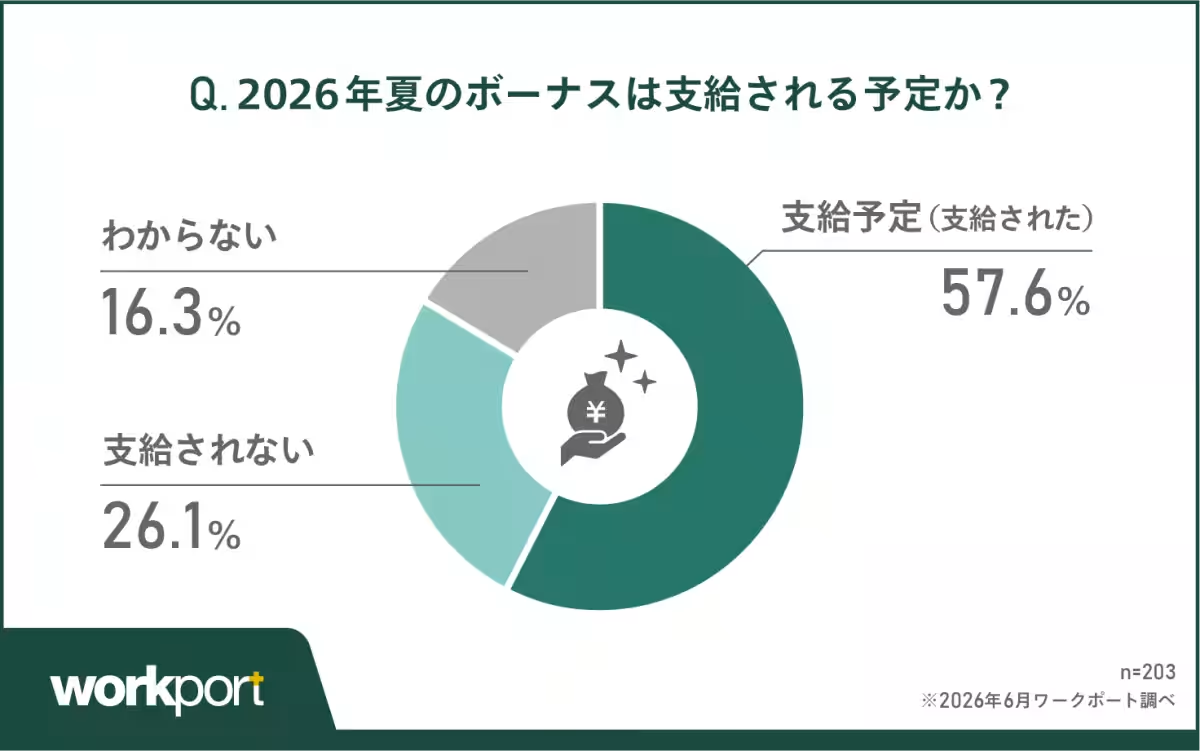
In a recent survey conducted by Workport, a company specializing in recruitment services, insights into the expected bonus distributions for summer 2026 were revealed. The survey included 203 business professionals aged between their 20s and 40s from various sectors across Japan. As the economy grapples with ongoing rises in living costs, this survey aims to uncover how these factors will impact bonus expectations and spending habits.
Key Takeaways
- - Bonus Distribution: While over half (57.6%) of the respondents expect to receive bonuses this summer, nearly 60% predict no increase compared to the previous year.
- - Shifting Consumer Mindset: More than 70% of participants indicated a shift towards more cautious spending behavior due to rising prices, with 0% reporting an increase in consumer enthusiasm.
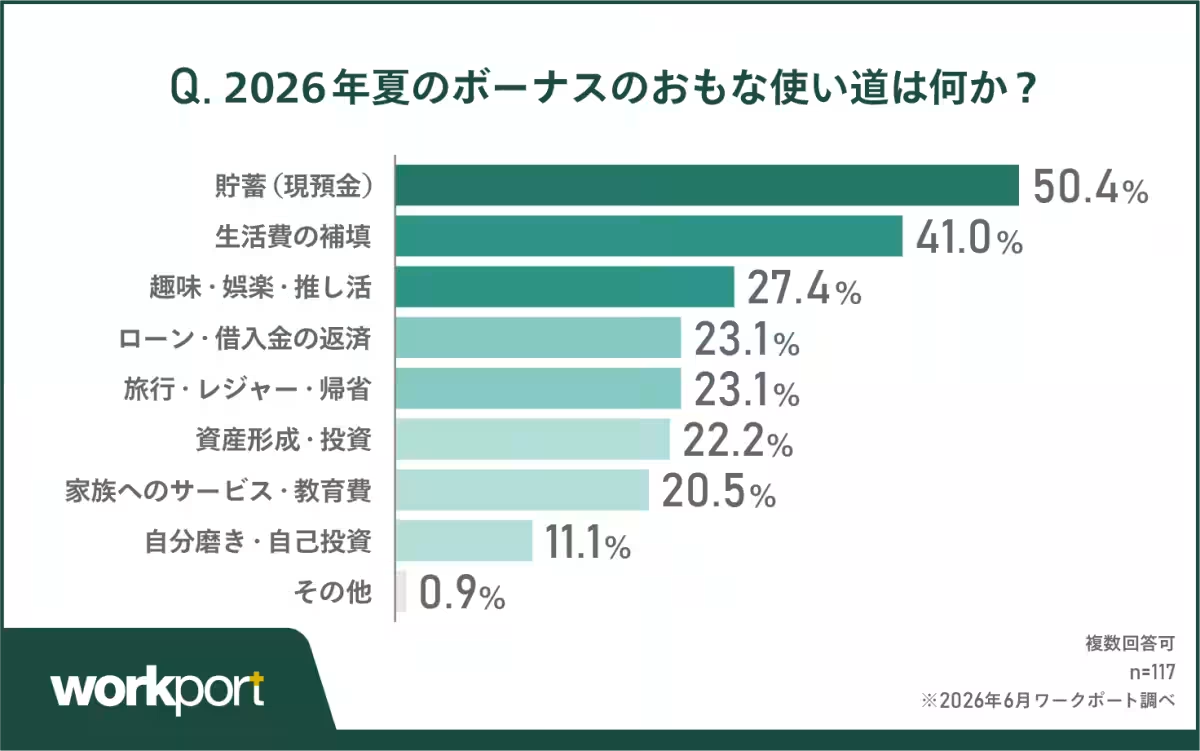
- - Use of Bonus: A significant number, over 50%, plan to use their bonuses for savings, with more than 40% indicating they will supplement their living expenses.
Bonus Expectations
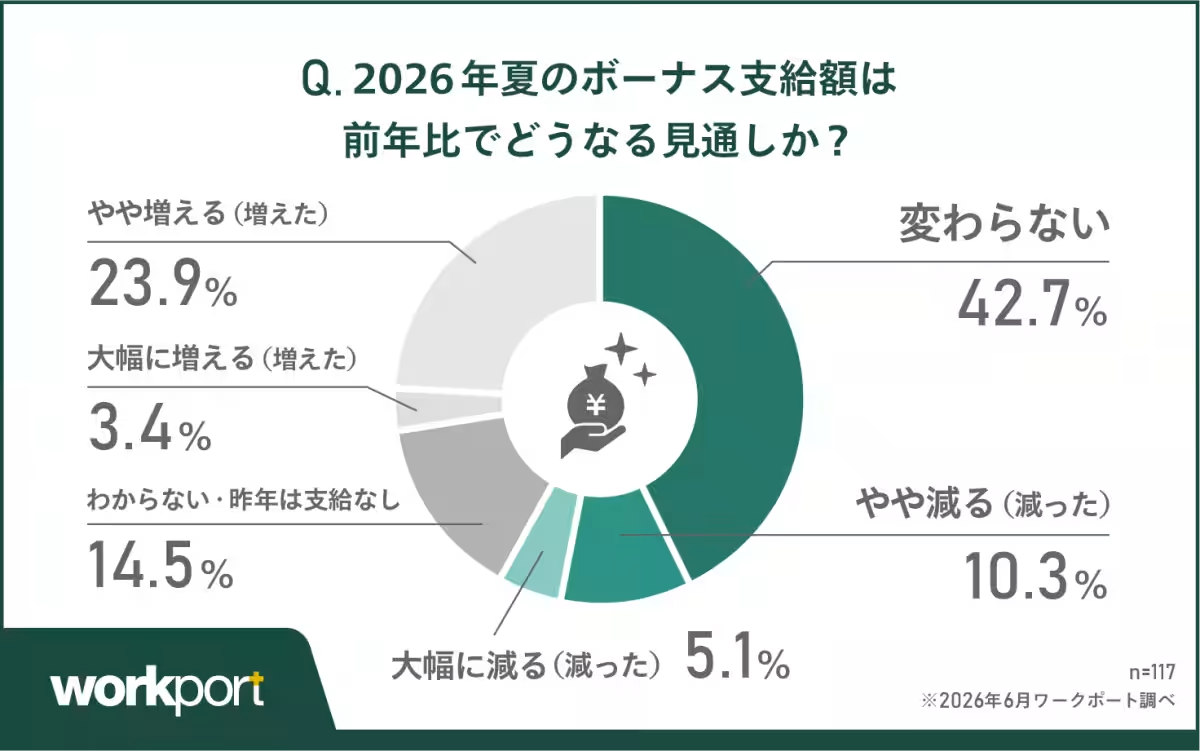
The survey findings showed that of those expecting bonuses, a mere 27.3% anticipate an increase from the previous year. Instead, 42.7% forecast that their bonuses will remain the same, while around 15.4% expect a decrease. This indicates a stark contrast to the anticipated increase in salaries that is gaining attention in various media outlets.
Financial Realities
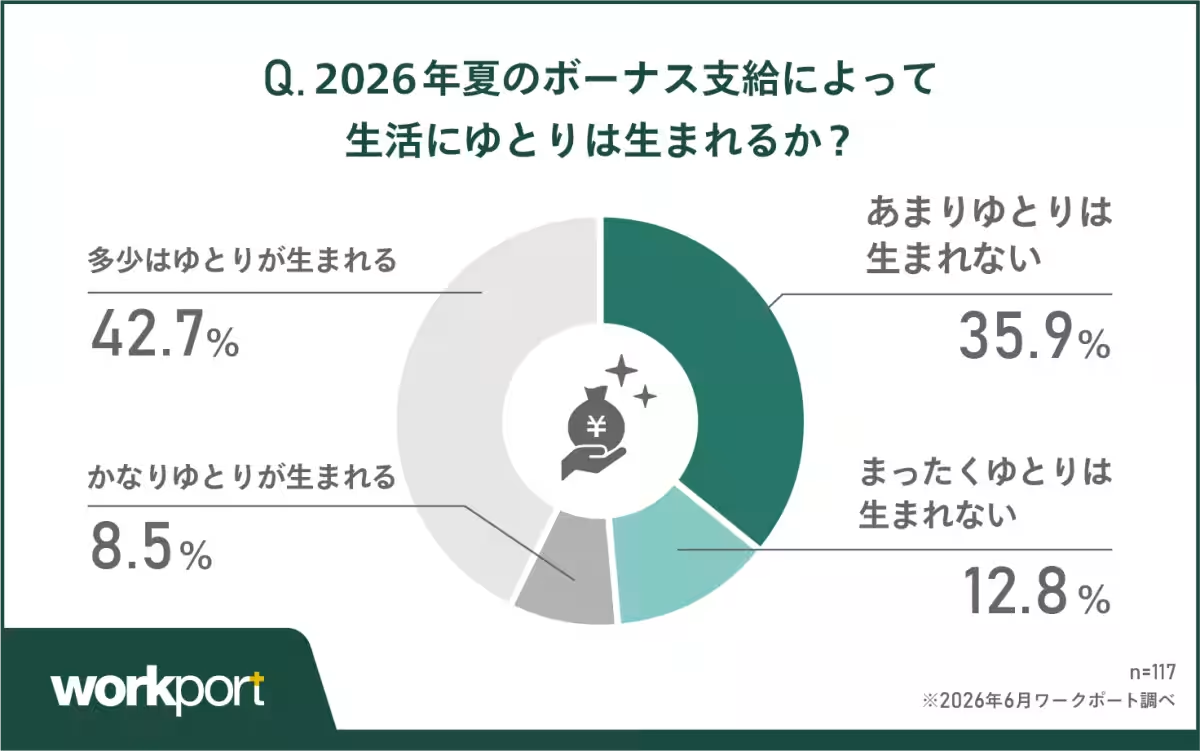
When asked if the summer bonus would provide additional financial flexibility, nearly half (48.7%) expressed that they do not expect extra leeway in their living situations even with the bonus. This highlights a prevailing sentiment of financial strain among many respondents.
Bonus Spending Plans
The study revealed a pragmatic approach to spending bonuses this summer. Approximately 50.4% indicated they would allocate their bonuses towards savings. This inclination shows a cautious approach to managing finances amid inflation, with 41% intending to use their bonuses to cover everyday living costs, such as food and utilities. However, a notable 27.4% still plan to indulge in hobbies and entertainment, demonstrating that there remains some room for personal enjoyment alongside prudent financial decisions.
Impact of Inflation
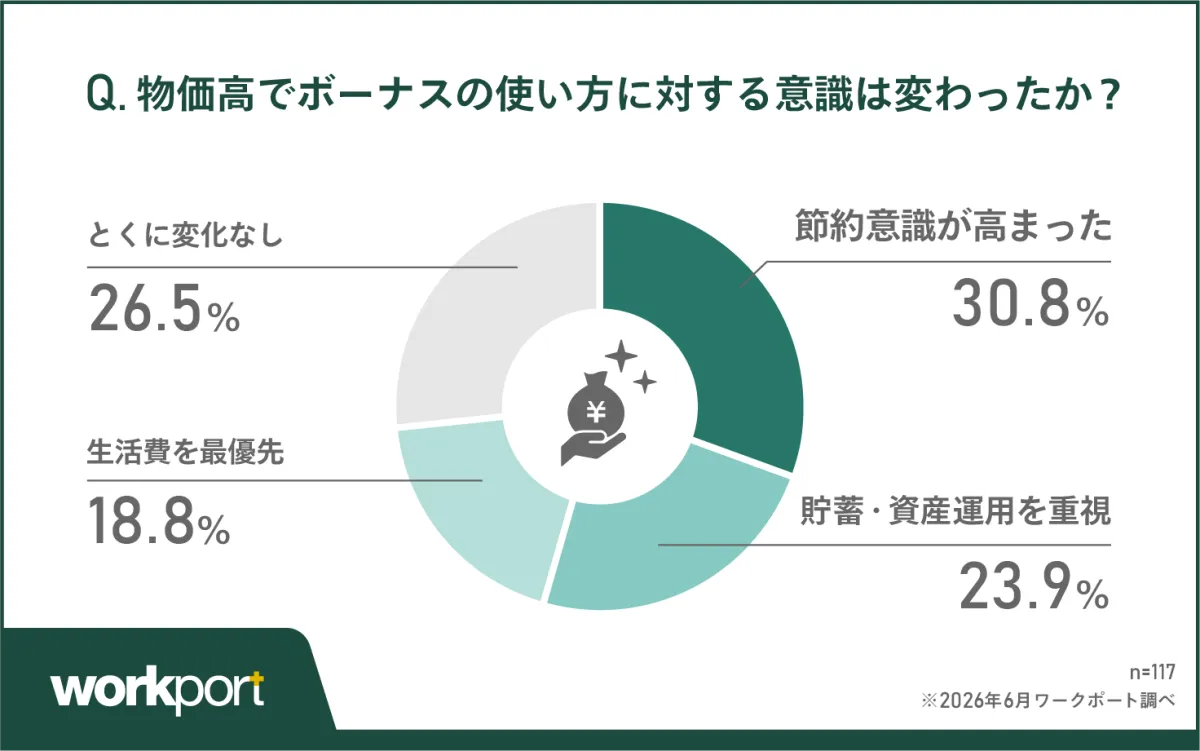
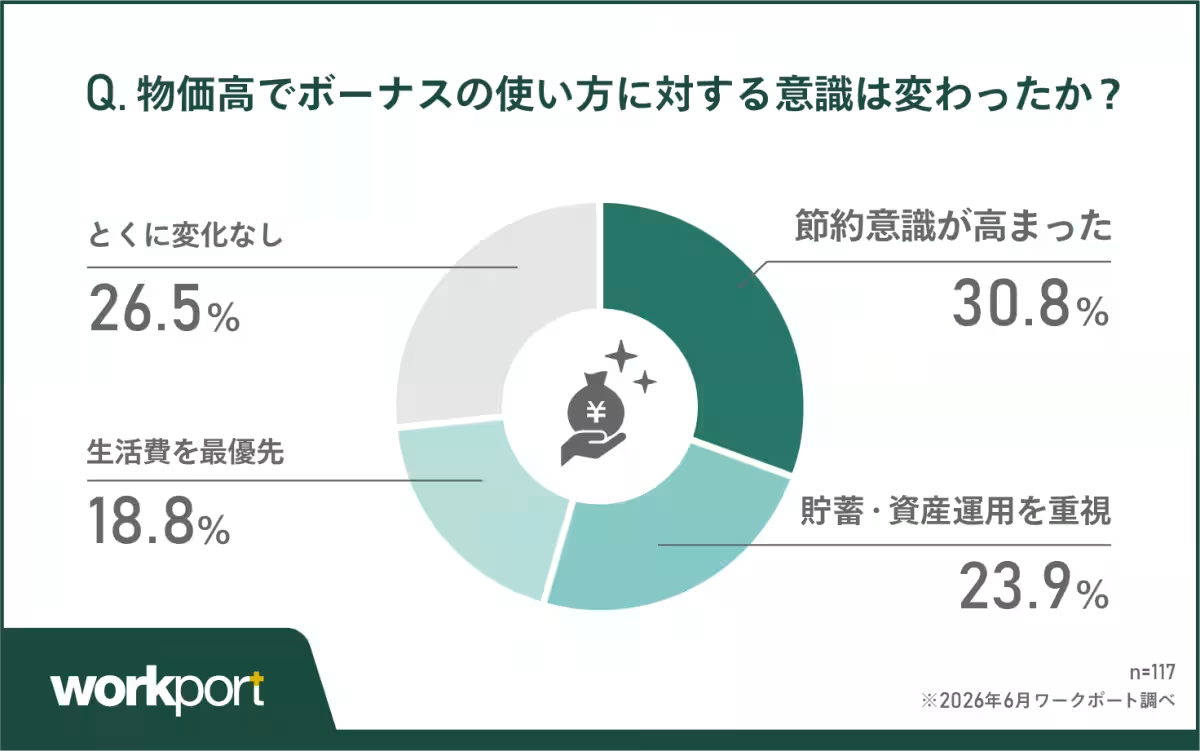
The effects of rising prices on consumer behavior are evident. When questioned about changes in spending habits attributed to inflation, the most common response (30.8%) was a newfound focus on saving. Combined with other responses prioritizing savings and essential expenses, over 73.5% of respondents expressed that they feel an increasing need to safeguard their finances.
Genuine Concerns and Intentions
Interestingly, while many articulated concerns over inflated costs affecting future spending—like vacations and dining out—a similar number of people also expressed desires for
Topics General Business)
【About Using Articles】
You can freely use the title and article content by linking to the page where the article is posted.
※ Images cannot be used.
【About Links】
Links are free to use.