



Walking Ability and Fall Risk in Multiple Age Groups: A Study on Disaster Preparedness
Understanding Your Walking Ability: A Crucial Factor in Disaster Preparedness
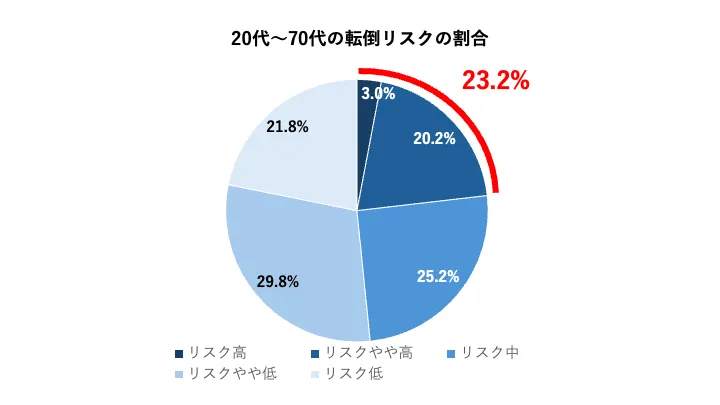
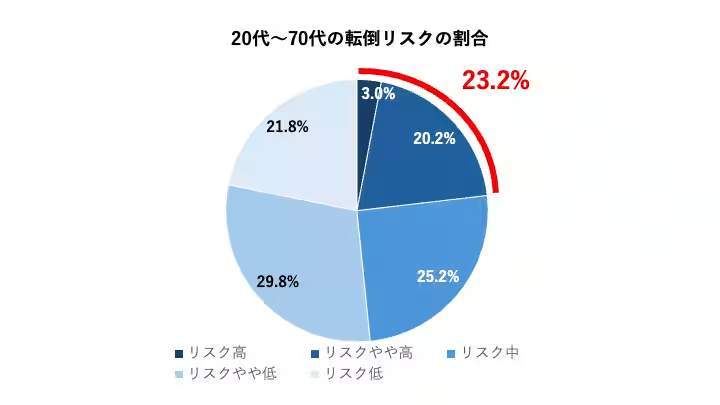
On September 1st, coinciding with Japan's Disaster Prevention Day, Sapeet Corporation released findings from a groundbreaking analysis covering the walking abilities of 1,588 individuals aged 20 to 70. The study notably found that 23.2% of participants exhibited a high or relatively high risk of falling, emphasizing that walking strength is a vital factor in emergency preparedness.
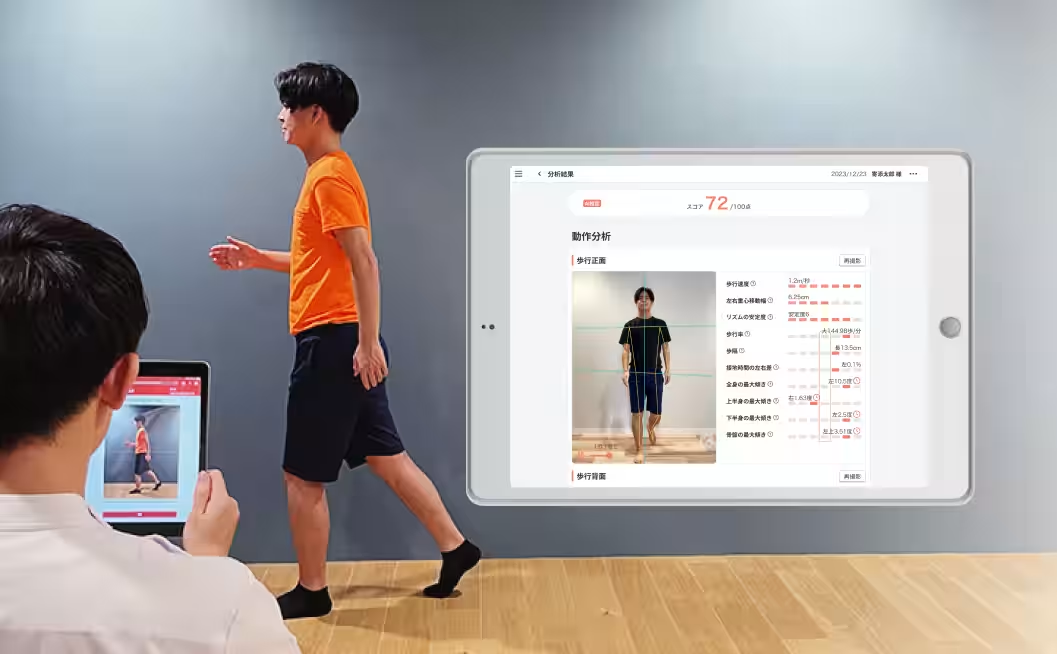
The analysis was powered by the AI-based system 'Karte Shisei Karute,' which has conducted over two million posture assessments. Unlike traditional disaster preparation efforts, which focus on essentials such as water, food, and emergency supplies, this study encourages a perspective that equally values individuals' physical capabilities to move to safety during a disaster.
Key Findings from the Study
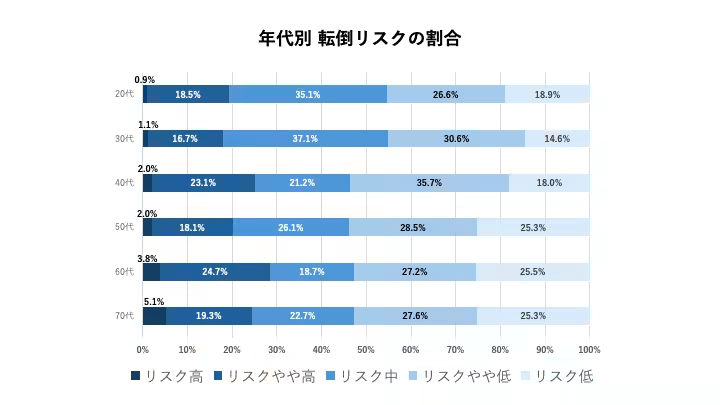
- - Fall Risk: The overall percentage of individuals with a high or relative risk of falling stood at 23.2%. Alarmingly, this included nearly 20% of participants in their 20s, indicating that fall risk is a concern across all age groups. The risk increased substantially with age, from 0.9% in the 20s to 5.1% in the 70s, representing a striking 5.7-fold increase.
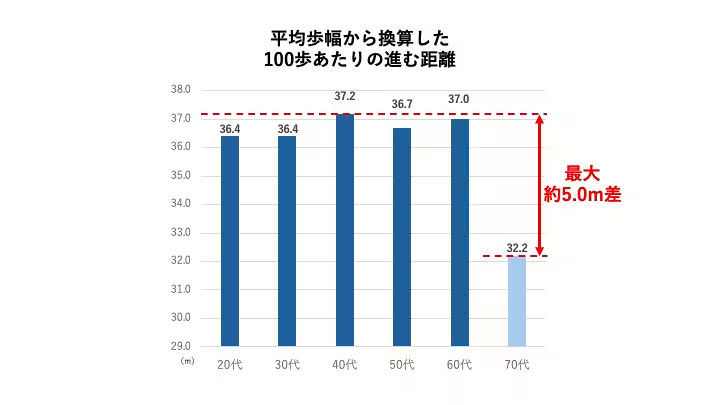
- - Average Walking Stride: Participants in their 20s to 60s had an average stride length ranging from 36 to 37 cm; however, individuals in their 70s had a significantly shorter average of 32.2 cm, which affects the distance covered in a set number of steps. This implies that those in their 70s cover nearly five meters less than younger counterparts in a sequence of 100 steps.
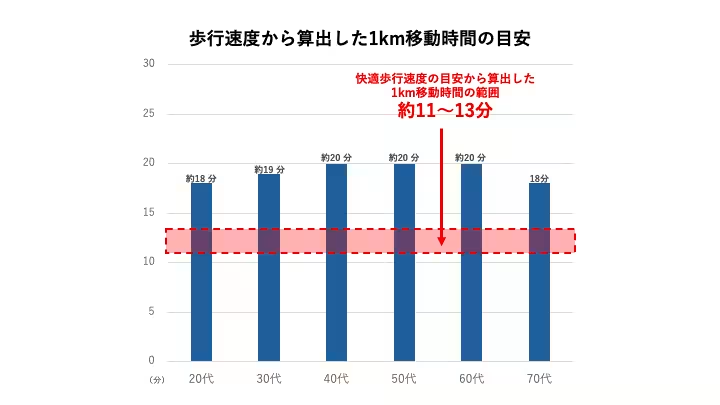
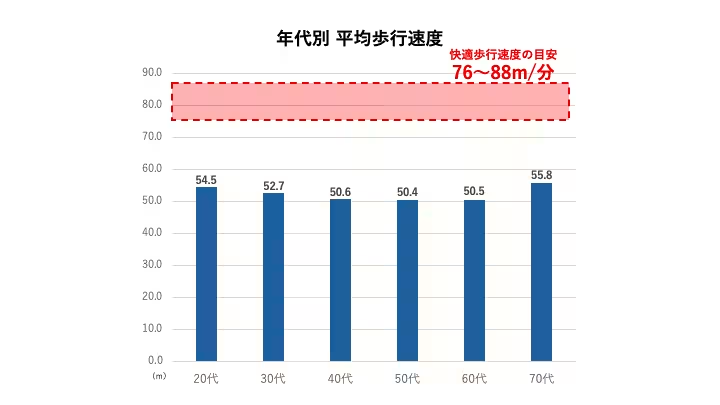
- - Average Walking Speed: Across all age groups, average walking speed ranged from approximately 50 to 56 m/min, falling below the comfortable walking speed of 76 to 88 m/min recommended for healthy adults. This decline in speed suggests a potential concern for mobility during emergencies, with slower speeds translating to longer evacuation times.
These figures highlight the multifaceted nature of walking ability, as it is influenced by various factors, including individual health and physical condition. Moreover, understanding one's own walking ability can be imperative for making informed decisions in emergency scenarios.
Insights from a Professional
Commenting on the findings, rehabilitation specialist Fumina Sugiyama from Sapeet remarked, "Walking is not solely dependent on the strength of one's legs; it requires a synergy of joint motion, balance, and the body's center of gravity. Everyone has unique walking patterns that can go unnoticed but significantly impact performance. During emergencies like earthquakes or floods, irregular surfaces and hazards may challenge an individual's balance and stability, making it essential to assess how long it takes to reach a safe location."
The study underscores the notion that disaster preparedness goes beyond stocking supplies; it must include physical fitness. Being aware of one's walking ability allows individuals to gauge how effectively they can navigate in emergencies. The collaborative effort of AI specialists and physical therapists in developing the 'Karte Shisei Karute' system is indicative of advancing technology's potential in supporting health and preparedness.
Conclusion
This Disaster Prevention Day, Sapeet encourages everyone to consider not just the physical items needed in emergencies but also how prepared one's own body is for movement. Awareness of one’s walking strength can aid in personal health improvement and ultimately leads to enhanced safety in emergencies. For more information about the assessments available through Sapeet’s AI technology and how to improve your walking ability, individuals are invited to engage with their platform. Stay informed, stay safe, and remember that your body is a key asset in disaster preparedness.
Topics Health)




【About Using Articles】
You can freely use the title and article content by linking to the page where the article is posted.
※ Images cannot be used.
【About Links】
Links are free to use.