



Understanding Axillary Odor Surgery: Insights from 300 Patients on Treatment Experiences and Options
Understanding Axillary Odor Surgery
Axillary odor or hyperhidrosis is a condition that can cause significant distress for those affected, with around 10-15% of Japanese individuals experiencing this issue. A recent study conducted on 300 individuals aged 20 to 60 who have undergone surgery for this condition showcased remarkable results, demonstrating how surgical options can effectively transform lives.
Key Findings from the Study
According to the survey:
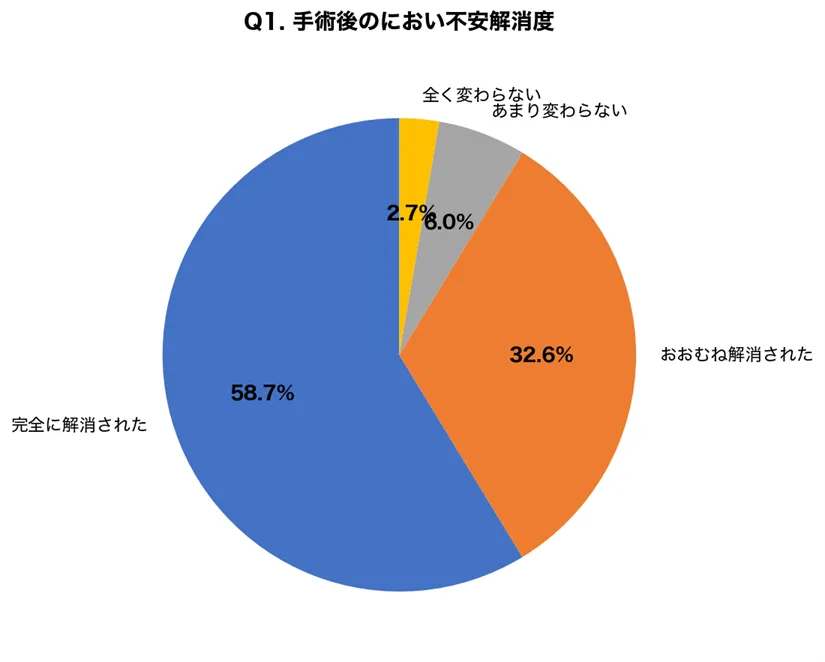
- - 91.3% of participants reported relief from anxiety about body odor post-surgery.
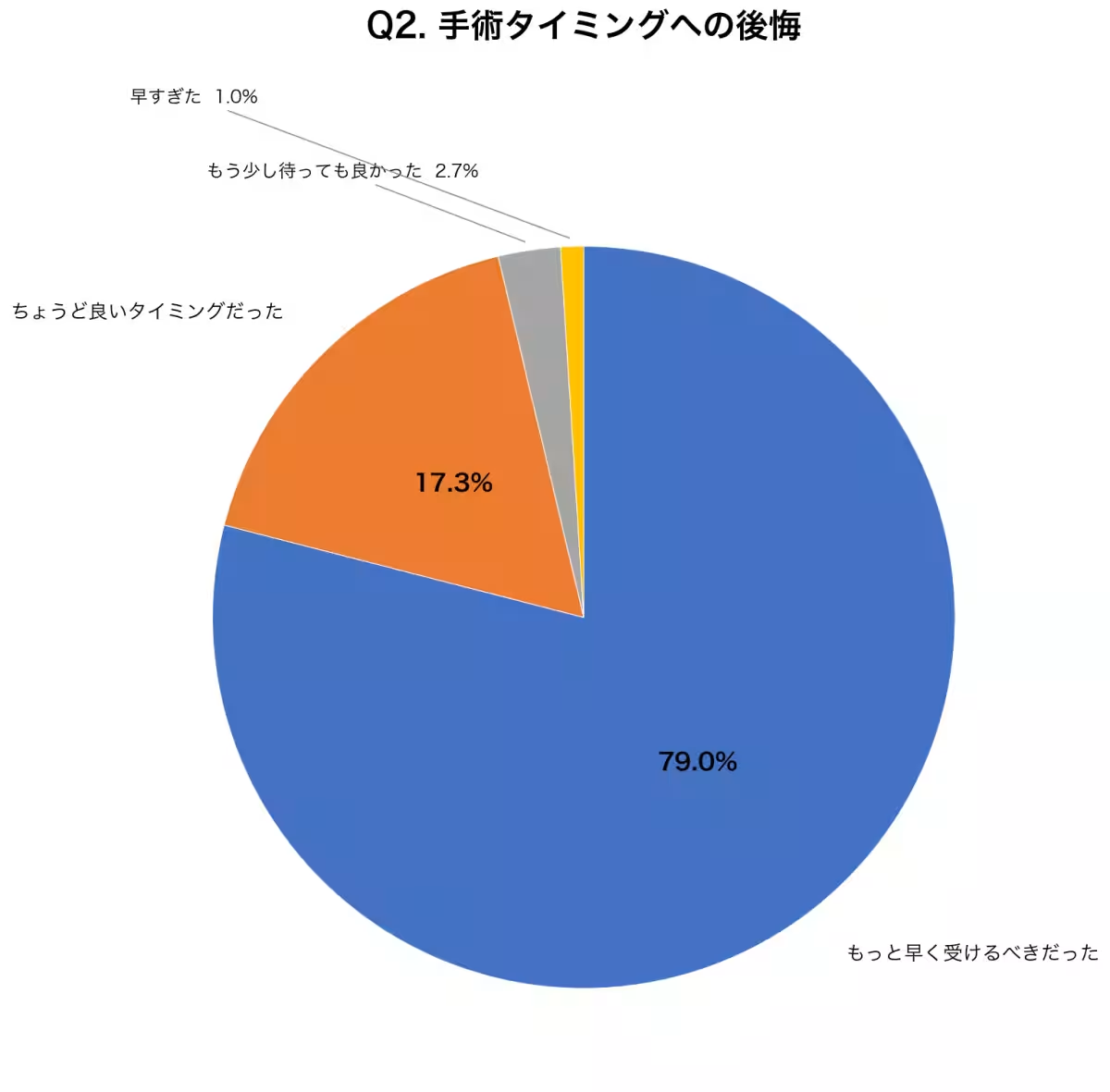
- - 79.0% wished they had undergone the surgery sooner, indicating a long-standing struggle with their condition.
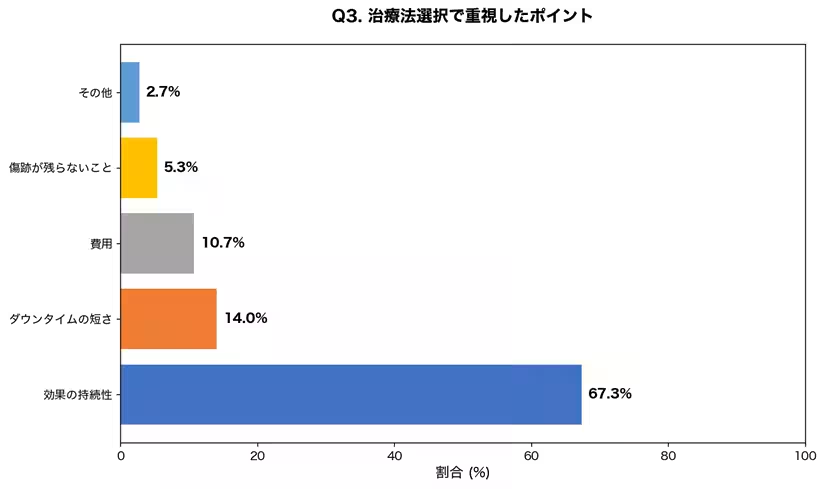
- - 67.3% prioritized the durability of results when choosing a treatment.
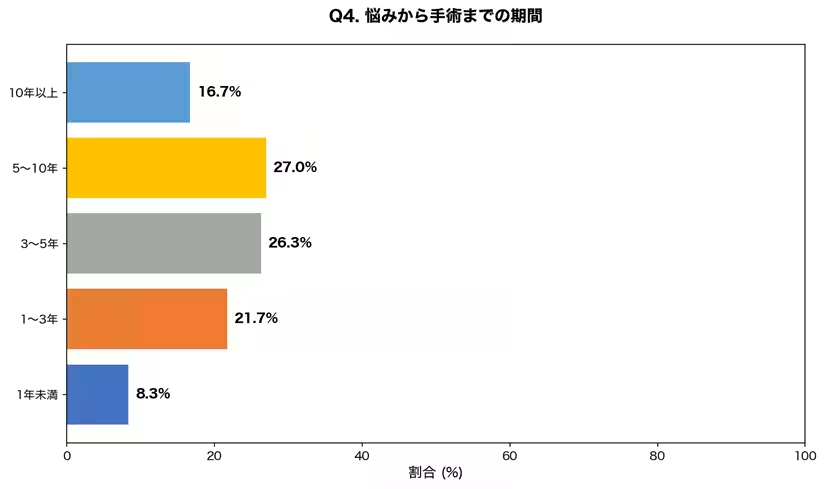
- - Most participants, 43.7%, had dealt with body odor for more than five years before opting for surgery.
Treatment Options: Excision Method vs. Miradry
The study highlighted two principal surgical approaches: the Excision Method (Senjohou) and Miradry. Both offer unique benefits depending on patient needs:
- - Excision Method (Senjohou): This traditional approach involves a small surgical incision (3-4 cm) to directly remove apocrine sweat glands. It's generally covered by insurance, costing approximately 40,000 to 50,000 yen with a three-part burden.
- - Miradry: This non-invasive method uses microwave technology to destroy sweat glands with minimal downtime, allowing for a return to daily activities within 2-3 days. However, this method typically costs between 300,000 and 400,000 yen as it is considered a private procedure.
Here's a concise comparison between the two methods:
| Feature | Excision Method | Miradry |
|---|---|---|
| - | ---- | -- |
| Insurance Coverage | Yes | No |
| Estimated Cost | 40,000 - 50,000 yen | 300,000 - 400,000 yen |
| Sweat Gland Removal Rate | Over 90% | 70-80% |
| Downtime | 2-3 weeks | 2-3 days |
| Scarring | 3-4 cm incision | None |
| Treatment Duration | 1.5-2 hours | About 1 hour |
| Follow-Up Visits | 3-5 | 1-2 |
| Recurrence Risk | Low | Slightly Higher |
Statistics are based on more than 2,000 surgical cases from a specialized clinic.
Patient Experiences and Insights
The findings underscored the emotional and psychological impact of axillary odor:
- - The Importance of Early Consultation: Many patients expressed a desire for earlier intervention, as chronic odor issues can severely affect one’s quality of life and relationships.
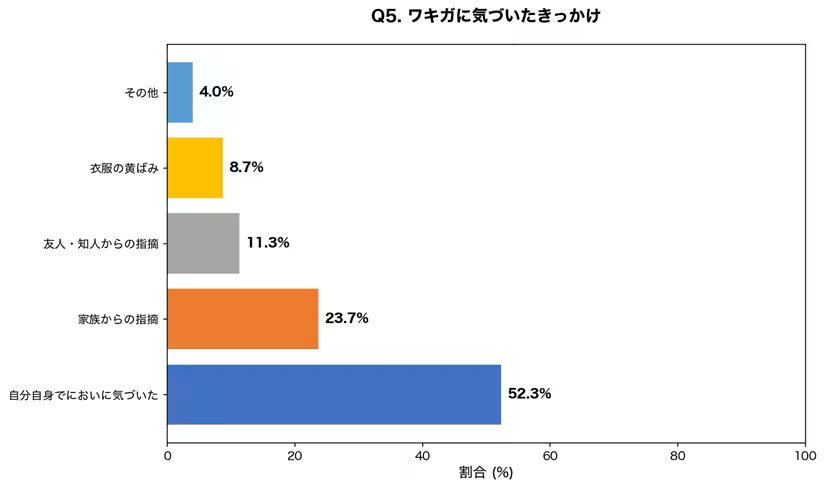
- - Self-Recognition is Key: Over half of the participants first noticed their odor issues themselves, highlighting the necessity of self-awareness in seeking help.
- - Professional Evaluation: Consulting medical professionals promptly when concerns arise—especially if self-care methods like antiperspirants are ineffective—can lead to better patient outcomes.
The survey emphasizes the need for awareness regarding this condition. The psychological toll it exerts, including social anxiety and decreased quality of life, necessitates clear communication about available treatments and their efficacy.
The Medical Perspective
Dr. Kota Takakuwa, who supervised the clinic's study, shared his insights on the nature of axillary odor and the potential for surgical improvement.
Topics Health)



【About Using Articles】
You can freely use the title and article content by linking to the page where the article is posted.
※ Images cannot be used.
【About Links】
Links are free to use.