



The Impact of Generative AI on Productivity for IT Engineers: Findings from Paiza's Survey
The Impact of Generative AI on IT Engineering Productivity
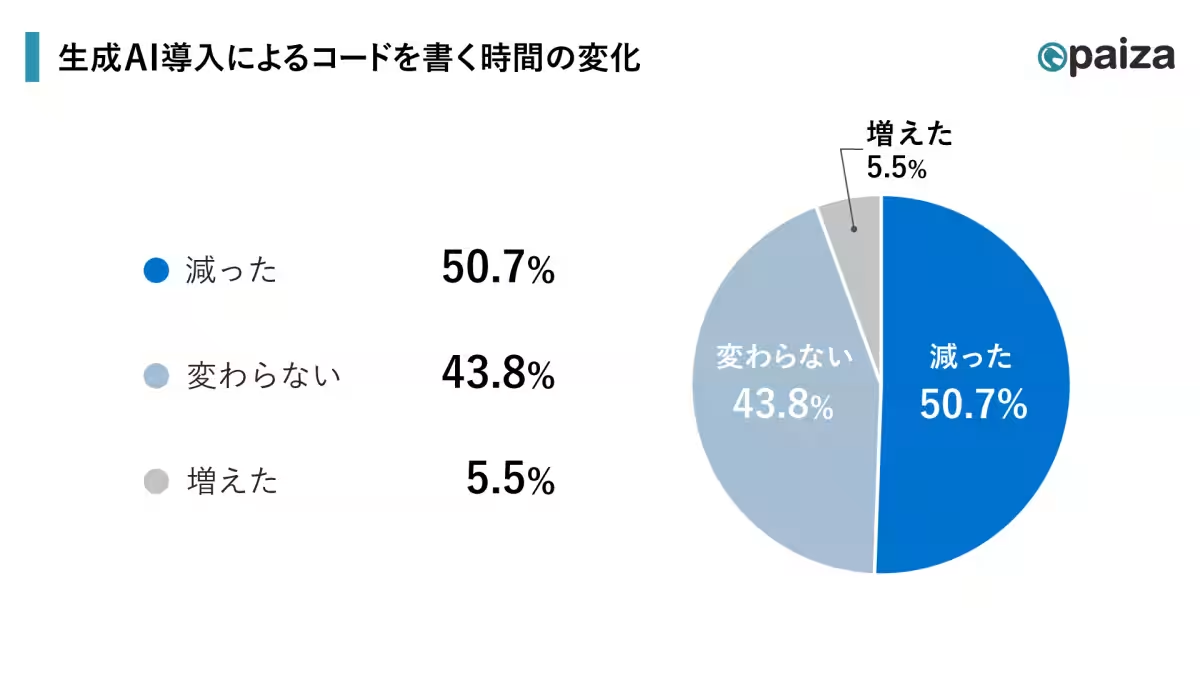
In a rapidly evolving technological landscape, generative AI is making waves, particularly among IT engineers. A recent survey conducted by Paiza, a platform specializing in job placement and learning for IT professionals, sheds light on the effectiveness of these tools in enhancing productivity. With results indicating that 50.7% of IT engineers reported a reduction in their weekly coding hours due to generative AI, this raises important questions about the changing nature of software development and the skills of engineers.
Key Survey Findings
1. Reduction in Coding Time
The survey revealed that more than half of the IT engineers (50.7%) felt that using generative AI tools allowed them to save, on average, around eight hours of coding time per week. This finding indicates not just efficiency in routine tasks, but also an opportunity for engineers to dedicate more time to creative and design-focused aspects of their projects. However, nearly 40% of respondents claimed their coding time remained unchanged, suggesting challenges in learning to navigate these tools effectively.
2. Variability in Reading Code Time
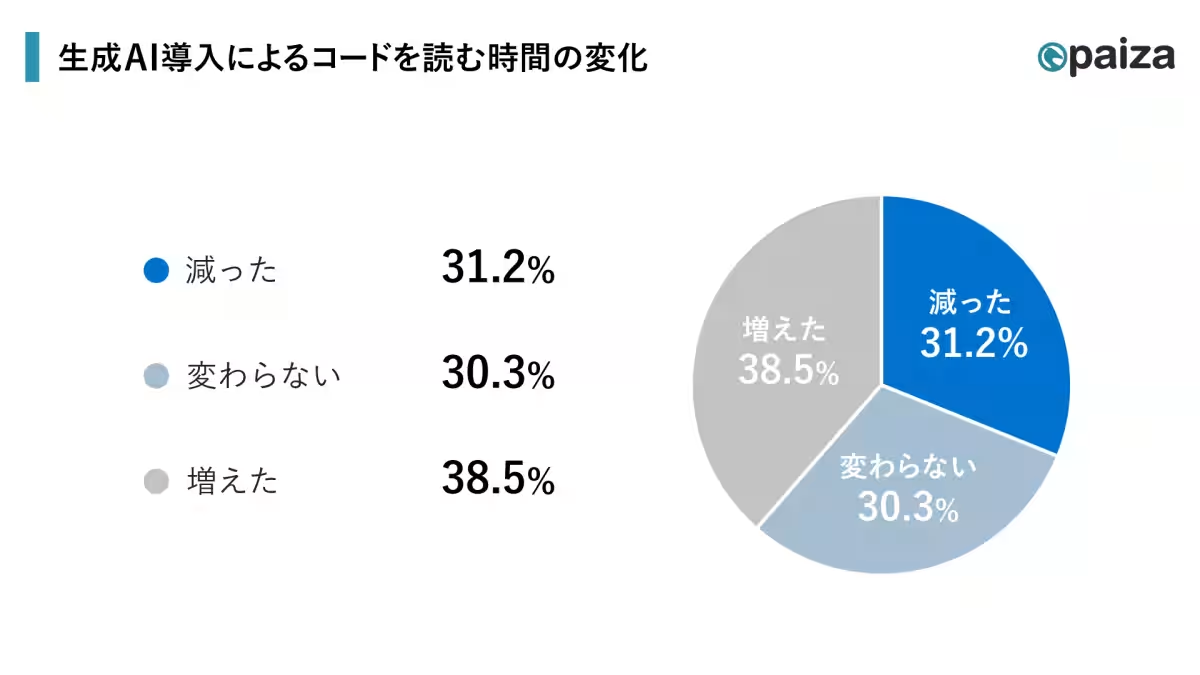
Interestingly, the changes in time spent reading code varied widely among engineers. Some experienced an increase in their reading time as they needed to verify the accuracy of AI-generated code, while others found that features like summarization and comments reduced the time they spent on this task. This highlights the diverse impact of generative AI, which can differ based on individual skills and the specifics of their work.
3. Dependence on Generative AI
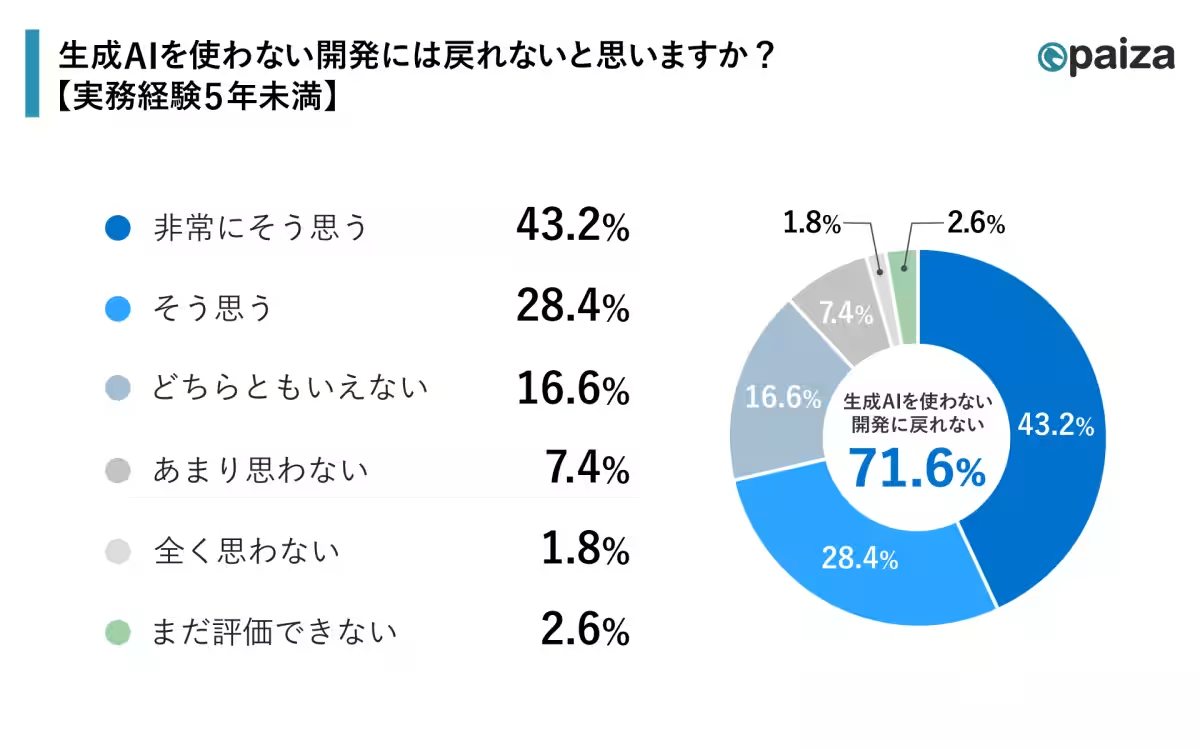
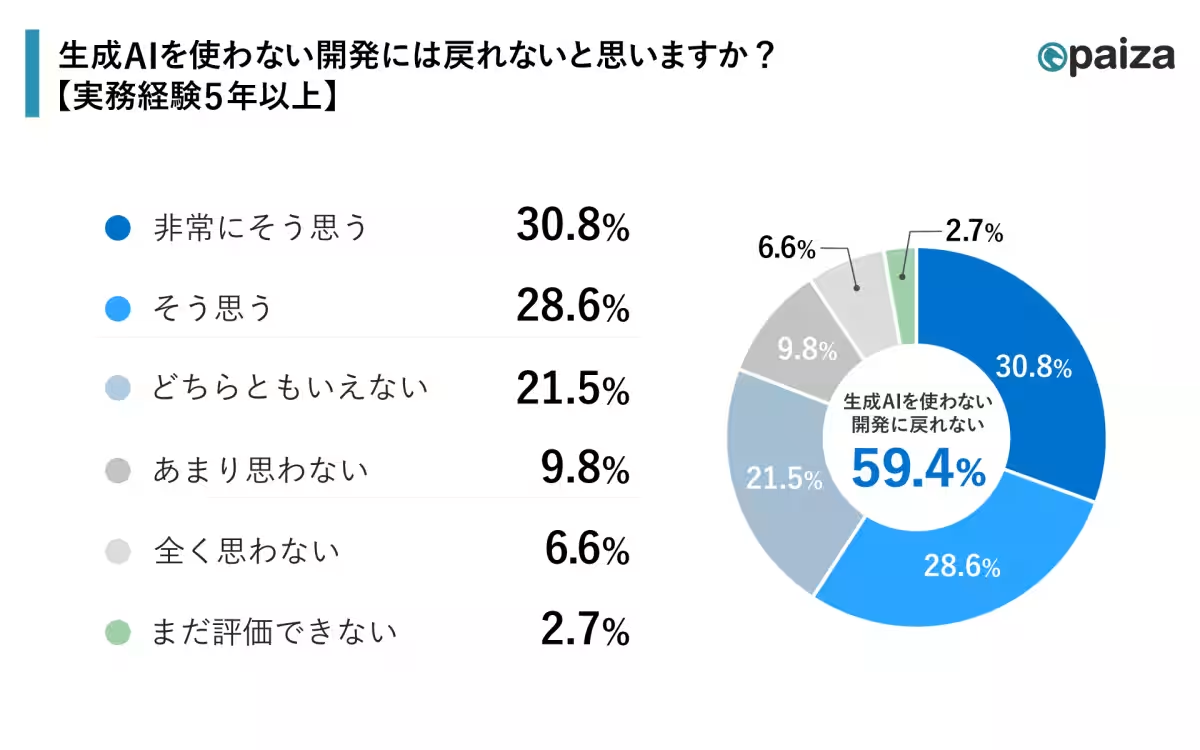
Another notable insight from the survey is the disparity in dependency on generative AI based on years of experience. Among engineers with less than five years of practical experience, a significant 71.6% expressed they could not imagine returning to development without using generative AI. In contrast, those with over five years of experience showed lower dependence, with only 59.4% feeling similarly.
4. Use Cases of Generative AI
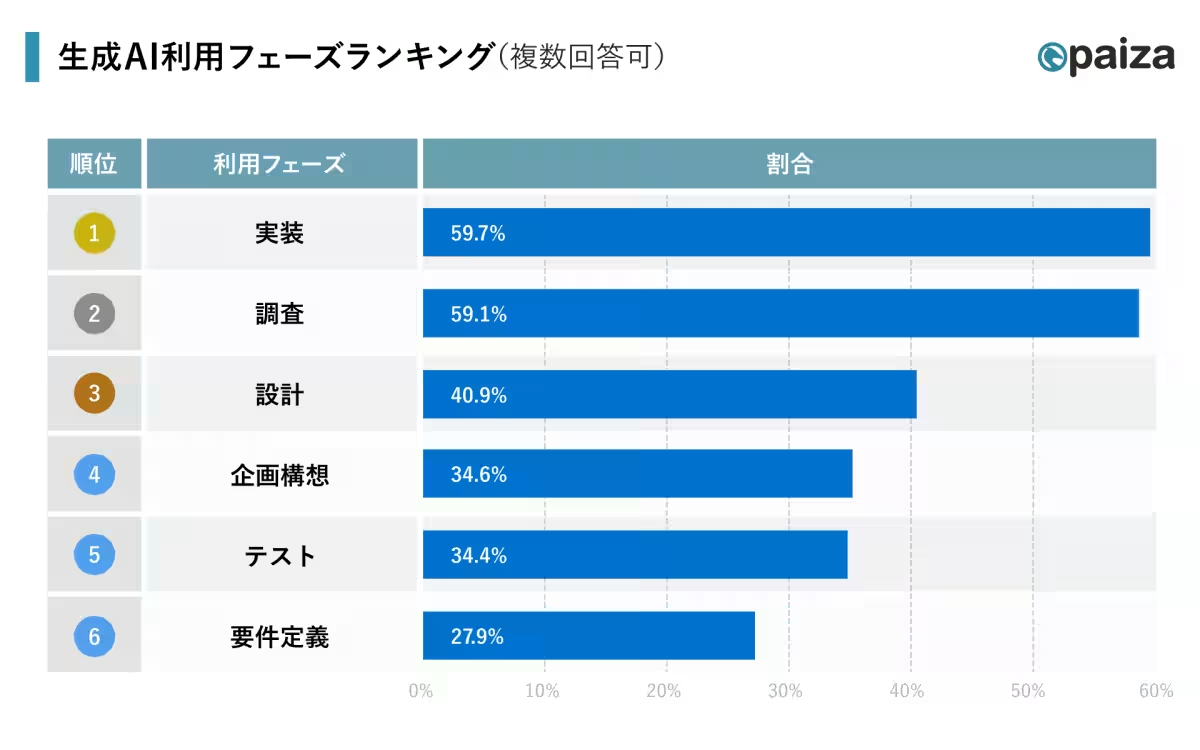
The survey also identified the implementation phase as the primary area of generative AI application. In the past, developing software involved manually searching for and modifying existing code; now, generative AI assists by automatically producing code or suggesting snippets, creating a more efficient workflow. This has evidently confirmed AI's role as a catalyst and assistant in engineers' tasks.
5. Preferred Generative AI Tools
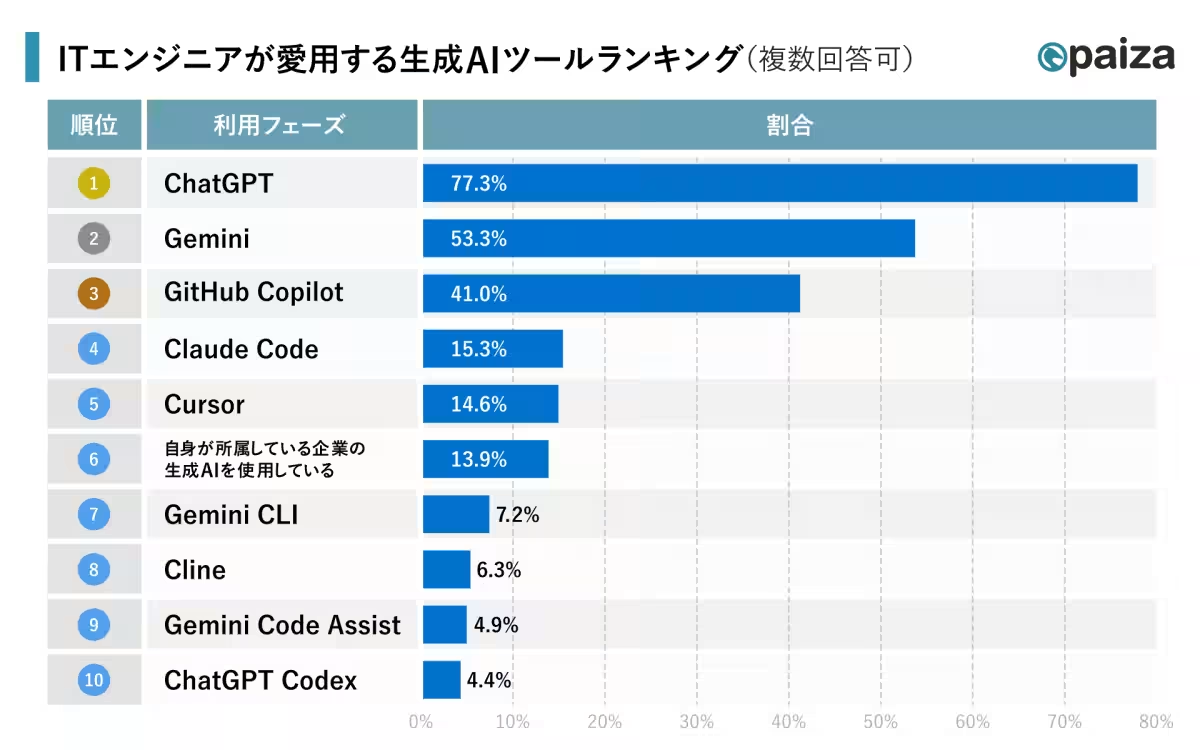
When it comes to tool preferences, the survey found that ChatGPT topped the list, followed by Gemini and GitHub Copilot. This indicates that IT engineers are leveraging generative AI for a wide range of applications beyond just code generation, which reflects creativity and innovation in their processes.
Statements from Leadership
Ryohei Katayama, CEO of Paiza, noted that the integration of generative AI and various tools can profoundly affect productivity, contingent on the work environment of the engineers. He reiterated that while AI offers substantial support, individuals must continue to develop their own skills. The findings suggest a vital need for engineers to balance their reliance on AI and personal skill advancement, embracing continuous learning to shape their careers proactively.
Paiza is dedicated to fostering a unique platform that encourages growth for both individuals and companies. The commitment to supporting IT personnel and enhancing their skills remains at the core of Paiza's mission.
Conclusion
The survey underscores the already transformative impact of generative AI tools on IT engineering. The mixed responses regarding coding and reading time suggest that while significant efficiencies are possible, effective integration and skill development are critical. As the role of AI continues to expand in software development, both emerging and seasoned engineers must embrace these tools while maintaining a focus on their professional growth and skill enhancement.
About Paiza
Founded in 2012, Paiza is a transformative job placement and learning platform that empowers IT engineers through unique services, such as the paiza skill check. With an impressive cohort of over 920,000 registered users and partnerships with more than 4,800 companies, Paiza is instrumental in bridging the gap between talent and job opportunities in the IT field.
More information can be found at Paiza's website.
Topics Business Technology)
【About Using Articles】
You can freely use the title and article content by linking to the page where the article is posted.
※ Images cannot be used.
【About Links】
Links are free to use.