



Cooperative Efforts Reach 75% of Municipalities in Japan with Safety Agreements
Japan's Community Safety Agreements: A Comprehensive Overview
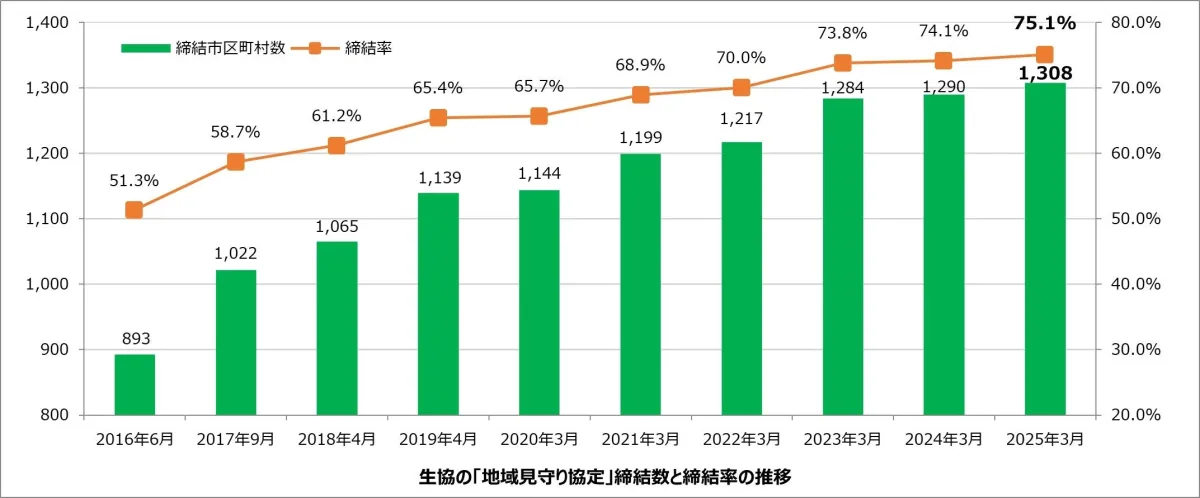
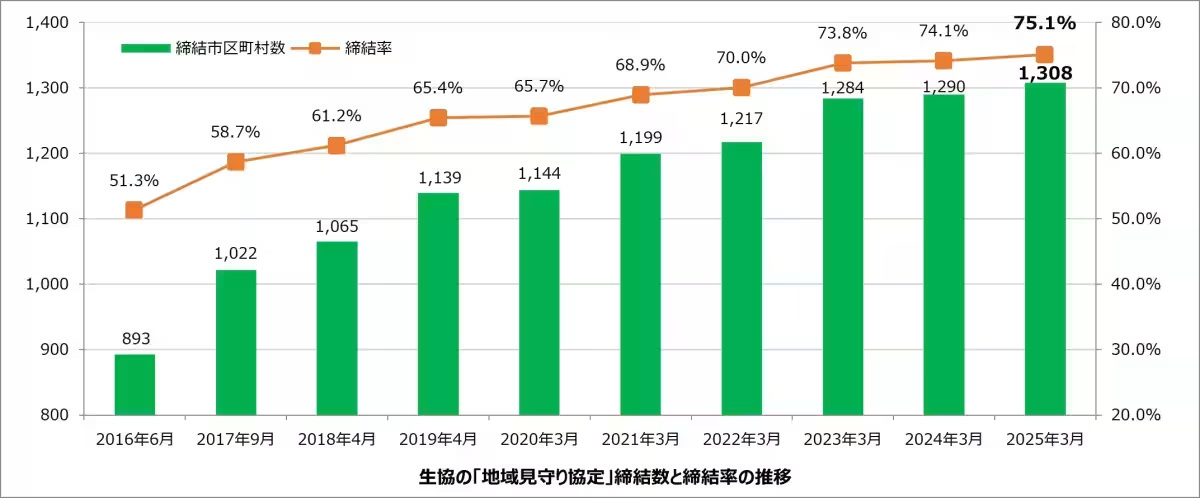
In a significant achievement for community well-being, the Japan Consumer Cooperative Union (Nichi Sei Kyoren), led by Chairman Toshio Tsuchiya, has reported that safety agreements with local governments have now been signed by more than 75% of municipalities across the country. As of March 2025, this innovative initiative, started in 2007, has reached a staggering 1,308 municipalities – representing 75.1% of all districts in Japan, totaling 1,741.
The Context of Community Safety Agreements
With Japan's population aging rapidly, the need for such agreements has never been more crucial. The Ministry of Health, Labour and Welfare has projected that by 2040, the number of elderly people suffering from dementia will exceed 5.8 million. Additionally, another 6.1 million will experience mild cognitive impairment (MCI), which can pose significant challenges for daily living despite not being classified as dementia.
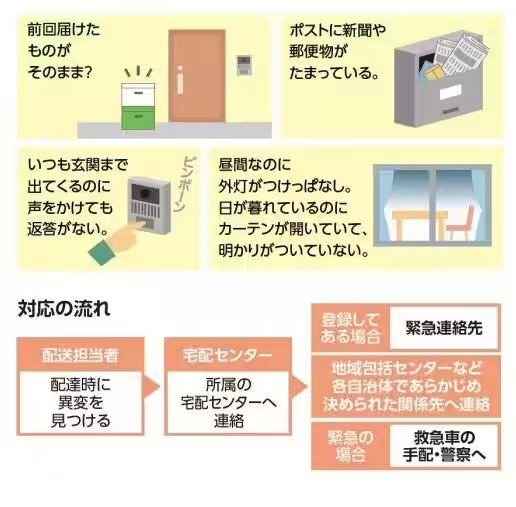
These agreements with local governments and welfare councils enable the cooperatives' delivery services to act as a safety net for vulnerable seniors. More than 10 million households are enrolled in cooperative home delivery services, whereby the same delivery personnel visit regularly on a fixed schedule. This consistent interaction allows them to identify potential issues, such as mail piling up in mailboxes or groceries left untouched, and enables them to notify the designated contact or authorities proactively.
Achievements and Volunteer Engagement
Currently, 14 prefectures, including Aomori, Iwate, and Chiba, have forged agreements with all municipalities within their region. The significance of this network is highlighted not just by the sheer number of agreements but also through the extensive efforts of the cooperatives. By the end of March 2025, there will be approximately 50,869 certified dementia supporters among cooperative employees, further underscoring their commitment to fostering a supportive community for the elderly.
The cooperatives have expanded their initiatives beyond delivery to include various ventures aimed at improving the quality of life for community members. This includes educational partnerships, environmental sustainability efforts, and collaboration with local institutions in promoting food education and child-rearing support.
Case Studies of Successful Interventions
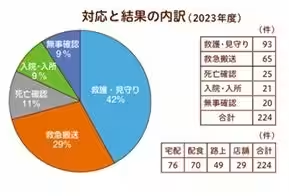
The 'Community Watch Activity' by cooperatives has resulted in numerous supportive actions. For instance, in Tokyo alone, there were 224 documented interventions, of which 65 involved emergency medical services. Additionally, 93 cases were associated with fall incidents or health concerns, highlighting the effectiveness of the community watch system. Instances of finding individuals who required hospitalization also demonstrate the life-saving potential of these agreements.
Some standout interventions include:
- - A delivery worker recognizing signs of heatstroke in an elderly woman and arranging for her quick medical assistance.
- - Noticing that a regular client had lights on in the daytime, prompting a check that led to rescuing an elderly individual who had fallen unresponsive at home.
- - Providing immediate aid to a senior who fell and sustained injuries while walking outside, showcasing the thoroughness and attentiveness of cooperative delivery staff.
Future Initiatives and Community Engagement
Looking forward, the Japan Consumer Cooperative Union emphasizes its commitment to enhancing local safety by continuing to collaborate with municipalities and relevant organizations. Their mission is to create a community where all individuals can live securely and confidently.
In essence, these community safety agreements exemplify a proactive approach to addressing the imminent needs of an aging society in Japan. By nurturing the relationships between cooperatives and local governments, they are crafting a resilient network equipped to care for its most vulnerable citizens, making a notable difference in everyday lives.
Through these meaningful partnerships, Japan is paving the way toward a future where everyone can thrive in a supportive environment.
Topics Consumer Products & Retail)


【About Using Articles】
You can freely use the title and article content by linking to the page where the article is posted.
※ Images cannot be used.
【About Links】
Links are free to use.