




Difficulties in Employment for People with Disabilities Revealed in New Survey
New Insights into Employment of People with Disabilities
Recent research conducted by Hammock, headquartered in Shinjuku, Tokyo, offers significant insights into the landscape of disability employment in Japan, especially with the upcoming increase in the legal employment quota scheduled for July 2026. As companies brace for this change, their preparedness is being put to the test.
Survey Details
The survey titled “Actual Conditions and Challenges in Operational Management of Special Subsidiaries and Disability Employment” engaged 487 individuals from various organizations that employ or intend to employ persons with disabilities. This comprehensive study utilized an online self-administered questionnaire and was carried out via the “Freeasy” tool from February 5, 2026.
Background for the Survey
Starting in July 2026, the legal employment rate for individuals with disabilities in private companies will increase to 2.7%. As a result, there is a pressing need for companies to implement strategic measures to facilitate employment and bolster their operational frameworks. Companies must now not only scale the numbers of employed individuals but also ensure that their job assignments are tailored to the strengths and abilities of those employees. Thus, the daily transition of tasks and effective management are becoming critical challenges, particularly for companies running special subsidiaries.
Key Findings
The survey revealed several notable findings:
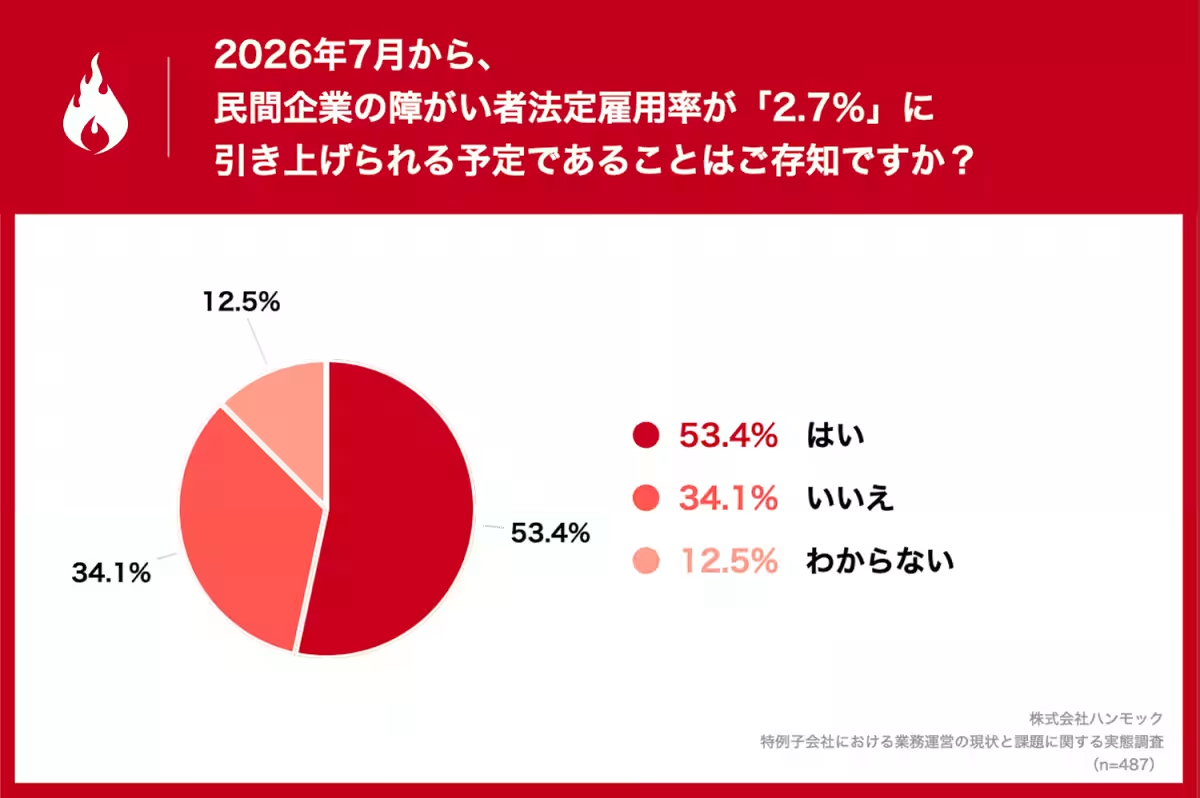
- - Awareness of Legal Changes: Over half, 53.4%, of respondents were aware of the upcoming increase in the quota.
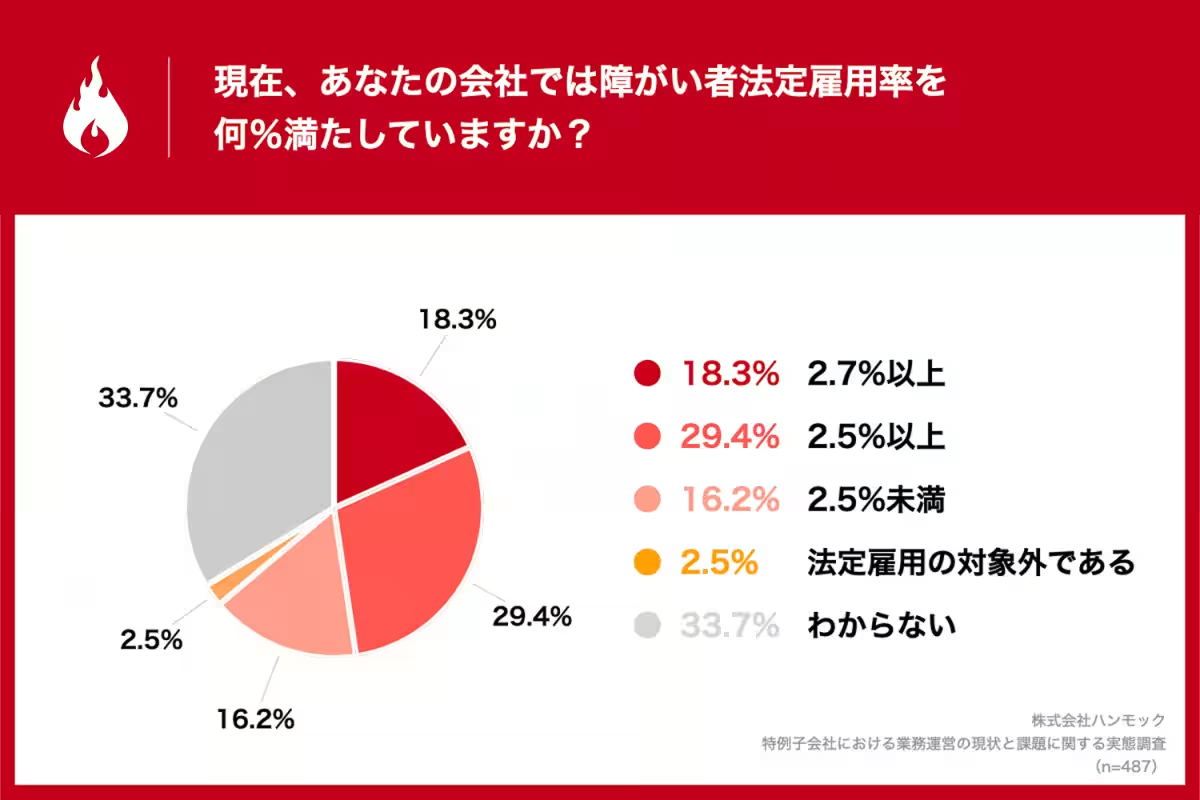
- - Current Employment Status: Only 18.3% of companies reported meeting the new employment rate of 2.7% or higher; overall, less than 20% are prepared to meet the new standards.
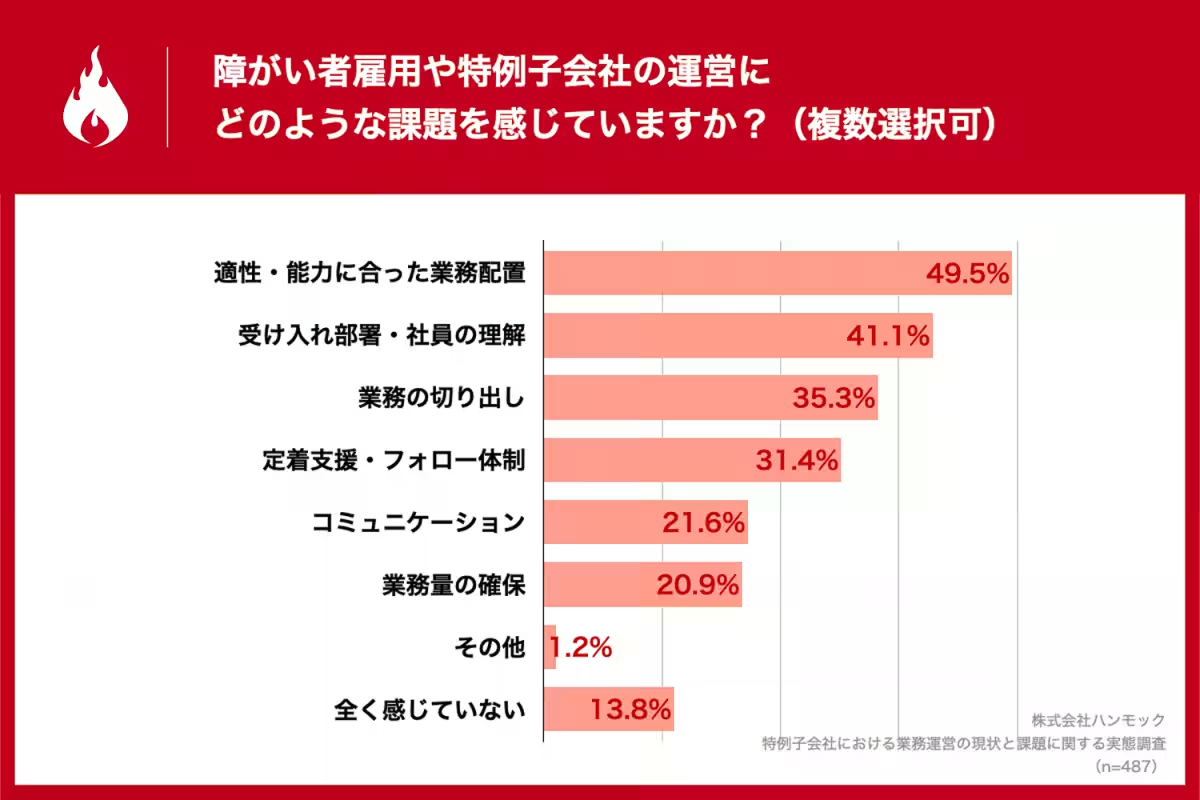
- - Operational Challenges: The leading challenges identified included the proper assignment of tasks according to abilities (49.5%) and the understanding and support of accepting departments (41.1%).
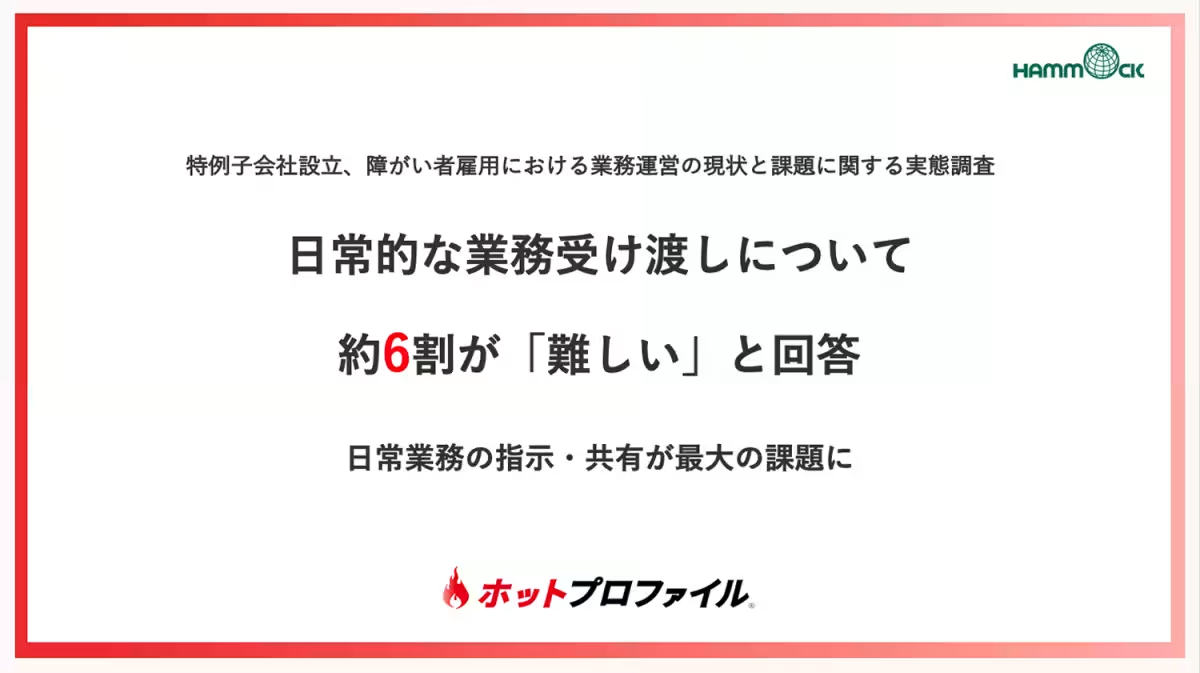
- - Task Transition Issues: Approximately 60% of respondents found daily task transitions challenging, underscoring the need for process innovation to streamline operations.
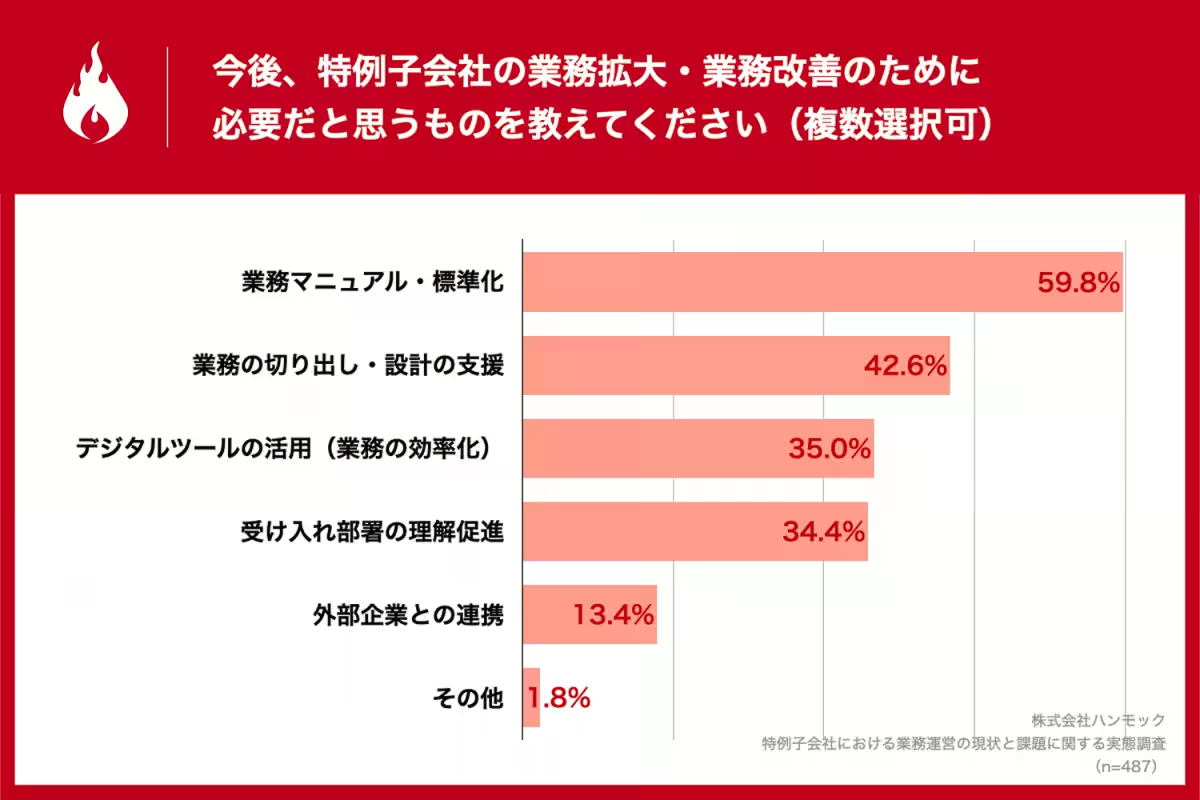
- - Need for Standardization: A staggering 59.8% highlighted the necessity for the development of operational manuals and standardization to facilitate stability in operations.
Conclusions
The survey underscores an urgent need for companies to strengthen their strategies in preparation for the impending legal changes. While awareness of the quota increase is increasing, actual compliance remains alarmingly low, suggesting that many companies are ill-prepared to meet the requirements.
From task management to organization-wide support mechanisms, the research identified critical areas that require attention. As companies work towards expanding employment opportunities for individuals with disabilities, the importance of creating supportive structures that foster stability and sustainability is paramount. Company leadership must not only aim for compliance but also cultivate operational strategies that build a resilient framework for the employment of people with disabilities.
Hammock also introduced a potential avenue for companies to create sustainable employment structures through its business card management service “Hot Profile.” This service is designed with clear procedures that facilitate smooth task transitions, offering companies a structured approach to integrate individuals with disabilities effectively. By developing a robust internal process, businesses can enhance their operational efficiencies while also ensuring high-quality service delivery.
Beyond Compliance
As we move forward, businesses must recognize that successful disability employment programs are not merely about meeting quotas—they are vital to unlocking potential, promoting inclusivity, and enhancing overall company value.


Topics Business Technology)
【About Using Articles】
You can freely use the title and article content by linking to the page where the article is posted.
※ Images cannot be used.
【About Links】
Links are free to use.