



Understanding the Importance of Proper Grease Trap Cleaning in Restaurants
The Importance of Regular Grease Trap Cleaning in Restaurants
The grease trap, a crucial component of restaurant kitchens, prevents fats, oils, and waste from entering the sewage system. However, cleaning these traps can be labor-intensive and unpleasant. With summer approaching, it's vital to address proper maintenance to avoid pest infestations and unpleasant odors.
In a survey conducted by ISG Inc., 940 restaurant owners were asked about their practices concerning grease trap cleaning. The survey revealed interesting insights into frequency, responsibility, and challenges faced during cleaning.
Survey Findings on Cleaning Frequency
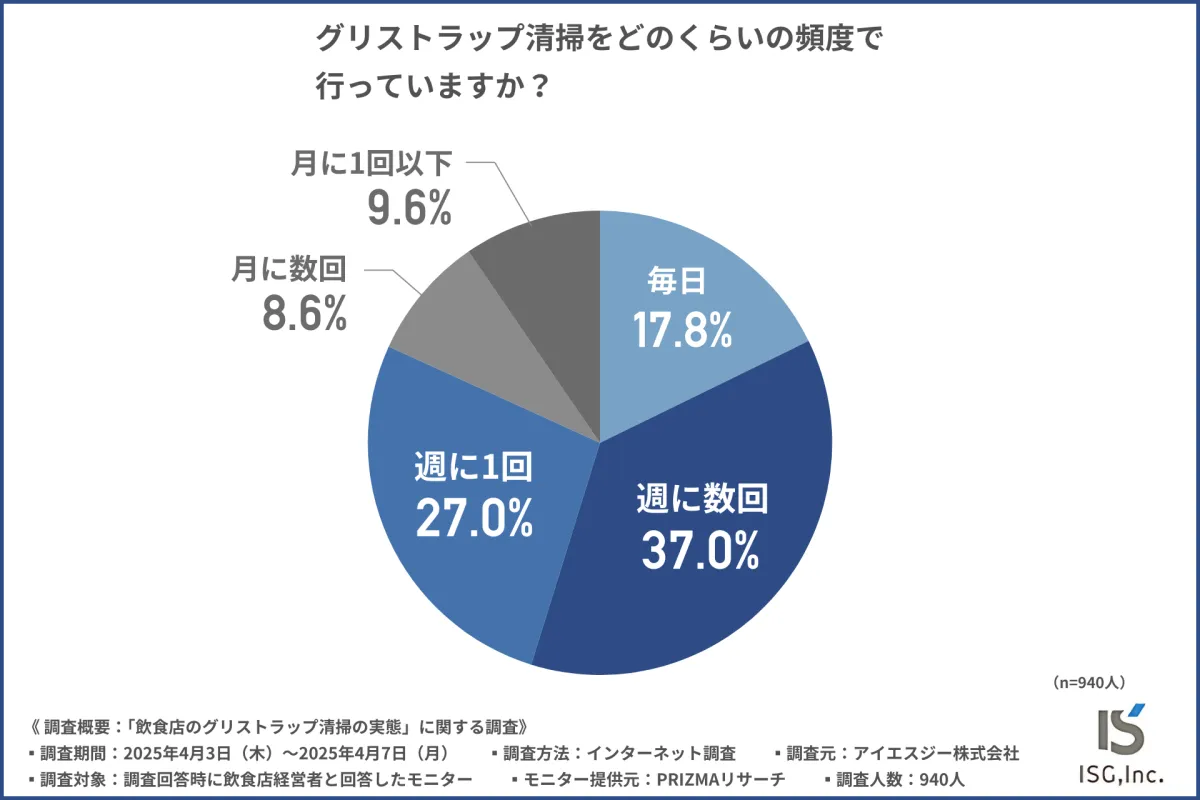
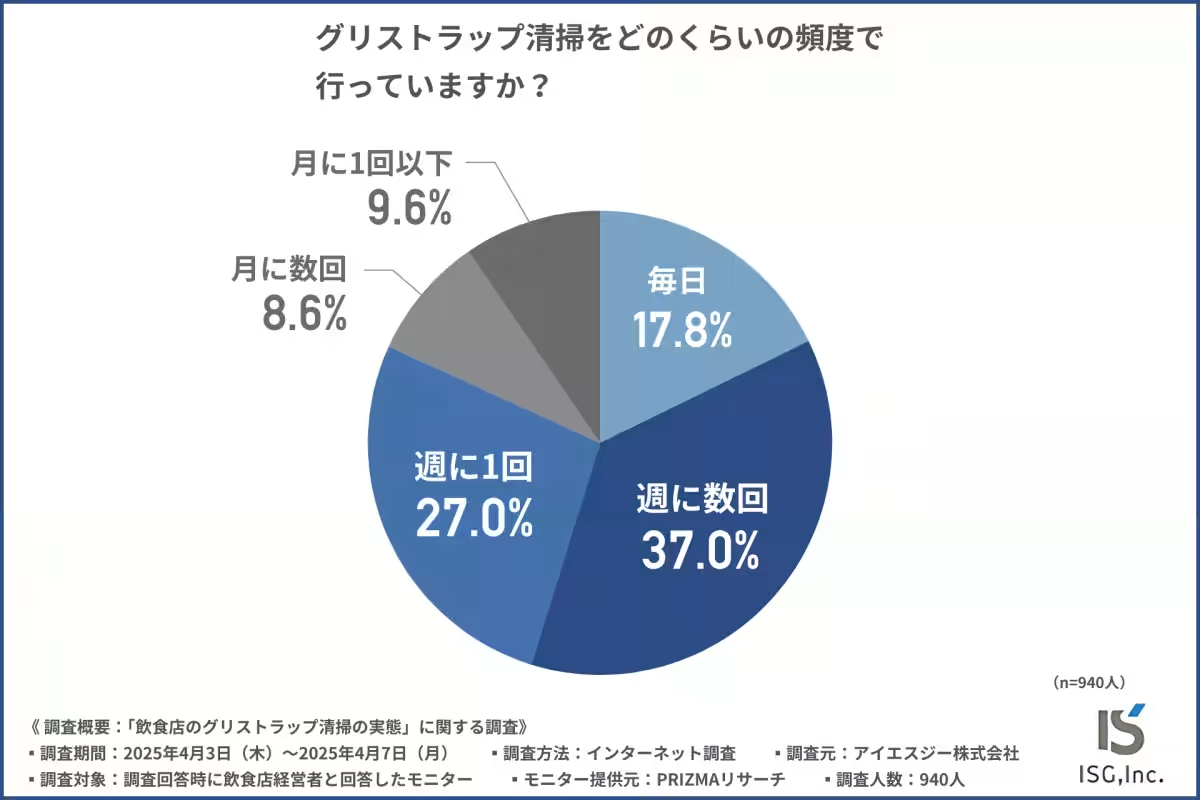
When asked about the frequency of grease trap cleaning:
- - Daily: 17.8%
- - Several times a week: 37.0%
- - Weekly: 27.0%
- - A few times a month: 8.6%
- - Once a month or less: 9.6%
Approximately 80% of the establishments clean their grease traps at least weekly, demonstrating a strong commitment to hygiene. Notably, about 20% reported daily cleaning, reflecting their dedication amid busy operations. Yet, a concerning 10% clean their traps once a month or less, highlighting a need for standardized cleaning guidelines across different businesses.
Who is Responsible for Cleaning?
The survey also inquired about who performs the cleaning tasks:
- - In-house staff: 53.4%
- - Self-cleaning by owners: 35.2%
- - Outsourced to professionals: 11.4%
Most businesses rely on their own resources for cleaning tasks, with nearly 40% of owners personally handling the cleaning. This reliance suggests a lingering belief in self-management over delegation to specialized contractors, often due to costs and trust issues regarding outside services.
Challenges in Cleaning
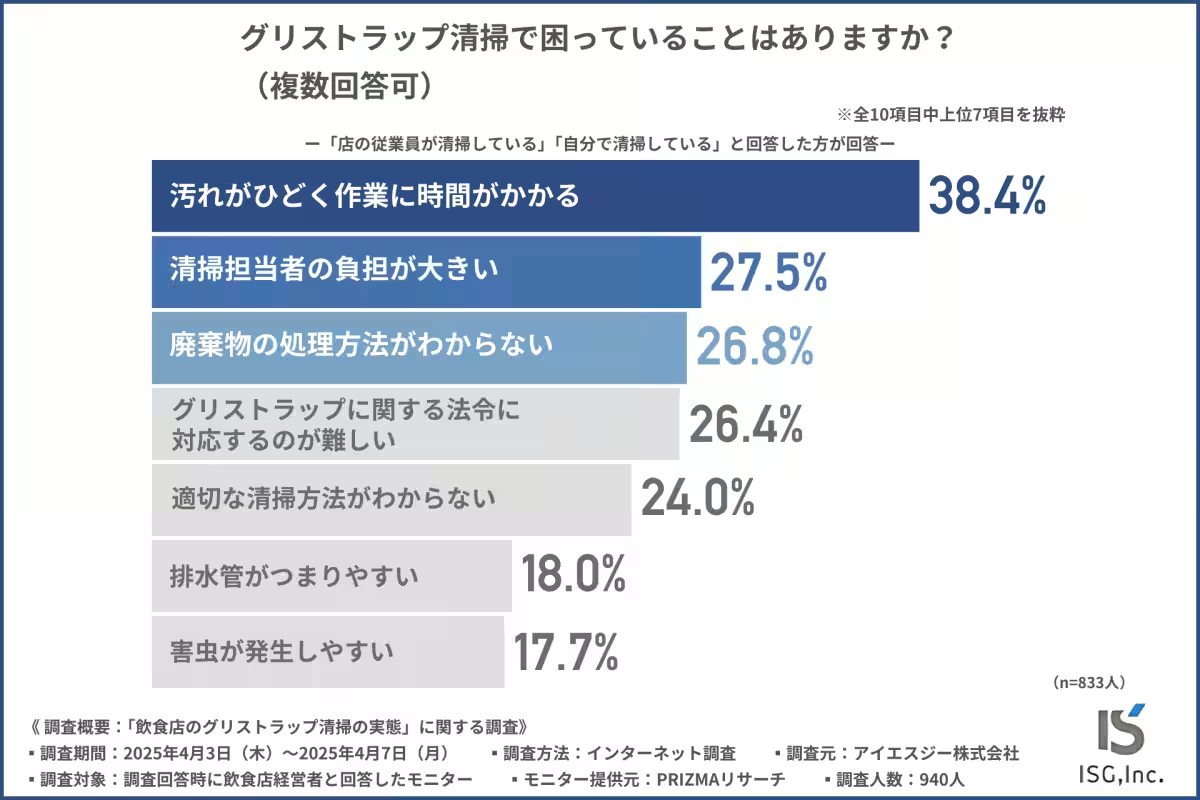
Among those who personally clean or employ staff for the task, the main challenges reported were:
- - The dirtiness requires significant time (38.4%)
- - Heavy burden on cleaning staff (27.5%)
- - Lack of knowledge about waste disposal (26.8%)
The responses emphasized the demanding nature of grease trap maintenance and the gaps in knowledge essential for effective management. Cleaning requires more than just routine; it necessitates an understanding of proper techniques and waste handling. Grease traps require multiple cleaning procedures, including:
1. Basket cleaning: Daily maintenance is necessary to prevent blockages.
2. Floating fats removal: Weekly cleaning is advised to avoid bad odors.
3. Sludge removal: Monthly checks are crucial to maintain hygiene and prevent unpleasant smells.
The accumulation of these tasks increases the burden on staff, underscoring the need for a more systematic and professional approach to grease trap management.
Insights on Outsourcing
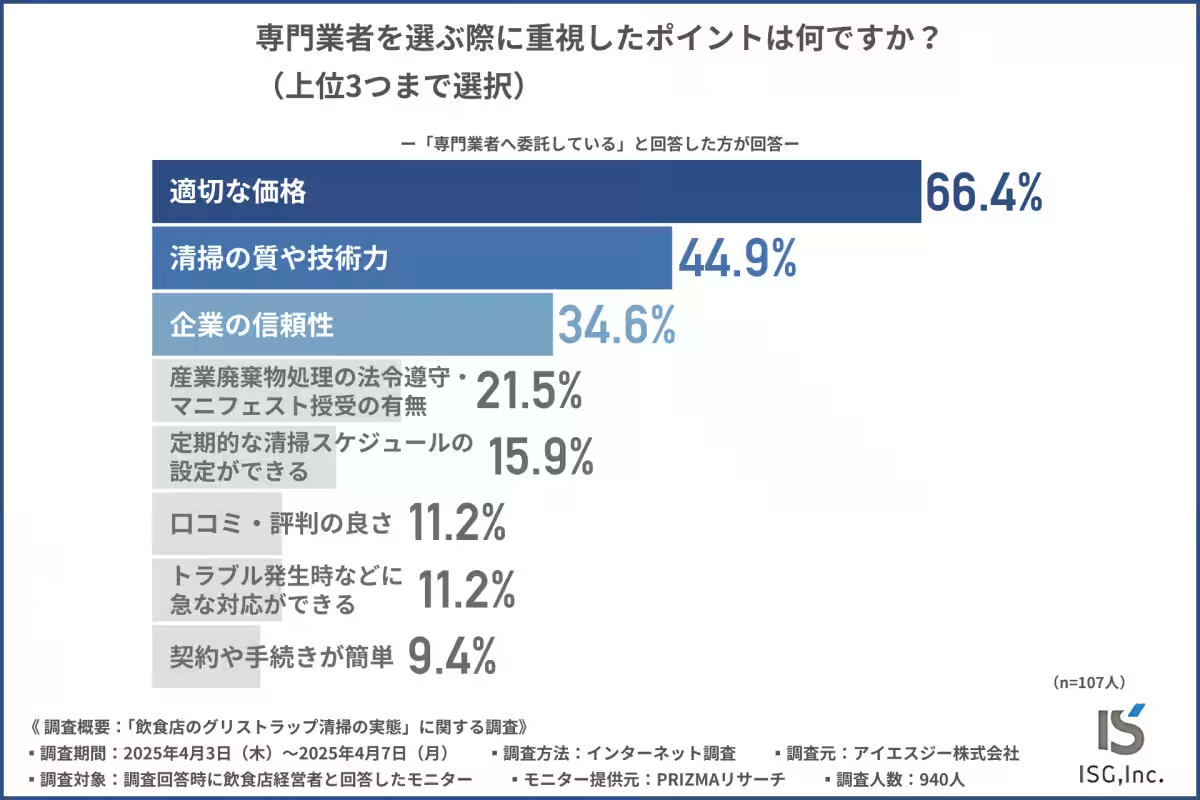
Among those who outsource their grease trap cleaning, the key considerations for selecting a service provider included:
- - Appropriate pricing (66.4%)
- - Quality and expertise (44.9%)
- - Company reliability (34.6%)
This reflects a cost-conscious mindset among restaurant owners. However, there is also a recognition of the unseen value of service quality and reliability, suggesting a nuanced understanding of cleaning necessities beyond price.
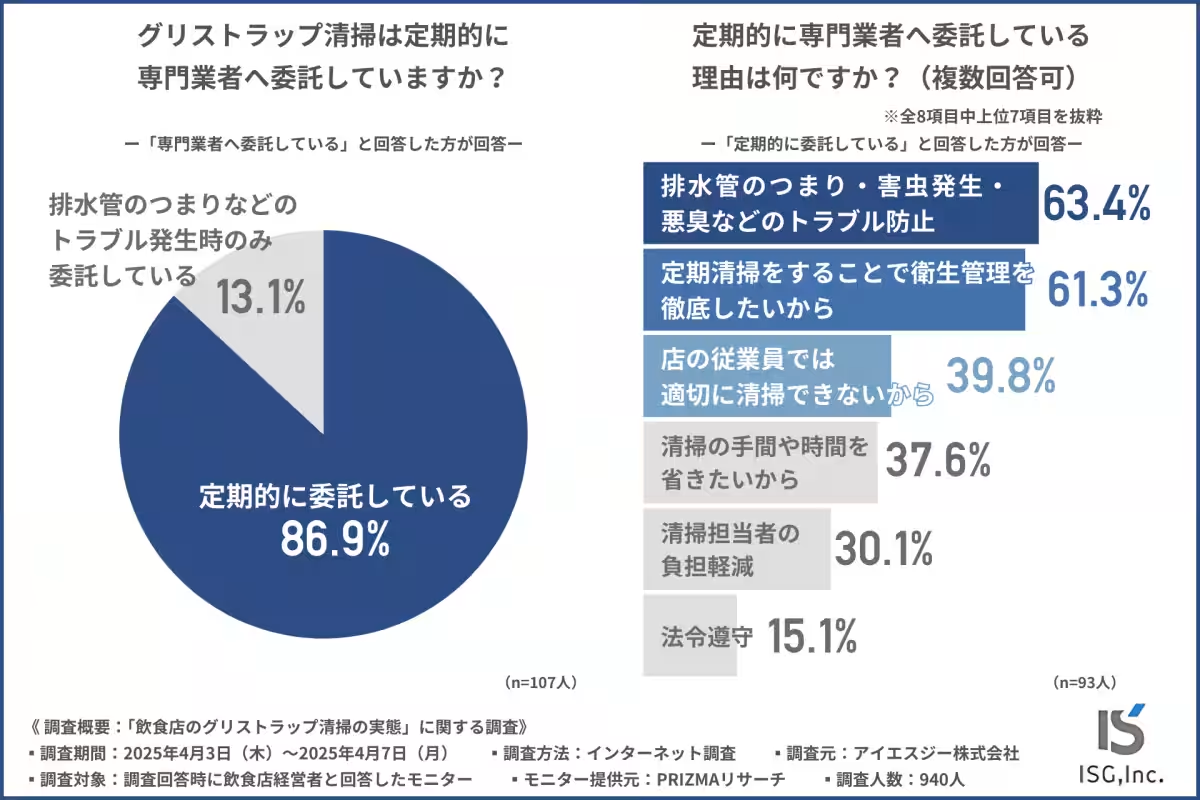
In response to the follow-up about the frequency of using outsourced services, an overwhelming majority (86.9%) indicated they use professional cleaning regularly, primarily to prevent issues such as pipe blockages and pest problems (63.4%) and to ensure thorough hygiene management (61.3%).
Understanding Legal Obligations
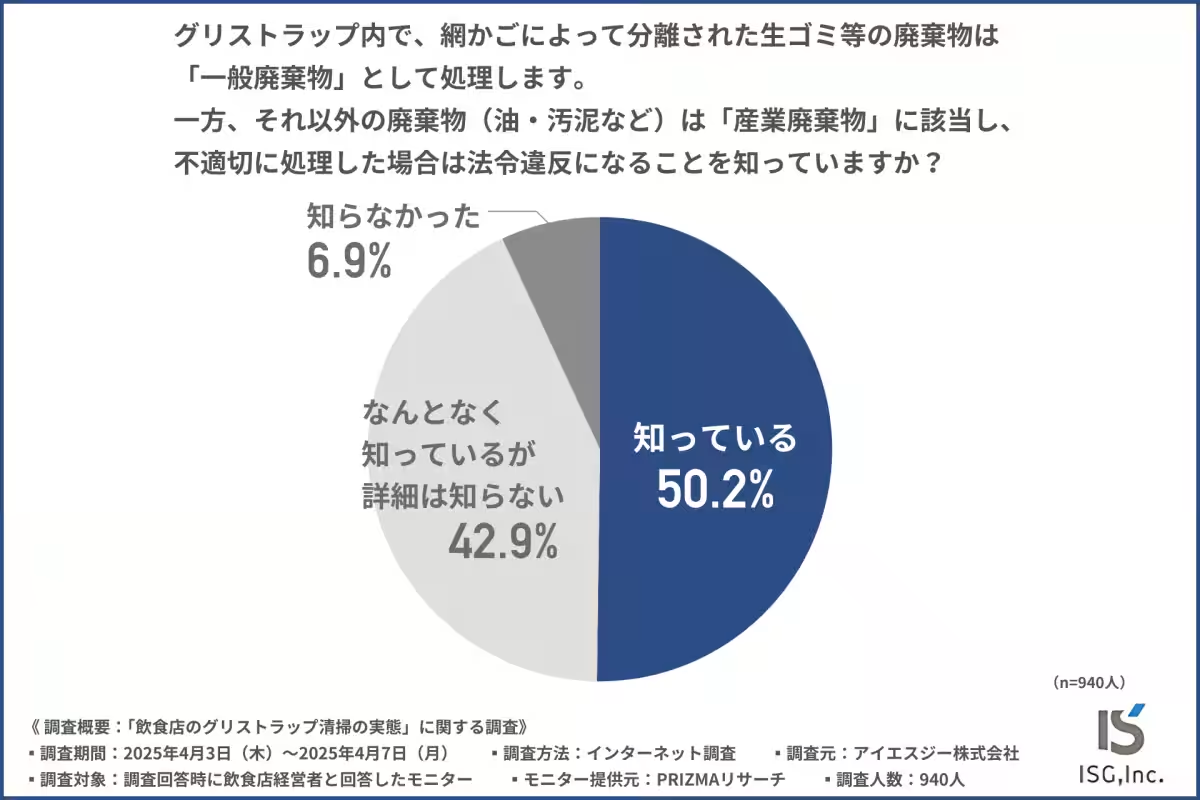
The survey also focused on awareness regarding legal obligations concerning grease trap waste. When asked if they knew that food waste from grease traps must be categorized as general waste while oils and sludge are classified as industrial waste, findings showed:
- - Fully aware: 50.2%
- - Somewhat aware but not detailed: 42.9%
- - Unaware: 6.9%
While half of the participants displayed a clear understanding of regulations, the remaining half had either vague or no knowledge, leading to potential compliance risks. Furthermore, despite over 70% issuing waste manifests, only about 10% understood the legal implications of improper waste handling.
Risks of Neglecting Maintenance
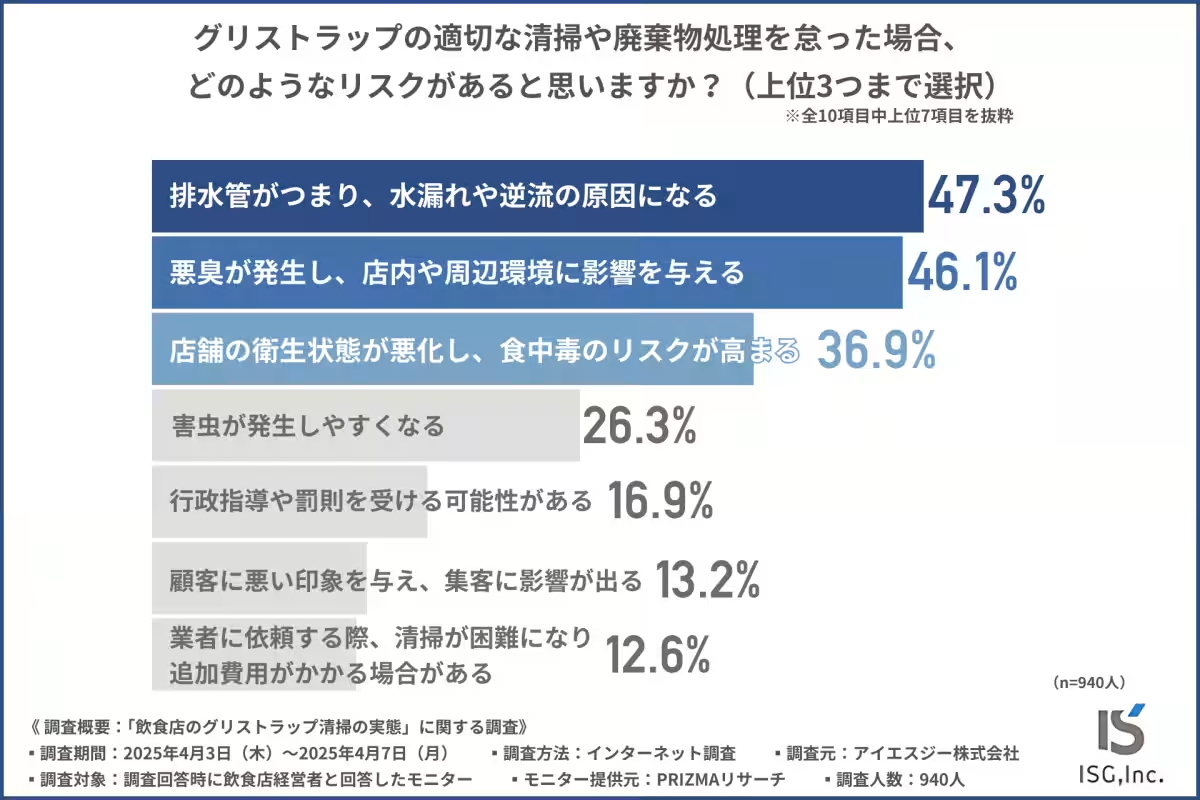
When participants were asked about the risks involved in neglecting proper grease trap cleaning, the following concerns emerged:
- - Blockages causing leaks and backups (47.3%)
- - Unpleasant odors affecting the restaurant and surroundings (46.1%)
- - Increased food safety risks (36.9%)
Awareness of physical and hygiene-related risks is high, yet there is limited recognition of structural issues such as legal ramifications. This indicates that although immediate hygiene needs are prioritized, longer-term compliance and potential sanctions are often overlooked.
Conclusion
The findings from the survey highlight significant efforts made by restaurants towards regular grease trap cleaning, yet reveal substantial gaps in understanding regulations, the role of outsourcing, and the management of associated risks. There's a pressing need for educational resources on proper cleaning protocols, waste processing, and the critical importance of compliance in safeguarding both hygiene and business health.
ISG Inc. continues to offer comprehensive grease trap cleaning services and emphasizes the need for restaurants to understand their responsibilities fully. By enhancing guidelines, training, and professional services, the industry can improve both compliance and operational efficiency.


Topics Consumer Products & Retail)


【About Using Articles】
You can freely use the title and article content by linking to the page where the article is posted.
※ Images cannot be used.
【About Links】
Links are free to use.