



Humanoid Hack Tokyo: The Exciting Two-Day International Challenge for Robotics Innovators
Humanoid Hack Tokyo: A Showcase of Robotics Innovation
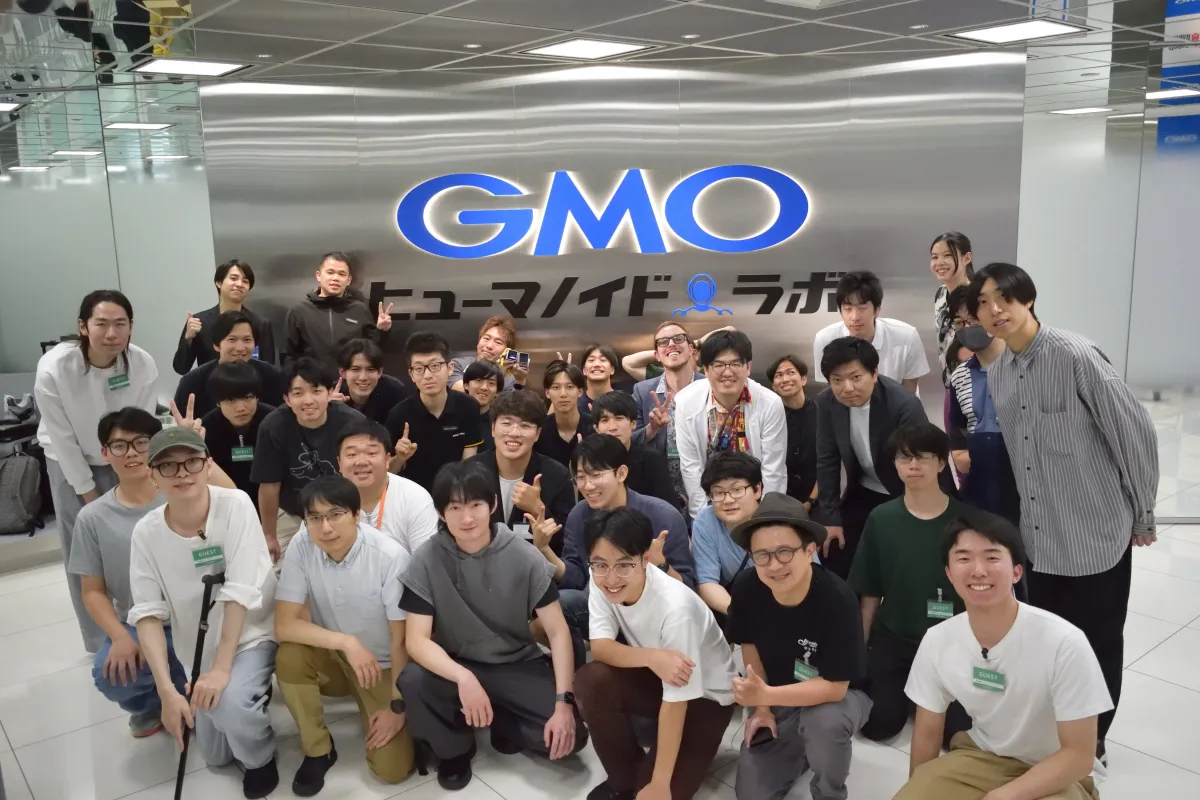
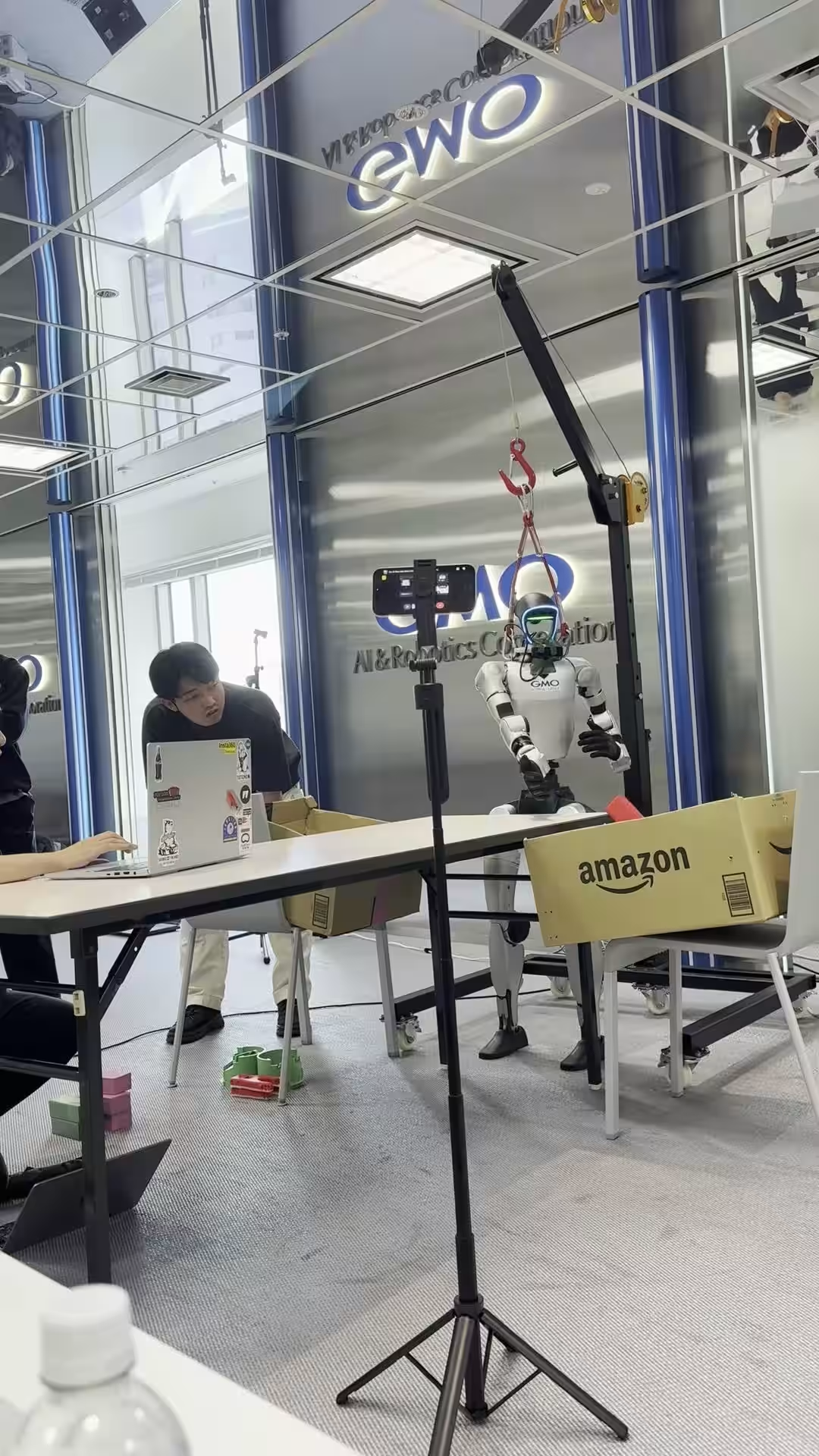
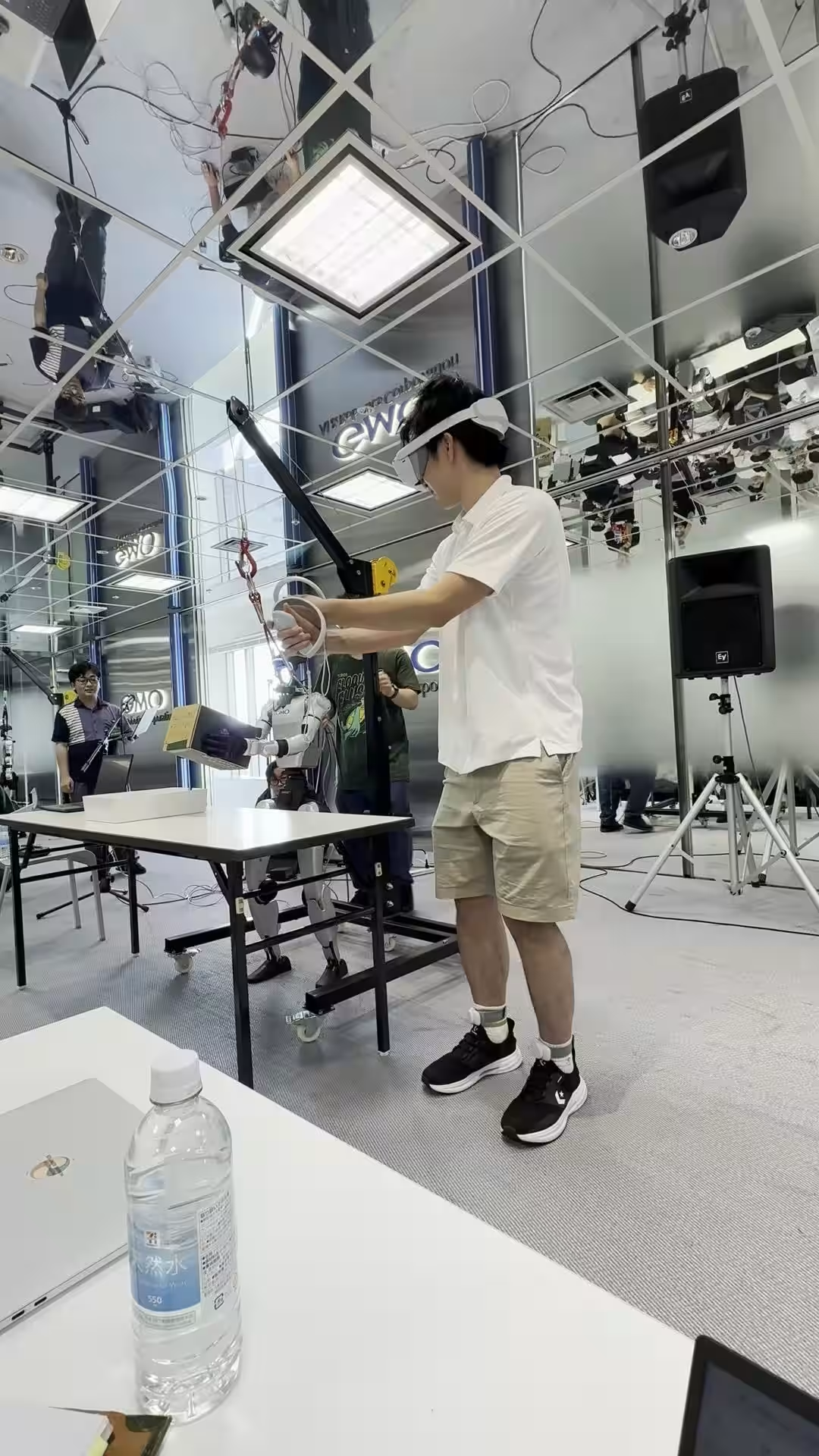
The excitement surrounding humanoid robotics reached new heights during the recent Humanoid Hack Tokyo event, held on May 30-31, 2026. This vibrant hackathon, hosted at the GMO Humanoid Lab in Shibuya, Tokyo, witnessed the convergence of international developers, business professionals, and researchers, all eager to explore the capabilities of the Unitree G1 humanoid robot.
Event Overview
Under the organization of Orboh, with the support of prominent sponsors such as GMO AI & Robotics, RobotMateHub, and various tech start-ups, Humanoid Hack Tokyo was designed to foster creativity and innovation in humanoid robotics. The primary objective was not just to simulate the technology, but to engage directly with real robots, providing participants with invaluable hands-on experience.
With over 100 pre-registrants and roughly 30% of them being international engineers, it was a melting pot of global talent. The event was strategically timed right after the Humanoids Summit Tokyo 2026, allowing the enthusiasm of the summit attendees to flow into the hackathon.
The Two-Day Journey
Day 1: Building Foundations
The first day kicked off with team building activities alongside comprehensive sessions on the Unitree G1's API and SDK. Participants were divided into teams, focusing on solidifying their development strategies. Working in an environment with real humanoid robots allowed teams to rapidly prototype and iterate their ideas.
Day 2: Showcasing Innovation
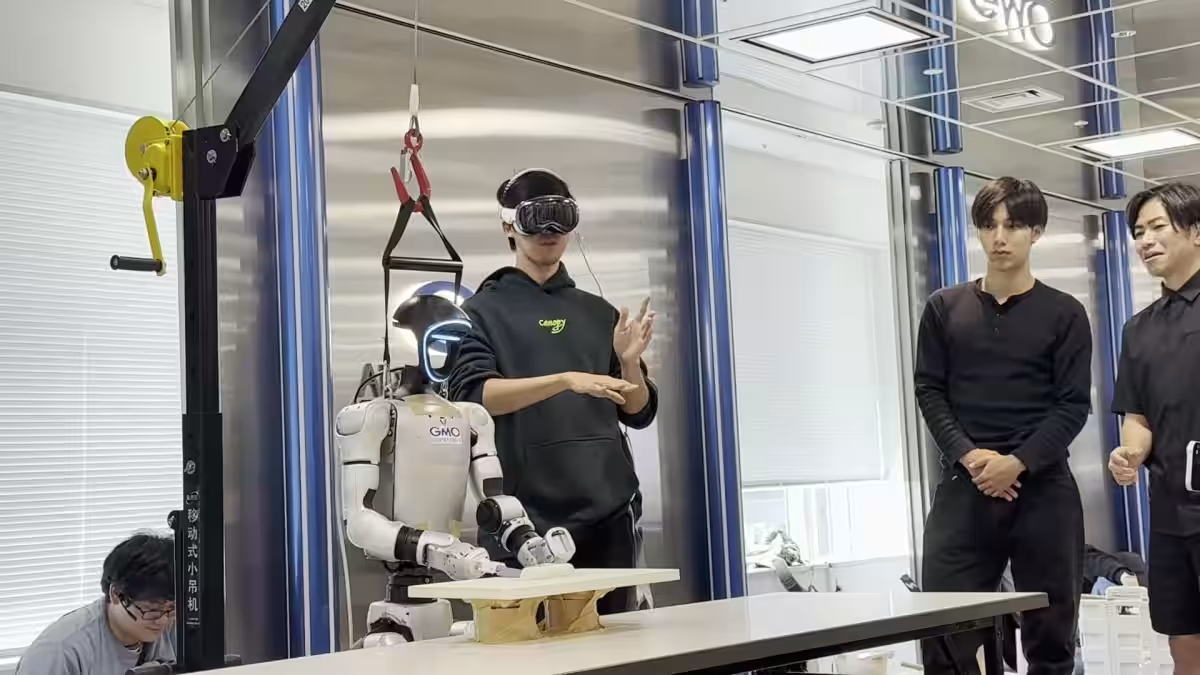
The second day was thrilling, featuring intense development sprints followed by final presentations and a judging process. Teams showcased their innovations, demonstrating the unique applications of the Unitree G1, with a strong emphasis on cultural intersections in robotics.
Noteworthy Projects and Outcomes
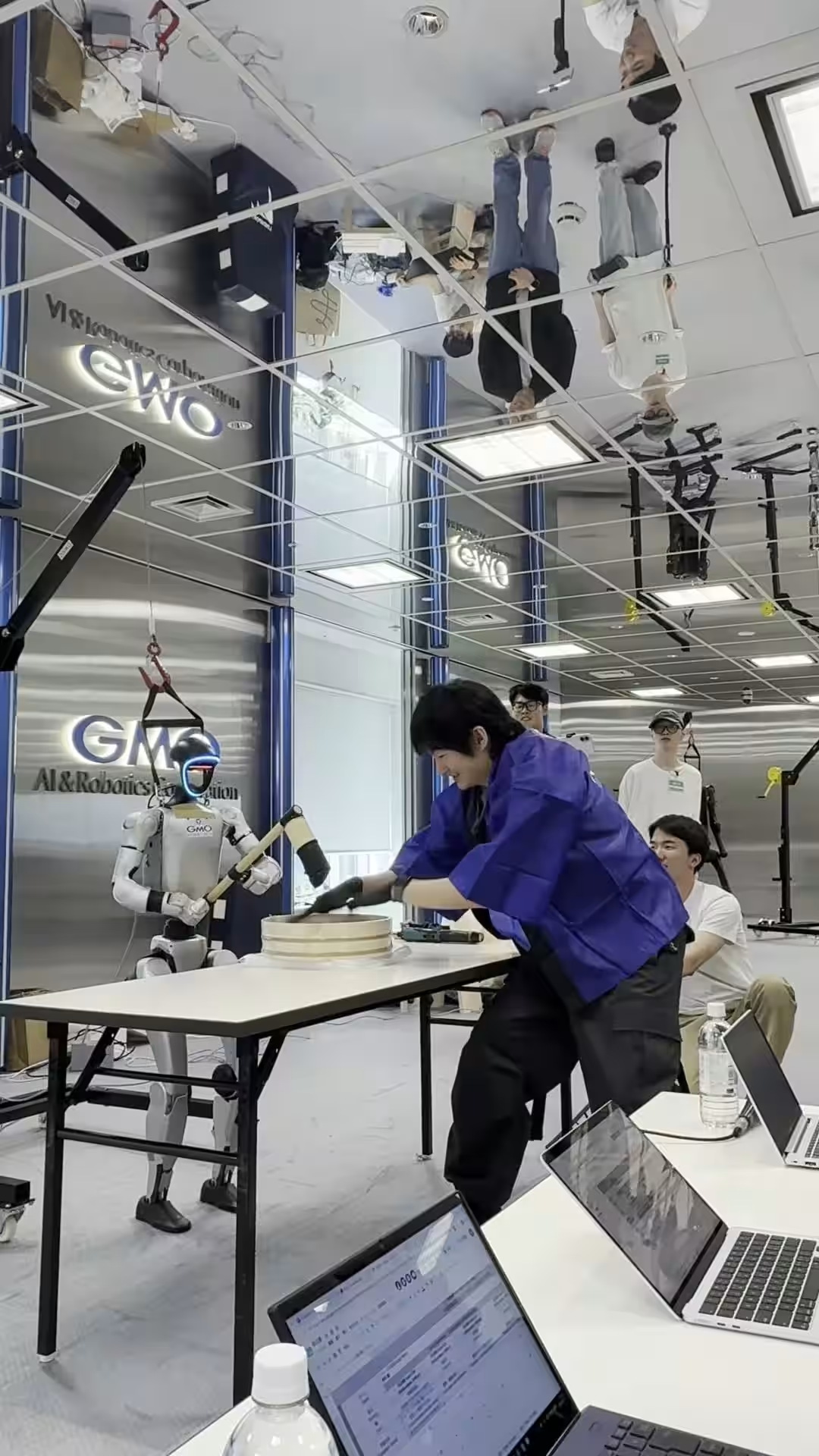
Each participating team brought their creativity to the forefront through unique projects. BLACK AI, which took home the Best Team Award, demonstrated a traditional Japanese mochi-pounding technique, impressing judges with its cultural representation. The project was particularly lauded for its high level of execution and originality.
Meanwhile, GOI Robotics secured the Second Prize for their project that taught the Unitree G1 to mimic a sushi chef’s movements, uniquely blending traditional Japanese culinary skills with robotics.
Additionally, teams like AG1 and Aun showcased projects focusing on real-world industrial challenges. AG1's demonstration involved sorting objects with a GUI-controlled system, while Aun developed an integrated pipeline from data collection to machine learning using teleoperation. These projects highlighted the practicality and potential application of humanoid robots in various sectors.
Expert Judges
The panel of judges comprised leading figures from the robotics industry, including Yuji Fujima from GMO AI & Robotics, who highlighted the innovative spirit of all teams. Other notable judges included experts from Unitree Robotics, academia, and the Institute for Humane Robotics, bringing a wealth of knowledge and experience to the evaluation process.
Community Building and Future Prospects
Sota Miyajima, CEO of Orboh, commented on the event's success, expressing gratitude towards participants and sponsors for creating an engaging and productive environment. The opportunity for hands-on interaction with the Unitree G1 in a collaborative setting inspired many, paving the way for a dedicated community of robotics enthusiasts committed to advancing their field.
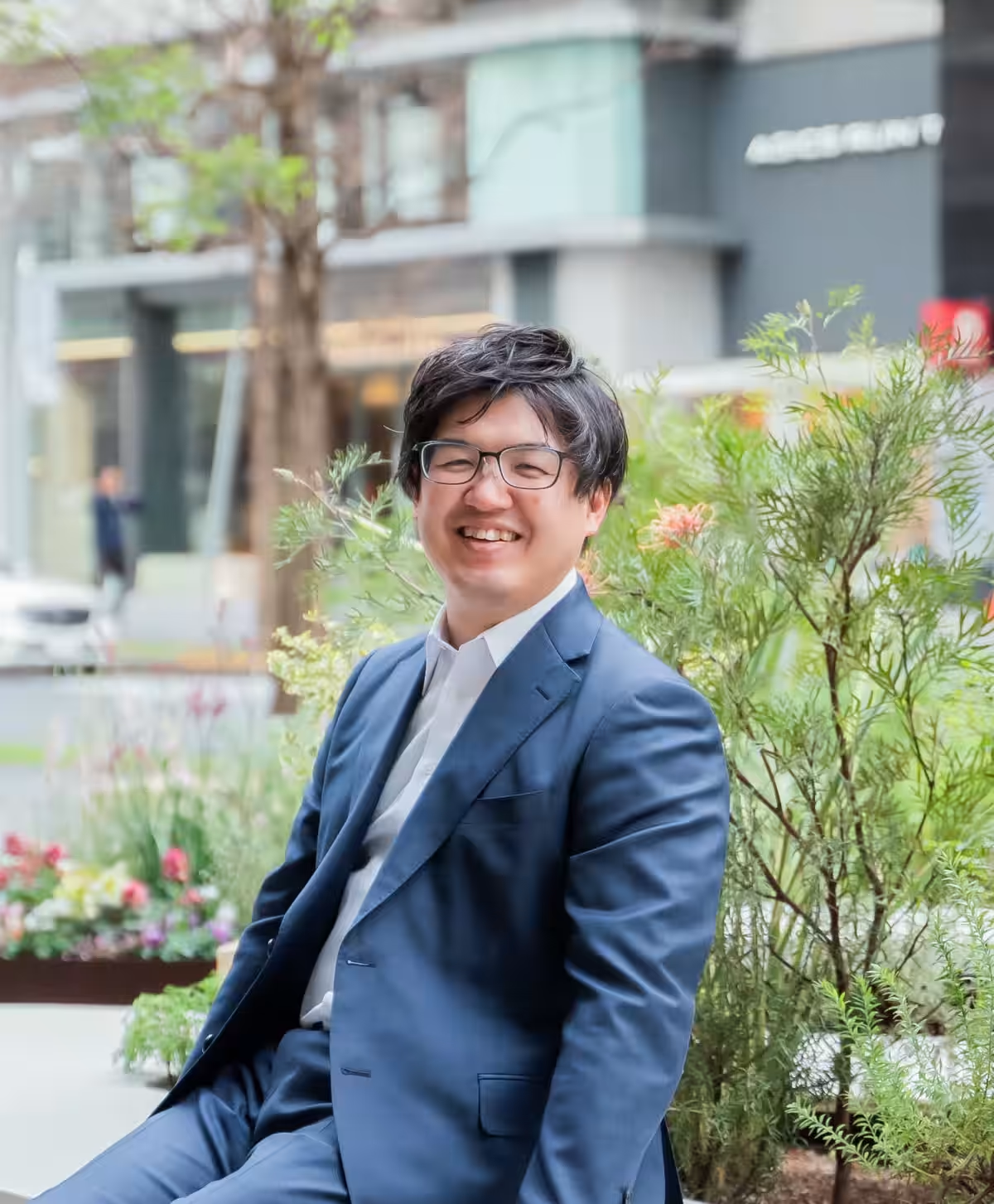
Rikiya Yamamoto, representing RobotMateHub, echoed these sentiments, emphasizing the need for ongoing collaboration among professionals in physical AI and robotics.
As the excitement from Humanoid Hack Tokyo dissipates, the foundational work laid during these two days fosters hope for forthcoming events that further bridge the gap between technology and culture, cultivating innovation in humanoid robotics for years to come.








Topics Entertainment & Media)
【About Using Articles】
You can freely use the title and article content by linking to the page where the article is posted.
※ Images cannot be used.
【About Links】
Links are free to use.