




Survey Highlights Financial Barriers to Reskilling Courses in Japan
Understanding Financial Constraints in Reskilling
In a groundbreaking survey conducted by GeNiE, a company specialized in embedded finance based in Tokyo, participants aged 20 to 69 revealed startling insights into their perceptions of reskilling courses. A major revelation is that financial burdens significantly outweigh other challenges like time availability and lack of information when individuals consider enrolling in skill improvement programs.
Key Findings from the Survey
The survey aimed at understanding the consciousness regarding reskilling and payment methods revealed several critical points:
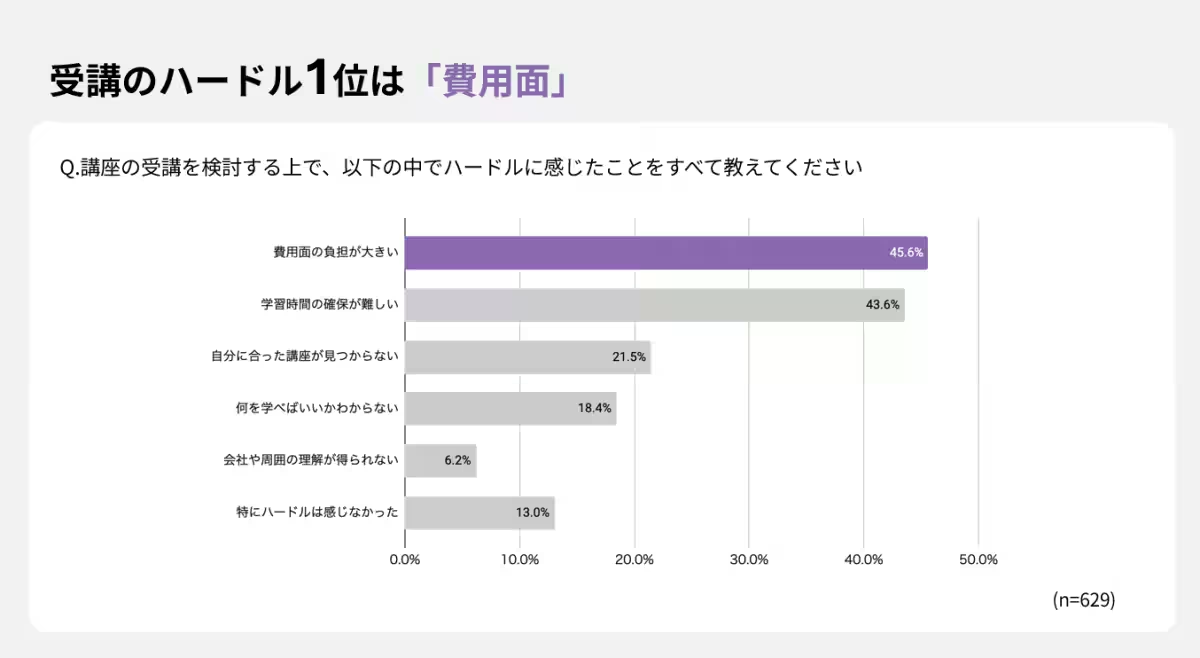
1. Financial Burden as the Top Barrier: The investigation found that 45.6% of participants cited cost as the foremost obstacle to taking self-funded courses, which surpasses concerns over time (43.6%) and uncertainty about the curriculum (18.4%). This clearly indicates a prevailing sentiment that financial constraints heavily influence decisions regarding education.
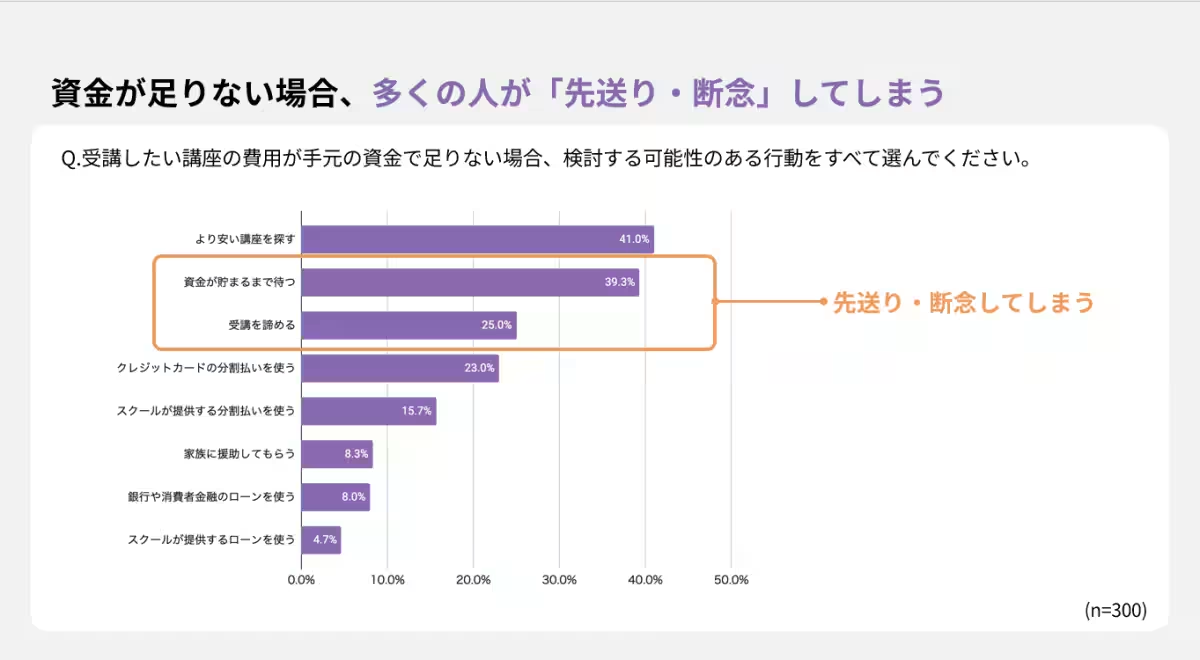
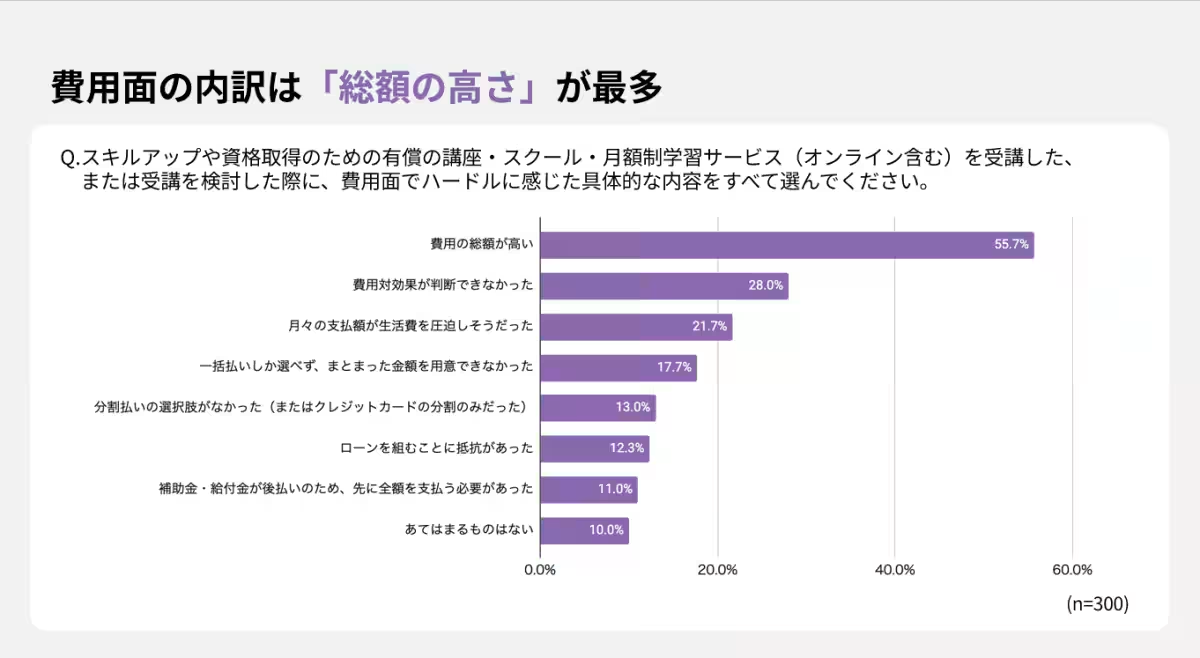
2. Specific Financial Concerns: Among those who felt that costs were a burden, the breakdown included those worried about the total course cost and monthly payments impacting living expenses. Specifically, 21.7% of respondents expressed that high monthly costs would compromise their budgets, while 17.7% noted the lack of an option for installment payments prevented them from committing to courses. Furthermore, 13.0% found that the absence of flexible payment options was a barrier.
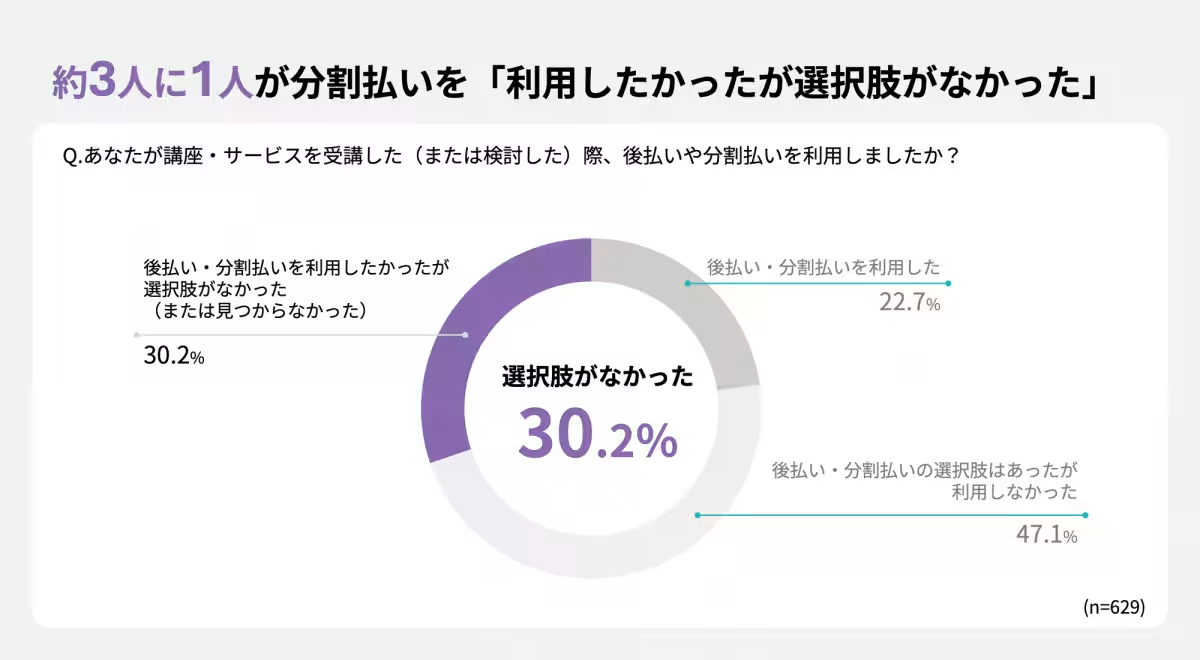
3. Desire for Flexible Payment Options: Remarkably, approximately 30.2% of individuals who had considered educational programs wanted to utilize installment or deferred payment methods but found such options unavailable. This points to a significant gap in offering diverse payment solutions that cater to the financial capabilities of potential learners.
The Need for Greater Financial Flexibility
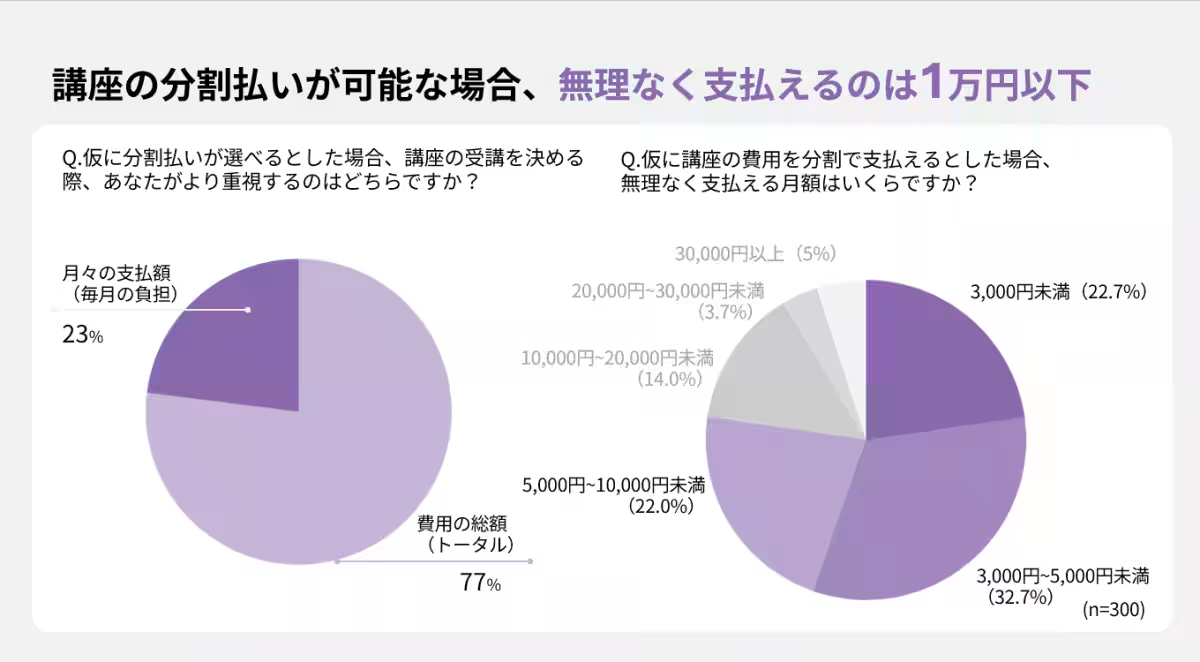
Financial readiness indeed plays a pivotal role in the decision-making process, with 77.0% of the respondents indicating that the total cost of a course is paramount to their evaluation. Interestingly, while most participants acknowledged the importance of overall cost, 23.0% also cited monthly payment amounts as a significant factor in their decision-making process.
Statistically, 77.3% stated they would be comfortable with a monthly payment below 10,000 yen when presented with an installment option. The serious implications of these statistics highlight the critical role that financial flexibility plays in fostering a more encouraging environment for education.
Psychological Safety in School Payment Options
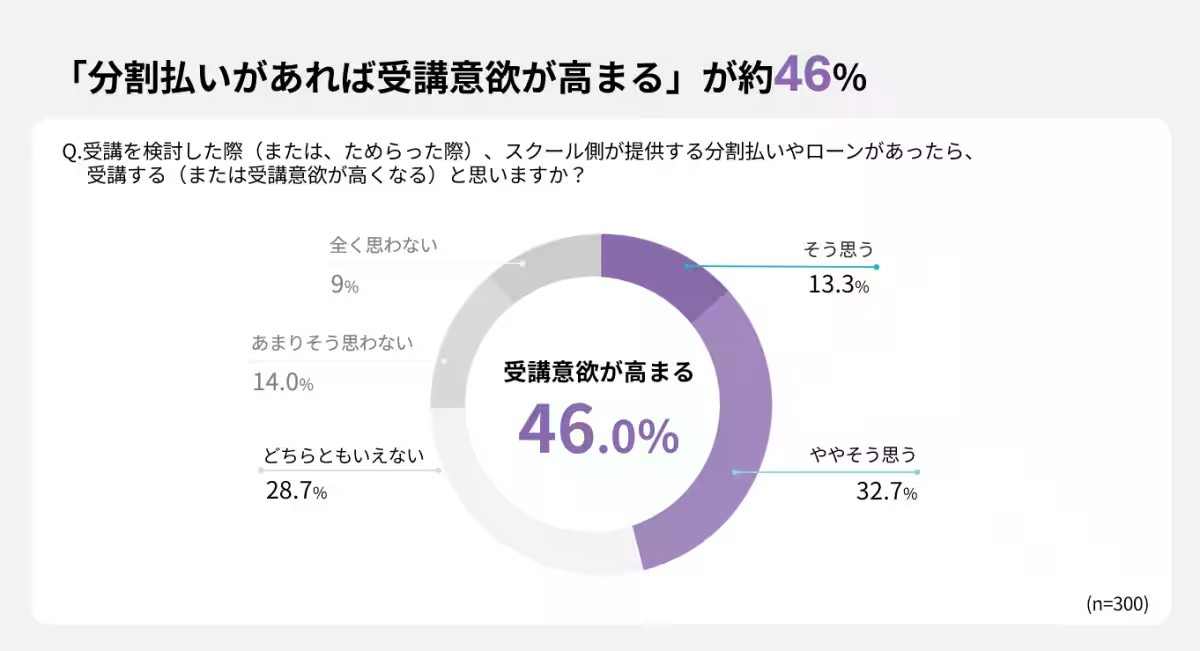
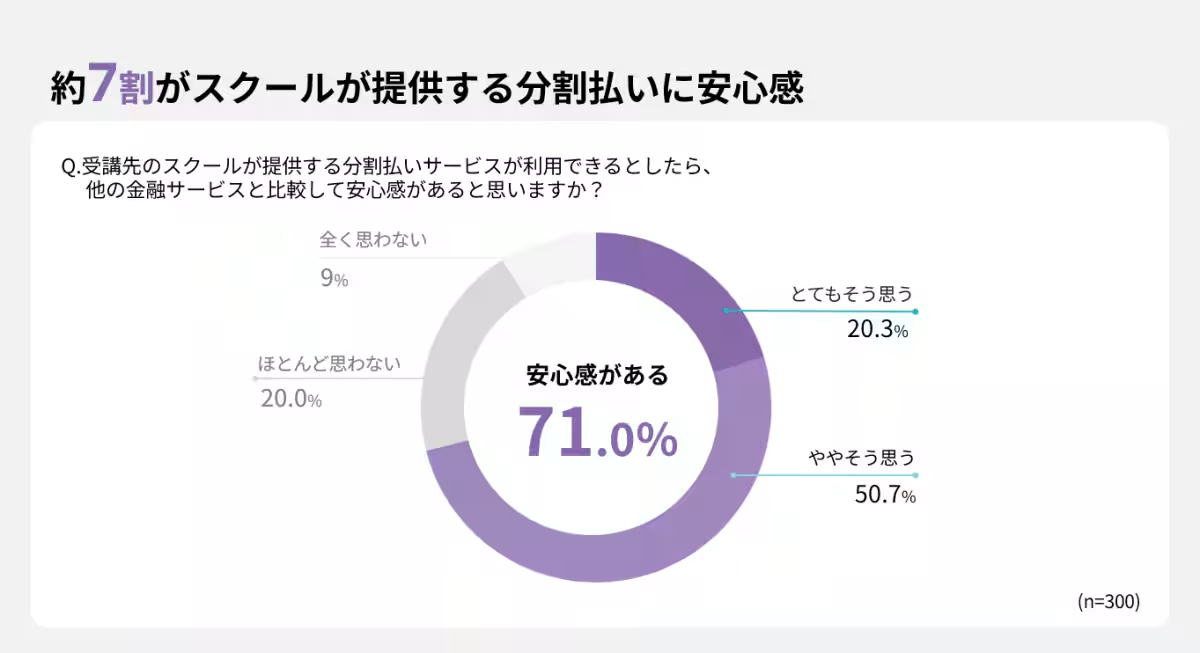
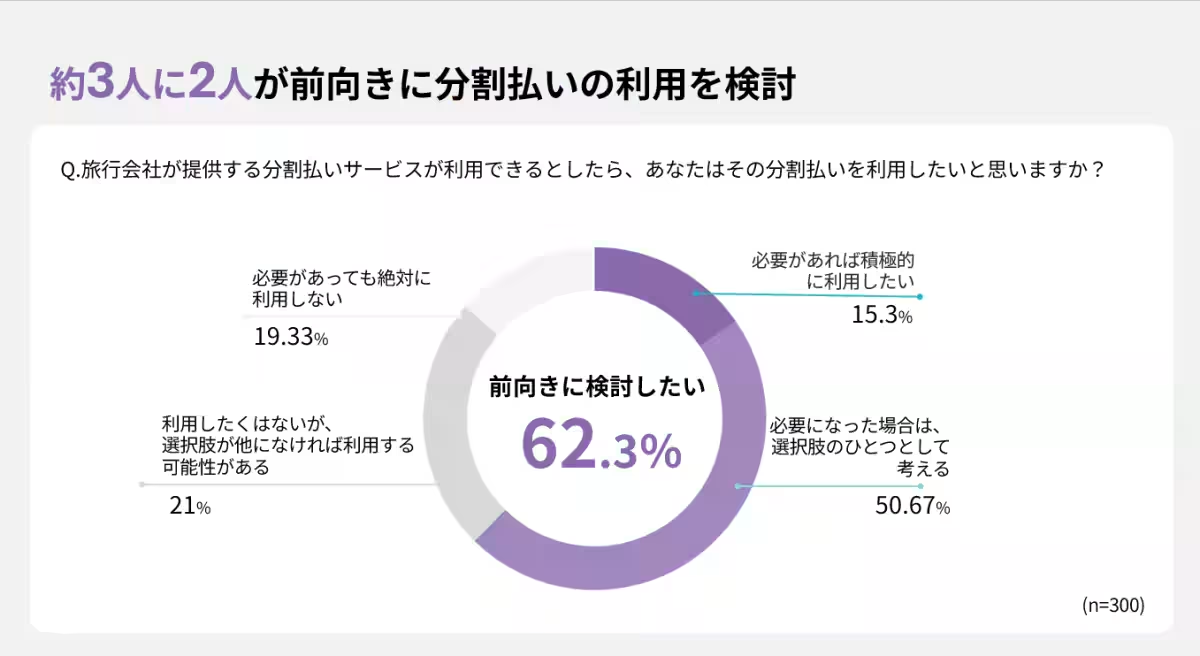
Another significant finding from the survey indicated a favorable perspective towards payment schemes offered directly by educational institutions. About 71.0% of participants expressed that they felt a sense of security in payment plans provided by the schools, with over 62.3% showing willingness to consider such options actively. This data highlights the importance of providing credible and trustworthy payment solutions to improve enrollment rates in reskilling programs.
Conclusion: The Path Forward Through Financial Solutions
The data from GeNiE’s survey suggest that the financial landscape for potential learners requires urgent restructuring to empower individuals looking to upskill. Not only is there a substantial need for schools to offer installment payment options, but there is also a significant opportunity for companies to leverage this by developing flexible payment solutions aligned with candidates' capabilities.
The GeNiE service 'Money Lamp,' which enables seamless integration of lending functionality for educational purposes, could stand as a crucial solution, offering easy access to necessary funds. By doing so, they can enhance learner experiences and, ultimately, contribute to workforce development. As the demand for such financial services increases, the need for trustworthy partnerships will become paramount for educational institutions aiming to attract and retain students.
For organizations invested in nurturing talent, addressing these financial barriers is not just beneficial—it's essential for fostering a culture of continuous learning and development.
For more information on GeNiE and their services, visit Money Lamp.


Topics Other)

【About Using Articles】
You can freely use the title and article content by linking to the page where the article is posted.
※ Images cannot be used.
【About Links】
Links are free to use.