



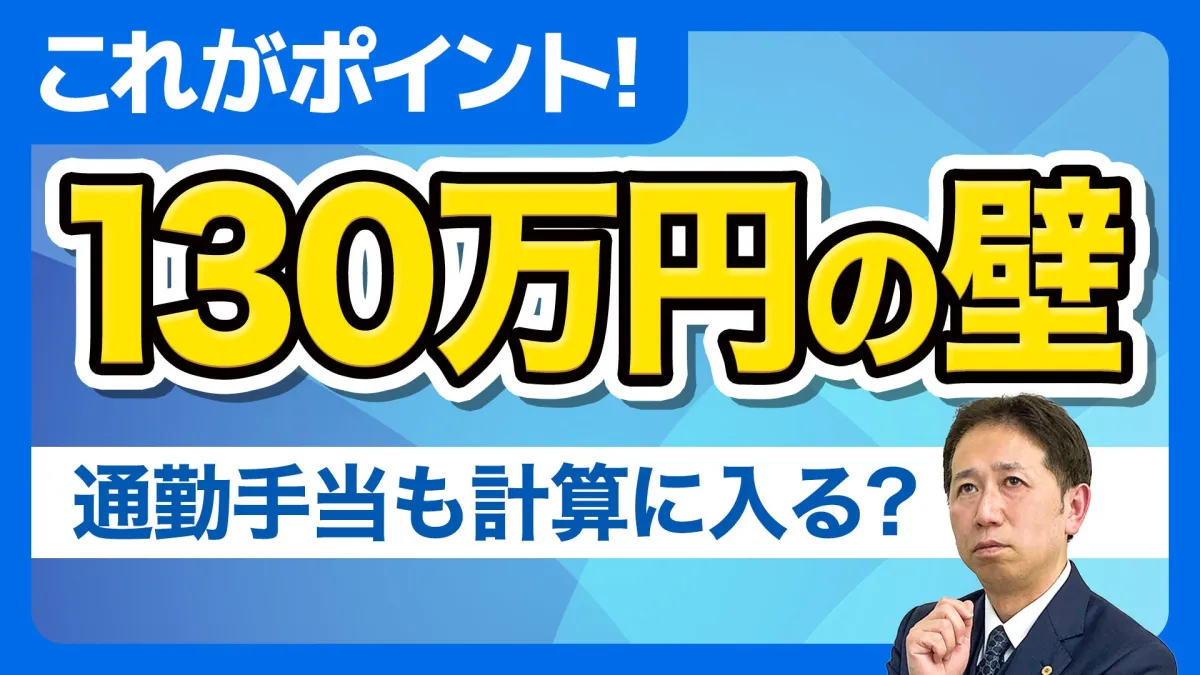
Understanding the New 1.3 Million Yen Rule: Examples and Pitfalls Explained
Understanding the New 1.3 Million Yen Rule
The new regulations around the so-called '1.3 million yen barrier' have raised numerous questions and complications for both employees and employers in Japan. It is essential to grasp how subtle changes in contracts can lead to significant differences in outcomes. This article aims to clarify these new rules by providing practical examples and analyzing potential pitfalls.
Key Points of the New Rule
The 1.3 million yen threshold refers to annual income brackets that influence eligibility for social insurance. Notably, whether one’s income exceeds or falls below this mark plays a critical role in determining their benefits and obligations. However, it's not merely a straightforward calculation; various factors can affect the classification of income.
Contractual Details Matter
One critical element of this rule is that the content of employment contracts must be crystal clear. Aspects such as commuting allowances, overtime calculations, and the presence of bonuses can drastically change whether an employee's income counts towards the threshold. Therefore, two employees with the same nominal salary might have different tax and benefit implications depending on how these components are laid out in their contracts.
Common Misunderstandings
Several queries frequently arise regarding this regulation:
- - Can one fall into the 'NG' category even if they earn under 1.3 million yen? Yes, depending on allowances and other compensations.
- - What impact does a high commuting allowance have on total income calculations? Such allowances can tip the scales, possibly exceeding the threshold.
- - If overtime is predicted and included, how does that modify the outcome? Estimating overtime can also change the assessed earnings.
- - When multiple allowances are present, how should one consider their total value? Each allowance adds complexity to the total income figure and must be factored in carefully.
Special Cases
The application of the 1.3 million yen rule can also vary by individual circumstances:
- - How double work is evaluated can affect assessments.
- - Cases involving bonuses require specific calculation methods that should be clarified to avoid overestimating or underestimating one’s income level.
- - Factors like age may introduce exceptions to the general rules, and understanding these nuances is crucial.
Training and Support Available
To help navigate these complexities, the Claire Human Resource Development Association provides workshops and training sessions aimed at clarifying these rules. Led by Jun Ono, a certified labor consultant with extensive experience in practical labor training, these sessions target real-world applications of the law, driving home the importance of accurate calculations and effective communication in documentation.
Upcoming Workshop Details
- - Date: April 15th, 2026, at 12:00 PM (subject to change)
- - Audience: Media and reporting professionals
- - Format: Individual online interviews and flexible adjustments available.
About Claire Human Resource Development Association
Founded in 2023 as a subsidiary of SA Corporation, the Claire Association is dedicated to advancing education in employment, labor, and harassment prevention training. They have successfully trained over 750 individuals under their employment clean planner program, achieving a satisfaction rate of 93%, indicating the high value of these courses.
For more information, visit https://koyo-clean.com/.
Topics Business Technology)
【About Using Articles】
You can freely use the title and article content by linking to the page where the article is posted.
※ Images cannot be used.
【About Links】
Links are free to use.