



Analyzing User Searches on Uncommon Ingredients: Insights from Yahoo's Data Solutions
Yahoo's Data Solutions Explores Cooking Queries on Unique Ingredients
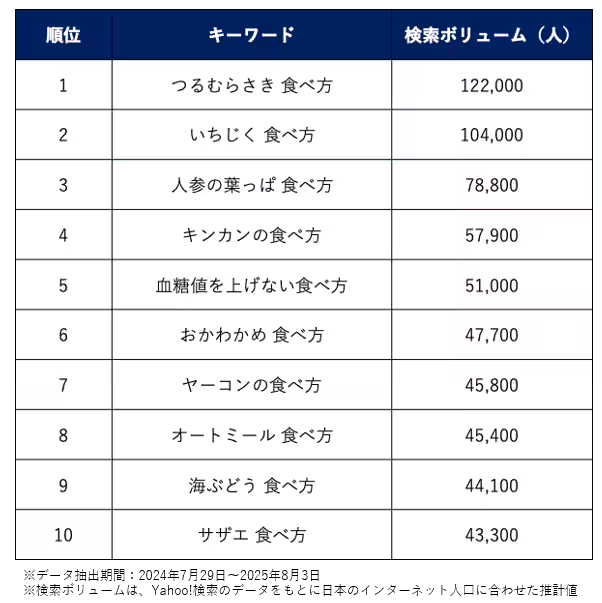
Yahoo's Data Solutions has recently unveiled a comprehensive report that delves into the cooking methods associated with a variety of seasonal and uncommon ingredients. The findings, drawn from extensive analysis of big data generated by user searches, illuminate the mysteries behind user inquiries about how to prepare lesser-known foods like "tsurumurasaki," "okawakame," and many others.
Between July 29 and August 3, 2025, an analysis of keywords frequently searched alongside "cooking methods" revealed rankings showcasing some surprising contenders. Given that these ingredients are not widely known, it is apparent that users often seek out guidance on how to make the most of their unique selections.
Trending Seasonal Ingredients
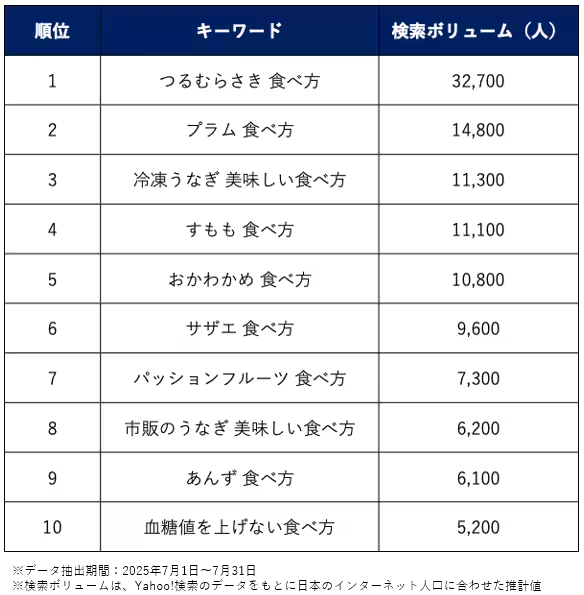
Continuing with seasonal trends, the study highlighted specific searches during summer and autumn. In July 2025, alongside the obscure ingredients, searches for fruits such as "plum," "loquat," and "apricot" surged. Hearty seasonal foods like "frozen eel," "store-bought eel," and "turban shells" were also widely explored. The spike in eel-related searches aligns with the tradition of consuming eel on "Doyo no Ushi no Hi" in Japan, while turban shells often correlate with outdoor barbecues and recreational outings.
Additionally, queries related to enhancing the flavor of pre-prepared dishes, such as "delicious eel preparation methods," suggest that users are looking to elevate their dining experience even with store-bought options.
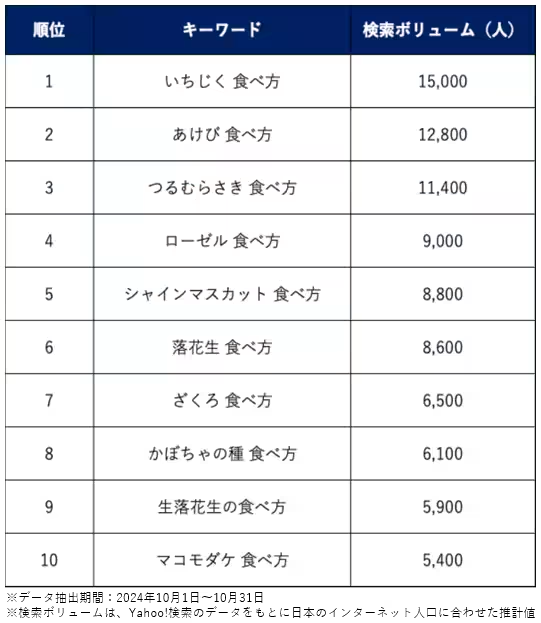
As the seasons transitioned, the ranking for October 2024 included popular fruits like "figs," "akebi," "Shine Muscat grapes," and "pomegranates." Interestingly, more exotic ingredients like "roselle"—a type of hibiscus used for jams and herbal teas—and the little-known "makomotake" emerged prominently in the searches as well. Such unfamiliar foods often drive users to seek out advice on preparation methods.
Age-Related Search Trends
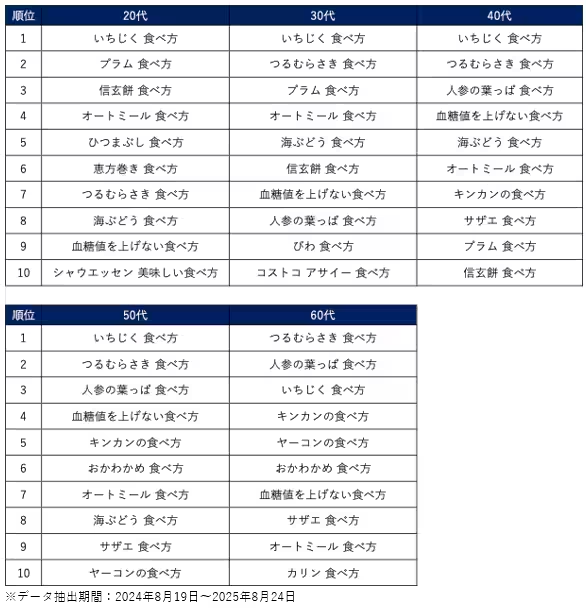
Exploring the preferences of various generations, the data showcased intriguing distinctions in search terms used by different age groups between 20 and 60 years. Universally popular keywords included items like "figs," "tsurumurasaki," "oatmeal," "sea grapes," and recipes for foods that help maintain stable blood sugar levels.
However, age-specific preferences became apparent. For example, in the 20s demographic, queries related to regional specialties and seasonal delicacies, such as "Shingen mochi," "hitsumabushi," and "Ehomaki," ranked high. This curiosity may stem from travel or cultural events.
In the 30s category, results featured a query linked to specific brands such as "Costco acai," indicating a trend where brand allegiance influences search behavior.
On the other end of the spectrum, the older demographic predominantly expressed interest in ingredients like "kinkan," "yacon," and "quince." These search terms suggest a connection to gifting or home gardening, as these ingredients are often encountered in those contexts.
Tools and Future Directions
This study utilized the DS.INSIGHT Basic tool, allowing users to draw valuable insights from Yahoo’s extensive data pool. Yahoo's Data Solutions continues to thrive on the potential and engagement that big data can generate, aiming to share valuable insights that benefit society at large.
For those craving a deeper dive into these fascinating insights, the full report is accessible at Yahoo's Data Solutions Report.
Conclusion
Yahoo's commitment to dissecting and presenting how consumers interact with food is a reflection of our changing culinary landscape. With an ever-growing interest in unique and healthy foods, the company’s ongoing exploration of data analytics promises to offer vital stats that can shape our eating habits and cooking practices in the future.

Topics Consumer Products & Retail)
【About Using Articles】
You can freely use the title and article content by linking to the page where the article is posted.
※ Images cannot be used.
【About Links】
Links are free to use.