



A New Initiative to End HIV Epidemic by 2030 Launched with Leslie Kee
A New Initiative to End HIV Epidemic by 2030
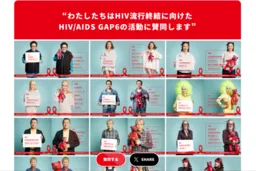
In an inspiring move towards combating the HIV epidemic, the HIV/AIDS GAP6 consortium, in collaboration with UNAIDS, has announced the launch of a groundbreaking Photo & Movie Project featuring renowned photographer Leslie Kee. This initiative is dubbed "From Knowledge to Action: Let's End the HIV Epidemic" and aims to galvanize public support to achieve the goal of ending the HIV epidemic by the year 2030.
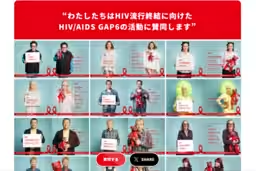
Alongside this announcement, a dedicated website has been launched, accessible at Ending HIV GAP6. The site showcases powerful portraits captured by Kee, featuring individuals who stand in solidarity against HIV. Each portrait is accompanied by a Q&A segment that aims to dismantle common misconceptions and stigma surrounding HIV/AIDS, providing a clearer understanding of the issue.
The project has garnered the participation of various influential figures, including model SHIHO and celebrity talent Kanda Uno, who leverage their considerable reach to enhance social awareness on this critical health issue. The website also features interactive components that encourage users to express their support for ending the HIV epidemic, including a “Support Us” button and social media sharing capabilities.
In the upcoming weeks and months, the initiative plans to expand its efforts, with further photography sessions and exhibitions organized across multiple cities. This will not only showcase Kee’s work but also serve as a platform for community discussions and awareness-raising events.
Leslie Kee expressed his thoughts on the project, saying, “The subjects I photographed have bravely confronted the misconceptions and biases that persist around HIV/AIDS. Throughout my career, I've witnessed how the power of photography can mobilize social change. Knowing the facts about HIV/AIDS reduces the fear associated with it. 'Knowing' is the first tangible step towards meaningful action. I urge everyone to demonstrate their support through this initiative.”
Gilead Sciences Inc., represented by CEO Andrew Hesketh, has been a key player in promoting this movement. He stated, “In order to end the HIV epidemic, we at Gilead have worked alongside various organizations within GAP6 to address misunderstandings and biases, expand testing opportunities, improve access to prevention methods, and tackle treatment challenges. With less than five years remaining until the target year of 2030, communal efforts will be essential for achieving this goal. It is imperative that communities, governments, healthcare professionals, and citizens unite for this cause. I hope this initiative encourages visible support for efforts to end the HIV epidemic.”
Eamon Murphy, the Regional Director for UNAIDS in the Asia-Pacific, Eastern Europe, and Central Asia, also shared his insights, stating, “Ending the HIV epidemic requires knowledge, solidarity, and action. This project challenges the stigma surrounding HIV and transforms public awareness and understanding into tangible support. UNAIDS is proud to partner with communities in Japan to address this public health threat, aiming to conclude the HIV epidemic by 2030.”
The HIV/AIDS GAP6 consortium consists of various community organizations and corporations that collaborate to dispel misunderstandings and biases surrounding HIV/AIDS. Established on World AIDS Day in 2021, GAP6 aims to raise awareness and address the six key gaps in understanding that exist regarding HIV/AIDS.
HIV (Human Immunodeficiency Virus) is a virus that attacks the body’s immune system, specifically targeting CD4 positive T lymphocytes, which are critical for an effective immune response. When left untreated, HIV can lead to Acquired Immunodeficiency Syndrome (AIDS), a condition characterized by the body’s inability to fight infections. In Japan, a diagnosis of AIDS occurs when an individual displays certain specified diseases linked to HIV infection.
As awareness and resources mobilize through projects like these, there remains hope for a future where the HIV epidemic is effectively managed and ideally eradicated by the target date of 2030.


Topics Health)



【About Using Articles】
You can freely use the title and article content by linking to the page where the article is posted.
※ Images cannot be used.
【About Links】
Links are free to use.