



Understanding the Hidden Post-Operative Journey in Cosmetic Surgery Recovery
Introduction
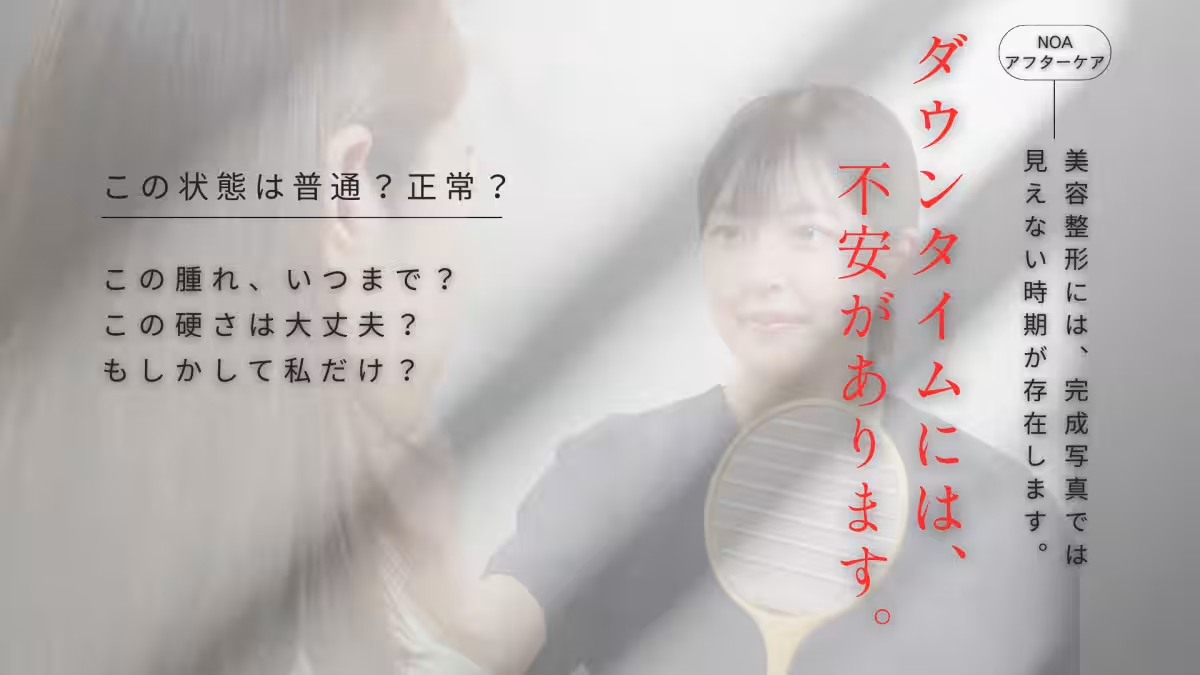
Cosmetic surgery is often glamorized through "before and after" photos, but the true journey extends far beyond these images. Patients frequently grapple with uncertainties about their recovery experience, raising questions like, “Is this normal?” or “Where can I find help?” NOA Aftercare, a specialized post-operative care provider with over 3,000 cases annually, emphasizes that beauty surgery is not merely about the procedure but also the ongoing recovery process that follows.
The Present State of Post-operative Care
Located in Nishishinjuku, Tokyo, NOA Aftercare offers tailored solutions for individuals undergoing major cosmetic procedures, including liposuction and bone contouring. These services address not only the physical effects of surgery—swelling, bruising, and stiffness—but also the emotional and mental aspects during the recovery phase.
In today’s digital age, it’s easier than ever to access information about surgical clinics, doctors, costs, and even patient testimonials through social media and online platforms. However, the journey post-surgery is often less understood and prevalent with anxiety.
Awareness of Recovery: Hidden Obstacles
Despite the wealth of information available about surgical outcomes, many patients often feel unprepared for the transformation their bodies will undergo in the days and weeks following surgery. Understanding that recovery involves time and can introduce various physiological changes is crucial.
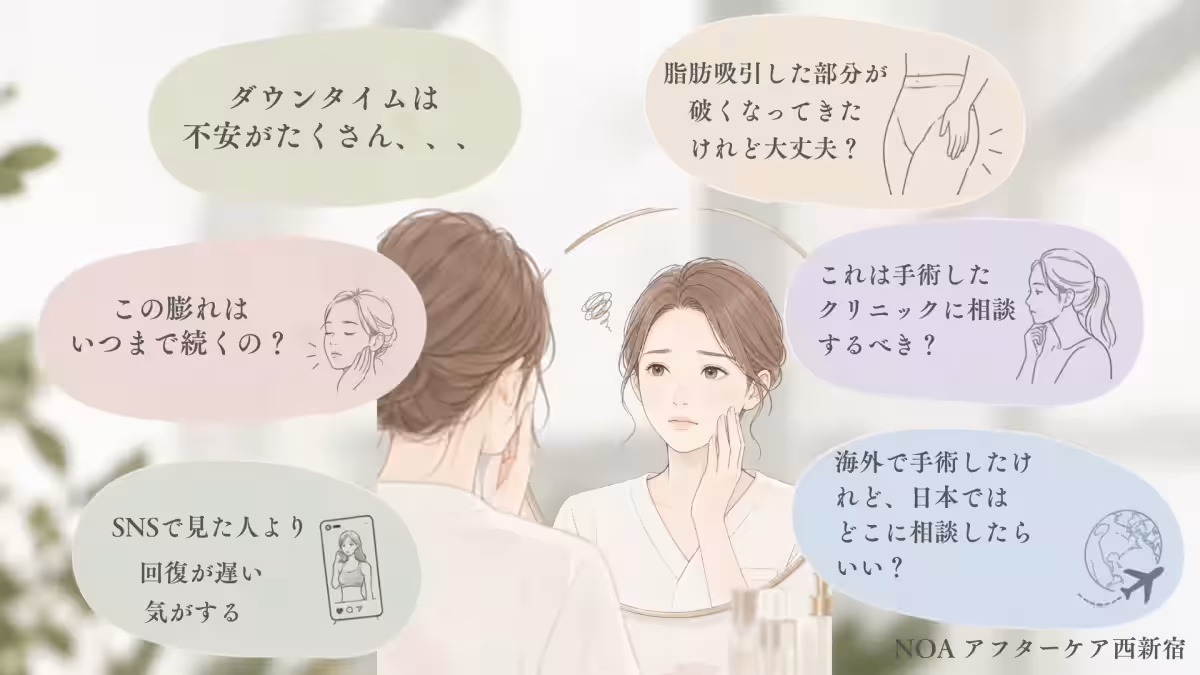
Each surgical procedure has its unique recovery timeline, referred to as "downtime," during which patients may experience swelling, pain, or even emotional turmoil. These can become sources of confusion and stress where questions arise about when normalcy will return and who to consult for support. These uncertainties can lead to significant anxiety, underscoring the need for a supportive post-operative environment.
Recognizing the Post-Operative Anxiety
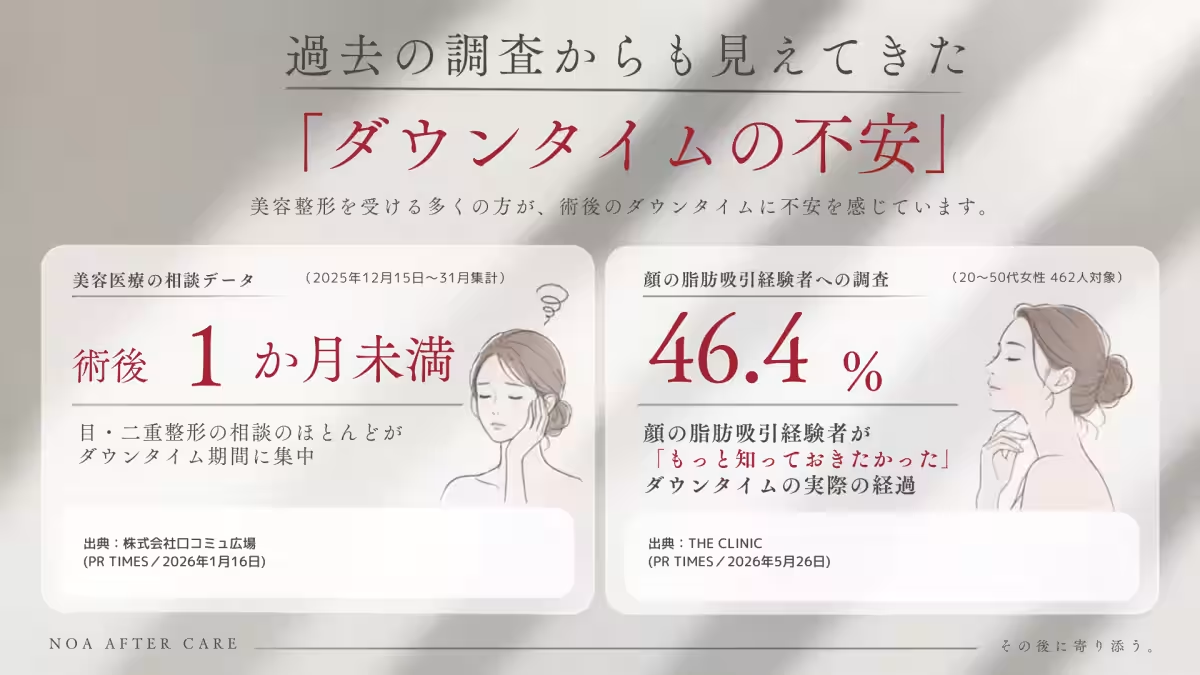
NOA Aftercare is not alone in observing these challenges. Data from PR TIMES reveals that concerns about post-operative recovery are widespread. A survey indicating that many inquiries centered around the first month after surgery highlights what has been termed “downtime refugees,” suggests that patients are often unsure about their recovery status, with significant queries emerging about complications like swelling and asymmetry.
Furthermore, among women aged 20 to 50 who underwent facial liposuction, nearly half indicated that a better understanding of their recovery process beforehand would have been beneficial. This clearly demonstrates a gap in patient knowledge that centers around the journey post-surgery rather than just the anticipated final results.
Real-World Consultation Scenarios
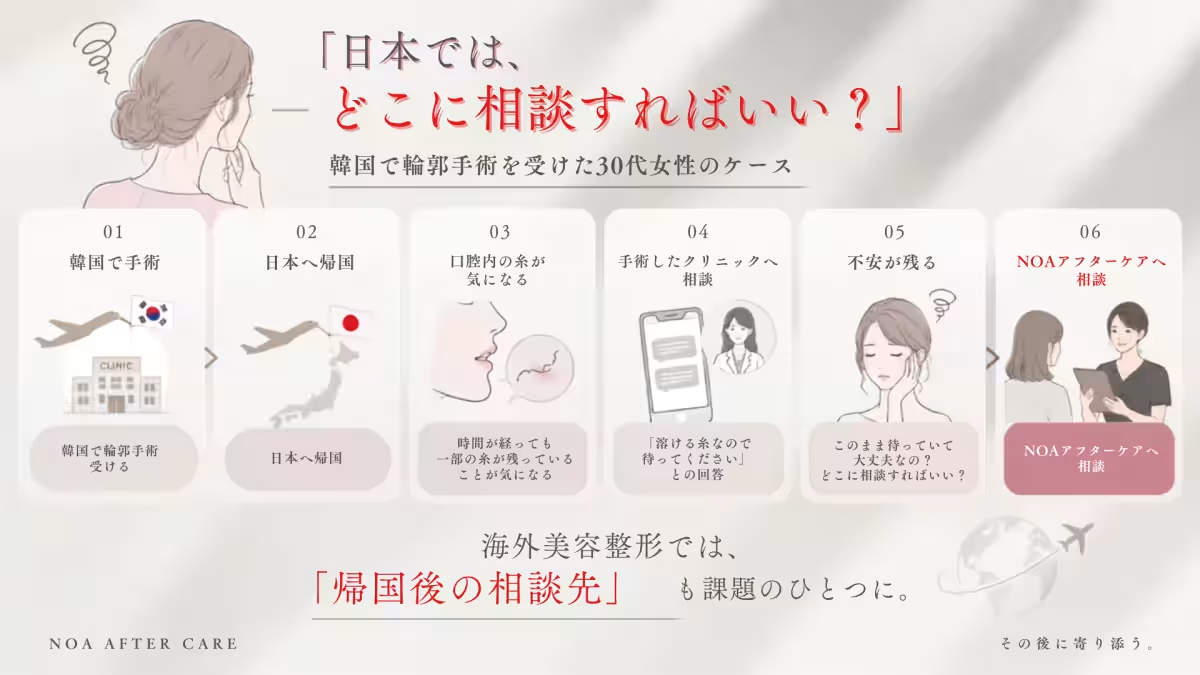
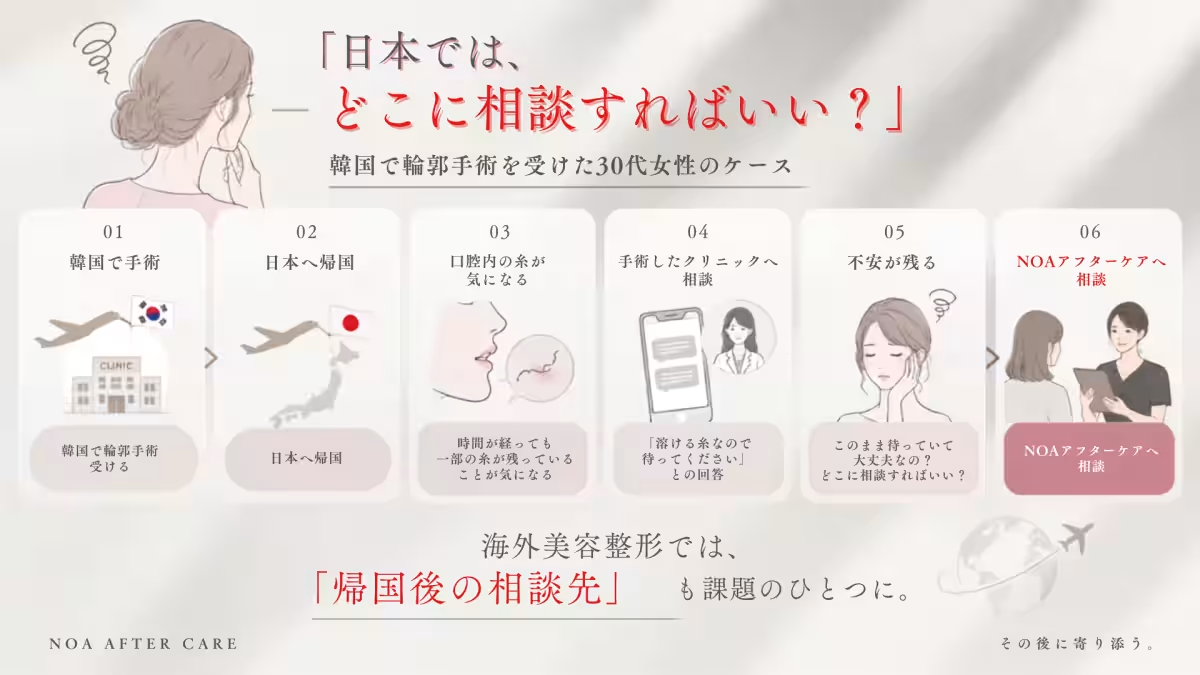
A specific instance illustrates the need for continued support. A woman in her 30s who underwent facial contour surgery in South Korea returned to Japan only to find herself anxious about lingering sutures. Upon contacting her initial medical provider, she was reassured that they were "dissolvable." Yet she still felt uneasy and unsure about the next steps. Questions around seeking local medical advice became pressing, and thus she turned to NOA Aftercare for guidance.
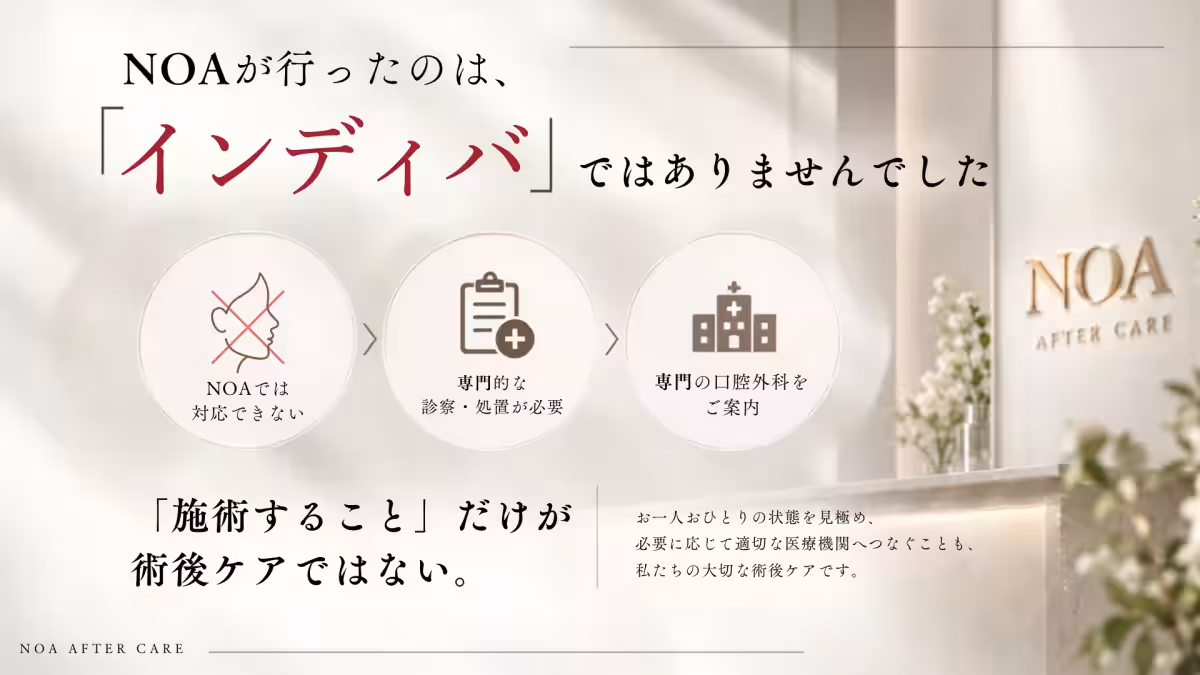
NOA Aftercare's response was not to treat the patient without proper assessment but rather to connect her to a qualified oral surgeon who could address her unique needs. This approach underscores the importance of a network that involves directing patients to the right medical professionals rather than attempting to solve every issue within the aftercare facility.
Expansion Beyond Borders
The landscape of aesthetic surgery is global, with many opting for procedures overseas. While receiving surgery abroad, patients benefit from the immediate support of their medical team. However, upon returning to Japan, they often face barriers related to continued care and consultation. Questions about follow-up practices and physical symptoms can be daunting in a new context.
To productively address these concerns, patients must proactively consider their support systems ahead of time, including potential post-operative care resources available upon returning home.
The Triad of Post-Operative Care Roles
At NOA Aftercare, three critical responsibilities thrive: offering personalized care according to patients’ unique recovery trajectories, providing a safe space for discussing post-operative anxieties, and facilitating connections with specialized medical services when necessary. This comprehensive model promotes healing beyond merely treating physical symptoms, focusing on the overall emotional well-being of clients.
NOA Aftercare: A Growth Story
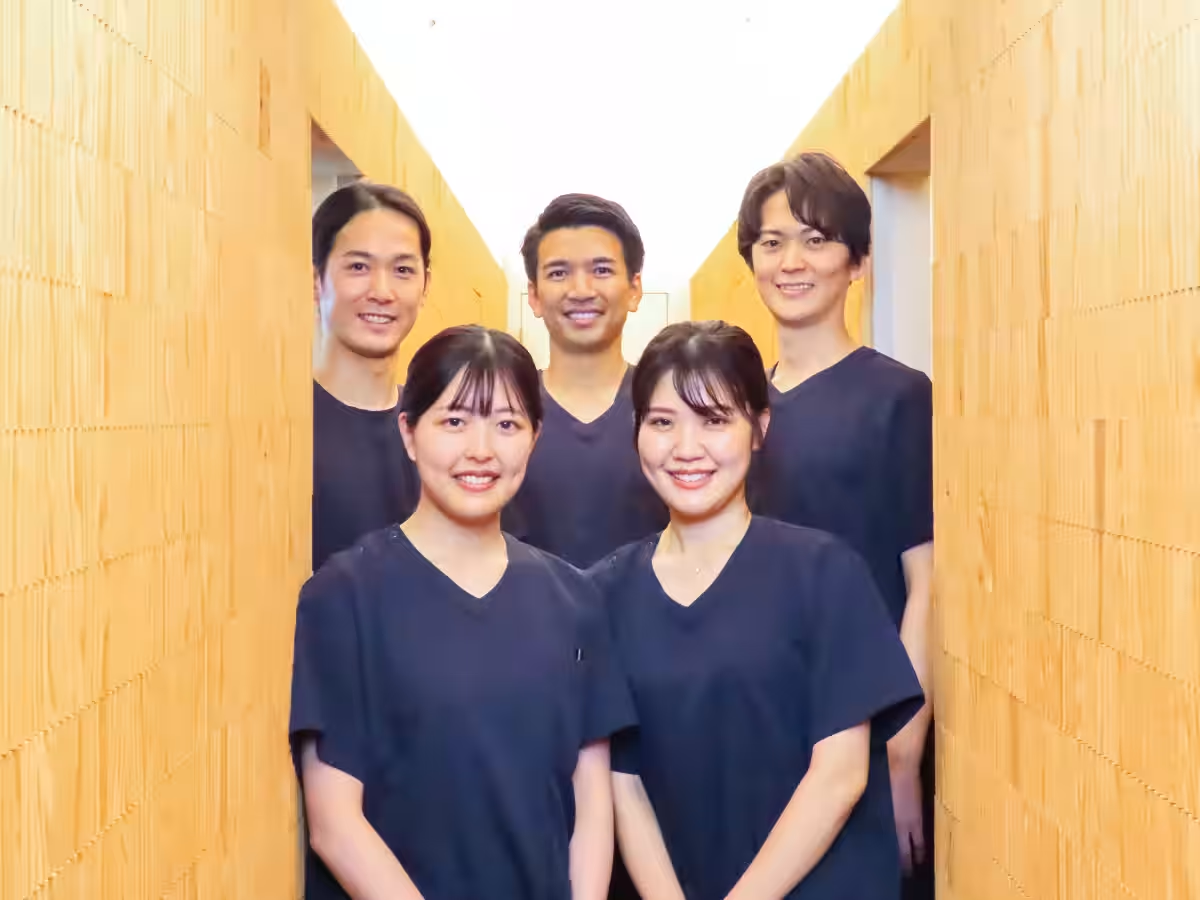
Established in April 2018 from a single inquiry about post-surgery care, NOA Aftercare has blossomed into a chief provider of post-operative assistance, managing over 3,000 cases each year. Staff comprised of licensed acupuncturists, massage therapists, and rehabilitation specialists ensure each client's journey is as smooth and informed as possible.
A Shift in Perspective on Cosmetic Surgery
As patients weigh their cosmetic surgery options thoroughly, they often consider numerous factors, including clinic selection, procedural outcomes, and costs. Yet, it is essential to incorporate discussions of downtime expectations and the overall recovery experience into their considerations. This holistic approach helps foster better understanding and realistic expectations, leading to improved patient satisfaction and peace of mind throughout the surgical journey.
In conclusion, cosmetic surgery should be seen not just as a standalone procedure but as an ongoing experience that requires careful navigation and support. NOA Aftercare aims to cultivate an environment where individuals can transition from surgery to everyday life seamlessly, emphasizing that post-operative care is a vital aspect of the cosmetic experience.

Topics Health)
【About Using Articles】
You can freely use the title and article content by linking to the page where the article is posted.
※ Images cannot be used.
【About Links】
Links are free to use.