



Analyzing COVID-19 Infection and Healthcare Readiness in Okayama Prefecture
Overview of COVID-19 Infection and Healthcare System Analysis in Okayama
As of November 17, 2025, Okayama University, in collaboration with local experts, has compiled and analyzed data regarding the COVID-19 infection situation and healthcare provision in Okayama Prefecture. This analysis draws on weekly updates from publicly available data, including the number of reported patients and healthcare system capacity found on the Okayama Prefecture official website.
The analysis holds significant value as it aims to keep the community informed regarding the ongoing public health situation amid changing circumstances. As the World Health Organization has declared an end to the pandemic, everyday life is slowly returning to normal in Japan; however, understanding the current state of infection and healthcare provisioning is essential for the residents of Okayama.
Current Infection Levels
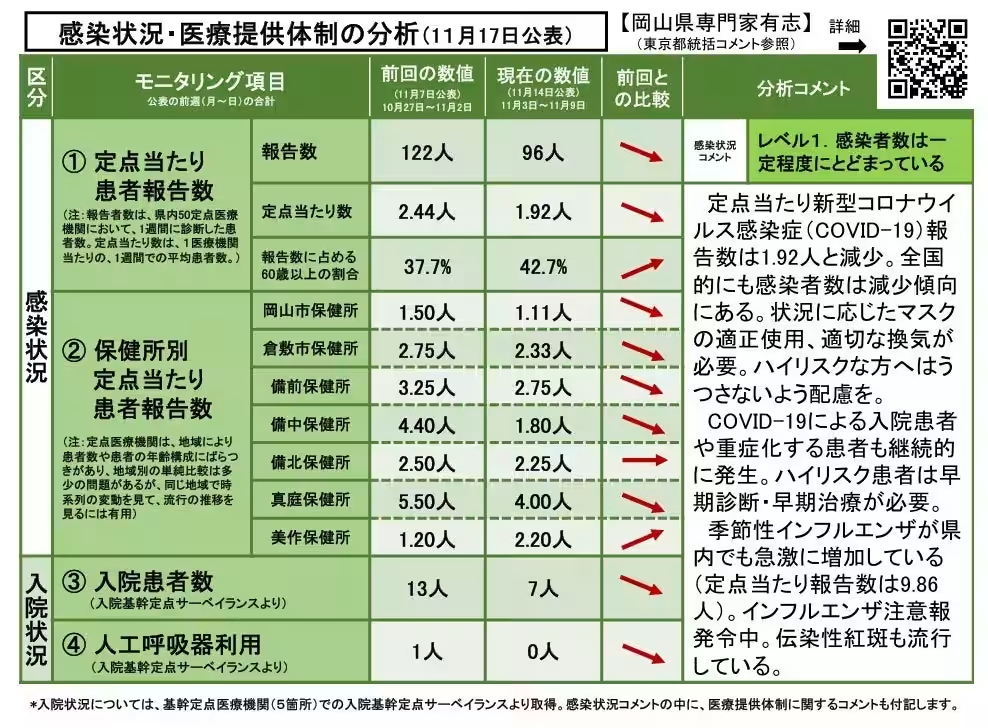
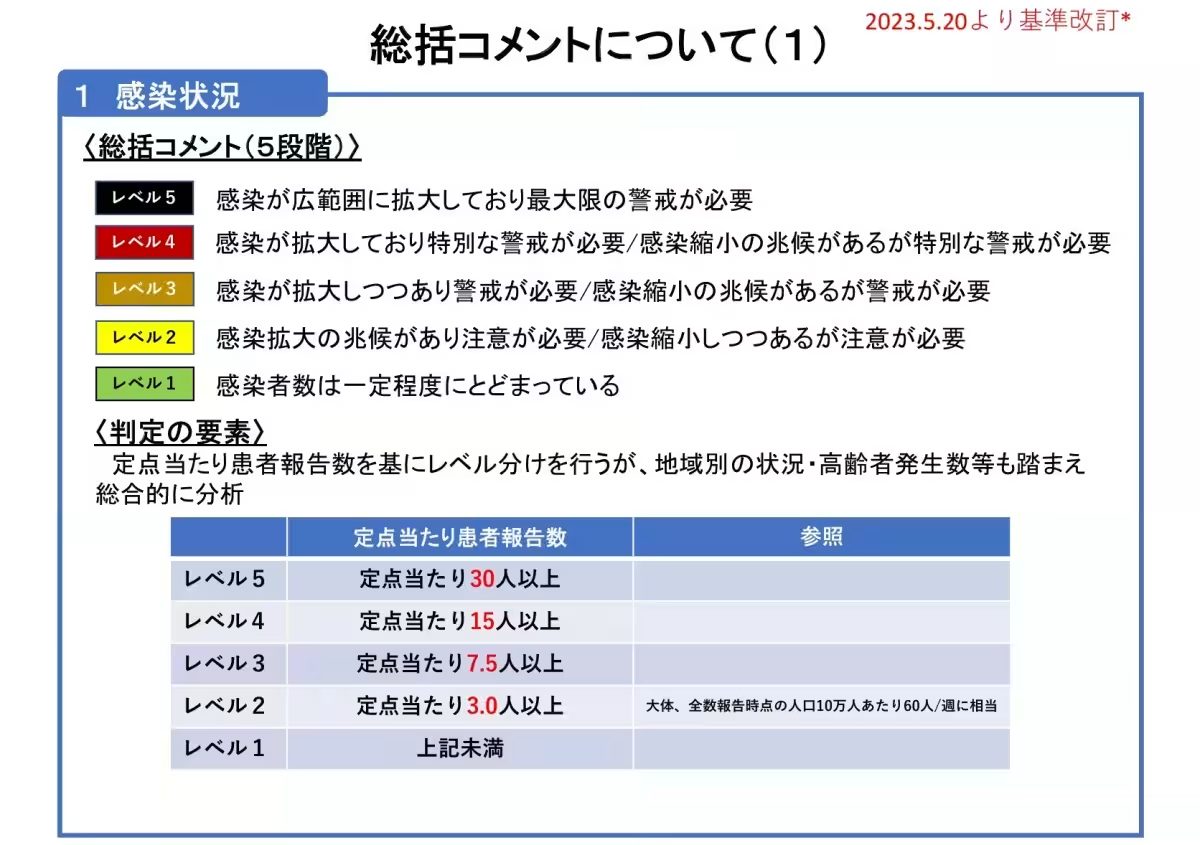
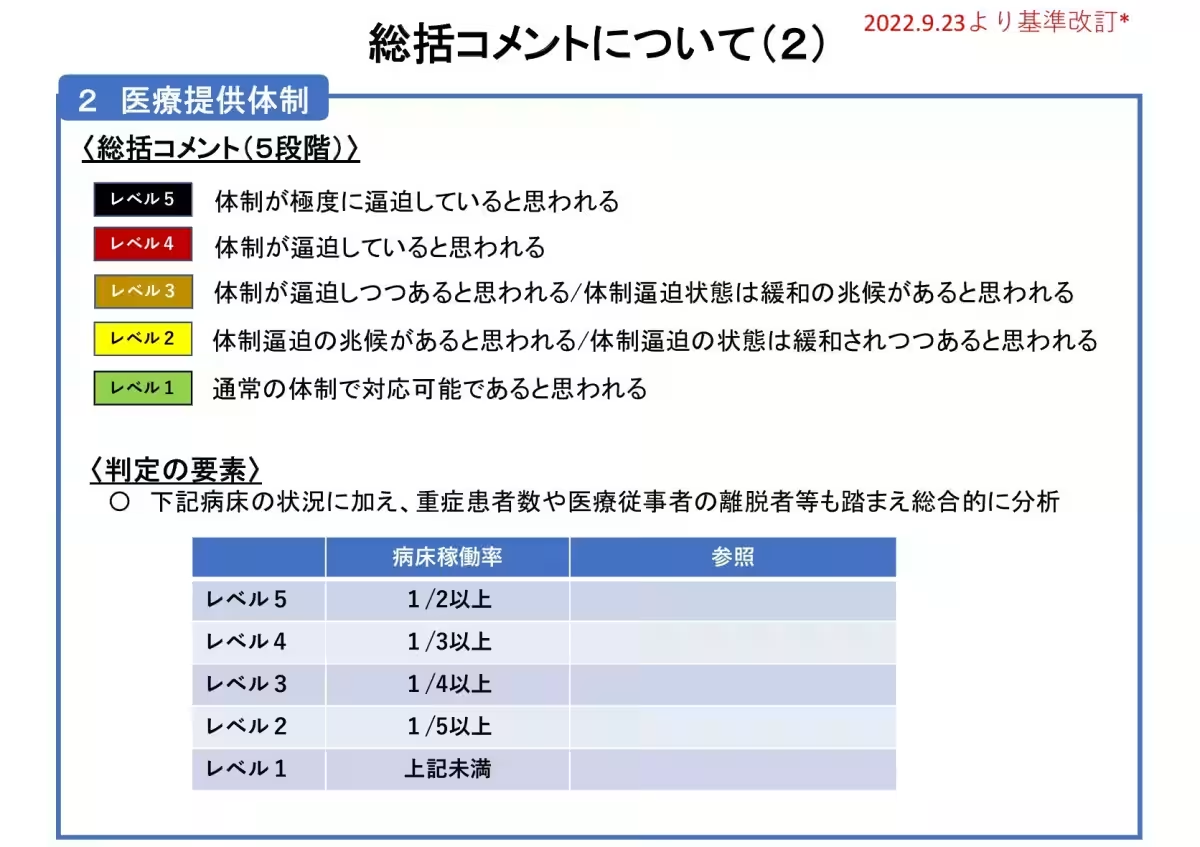
The analysis reveals that the COVID-19 infection rate in Okayama is relatively stable, classified at Level 1, indicating that the number of new cases remains within a manageable range. The reported incidence rate is at 1.92 per surveillance site, showing a slight decrease compared to the previous week. This trend mirrors the national decline in COVID-19 cases, emphasizing the importance of continuing effective preventive measures such as proper mask-wearing and ventilation, especially for high-risk populations.
Even though the infection numbers are decreasing, there remains a continuous occurrence of severe cases, necessitating early diagnosis and treatment for at-risk patients. Additionally, there has been a noticeable spike in seasonal influenza cases across the prefecture, with a reporting rate of 9.86 per surveillance site, triggering influenza warnings. Furthermore, cases of infectious erythema are also on the rise, indicating a complex health landscape that requires ongoing vigilance from healthcare professionals and the community.
Perspectives from Experts
A team of experts, including professors and healthcare professionals from Okayama University, has been actively engaged in monitoring the situation. Their comments provide insight and emphasize the importance of preventive healthcare practices. They suggest that despite the favorable statistics, the community should remain proactive in maintaining recommended health protocols and ensuring the safety of vulnerable populations.
The continuous rise in influenza shows a crucial need for dual vigilance against both COVID-19 and seasonal viral infections. The collaborative efforts of experts in examining these trends help to foster a better understanding of their implications on public health strategies moving forward.
Communication with the Public
The evaluation also underscores the commitment to transparent communication with the public. Weekly updates inform residents about the ongoing health status, aiming to assist in decision-making related to everyday activities and interactions. Local institutions advocate for a collective effort in adhering to health safety guidelines, while also encouraging individuals to stay informed through trusted channels.
In conclusion, as we progress through this dynamic situation, understanding the intricacies of COVID-19 and other viral infections remains paramount for the health and safety of communities in Okayama. Educational resources, expert insights, and data-driven analyses will continue to be pivotal as we navigate through these challenges together.

Topics Health)
【About Using Articles】
You can freely use the title and article content by linking to the page where the article is posted.
※ Images cannot be used.
【About Links】
Links are free to use.