



Analysis of Rental Management Trends Among 1,000 Owners in the Tokyo Area
Insights from the Rental Management Survey in the Tokyo Area
Empire Real Estate Co., Ltd. has conducted a comprehensive survey involving 1,000 rental owners in the Tokyo area to understand current rental management trends. Here we will delve into the intriguing findings from this survey, shedding light on the realities and perceptions of rental management among property owners.
Key Survey Findings
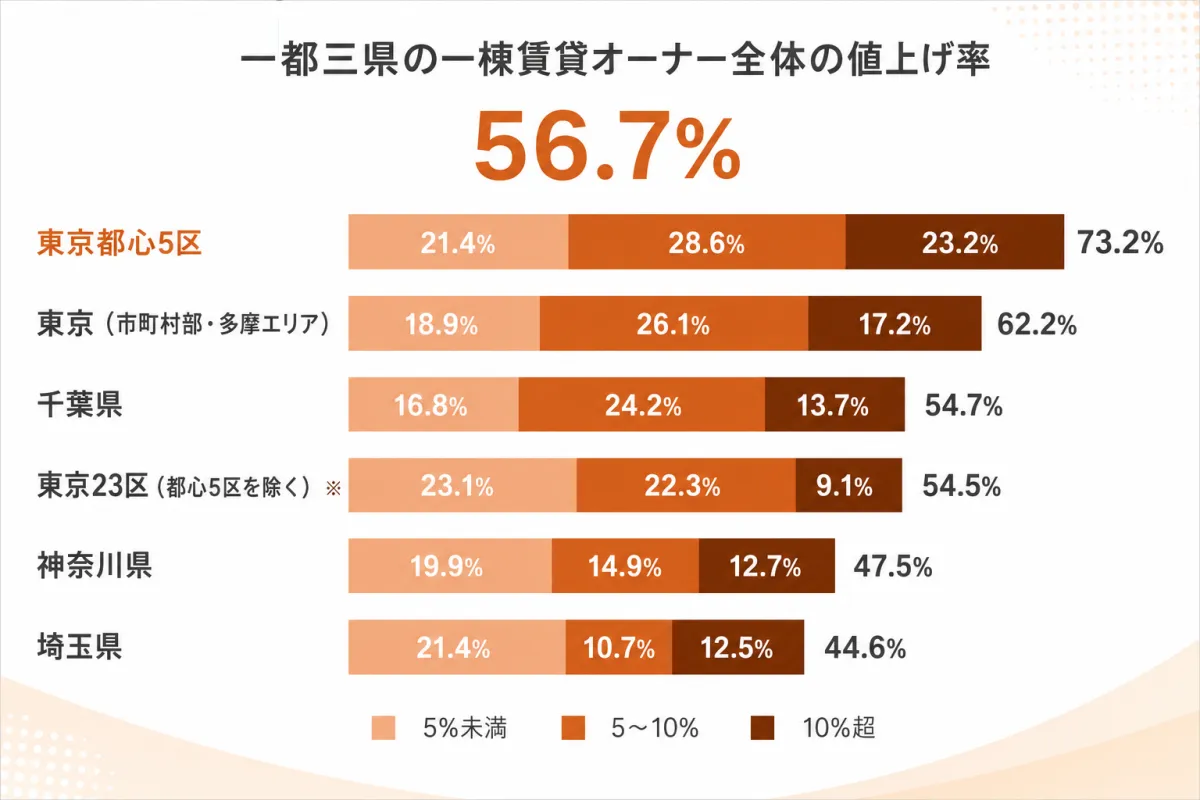
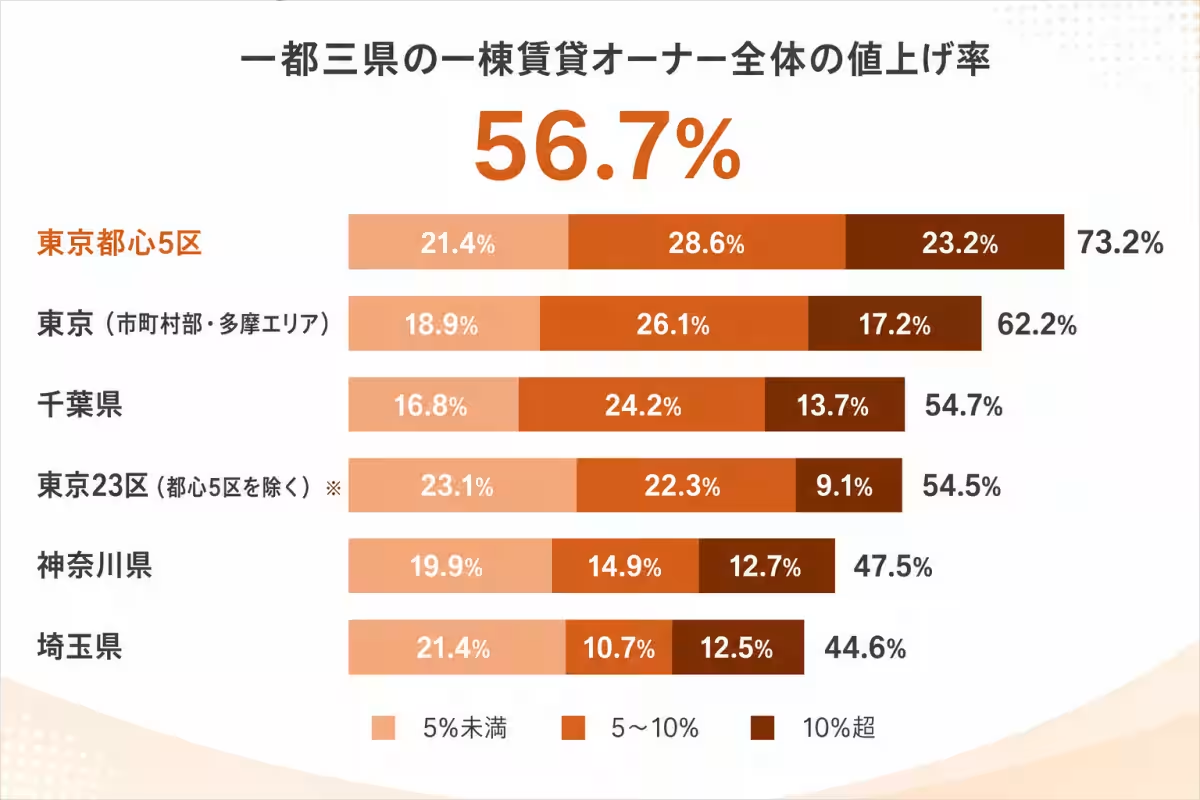
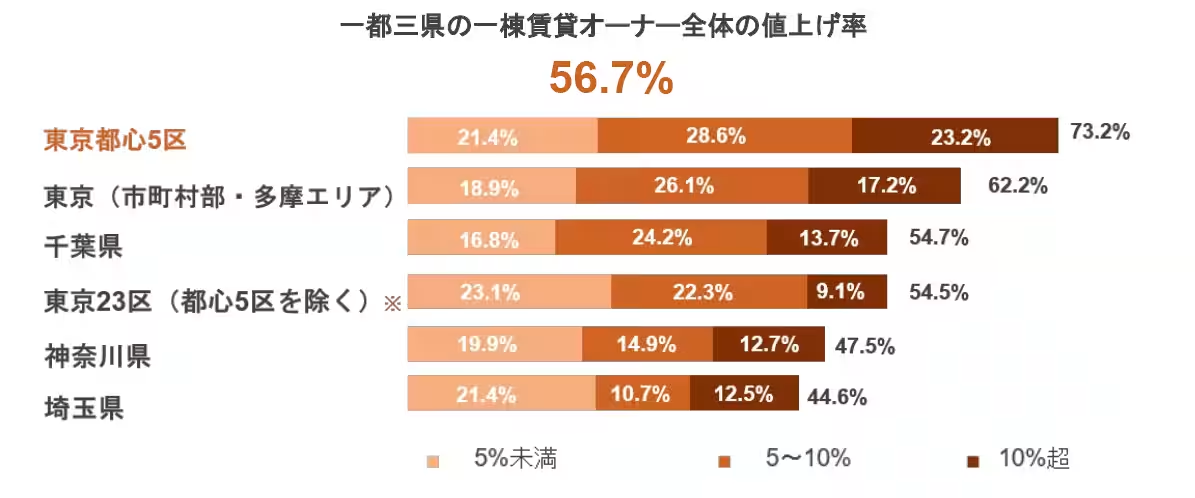
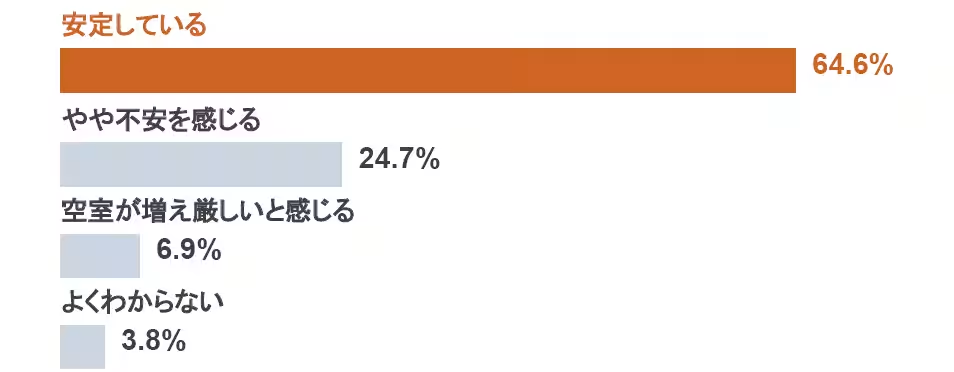
The recent survey results indicate that 56.7% of owners have raised rents, and in the bustling center of Tokyo, this percentage exceeds 70%. This substantial rise reflects a robust rental market, with many owners feeling optimistic about ongoing demand for rental properties. Approximately 64.6% of the surveyed owners reported a stable rental demand, further underlining the positive outlook for rental management.
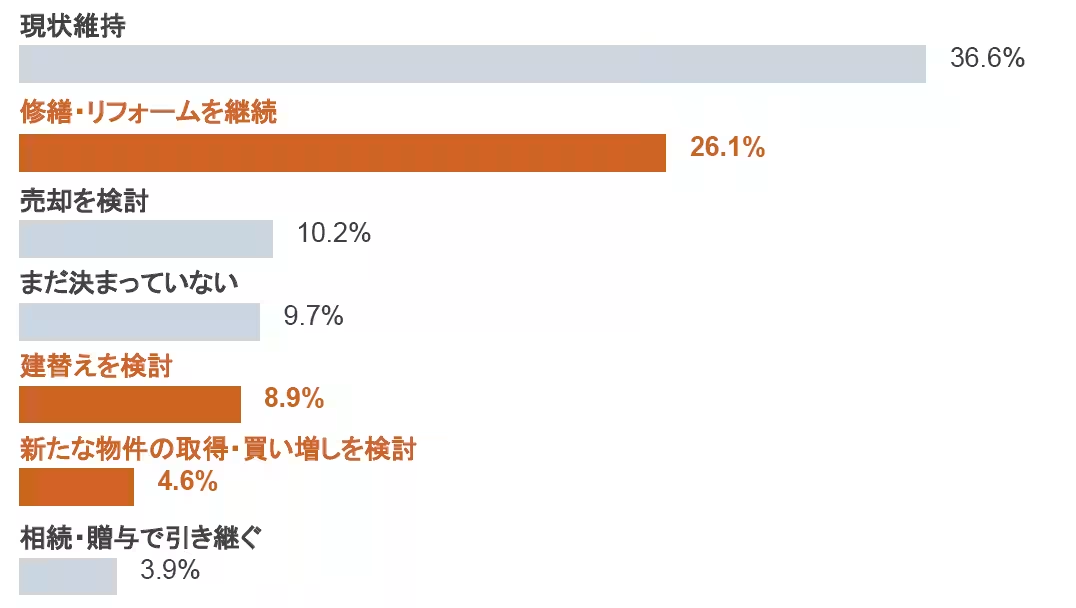
The survey also indicated varying strategies among owners concerning rent adjustments. Around 26.1% are inclined towards continuous repairs and renovations, while 13.5% are considering redeveloping or expanding their properties. Such proactive measures suggest an intent among nearly 40% of owners to enhance their asset value.
Understanding the Impact of Rental Agreements
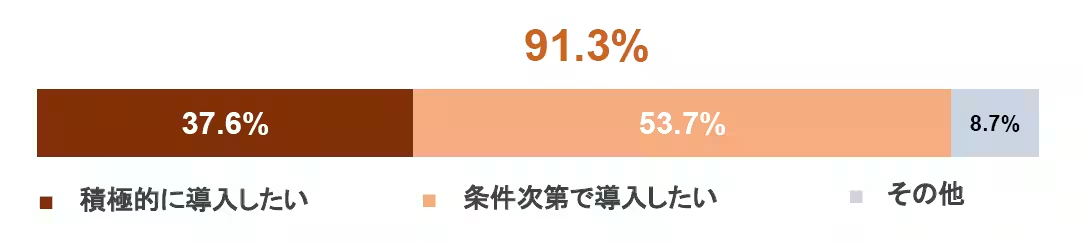
On the topic of rental agreements, the survey highlighted a significant 91.3% of owners interested in implementing periodic rental agreements, perceiving them as easier for future rent adjustments. This shift towards periodic agreements could signify an important trend in how rental owners are approaching their contract negotiations and management strategies.
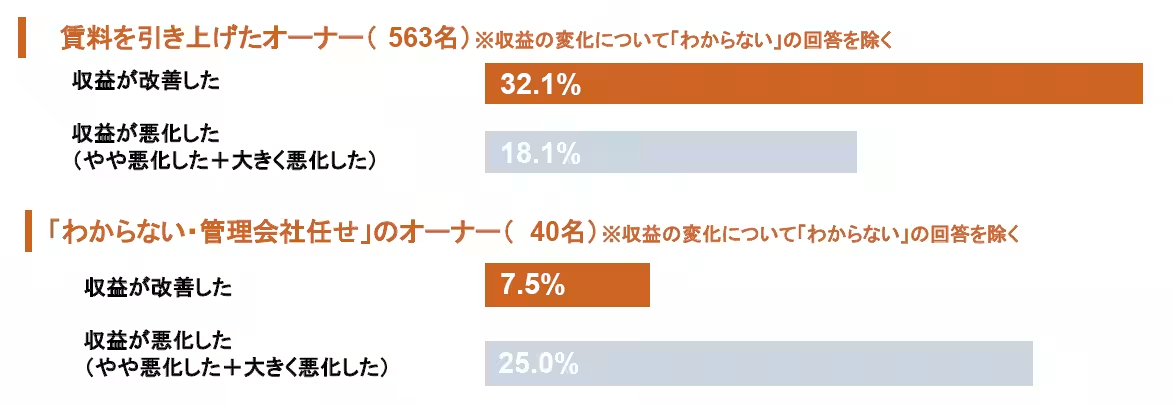
Interestingly, there is a stark contrast in the revenue improvement rates between owners who have adjusted rents and those who have relied on property management firms. Those who actively review rents noted an impressive 32.1% improvement in income, compared to just 7.5% among those who deferred to management companies. This finding underscores the importance of taking an active role in management rather than outsourcing it entirely.
Challenges in Raising Rent
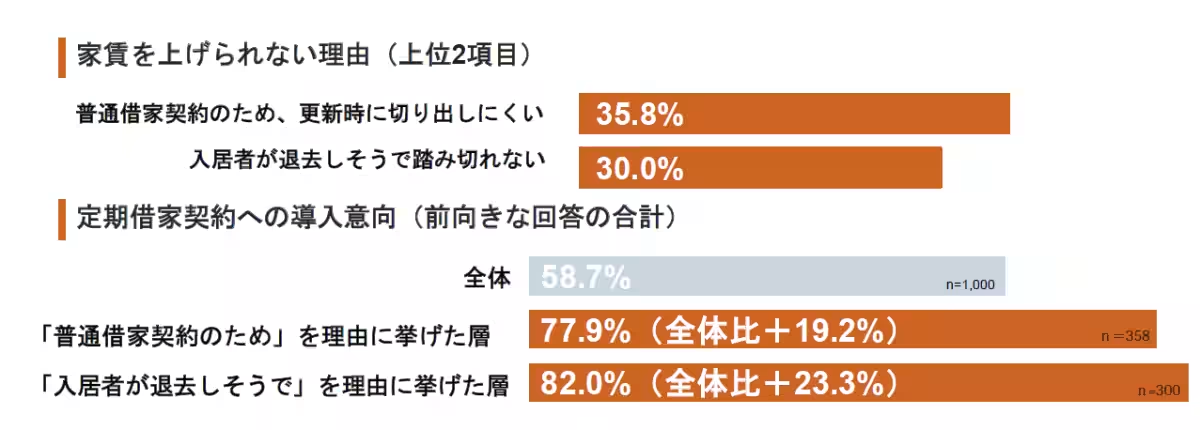
However, many owners face challenges when it comes to raising rents. A predominant factor cited by 35.8% of respondents was the limitations imposed by standard leasing contracts, making it difficult to propose increases upon lease renewal. The anxiety surrounding tenant retention also influences owners' decisions on raising rents.
The desire to transition to periodic rental agreements was notably high. Among those who felt constrained by traditional contracts, 77.9% expressed interest in adopting newer terms, illustrating a clear understanding of the need for flexibility in the current rental landscape.
The Importance of Area Selection and Knowledge
The survey also revealed a notable disparity based on geographical considerations. Two-thirds of the rental owners acknowledged stable demand within their respective areas, yet results showed that the choice of location greatly affected rent increase potential. This necessitates a meticulous approach to property acquisition—one that relies not merely on instinct but on solid data regarding market demand and demographic shifts.
Empire Real Estate leverages its comprehensive analysis across approximately 1,300 stations in the greater Tokyo area to establish a unique ranking of locations based on rental desirability. This data-driven strategy aligns with their goal of attracting a demographic of young renters, demonstrating the clear necessity of adapting to market shifts and tenant preferences.
Conclusion
The findings of this survey paint a compelling picture of the rental management landscape in Tokyo and its surrounding areas. As inflation continues to present challenges, ensuring that rents align with market trends appears vital for sustaining profitability. The distinction in revenue growth between those proactively involved in management versus those who are not highlights the potential for substantial returns through active engagement in rental adjustments and contract negotiations.
Empire Real Estate remains committed to empowering rental owners by providing insights and strategies based on robust data and expert finance knowledge. As they look towards future developments, the company aims to foster not only profitable individual investments but also a healthier rental market overall, ultimately contributing to community growth and sustainability.

Topics Consumer Products & Retail)


【About Using Articles】
You can freely use the title and article content by linking to the page where the article is posted.
※ Images cannot be used.
【About Links】
Links are free to use.