



Preparing for Emergencies: The Importance of Staying in Your Condo During Disasters
Preparing for Emergencies: The Importance of Staying in Your Condo During Disasters
As natural disasters become more frequent, understanding the best practices for disaster preparedness is essential, especially for residents living in condominiums. In a recent interview with Mr. Kazuyuki Kakiya, Representative Director of the Condominium Disaster Prevention Association, we discussed vital strategies for staying safe in high-rise buildings during emergencies.
Changing Mindsets in Disaster Preparedness
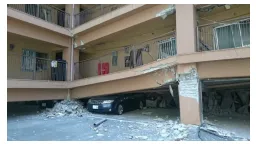
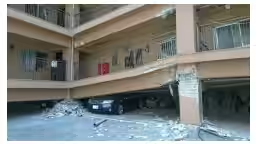
Traditionally, many believed that living in a condominium was safer due to its structured engineering, making it less likely to collapse during an earthquake. However, events like the Great East Japan Earthquake and the Kumamoto Earthquake have demonstrated that even if a building remains standing, life within it can become chaotic and perilous. In Tokyo, about 70% of residents live in condos, highlighting a critical need for proper planning and guidelines for those living in these shared spaces. When disasters strike, the actions taken by condo inhabitants can greatly influence the recovery efforts for the broader community.
What Happens Immediately After a Disaster
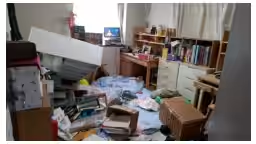
During a significant earthquake, particularly in mid- to high-rise buildings, residents may experience prolonged shaking, leading to disorder within their homes. Furniture may topple, glass could shatter, and water may overflow from bathtubs. In the confusion, many residents may instinctively rush outside for information or safety. However, this collective descent can pose a severe risk. Elevators typically stop functioning in disasters, necessitating an evacuation via stairs, which can result in dangerous crowd surges or blockages that hinder escape routes. Moreover, emergency shelters like schools have limited capacities, which means not all residents can find refuge there. Thus, unless serious structural damage has occurred, the recommended action is often to



Topics Other)







【About Using Articles】
You can freely use the title and article content by linking to the page where the article is posted.
※ Images cannot be used.
【About Links】
Links are free to use.