



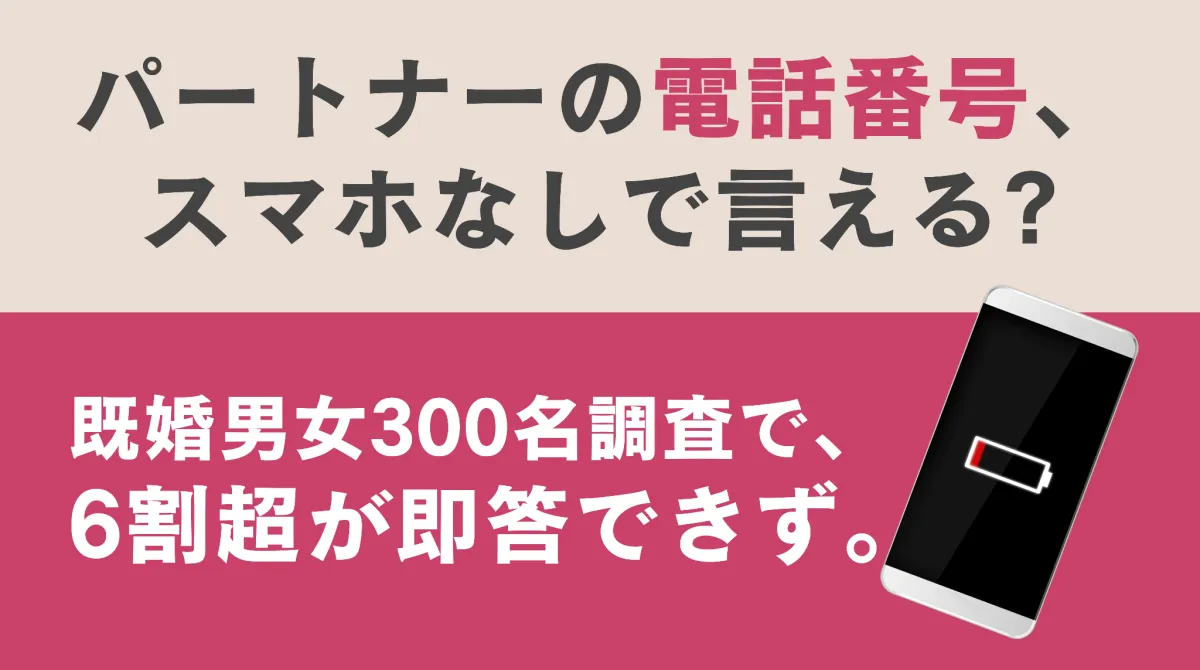
The Importance of Personal Preparedness: What Couples Should Know for Disaster Readiness
When it comes to disaster preparedness, many individuals often focus on the physical supplies like food, water, and emergency kits, while neglecting an equally crucial aspect: personal information and communication with loved ones. Recent findings from a survey conducted by the Japan Romanticist Association reveal a startling statistic—that over 60% of married individuals cannot confidently recall their partner’s phone number. This figure underscores a significant gap in what should be a fundamental understanding between couples, especially in the event of an emergency.
In an effort to examine the current state of disaster preparedness among couples, the association surveyed 300 married individuals aged between 20 and 49. The results highlighted a stark reality: only 38.7% could accurately recite their partner's contact number without any aid. This lack of basic information becomes particularly alarming during disasters when access to smartphones may be compromised due to dead batteries or device malfunctions, severing crucial communication lines between spouses.
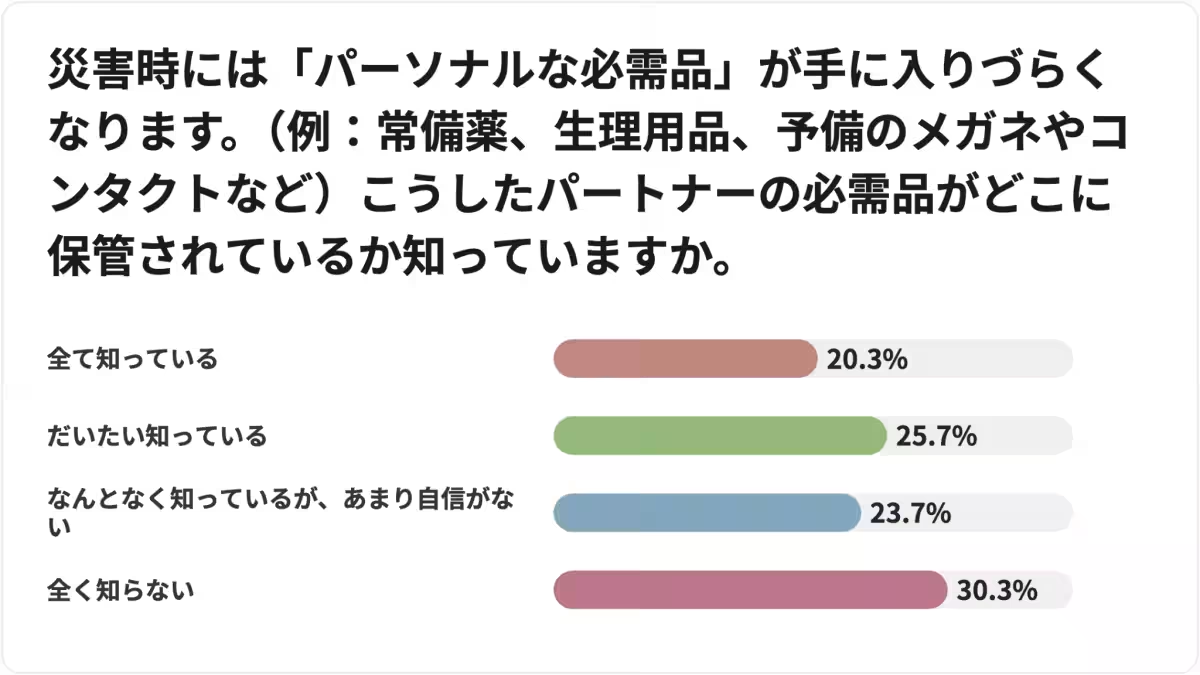
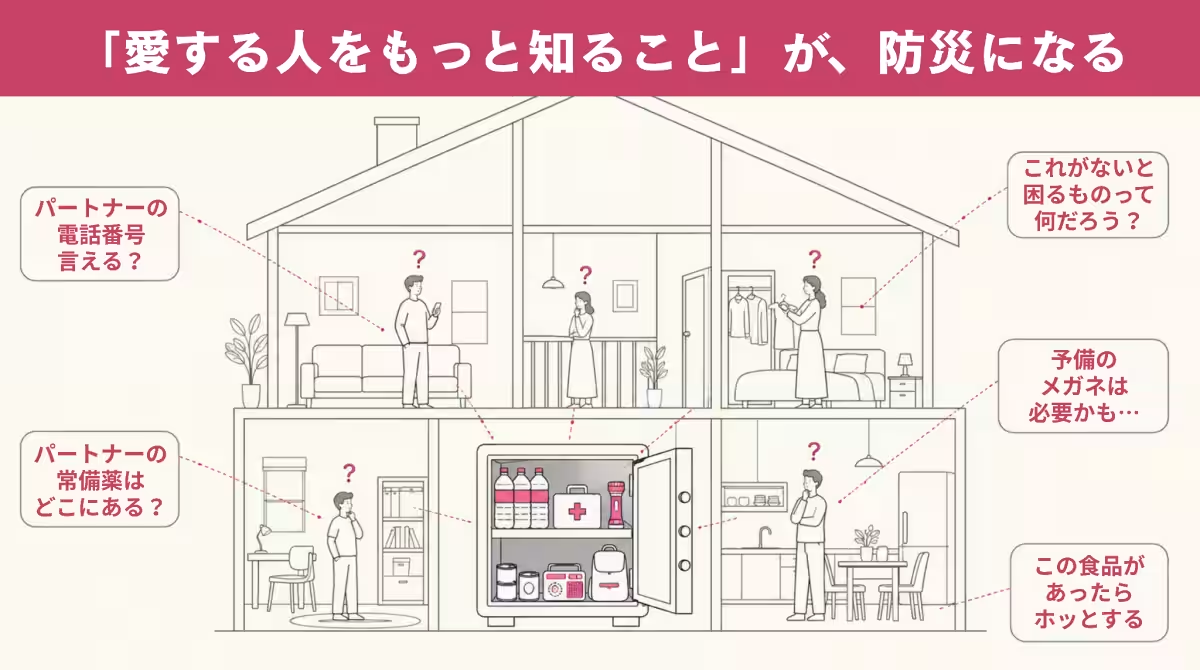
Furthermore, the survey revealed that more than half (54%) of respondents do not know the location of their partner’s essential items, such as regular medication, glasses, contact lenses, and feminine hygiene products. While couples might stockpile food and water, they often lack knowledge regarding ‘personal essentials’ that would be critical during a disaster.
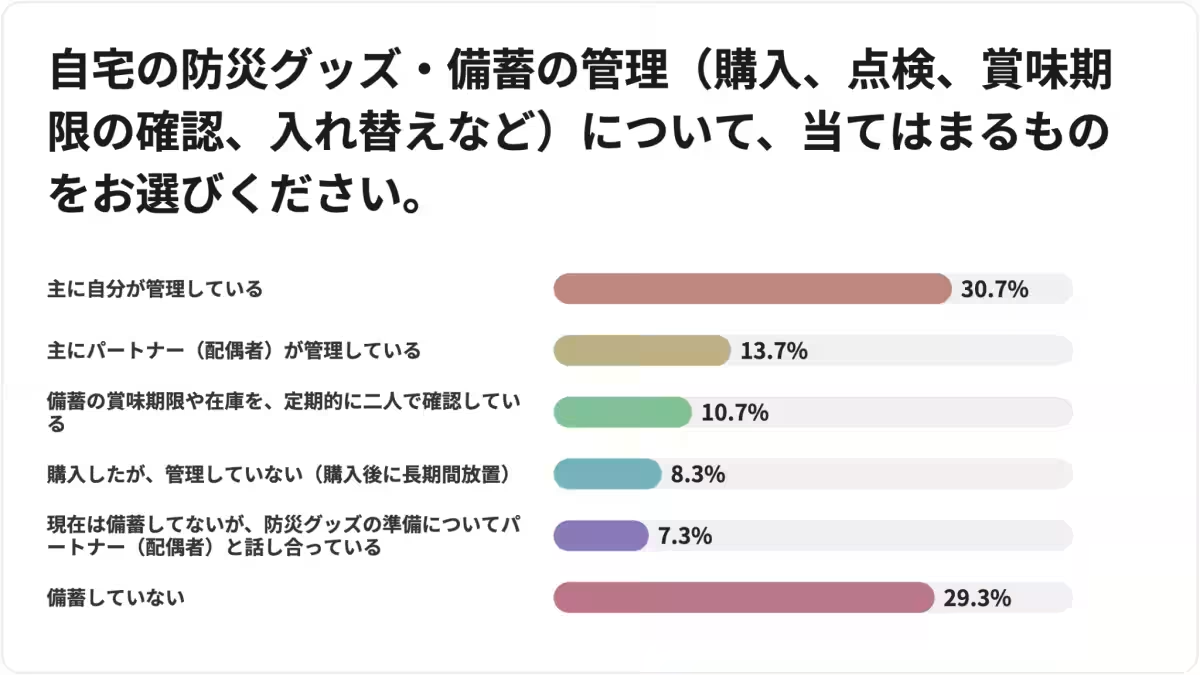
Even among those who do have disaster supplies, a mere 10.7% regularly check the inventory together as a couple. This indicates a troubling trend: crucial emergency preparedness information often remains one-sided, meaning that one partner tends to shoulder the responsibility while the other remains oblivious.
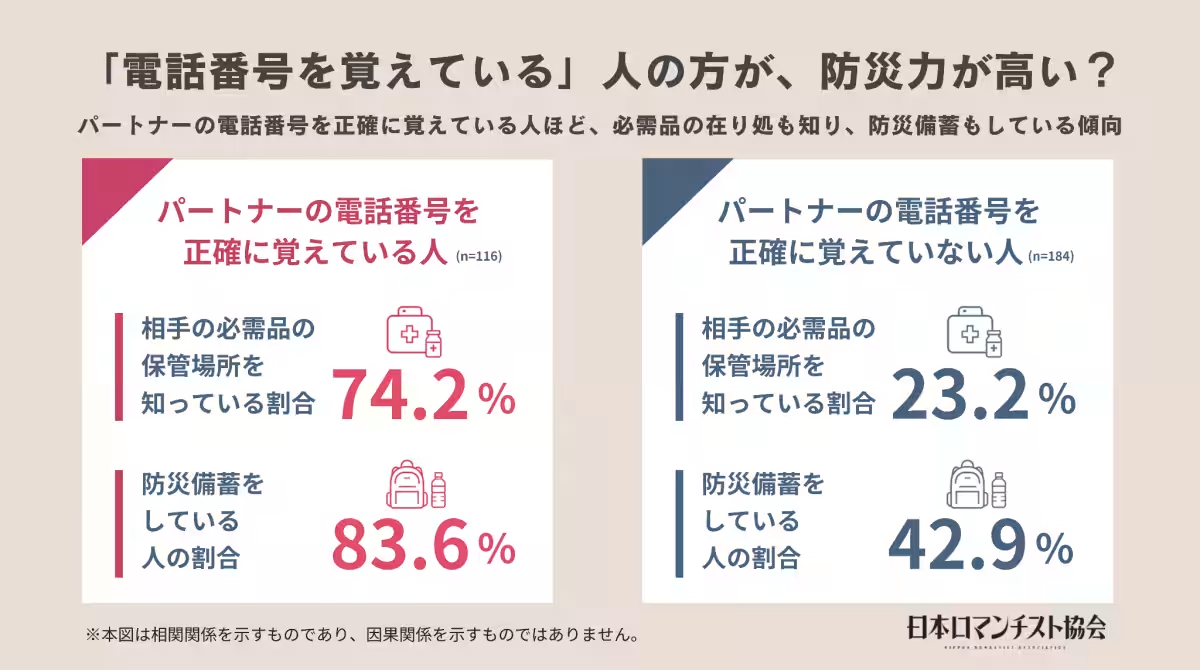
Interestingly, a correlation exists between the knowledge of a partner’s phone number and their awareness of essential items. Those who could accurately recall their spouse's contact information were also more likely to know the whereabouts of their partner's necessities (74.2%). In contrast, among those who could not recall the number, only 23.2% were informed about their partner’s essential items. This suggests that basic communication is linked to overall disaster preparedness.
Moreover, the percentage of individuals engaging in disaster preparedness increased significantly with their ability to recall a partner’s phone number—83.6% of those with this knowledge claimed to have taken steps to prepare for disasters. These findings emphasize that a couple’s ability to coordinate and act effectively during emergencies can directly be influenced by their ongoing relationship dynamics and communication.
On this year's Disaster Prevention Day, September 1st, the Japan Romanticist Association advocates for what they term 'information preparedness' between partners. This can be approached in several ways:
1. Test Recalls: Partners should try recalling each other's phone numbers without looking at their smartphones. Memorizing essential contact information is the first step toward fostering better information readiness.
2. Share Essentials: Discuss and share knowledge about each other’s crucial items like medications and their storage locations. Understanding these necessities allows partners to support each other more effectively during emergencies.
3. Joint Inspection: Couples can revisit their disaster supplies together, ensuring that the inventory includes items that offer comfort and reassurance during uncertain times.
Ultimately, being knowledgeable about your partner’s vital information is not just about disaster preparedness; it’s about embodying care and concern for one another. Couples should view disaster readiness as an extension of their commitment to each other’s safety and wellbeing. The Japan Romanticist Association emphasizes this connection, urging couples to reflect on their relationship and make sure they know not only how to physically prepare for disasters but also how to support each other emotionally and practically.
This survey highlights an overlooked element of personal wellness in disaster preparedness, redirecting attention from solely physical survival tactics to a more holistic approach—understanding and knowing your partner. This Disaster Prevention Day, let’s foster deeper connections and fortify our readiness, not just with supplies but through the essence of shared love and knowledge.
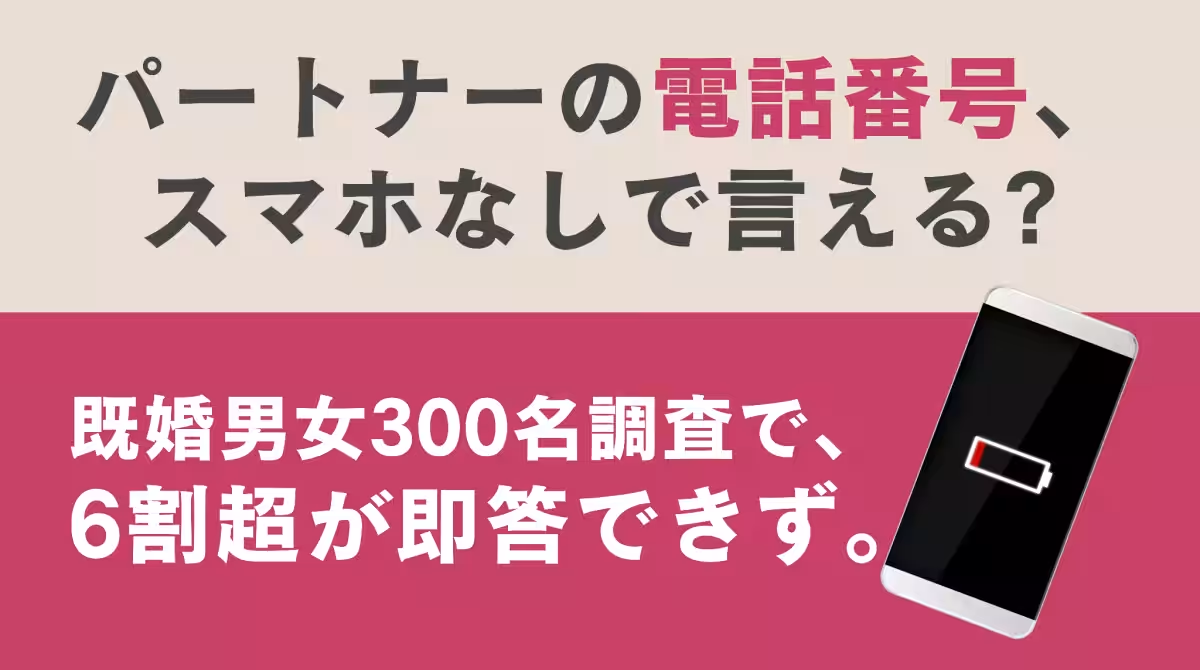
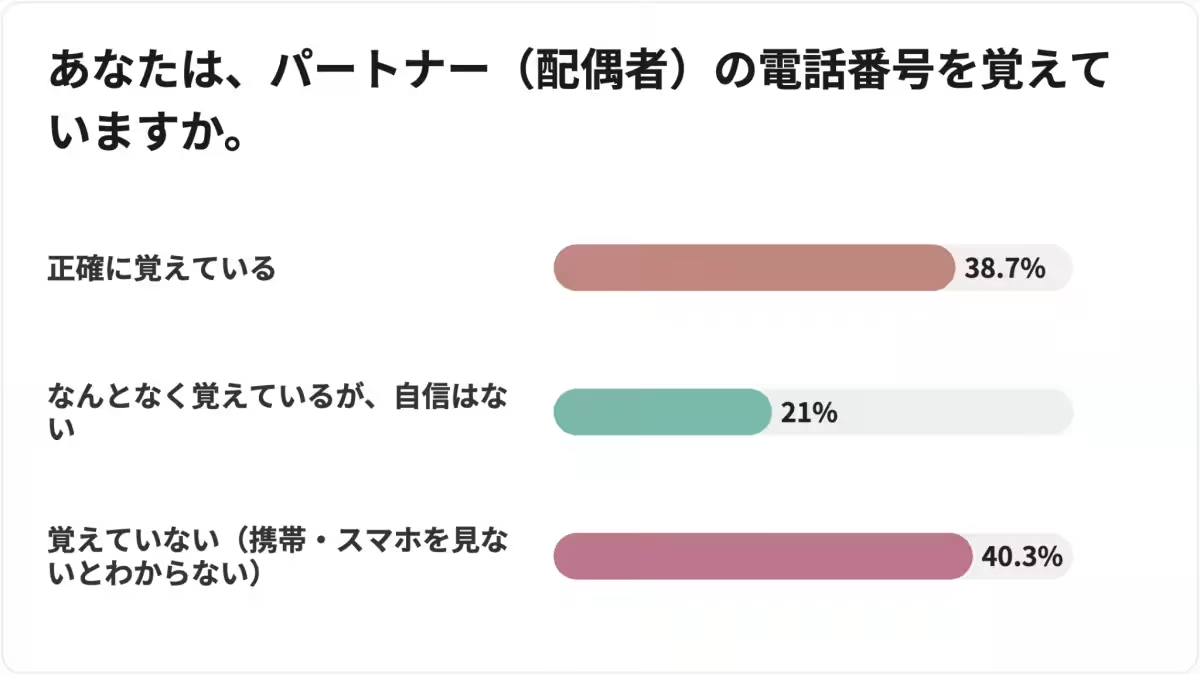

In an effort to examine the current state of disaster preparedness among couples, the association surveyed 300 married individuals aged between 20 and 49. The results highlighted a stark reality: only 38.7% could accurately recite their partner's contact number without any aid. This lack of basic information becomes particularly alarming during disasters when access to smartphones may be compromised due to dead batteries or device malfunctions, severing crucial communication lines between spouses.
Furthermore, the survey revealed that more than half (54%) of respondents do not know the location of their partner’s essential items, such as regular medication, glasses, contact lenses, and feminine hygiene products. While couples might stockpile food and water, they often lack knowledge regarding ‘personal essentials’ that would be critical during a disaster.
Even among those who do have disaster supplies, a mere 10.7% regularly check the inventory together as a couple. This indicates a troubling trend: crucial emergency preparedness information often remains one-sided, meaning that one partner tends to shoulder the responsibility while the other remains oblivious.
Interestingly, a correlation exists between the knowledge of a partner’s phone number and their awareness of essential items. Those who could accurately recall their spouse's contact information were also more likely to know the whereabouts of their partner's necessities (74.2%). In contrast, among those who could not recall the number, only 23.2% were informed about their partner’s essential items. This suggests that basic communication is linked to overall disaster preparedness.
Moreover, the percentage of individuals engaging in disaster preparedness increased significantly with their ability to recall a partner’s phone number—83.6% of those with this knowledge claimed to have taken steps to prepare for disasters. These findings emphasize that a couple’s ability to coordinate and act effectively during emergencies can directly be influenced by their ongoing relationship dynamics and communication.
On this year's Disaster Prevention Day, September 1st, the Japan Romanticist Association advocates for what they term 'information preparedness' between partners. This can be approached in several ways:
1. Test Recalls: Partners should try recalling each other's phone numbers without looking at their smartphones. Memorizing essential contact information is the first step toward fostering better information readiness.
2. Share Essentials: Discuss and share knowledge about each other’s crucial items like medications and their storage locations. Understanding these necessities allows partners to support each other more effectively during emergencies.
3. Joint Inspection: Couples can revisit their disaster supplies together, ensuring that the inventory includes items that offer comfort and reassurance during uncertain times.
Ultimately, being knowledgeable about your partner’s vital information is not just about disaster preparedness; it’s about embodying care and concern for one another. Couples should view disaster readiness as an extension of their commitment to each other’s safety and wellbeing. The Japan Romanticist Association emphasizes this connection, urging couples to reflect on their relationship and make sure they know not only how to physically prepare for disasters but also how to support each other emotionally and practically.
This survey highlights an overlooked element of personal wellness in disaster preparedness, redirecting attention from solely physical survival tactics to a more holistic approach—understanding and knowing your partner. This Disaster Prevention Day, let’s foster deeper connections and fortify our readiness, not just with supplies but through the essence of shared love and knowledge.
Topics Other)
【About Using Articles】
You can freely use the title and article content by linking to the page where the article is posted.
※ Images cannot be used.
【About Links】
Links are free to use.