


Comparative Study on Acne Scar Treatments Reveals Insights on Effectiveness and Costs
Overview of Acne Scar Treatments
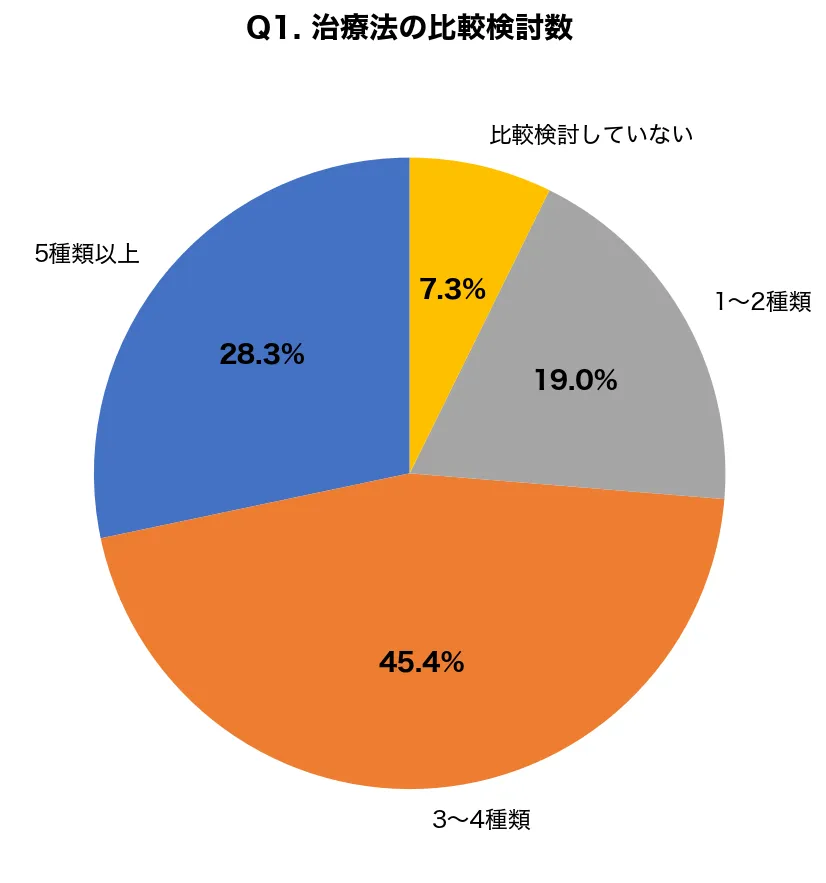
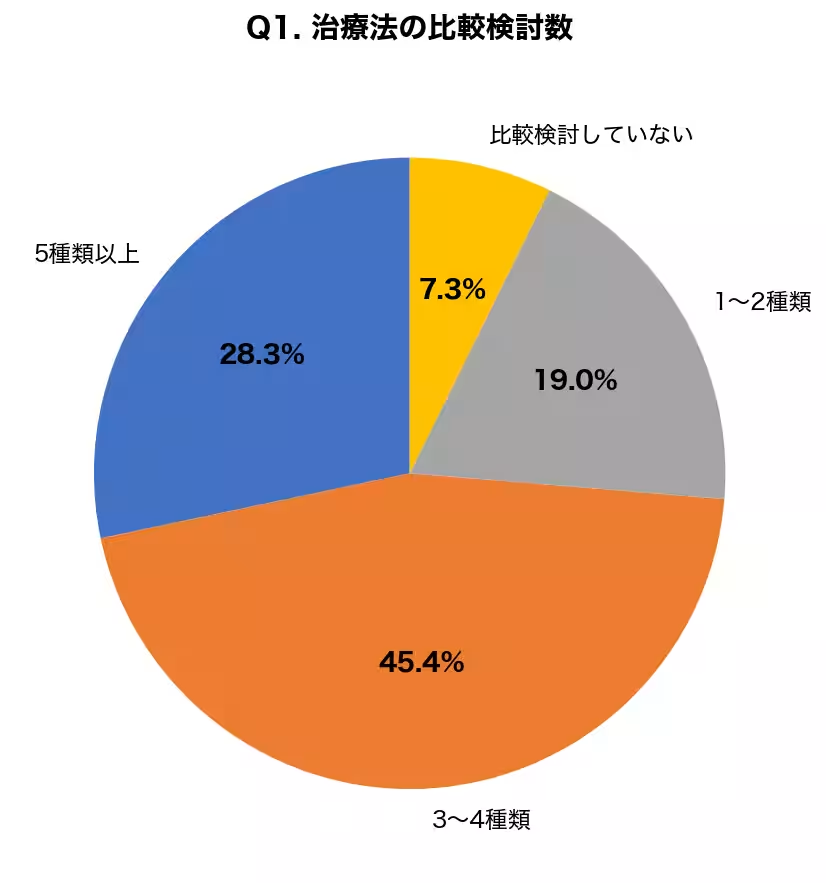
A recent survey conducted by the IC Clinic, which operates in major locations like Shinjuku and Shibuya, reveals significant insights into how individuals are approaching the treatment of acne scars. Out of 300 participants who are considering treatment for acne scars, a notable 73.7% reported that they compared three or more treatment methods before making a decision. This reflects a growing trend where patients are actively seeking information and possible options before committing to a specific treatment plan.
Key Findings
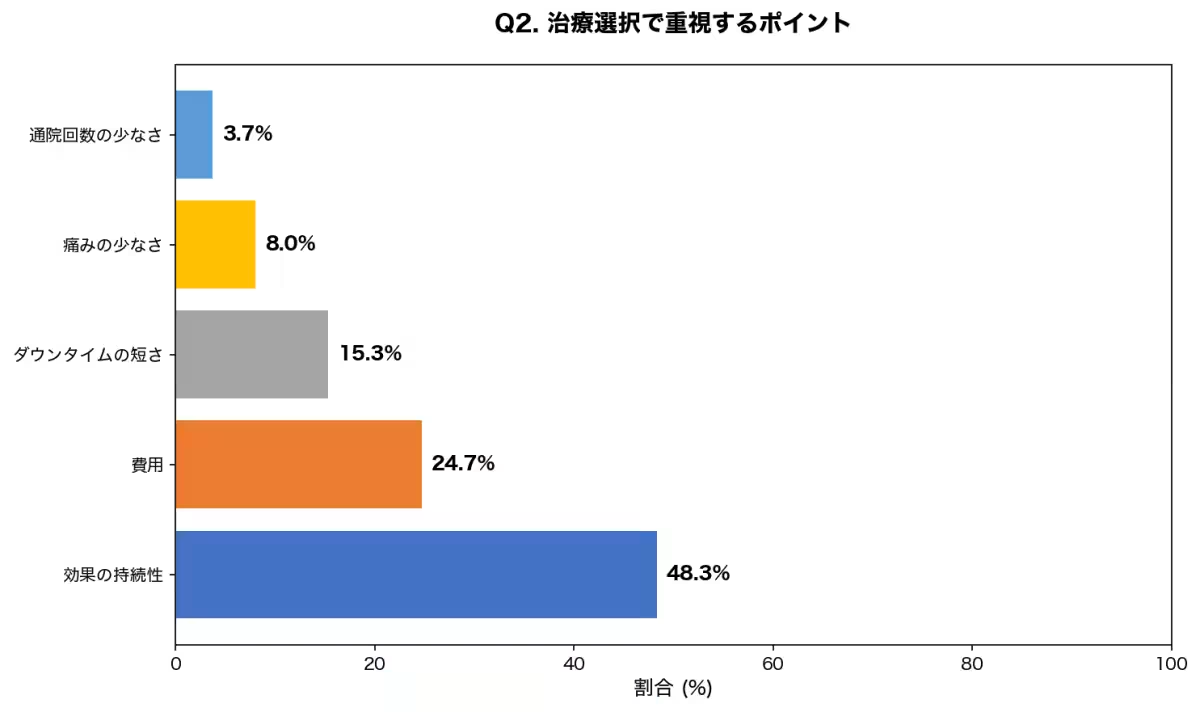
1. Importance of Maintaining Effectiveness: When participants were asked what factors were most important in their treatment choices, a striking 48.3% indicated that they prioritized the durability of the results. This emphasizes that many patients are looking beyond temporary fixes, aiming for long-term solutions.
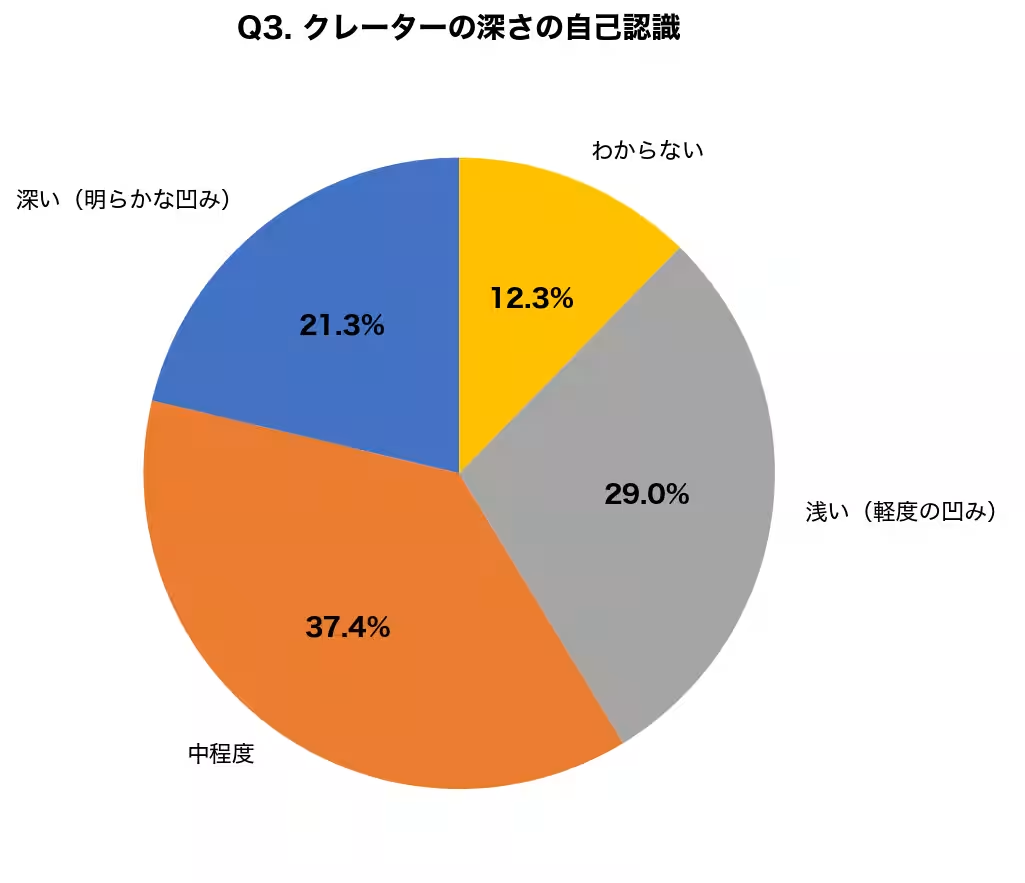
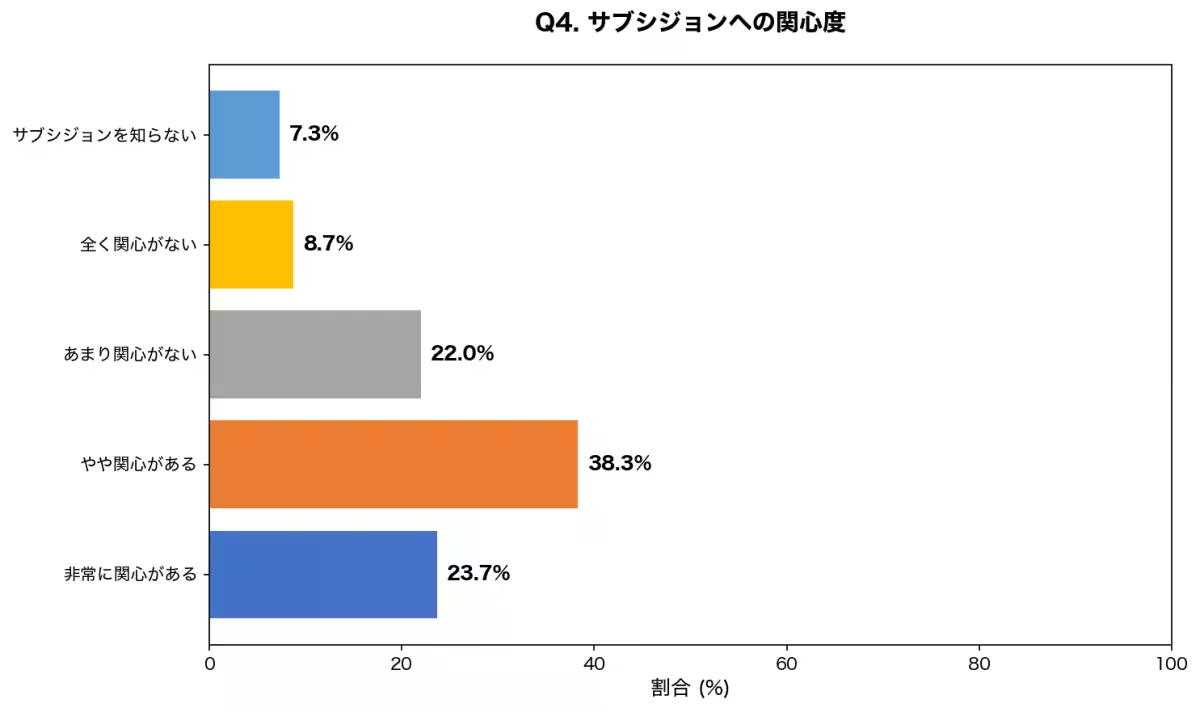
2. Interests in Subcision: Among those struggling with deeper types of scars, around 62.0% expressed interest in subcision treatment. This method specifically targets deeper scars, which often require more intensive intervention than traditional surface treatments.
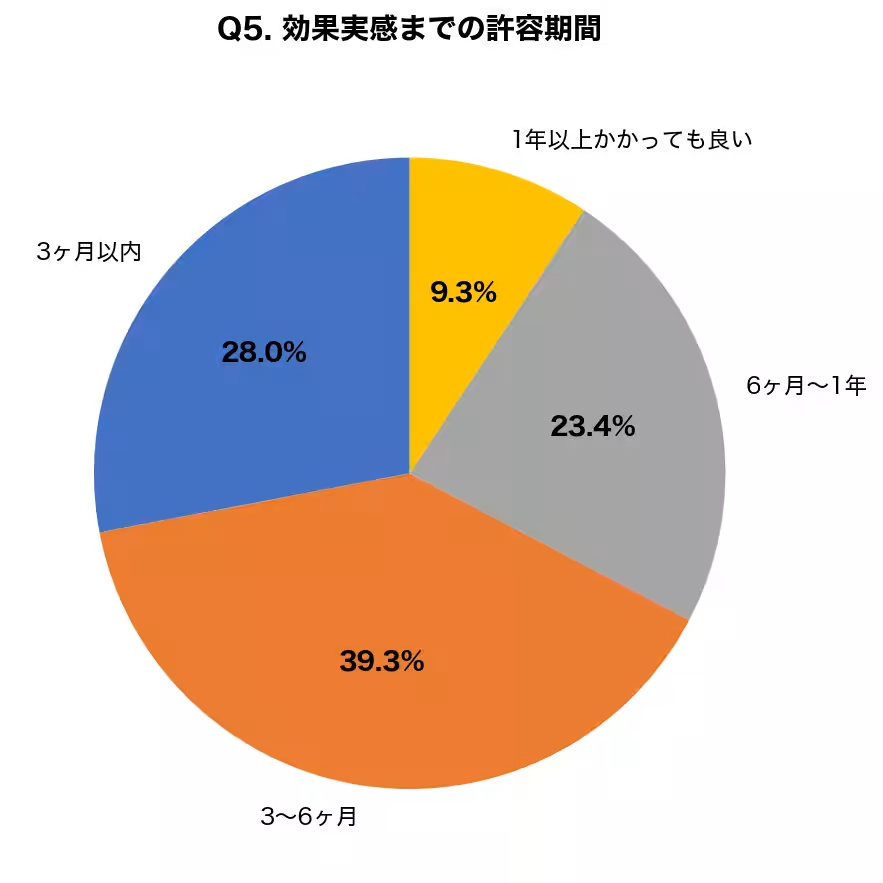
3. Cost Expectations: Treatment costs typically range from ¥20,000 to ¥100,000 per session, depending on the method employed. Participants indicated they expect to undergo three to six sessions to achieve noticeable results.
Treatment Methods Compared
The following table provides an overview of various acne scar treatments:
| Treatment Method | Suitable for | Cost (per session) | Downtime | Sessions Required | Pain Level |
|---|---|---|---|---|---|
| ----- | ---- | ----- | -- | --- | ---- |
| Dermapen | Shallow to medium | ¥20,000 - ¥40,000 | 2-3 days | 3-5 | Mild to Medium |
| Subcision | Deep scars | ¥30,000 - ¥80,000 | 3-7 days | 1-3 | Medium |
| Fractional Laser | Wide range | ¥50,000 - ¥100,000 | 5-10 days | 3-5 | Medium to Strong |
Understanding the Treatments
- - Dermapen: Utilizes fine needles to create microscopic holes in the skin, triggering a healing response and boosting collagen production. It's safe for treating shallow scars.
- - Subcision: This method addresses deeper, boxcar-type acne scars by cutting the fibrous tissue beneath the scar, effectively lifting the skin's surface.
- - Fractional Laser: Delivers laser energy in a fractional manner to promote collagen remodeling across a larger area, suitable for extensive acne scarring and overall skin texture improvement.
Research Background
The respondents to this study were individuals aged between 20 and 50 throughout Japan, suffering from acne scars and already contemplating treatments. The survey, conducted from May 4 to May 13, 2026, used internet-based methods to gather responses from 300 participants.
Results Summary
More than 70% engaged in researching and comparing treatment options, indicating a positive trend toward informed decision-making regarding skincare. However, the overwhelming variety of options might lead to confusion, highlighting the need for clearer guidance for potential patients.
Physician’s Insight
Dr. Kōta Takakuwa from the IC Clinic emphasizes the importance of a tailored approach in treating acne scars. Depending on the type and depth of scars, patients can expect varying degrees of improvement with appropriate treatments. He noted that while complete eradication might be challenging, significant improvement can often be achieved through proper treatment strategies.
Additional Patient Support
For individuals considering treatment for their acne scars, whether they have tried at-home remedies or are looking for professional help, the IC Clinic provides comprehensive assessments. With facilities across Tokyo and Saitama, patients can receive tailored treatment plans that prioritize their unique skin conditions, ensuring optimal care and effectiveness.
Conclusion
This survey sheds light on the landscape of acne scar treatments in Japan. With a high level of interest in comparing different treatment options and prioritizing effective, long-lasting solutions, it is clear that patients are more educated and involved in their choices. As treatment methods evolve, continuous patient education will be essential in meeting their expectations and improving outcomes.
- ---
Topics Health)

【About Using Articles】
You can freely use the title and article content by linking to the page where the article is posted.
※ Images cannot be used.
【About Links】
Links are free to use.