



Exploring the Gap in AI Utilization Among Business Teams Across Japan
Understanding the Recent Nulab Survey on AI in Business Teams
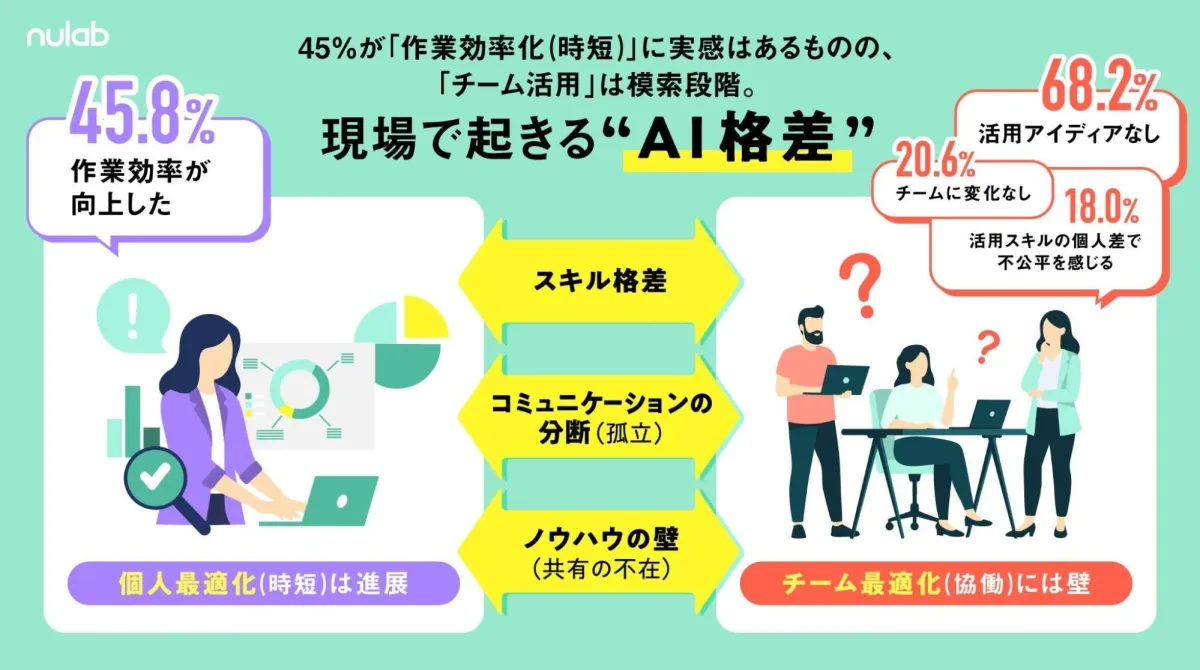
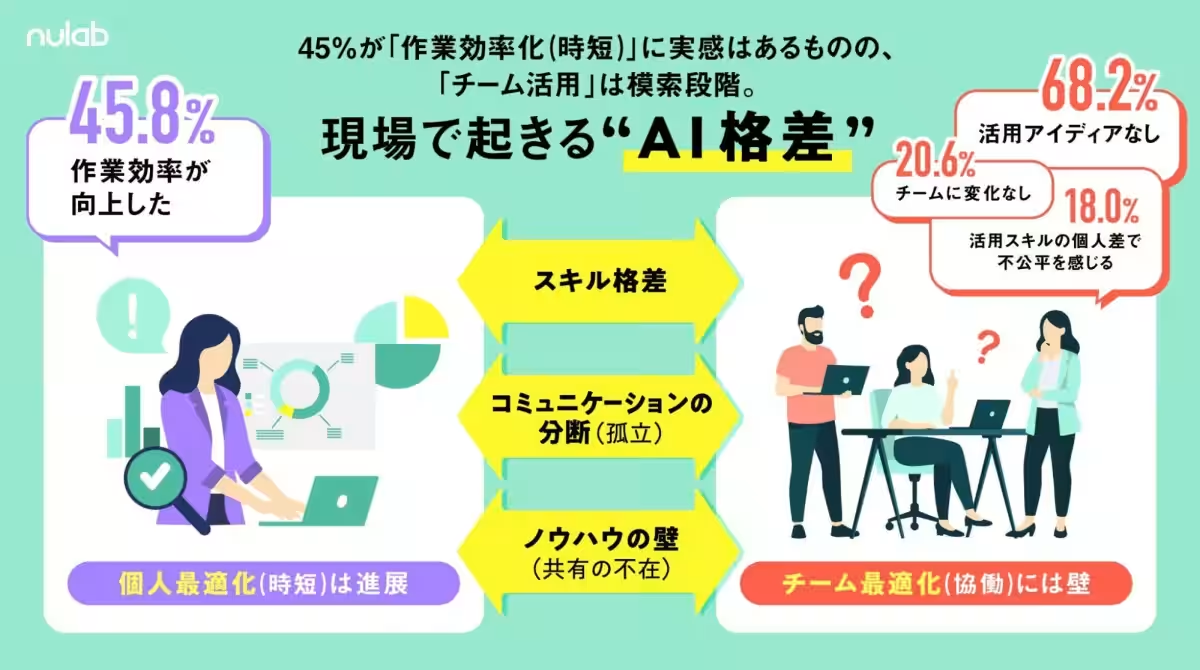
Nulab, headquartered in Fukuoka, conducted a comprehensive survey involving 1,000 business professionals across Japan to explore how AI is being integrated into team settings. From this investigation, it was found that while nearly half of the respondents felt a boost in their individual work efficiency due to generative AI, the overall application within teams fell short.
Key Findings from the Survey
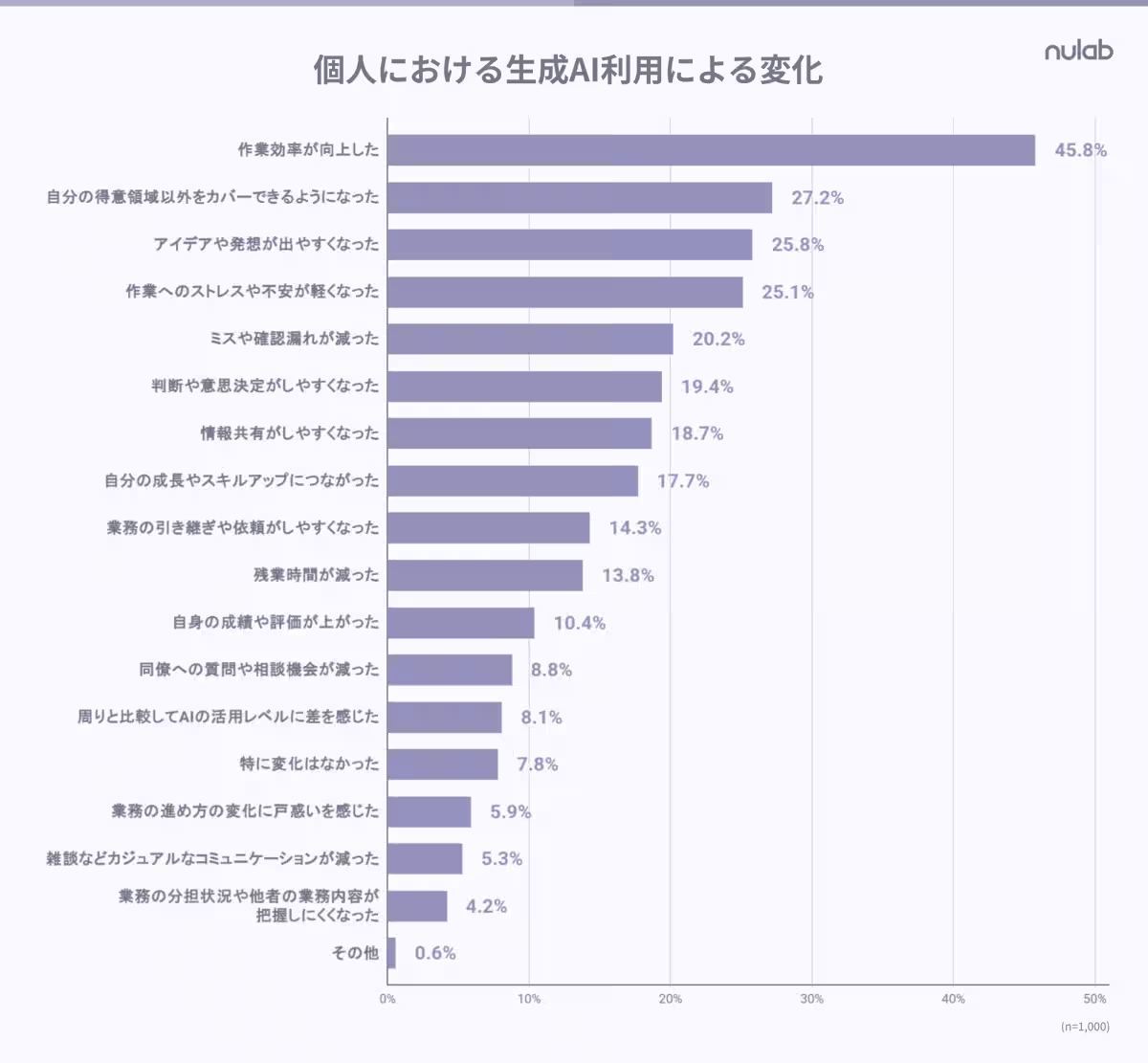
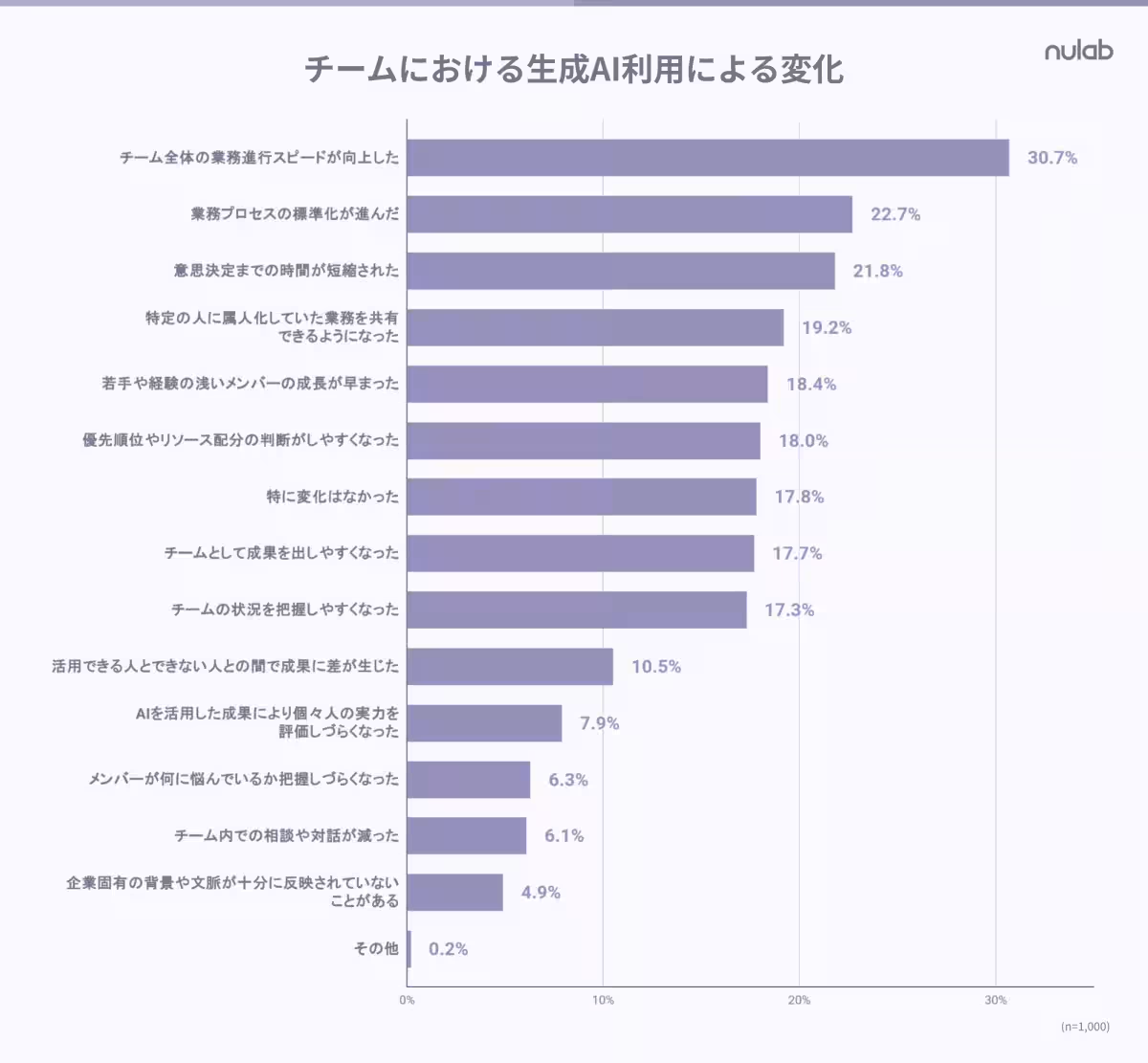
The survey revealed that about 45.8% of participants felt that their personal work efficiency improved thanks to generative AI. However, when it came to team dynamics, approximately 20% noted no significant change, particularly among general employees in their 40s and 50s. When asked for ideas on how AI could be utilized within teams, an alarming 68.2% of general employees reported having no insights or ideas to share.
Implications of Individual Utilization
The findings indicate that while AI is helping individuals streamline their processes, this shift is not resulting in increased productivity across teams. Nulab suggests that current practices are in a transitional state, where companies are still figuring out how best to integrate AI into collaborative efforts effectively.
The Rising Skill Disparity and Communication Challenges
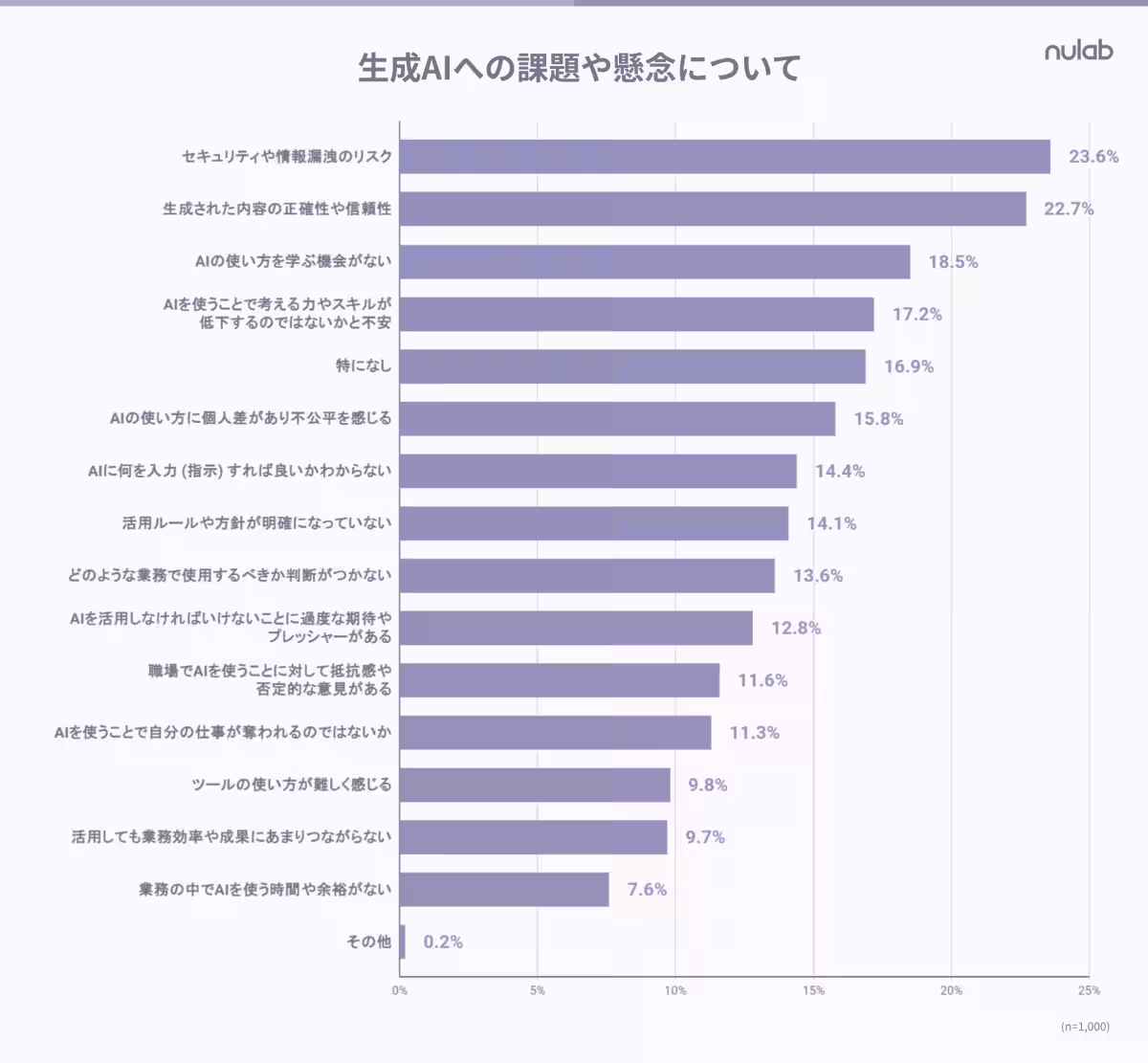
The survey also pointed out a growing disparity in AI skills among employees, with about 16% expressing that they felt a sense of inequality in AI use. This perception is notably higher among general employees, where it spiked to 18%. Additionally, some employees felt that opportunities to engage in conversations or seek assistance from coworkers have diminished, indicating a potential threat to team communication.
Nulab believes that as only a handful of employees gain substantial advantages from AI, it may lead to an emerging isolation within teams, further exacerbating gaps in interaction and collaboration.
Barriers to Effective Team Utilization of AI
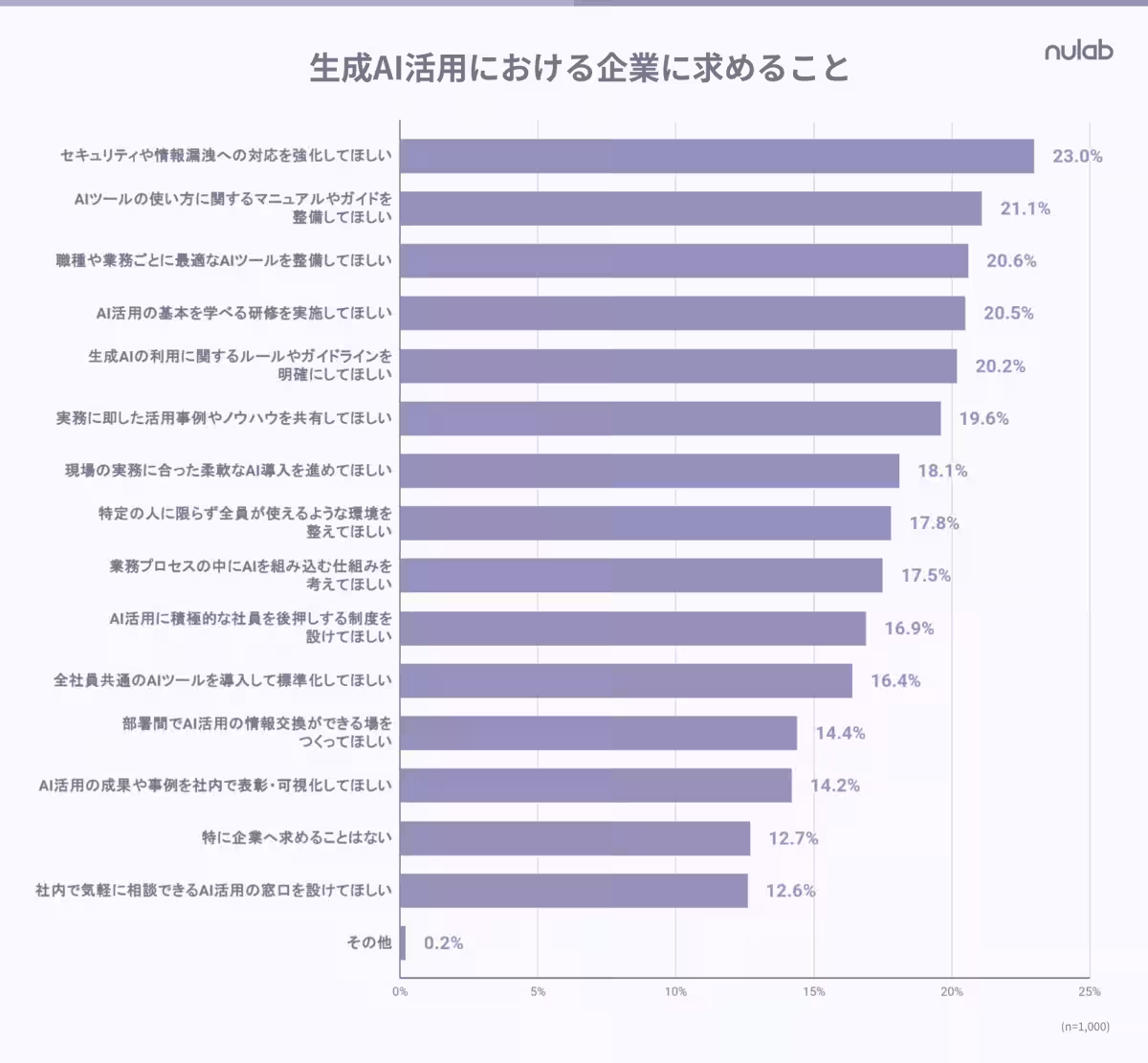
Respondents highlighted a need for businesses to share practical AI use cases and established methodologies to ensure effective team integration. 17% of the surveyed individuals, particularly 27.7% of managerial staff in their 30s, expressed concerns that reliance on AI could diminish their abilities to think critically and develop skills.
The current landscape indicates that clarity around team collaboration guidelines is lacking, which hampers the sustained application of AI following its implementation.
Future Directions for AI Utilization in Teams
Despite AI's powerful potentials, confining its benefits to individual tasks can impede overall team productivity and cooperative quality. To sidestep scenarios where only select individuals reap the rewards, Nulab emphasizes the necessity of establishing structures that facilitate team-oriented AI use.
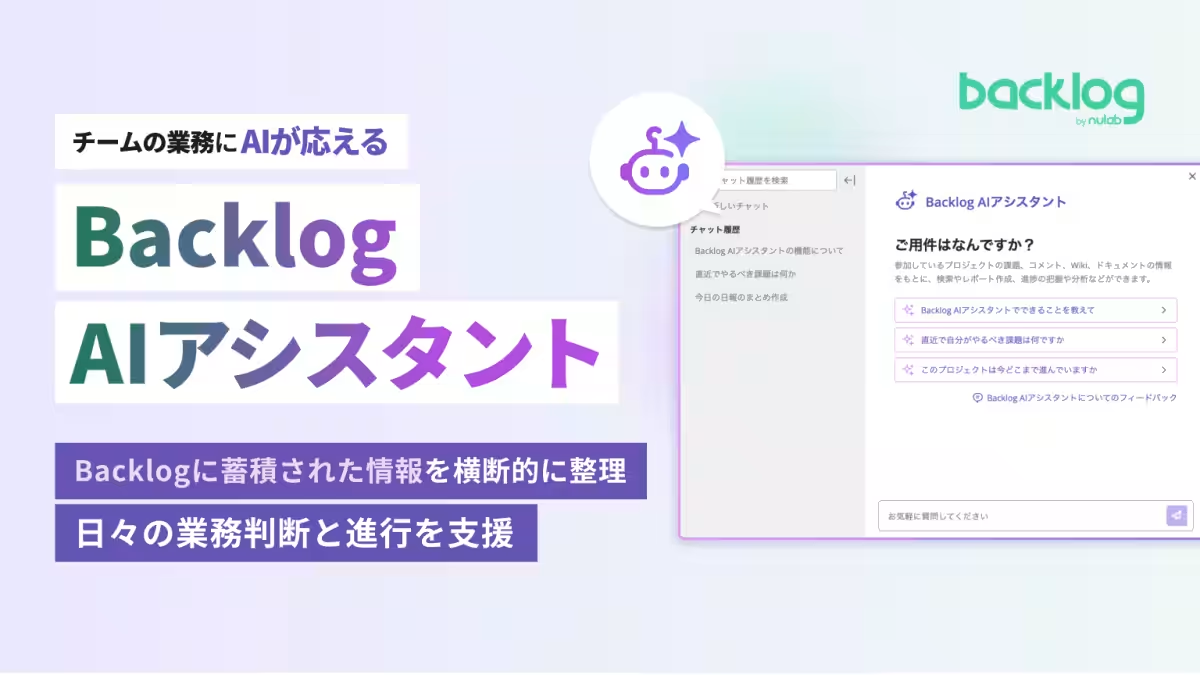
In response to these challenges, Nulab has introduced the Backlog AI Assistant, set to launch on March 5, 2026. This tool is designed to bolster project management based on business data, fostering better decision-making and information sharing among teams. It aims to support not just individual efficiency but also collective progress within collaborative contexts. By prioritizing the needs of the team, Nulab hopes to propose an optimal approach to harnessing AI for improved team functionality and workflow.
Conclusion
In conclusion, the Nulab survey underscores an essential point: while AI can significantly enhance individual productivity, translating that efficiency into team performance remains a significant hurdle. Organizations must seek to implement more inclusive frameworks for AI use, ensuring that its benefits are shared across all team members to foster a more integrated and collaborative workplace. Understanding how to effectively meld technology with teamwork will pave the way for future advancements in productivity.
For more information about Nulab and their latest initiatives, please visit their corporate website or check out the Backlog AI Assistant launching soon.
Topics Business Technology)

【About Using Articles】
You can freely use the title and article content by linking to the page where the article is posted.
※ Images cannot be used.
【About Links】
Links are free to use.