



Understanding the Impact of Aging on Spousal Halitosis: A Comprehensive Study
Understanding the Impact of Aging on Spousal Halitosis: A Comprehensive Study
Oral hygiene is often overlooked in conversations about aging, yet it can significantly affect personal and interpersonal well-being. Recent research conducted by Aogumi Inc., a company based in Suginami, Tokyo, focuses on the prevalence of halitosis among men in their 40s to 50s and highlights women's observations about their husbands' oral odors.
The Survey
Between September 9 and 10, 2025, Aogumi conducted an online survey attracting 1,012 participants, all of whom were women living with their husbands for over 15 years. The survey aimed to understand their perspectives on the deterioration of spousal breath as they aged. The findings revealed critical insights into how aging can be a double-edged sword in marital life, enhancing intimacy while simultaneously introducing new discomforts.
Key Findings
Awareness of Halitosis
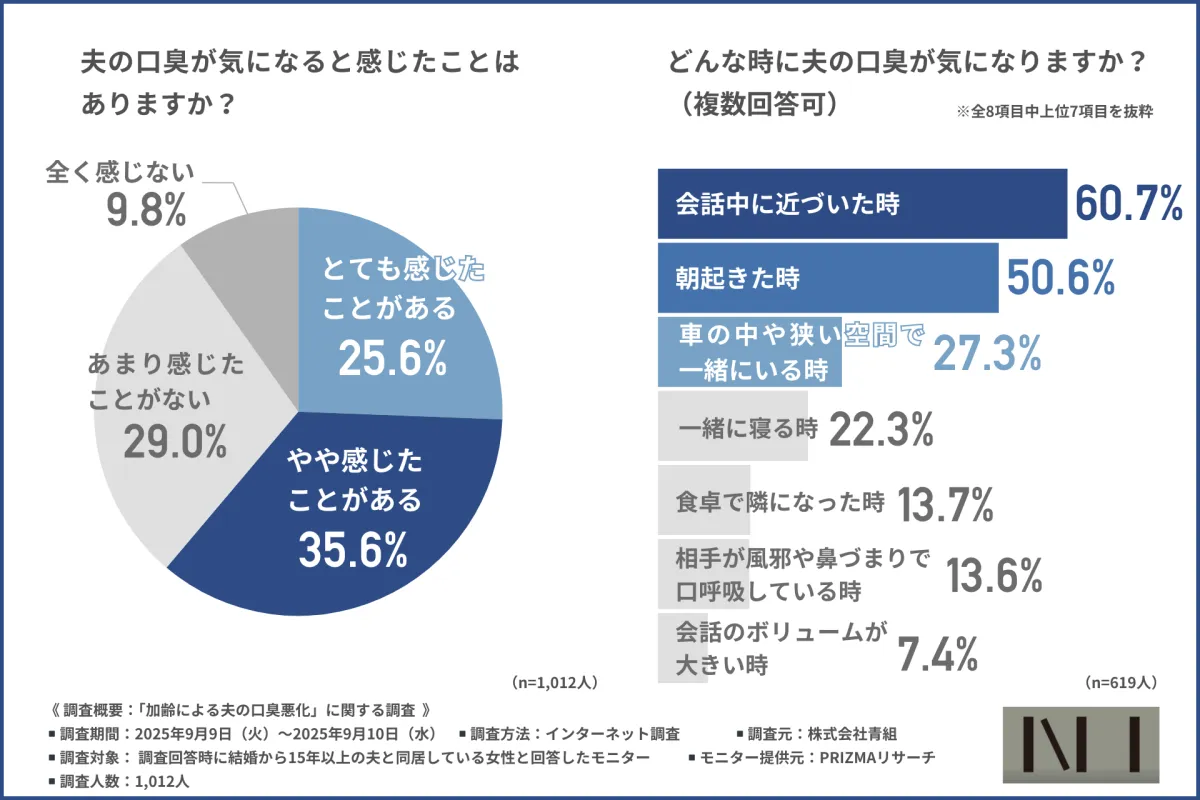
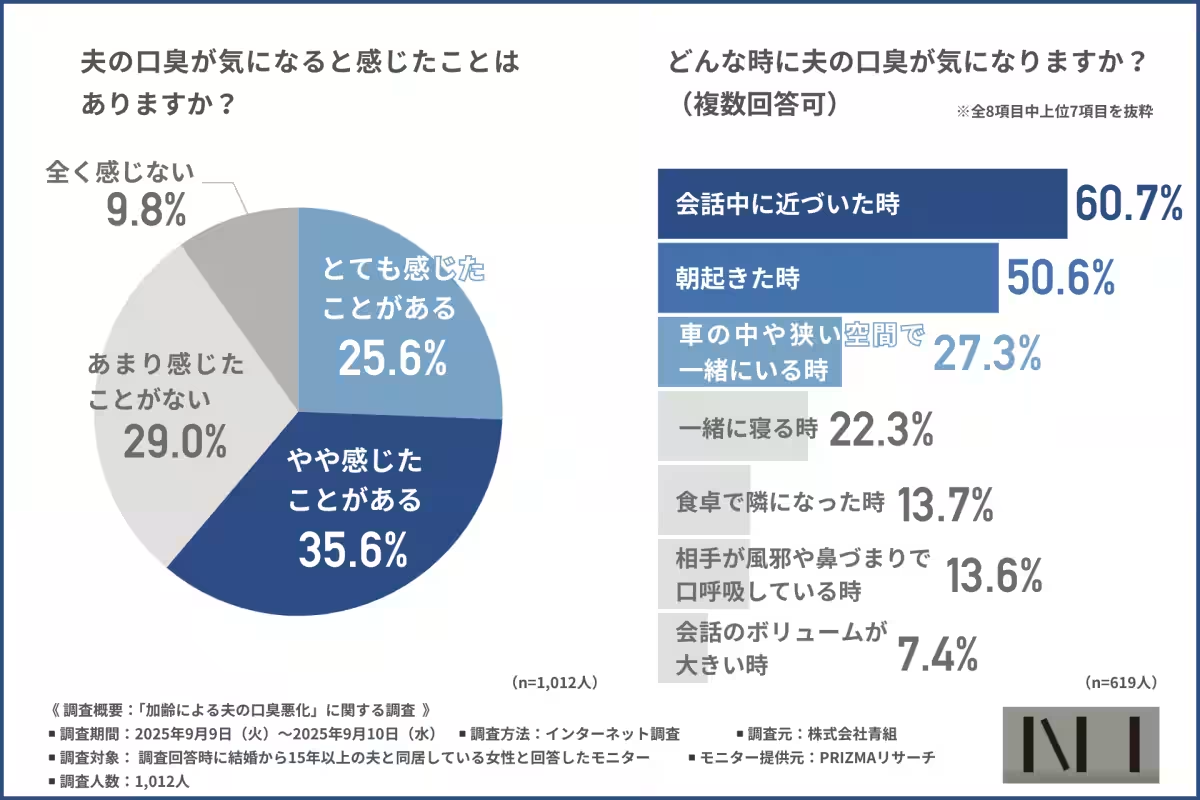
A significant portion of respondents—over 60%—reported that they had noticed their husband's halitosis. Specifically, 25.6% stated they had experienced it frequently, while 35.6% admitted to occasional concerns about their husband's breath. Only a minority felt that they didn't notice any issues. This exposure to halitosis correlated closely with stress levels in daily interactions and may even impact communication dynamics within marriages.
Situational Awareness of Breath Issues
When women were asked about specific situations where their husband's breath became more pronounced, proximity was key: 60.7% noted that conversations brought the issue to the forefront, and 50.6% mentioned the morning as a problem time. Confined spaces like cars also highlighted breath issues for 27.3% of respondents. This suggests that couples should consider regular oral care, as these situations are often unavoidable and can strain relationships.
The Role of Aging
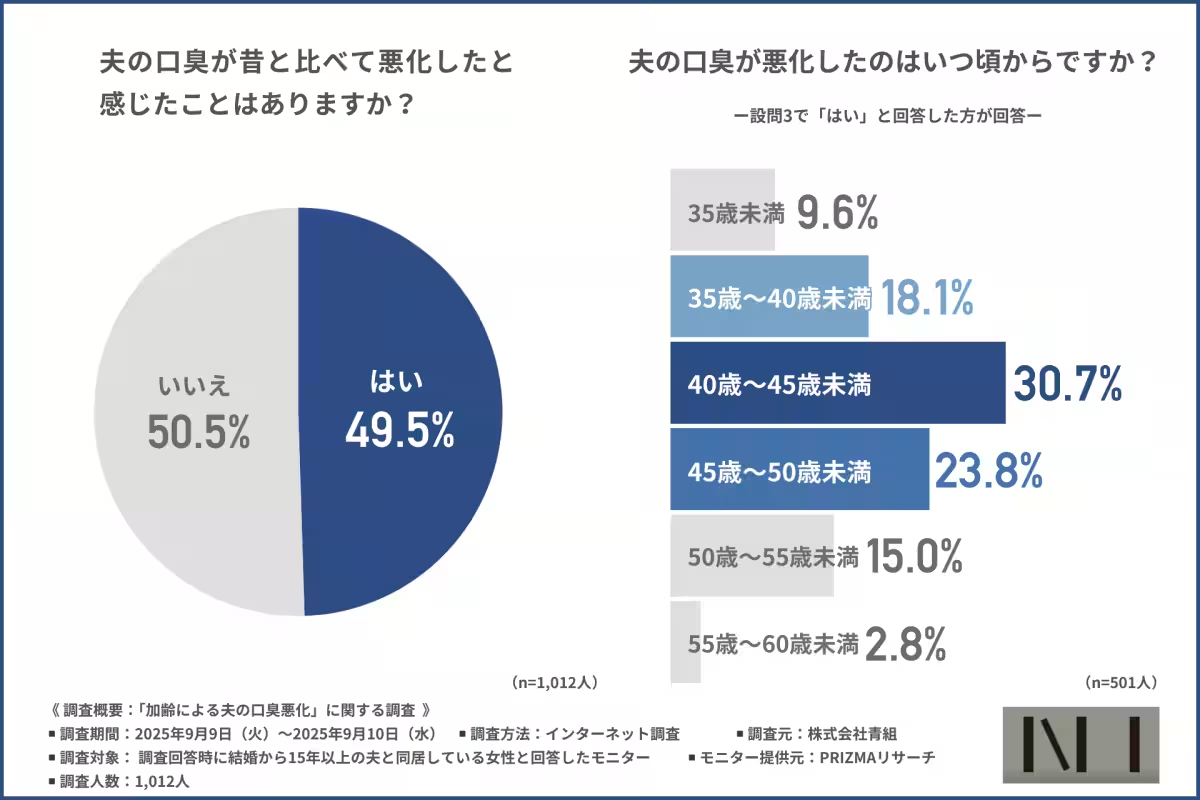
A significant finding was that roughly half of the respondents (49.5%) felt that their husband's breath had worsened with age. This perception was particularly concentrated among husbands aged 40-45, with 30.7% identifying this age bracket. The deterioration in breath quality appears linked to biological changes associated with aging, such as decreased saliva production and shifts in lifestyle habits.
Emotional Responses
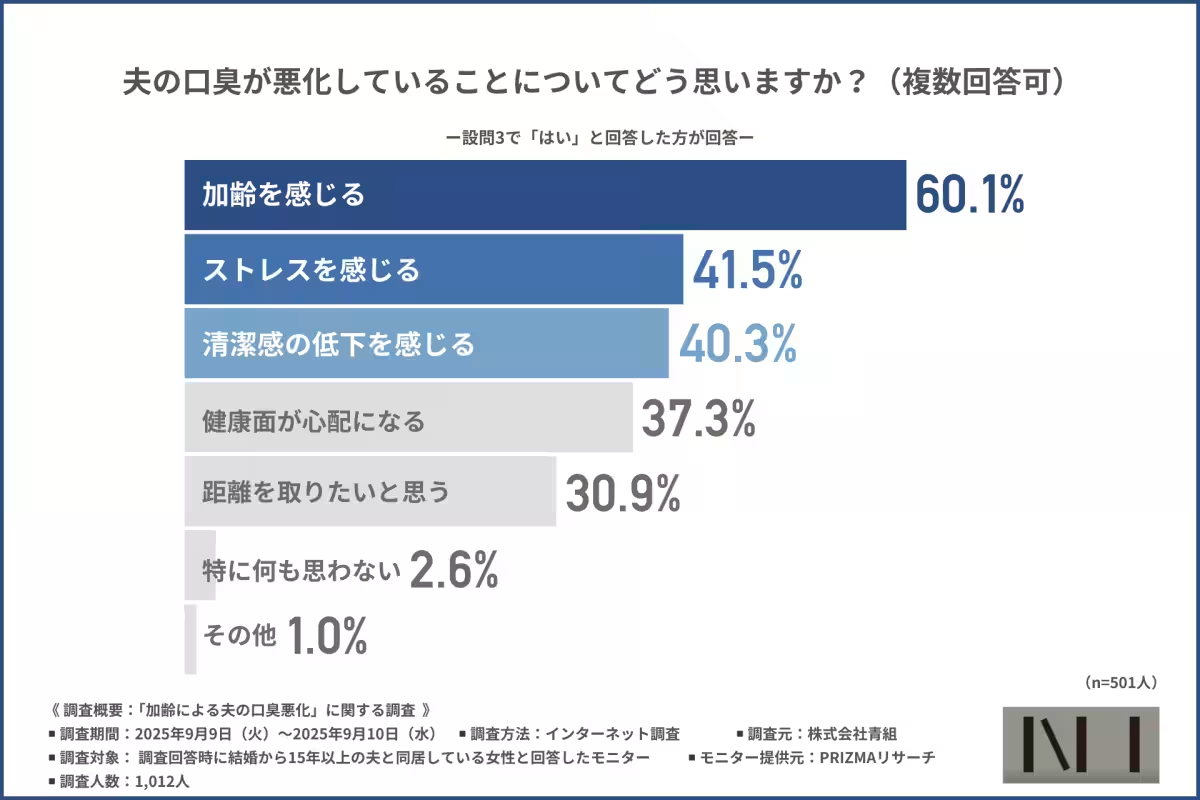
When discussing emotional reactions to their husband's halitosis, more than 60% of women reported feeling a sense of aging. Stress linked to this issue affected 41.5% of respondents, and 40.3% indicated a decline in perceived cleanliness. The findings illustrate that breath issues are not just physical but also tied to emotional health and relational dynamics.
Desire for Change
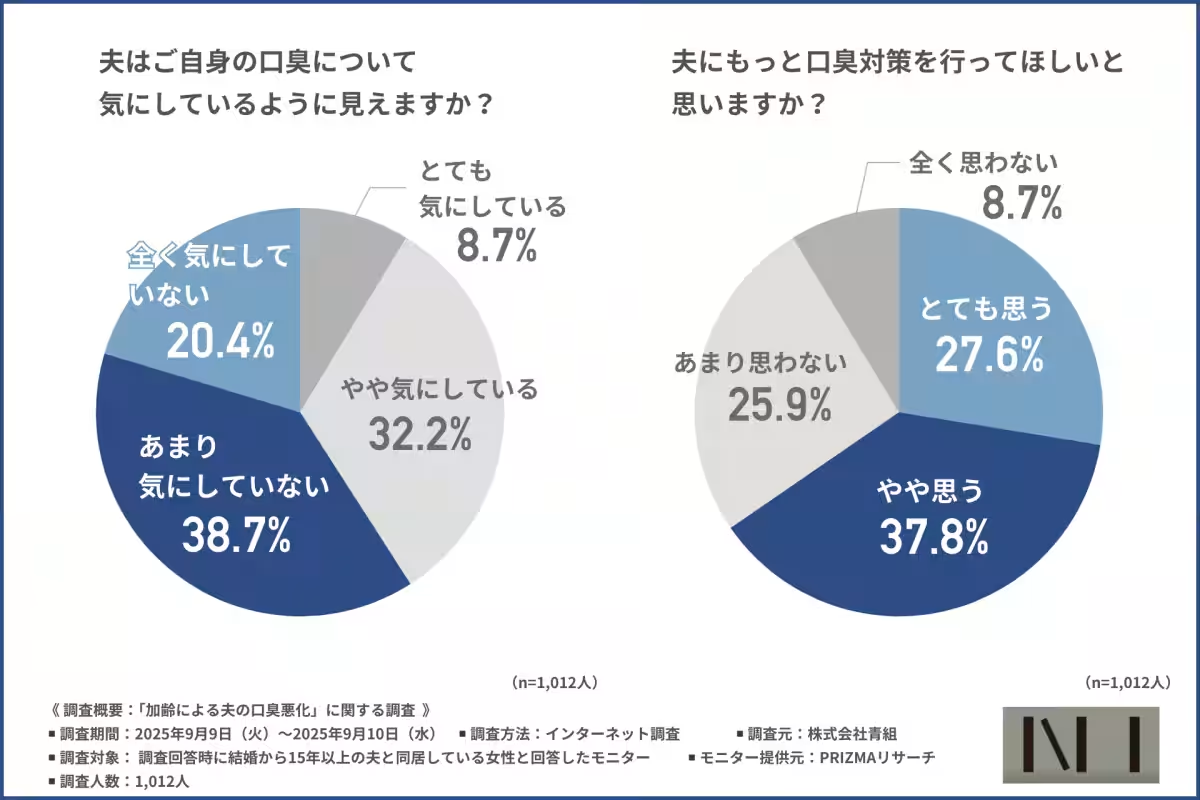
Interestingly, while 70% of women felt their husbands should take better care of their oral health, about half admitted they struggled to address the issue directly with their partners. A delicate situation, many feared causing embarrassment or fracturing their relationship with open dialogue about such a sensitive topic.
Knowledge Gaps on Oral Health
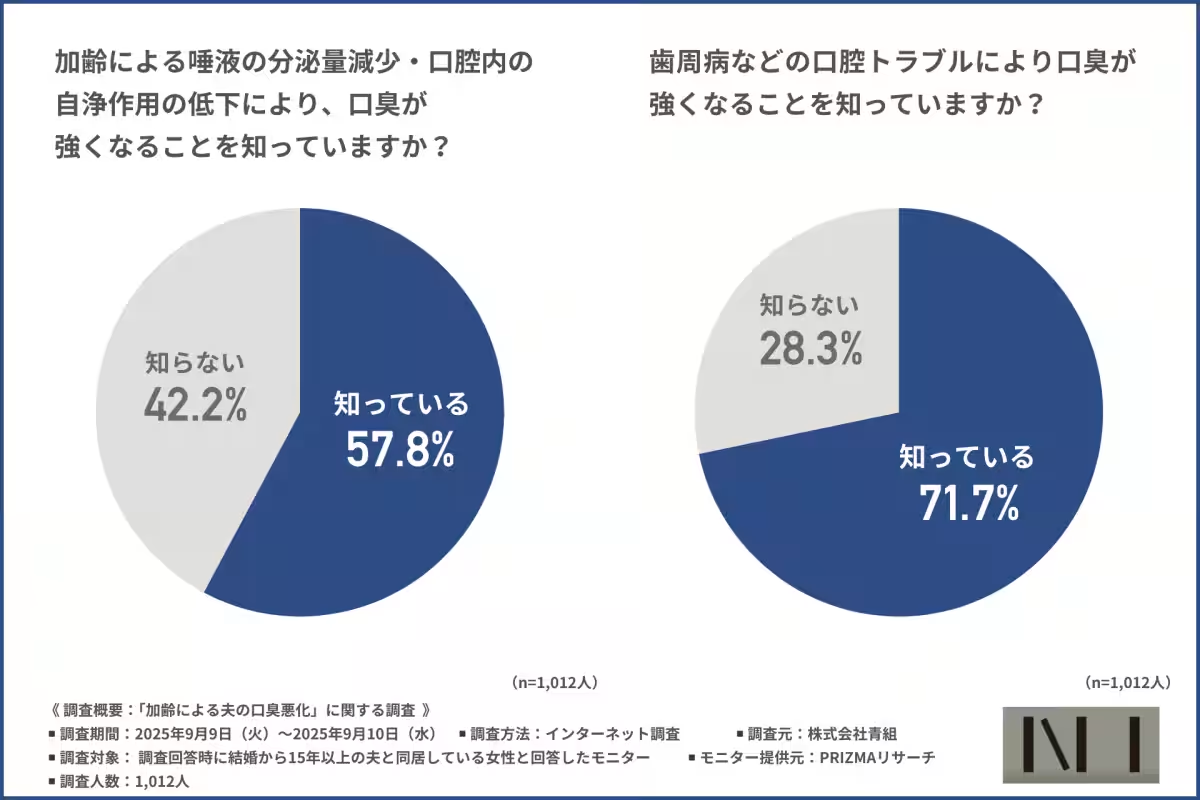
Despite varying degrees of concern about halitosis, around 60% of those surveyed understood that reduced saliva production contributes to bad breath due to aging. Meanwhile, approximately 71.7% recognized that oral diseases, such as gum disease, could exacerbate the issue. This knowledge gap likely hampers proactive measures and emphasizes the importance of educating the broader public about halitosis management.
Conclusion
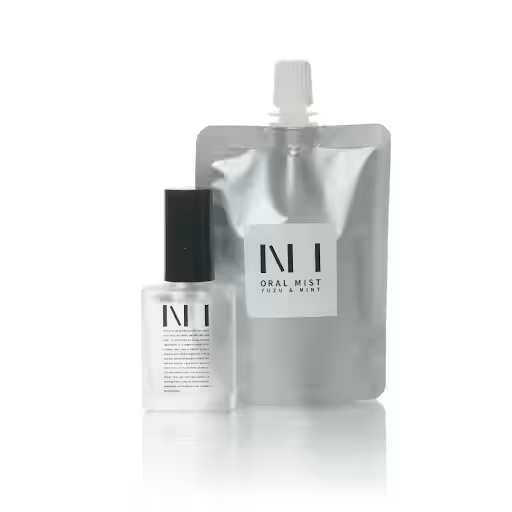
The survey by Aogumi has shed light on a significant yet often unspoken issue within aging couples: halitosis. As many individuals accommodate transformations in their relationships due to aging, oral health care must also adapt. This is critical not only for personal health but also for nurturing partnership vitality. In response to identified gaps in care and understanding, Aogumi has launched a new product: NI ORAL MIST, specifically designed to combat these issues with its gentle, alcohol-free formulation combining yuzu and mint.
About NI ORAL MIST
NI ORAL MIST is formulated to address the unique needs of the adult population experiencing age-related oral health challenges. The product's ingredients aim to hydrate the mouth, combat odor-causing bacteria, and minimize plaque formation. With promotional pop-up events and educational opportunities, Aogumi is committed to raising awareness and promoting better oral health practices among aging individuals.
In conclusion, while age brings with it various challenges, open communication about sensitive subjects like oral health can help foster understanding, support, and solutions between partners, leading to healthier relationships all around.

Topics Consumer Products & Retail)

【About Using Articles】
You can freely use the title and article content by linking to the page where the article is posted.
※ Images cannot be used.
【About Links】
Links are free to use.