



Unveiling the Impact of Rising Prices on SMEs in Japan and Their Strategies
The Effects of Rising Prices on Japanese SMEs: Insights from the Latest Survey
In the wake of increasing global oil prices and necessary economic reforms, the landscape for small and medium-sized enterprises (SMEs) in Japan is notably shifting. Recently, the Forval GDX Research Institute conducted its first survey for the fiscal year 2026, examining how rising prices impact SMEs and the effectiveness of their responses.
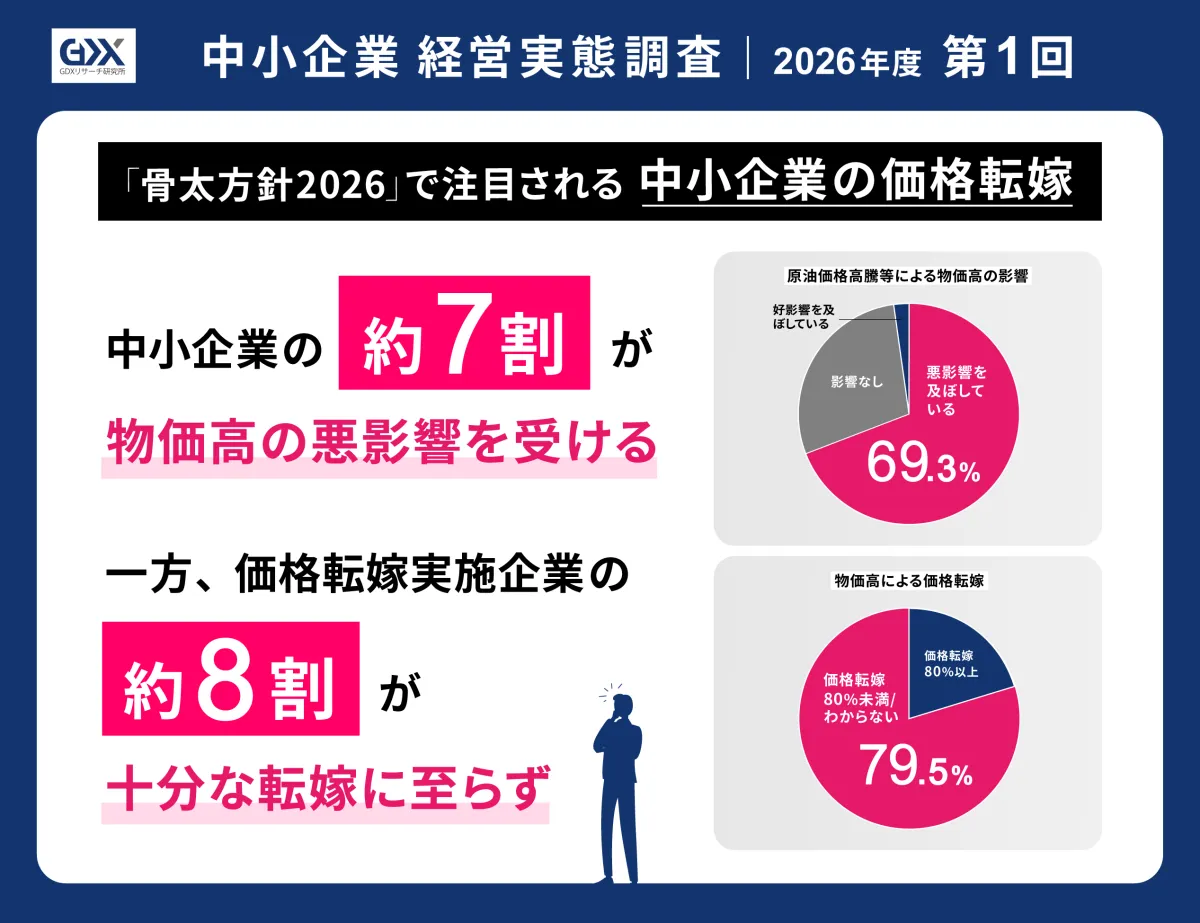
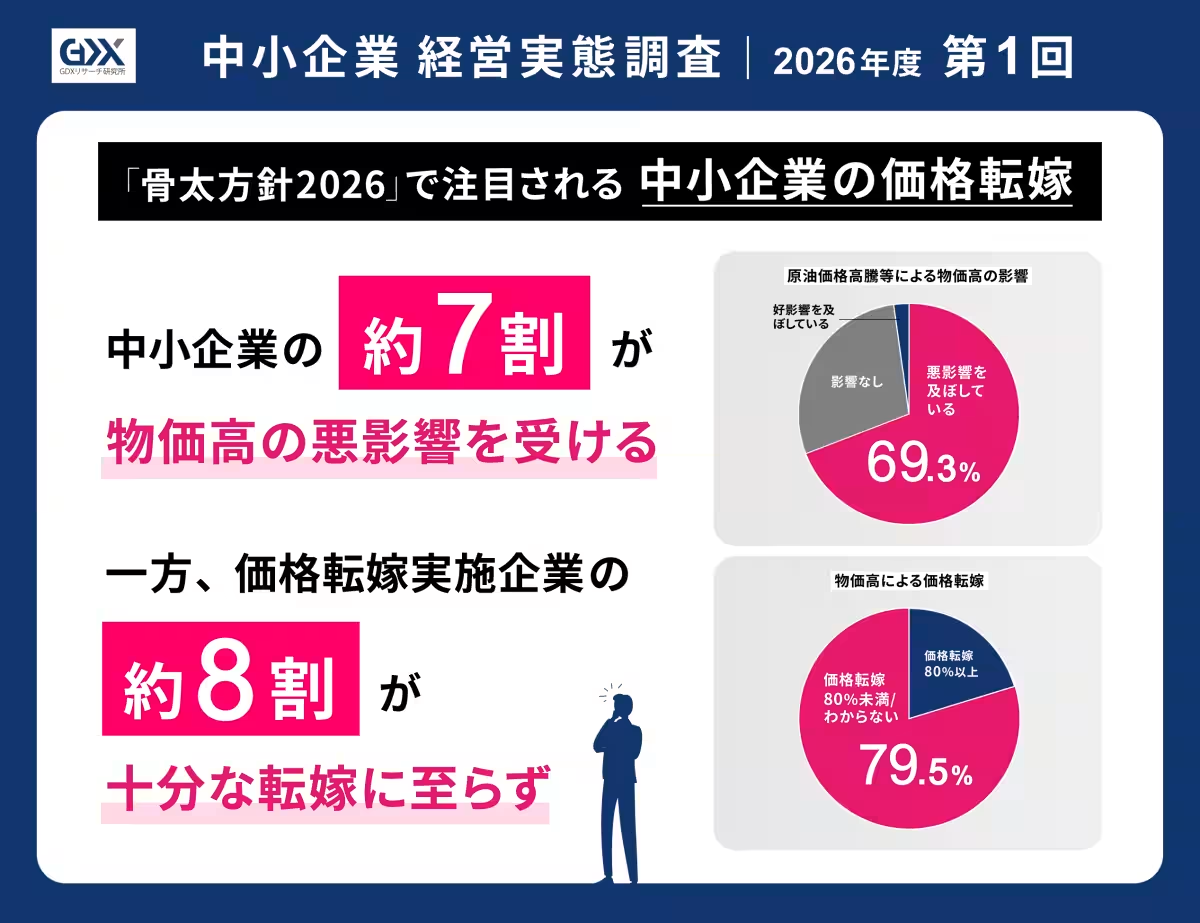
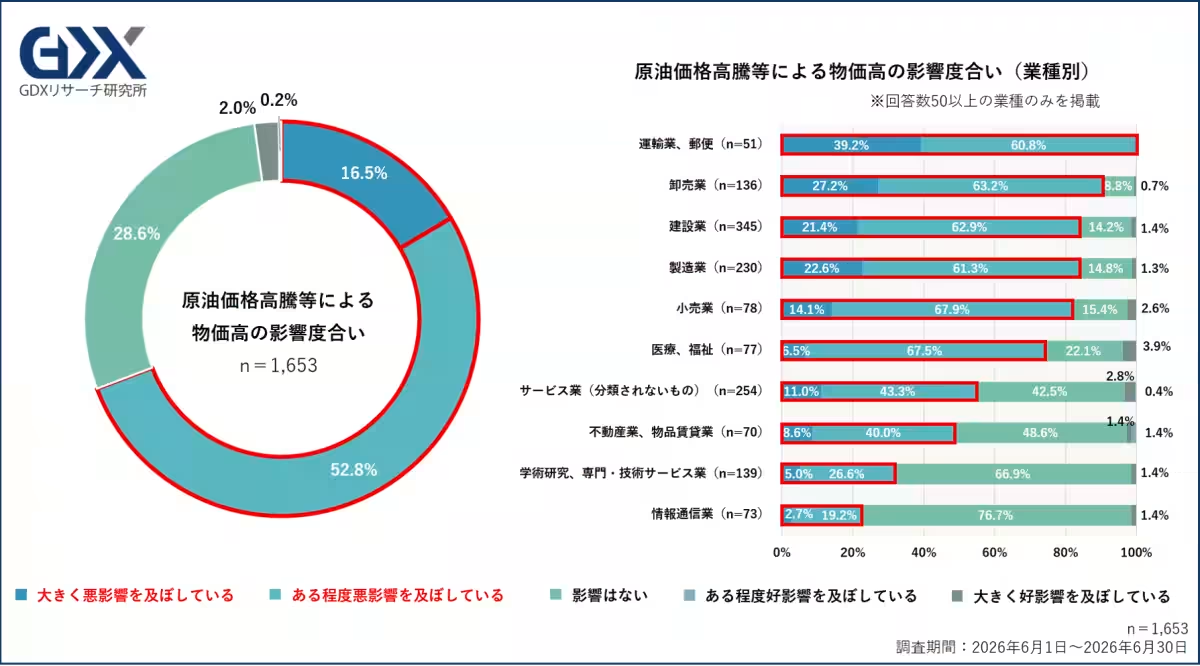
The study encapsulated insights from 1,653 business leaders across various sectors in Japan, revealing a concerning picture. Approximately 69.3% of the surveyed SMEs reported that they are adversely affected by inflation. This is particularly alarming for industries such as construction, manufacturing, retail, and transportation, where over 80% of businesses acknowledged experiencing severe negative impacts. The increased costs of raw materials, energy, and transportation directly influence these sectors, restricting their operational capabilities and profit margins.
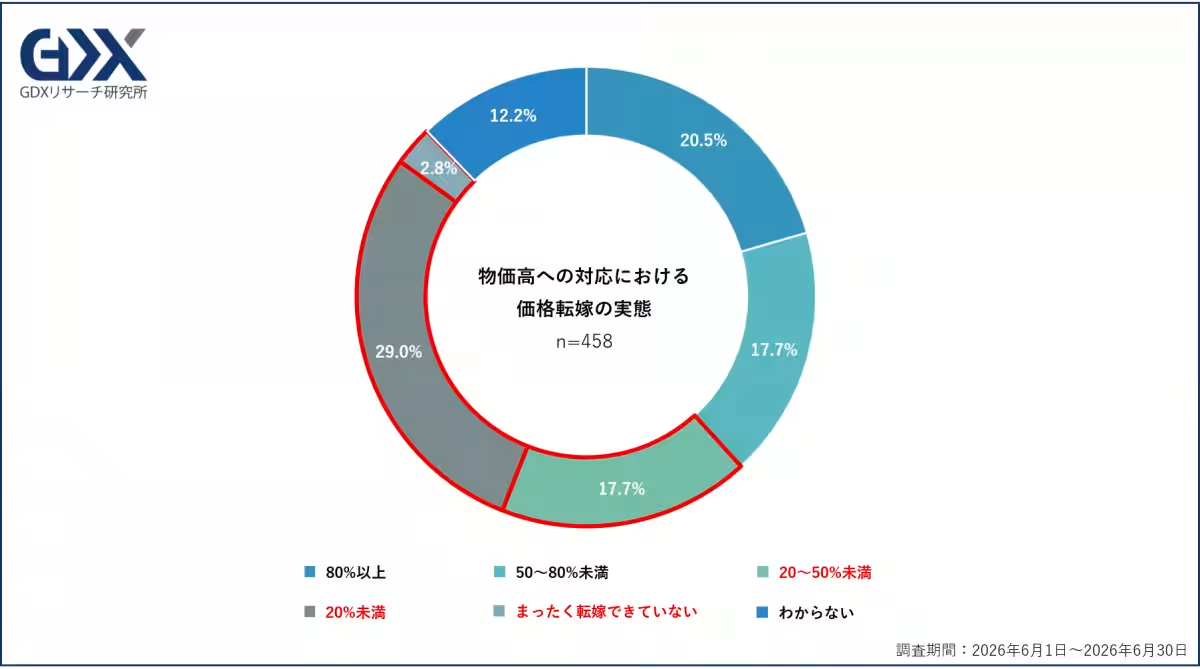
Under Japan's Basic Policy 2026, aimed at addressing wage increases and inflationary pressures, this survey underscores the significant need for firms to adapt their pricing strategies to maintain sustainability. Interestingly, while a majority of the SMEs are exploring measures to pass on these costs through price adjustments, only about 20.5% manage to transfer over 80% of their increased costs to their customers, revealing a considerable gap in effective cost redistribution.
Addressing the Challenges: Strategies Adopted by SMEs
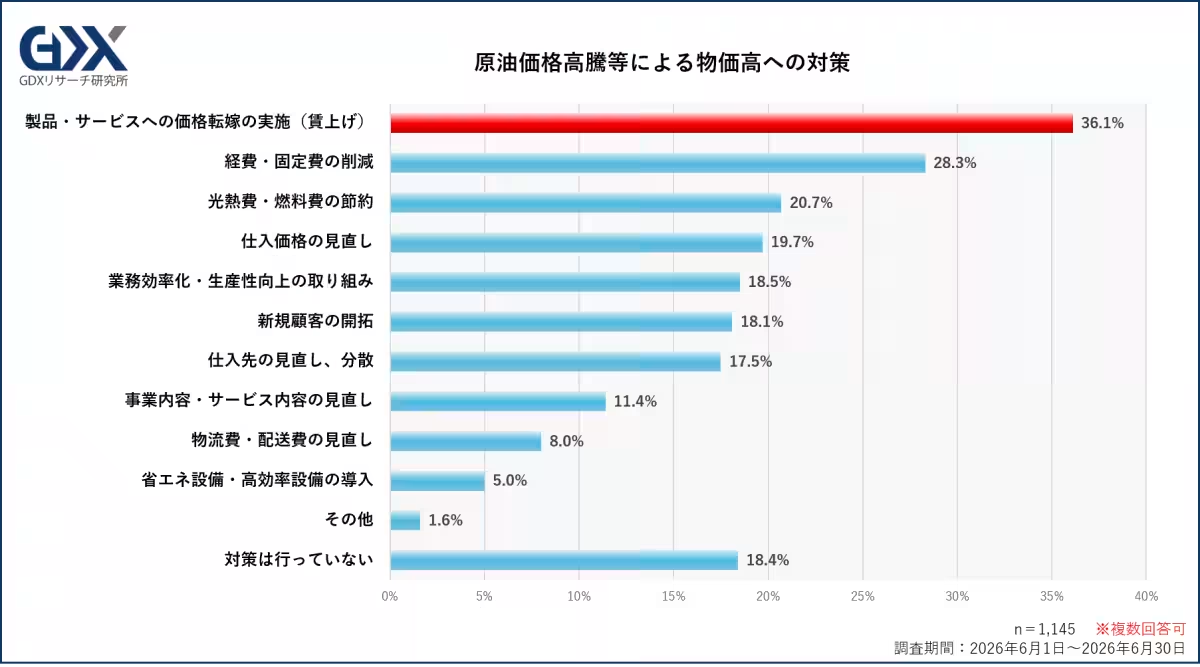
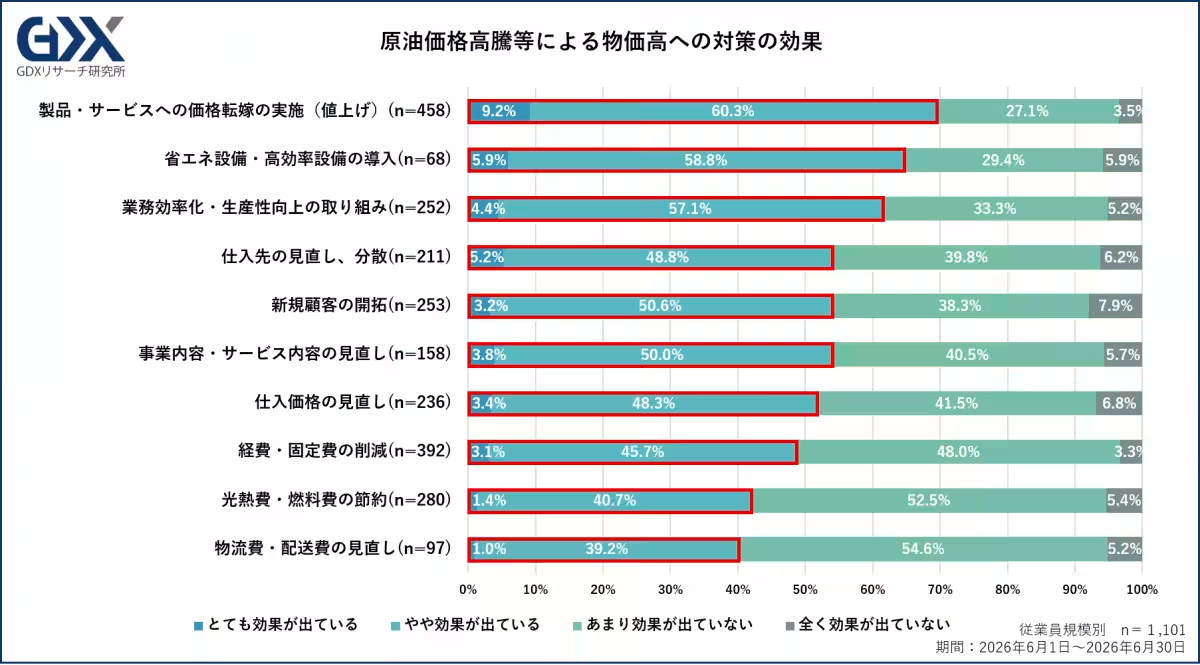
Among the strategies employed by SMEs to counter the inflationary pressures, price adjustments emerged as the most common solution, with 36.1% of businesses opting to increase their service or product prices. Other strategies include cutting overhead costs (28.3%), conserving energy (20.7%), and revising procurement practices (19.7%). Despite these efforts, nearly 18.4% of SMEs reported that they did not adopt any measures, highlighting a disparity in the readiness of various companies to combat rising costs.
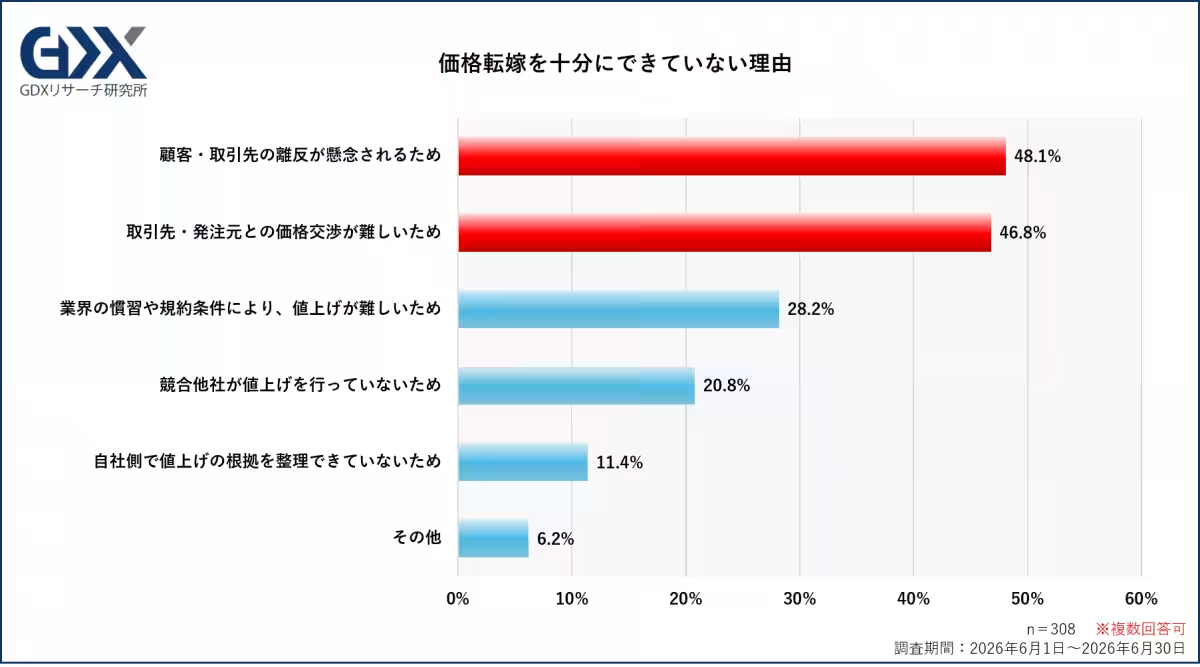
Notably, SMEs that implemented price adjustments reported favourable outcomes, with 69.4% of those expressing that their strategies yielded significant to moderate benefits. This highlights the potential effectiveness of proactive pricing strategies if adequately pursued. However, the research indicated that approximately half of the implementing companies (49.6%) are either unable to adjust prices adequately or do not pass on any increases to consumers, due in part to fears of driving away customers and negotiating difficulties with suppliers.
Legal Awareness and the Need for Better Transactional Environments
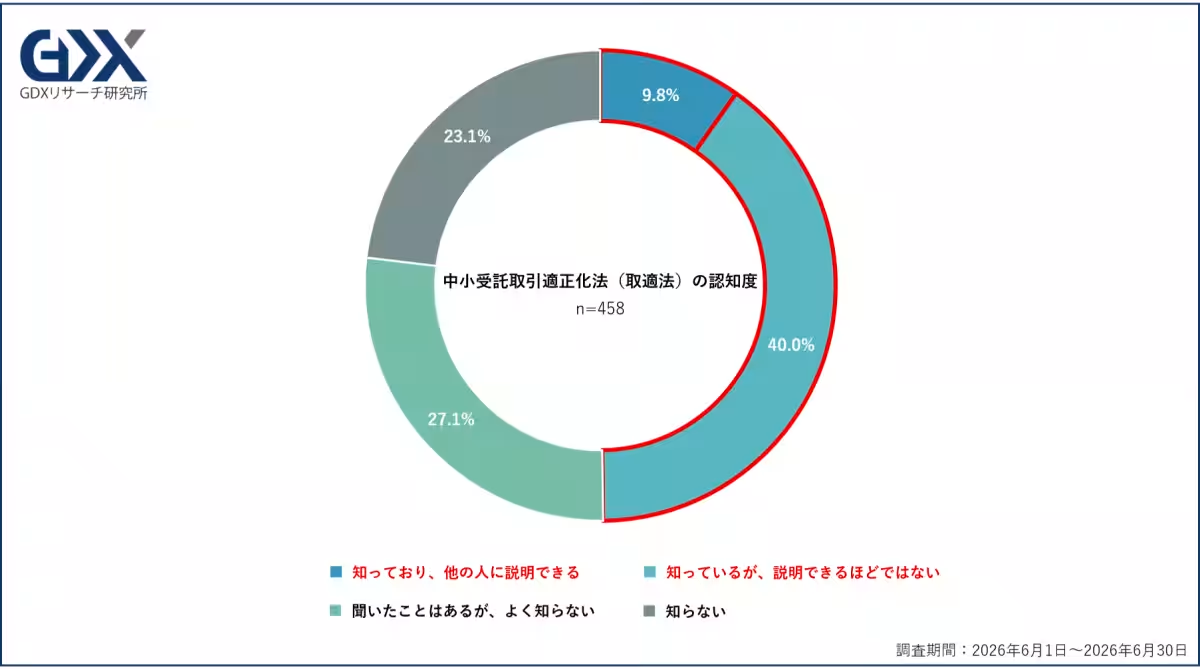
The study also examined the familiarity with the Small and Medium Transaction Regulation Law (known as the ‘Toriatei Hou’). While almost half of the responding businesses claimed some awareness, only 9.8% could accurately explain the law. This highlights an urgent need for increased education and communication regarding such legal frameworks, to facilitate fair pricing negotiations and ensure appropriate cost transfers within the market.
As Japan navigates economic recovery amid rising inflation, creating a conducive trading environment is essential for sustaining SME growth. This necessitates a multifaceted approach that includes legal awareness, improved negotiation practices, and systemic support for businesses. Only then can Japan's SMEs thrive amidst economic uncertainties.
Conclusion
The findings presented by the Forval GDX Research Institute are indeed alarming for the future of SMEs in Japan. With significant portions of businesses under financial pressure due to rising costs, understanding and navigating these challenges are crucial for survival and growth. The commitment to fostering a healthy transactional environment, improving awareness of legal protections, and ensuring that fair pricing practices can flourish is essential. As SMEs embody over 99% of all businesses in Japan, their resilience will be vital to the country's overall economic vitality. Thus, supporting them in their GDX (Green Digital Transformation) initiatives is more important than ever.






Topics Business Technology)
【About Using Articles】
You can freely use the title and article content by linking to the page where the article is posted.
※ Images cannot be used.
【About Links】
Links are free to use.