



Nearly 60% of Tenants Dissatisfied With Move-Out Fees and Restoration Costs, Survey Reveals
Understanding Tenant Dissatisfaction with Move-Out Procedures
A recent survey conducted by IeraloveGROUP, a company specializing in digital transformation solutions for the real estate industry, has uncovered significant dissatisfaction among tenants regarding move-out fees and restoration costs. The study, which received 1,108 valid responses, aimed to shed light on the issues surrounding property move-out and restoration processes, which have become increasingly important in recent years due to rising disputes over costs and expectations.
Background of the Survey
As the rental market evolves, the processes for moving out and restoring properties are experiencing more scrutiny. Discrepancies in understanding the costs involved and the scope of repairs have led to an uptick in disagreements. The need for clearer contracts and procedures has never been more crucial. Furthermore, the digitalization of various processes is becoming a priority for improving efficiency and convenience in the property-handling process.
Survey Findings
Smooth Move-Out Procedures, Yet High Dissatisfaction
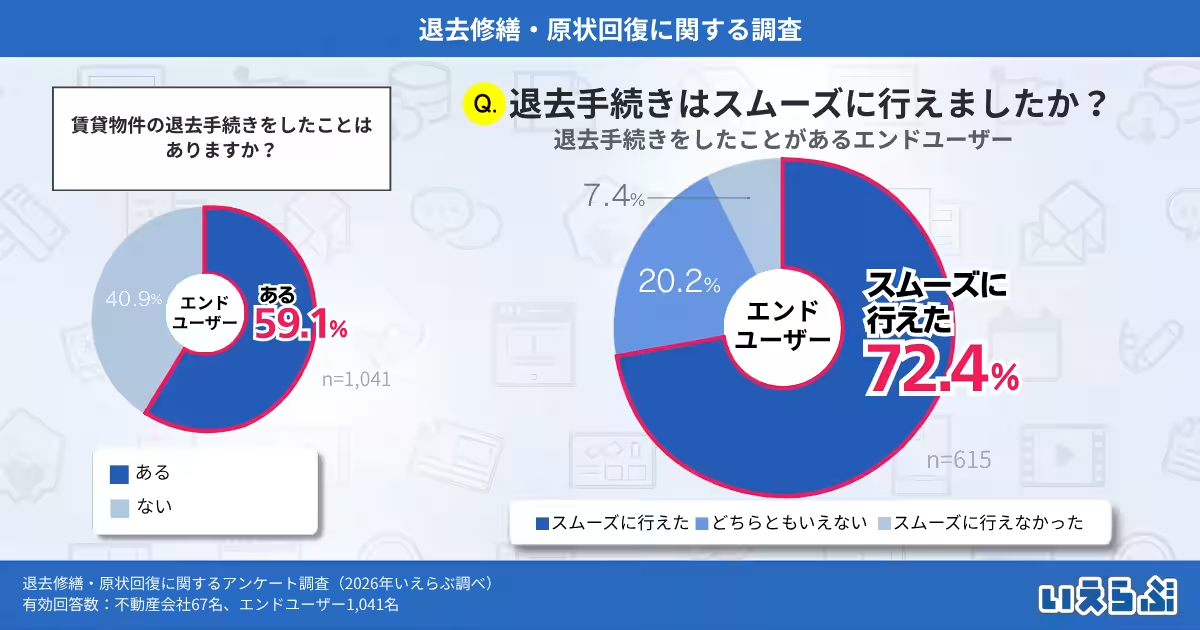
Interestingly, while a notable 72.4% of respondents reported that their move-out procedures were handled smoothly, around 60% expressed dissatisfaction with the fees associated with moving out and restoration costs. When asked what aspects of the move-out process concerned them the most, the most common answers included:
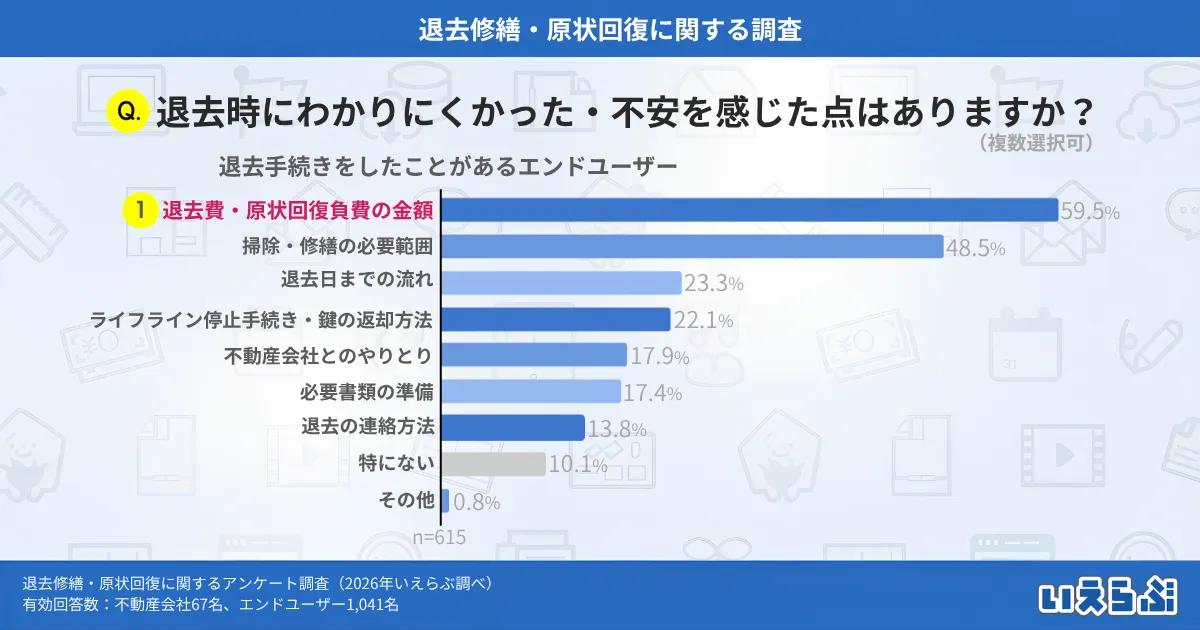
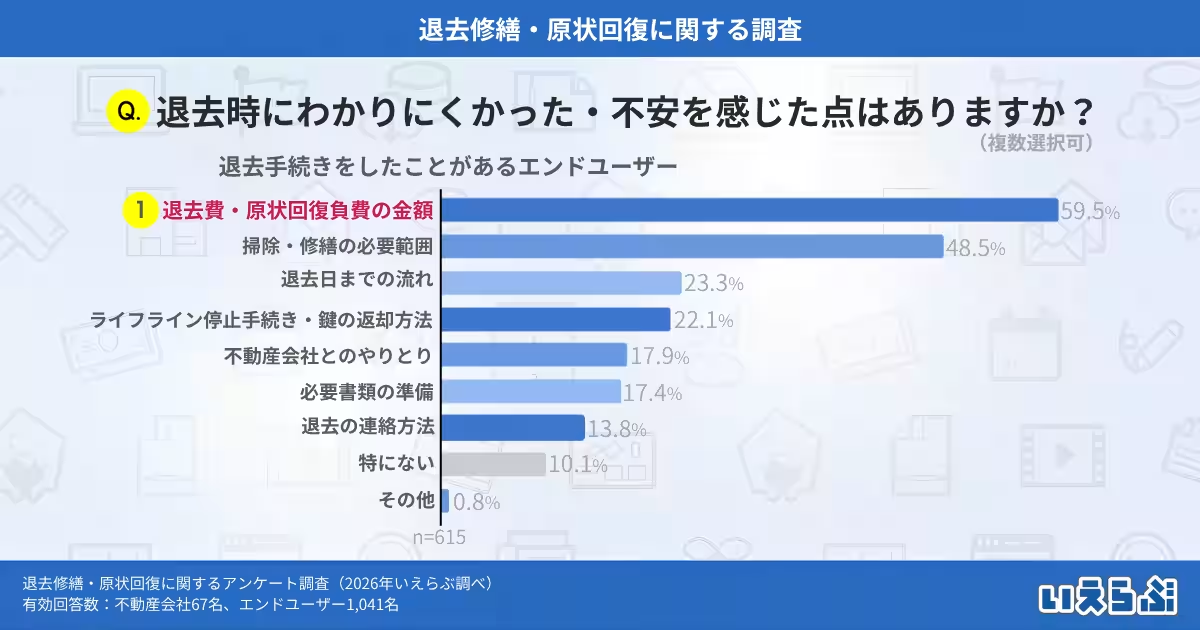
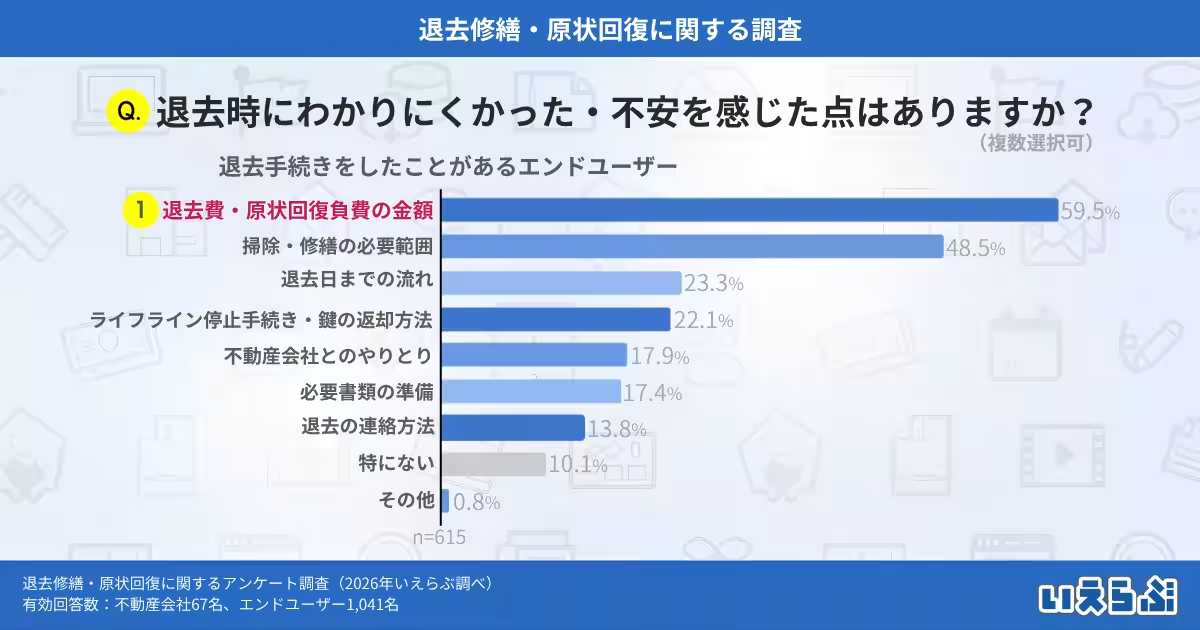
- - Understanding the costs related to move-out and restoration (59.5%)
- - Cleaning and repair requirements (48.5%)
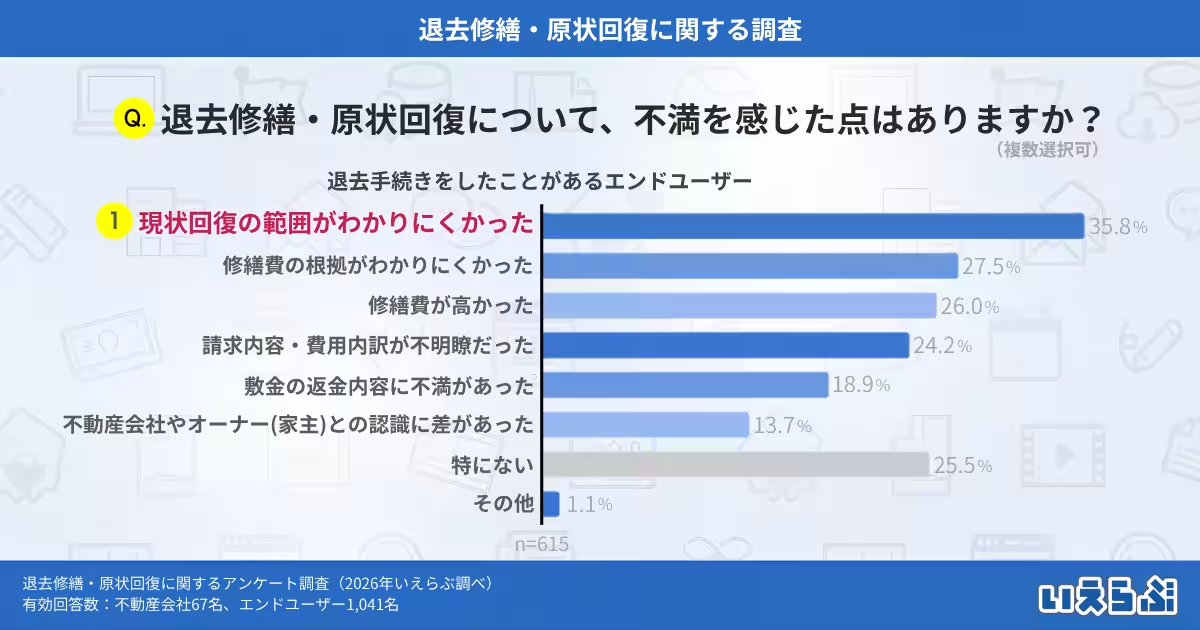
The dissatisfaction wasn't solely about the process's smoothness; it manifested in concerns regarding transparency. Many tenants noted they were unclear about the basis of repair costs and the range of necessary restorations. Responding to queries about frustrations experienced during the process revealed the following common themes:
- - Lack of clarity around the scope of restoration (35.8%)
- - Difficulty understanding the rationale behind repair costs (27.5%)
- - High costs associated with repairs (26.0%)
Communication Gaps Between Tenants and Property Managers
A key area of conflict emerged in responses about financial responsibilities. More than 50% of tenants cited discrepancies in perceived cost burdens, and nearly 46.3% noted a lack of consensus regarding the scope of necessary repairs and maintenance.
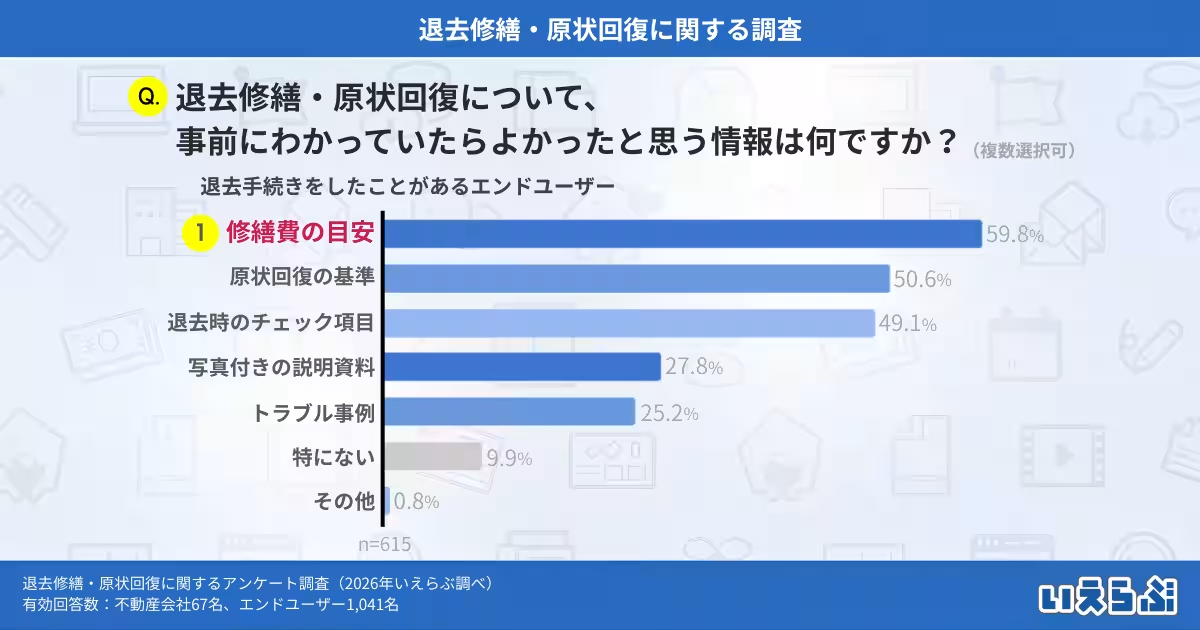
When asked what information would have been beneficial before their move-out procedures, respondents highlighted several needs:
- - Estimates of repair costs (59.8%)
- - Restoration standards (50.6%)
- - Checklist for move-out inspections (49.1%)
These responses highlight a significant gap in communication and expectation management between property owners and tenants.
Desire for Streamlined Processes
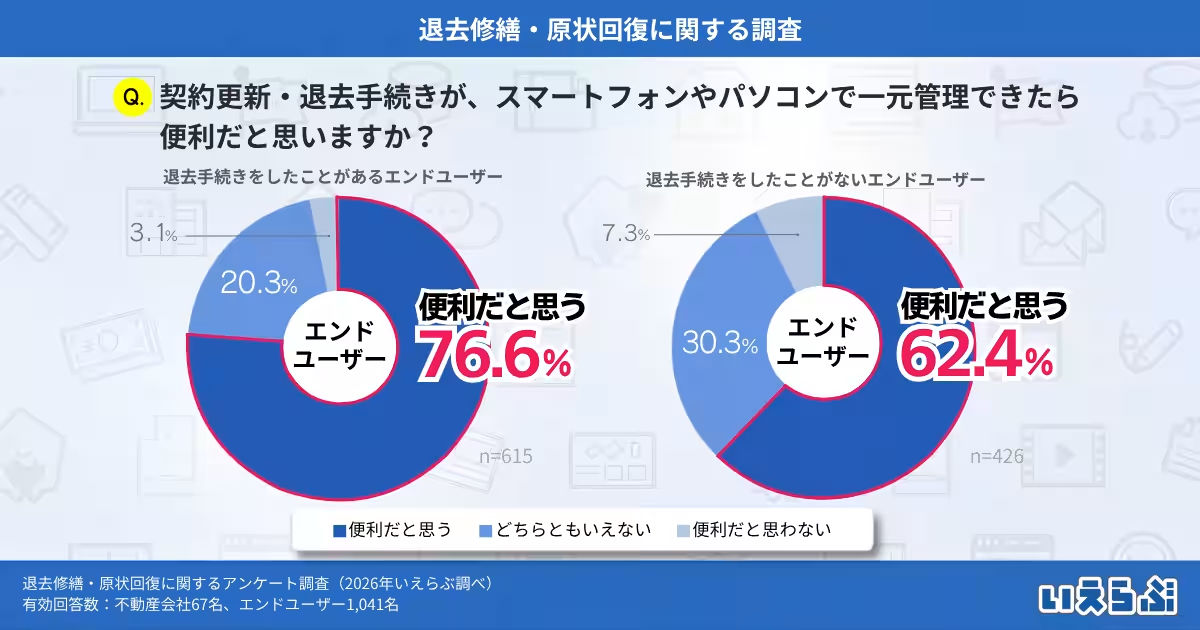
Despite the dissatisfaction, tenants showed a strong interest in transitioning to digital platforms for contract management and move-out procedures. Approximately 76.6% expressed that managing their move-out and contract renewals digitally through smartphones or computers would be beneficial. Even among those who hadn't been through a move-out recently, over 62% agreed with the advantages of a unified digital management system.
However, the hesitation to digitalize was evident among property managers. A majority (58.2%) indicated uncertainty about moving toward digital solutions, while only 37.3% expressed a desire for such innovations. The disparity between tenant expectations and property management's caution regarding digital transformation presents challenges for the future.
Conclusion and Future Outlook
Kenichi Niiyama, a board member of IeraloveGROUP, commented on the survey findings, emphasizing the importance of transparency in communication. He noted that while the majority of tenants reported smooth processes, there remains significant anxiety related to costs and the specifics of property restoration. The demand for clear guidelines and comprehensive restoration standards is evident.
Moving forward, it will be essential for property managers to adapt their approaches, enhancing clarity around costs and procedures while also embracing digital solutions to streamline operations. By prioritizing the needs of both tenants and property managers, a more harmonious rental experience can be achieved for all parties involved.

Topics Consumer Products & Retail)








【About Using Articles】
You can freely use the title and article content by linking to the page where the article is posted.
※ Images cannot be used.
【About Links】
Links are free to use.