



Transforming Nihonbashi Kabutocho: A Public Space for the U-35 Generation
Revitalizing Nihonbashi Kabutocho: A New Public Space
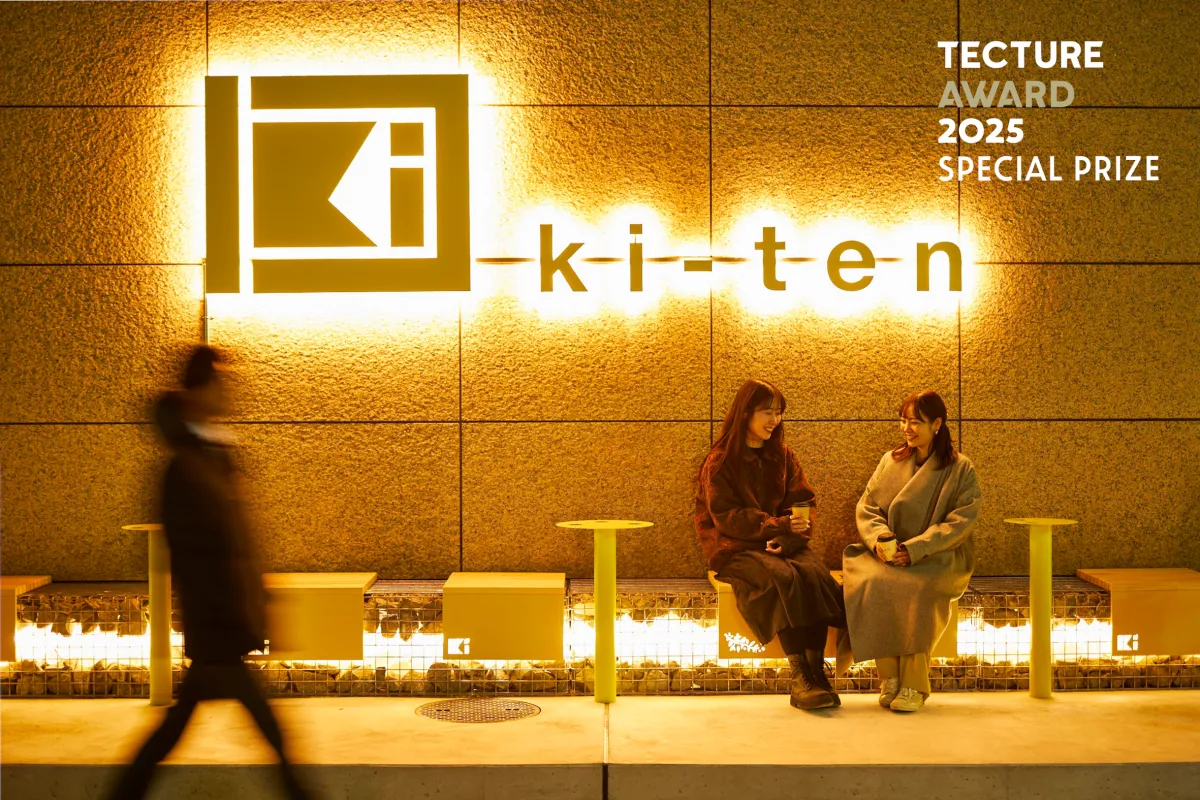
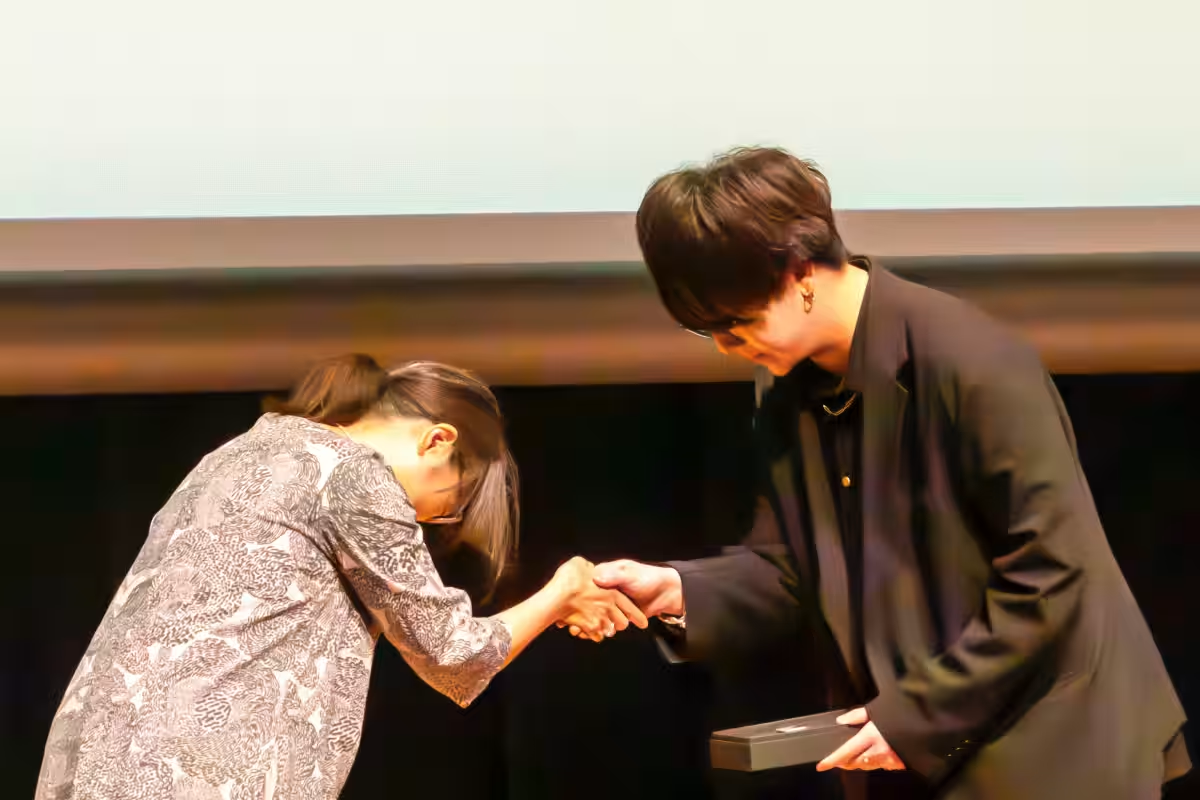
Japan's Nihonbashi Kabutocho is undergoing a significant transformation from a secluded financial district to a vibrant community hub, thanks to a brilliant renovation project named 'ki-ten.' Executed by parkERs, an urban design brand of Park Corporation, this initiative recently garnered the special U-35 award at the TECTURE AWARD 2025, one of Japan's largest spatial design competitions.
Background of the Project
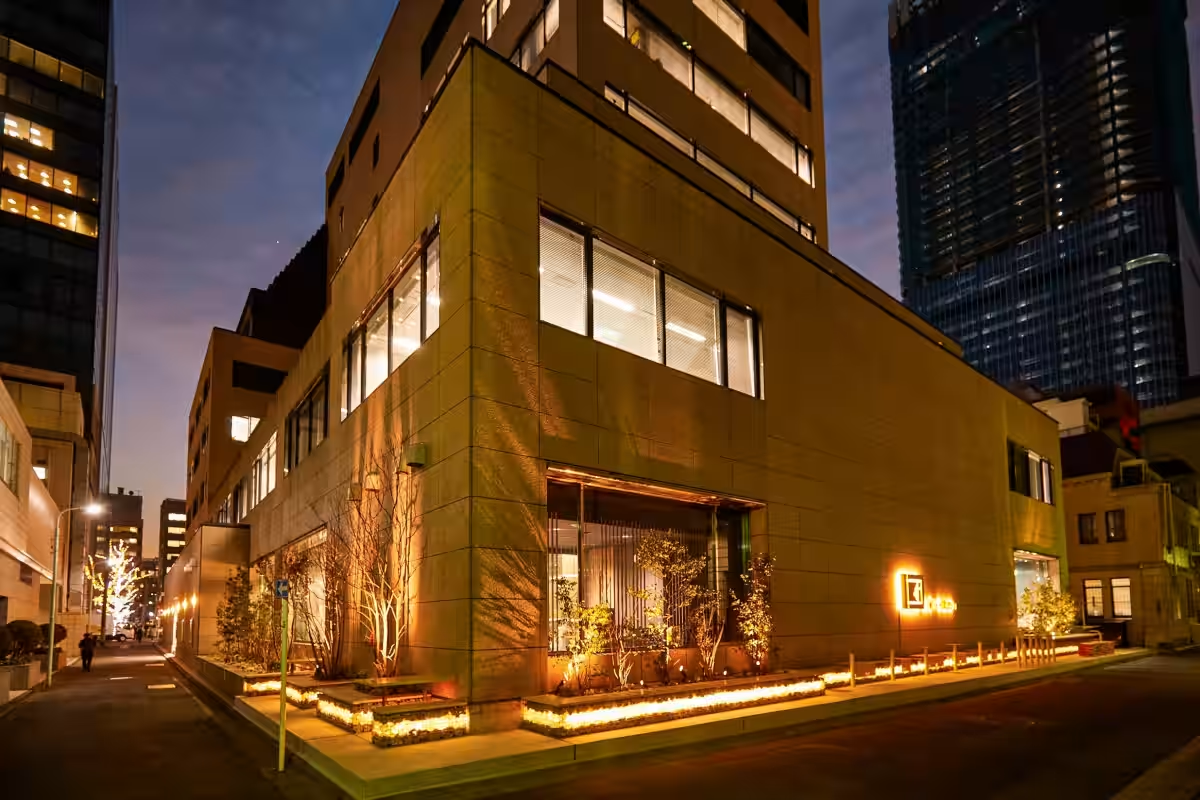
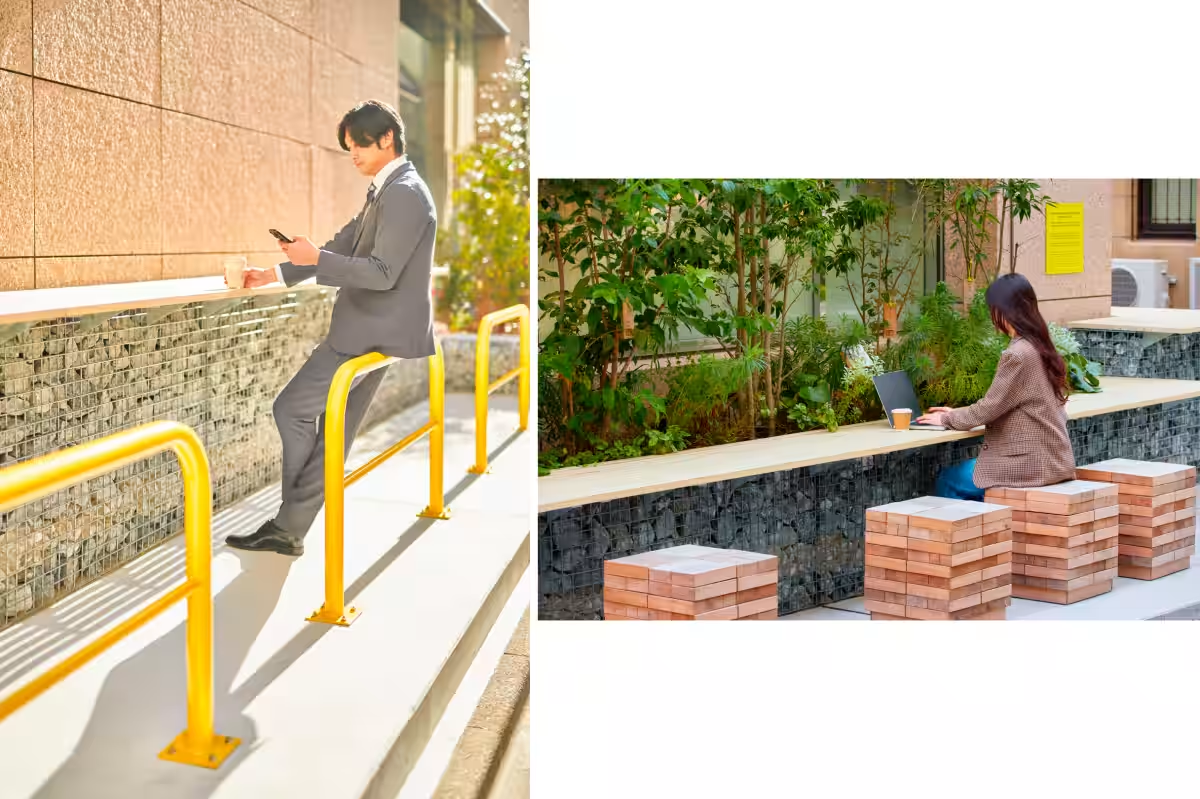
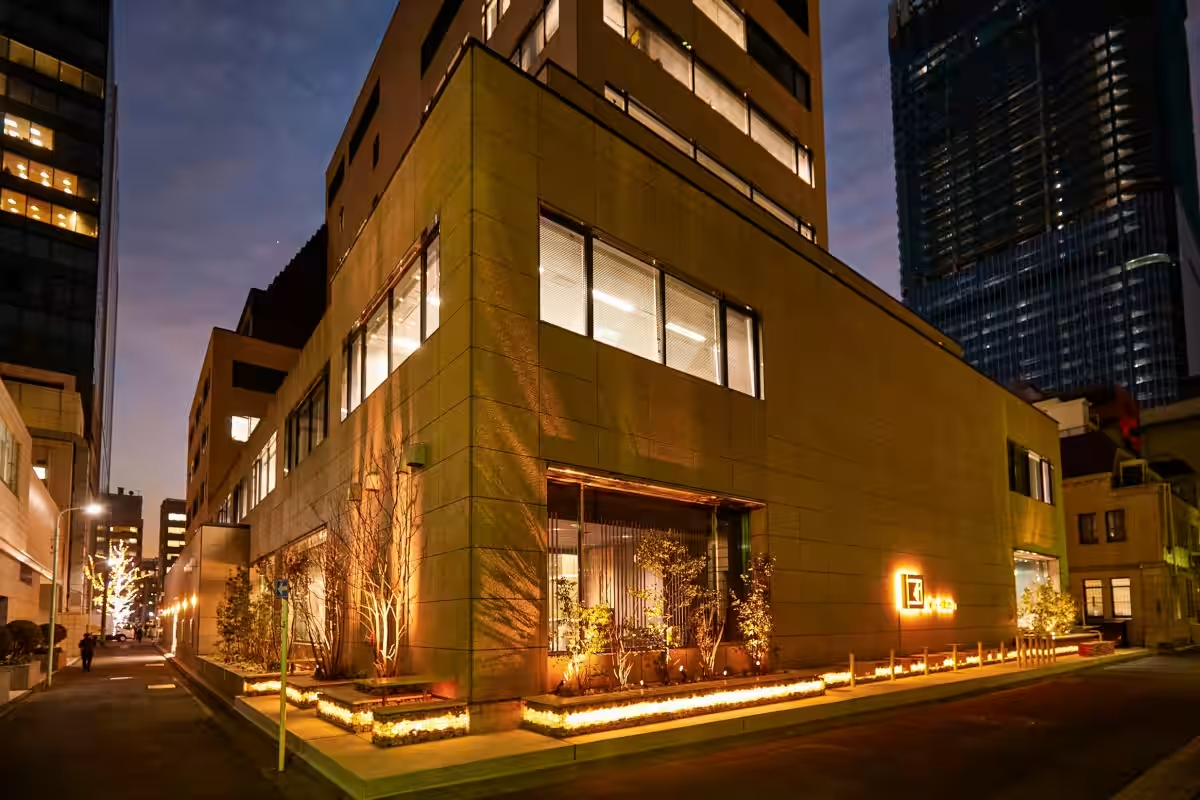
The renovation involves the revitalization of two buildings: the Heiwa Building No. 1 and Heiwa Building No. 6. These structures, constructed 43 years ago, have been redesigned to create public spaces that encourage interaction and community engagement. In a region historically characterized by closed office buildings, the project worked to shift perceptions and habits, creating places where people can pause and interact rather than just pass through.
A New Approach to Urban Design
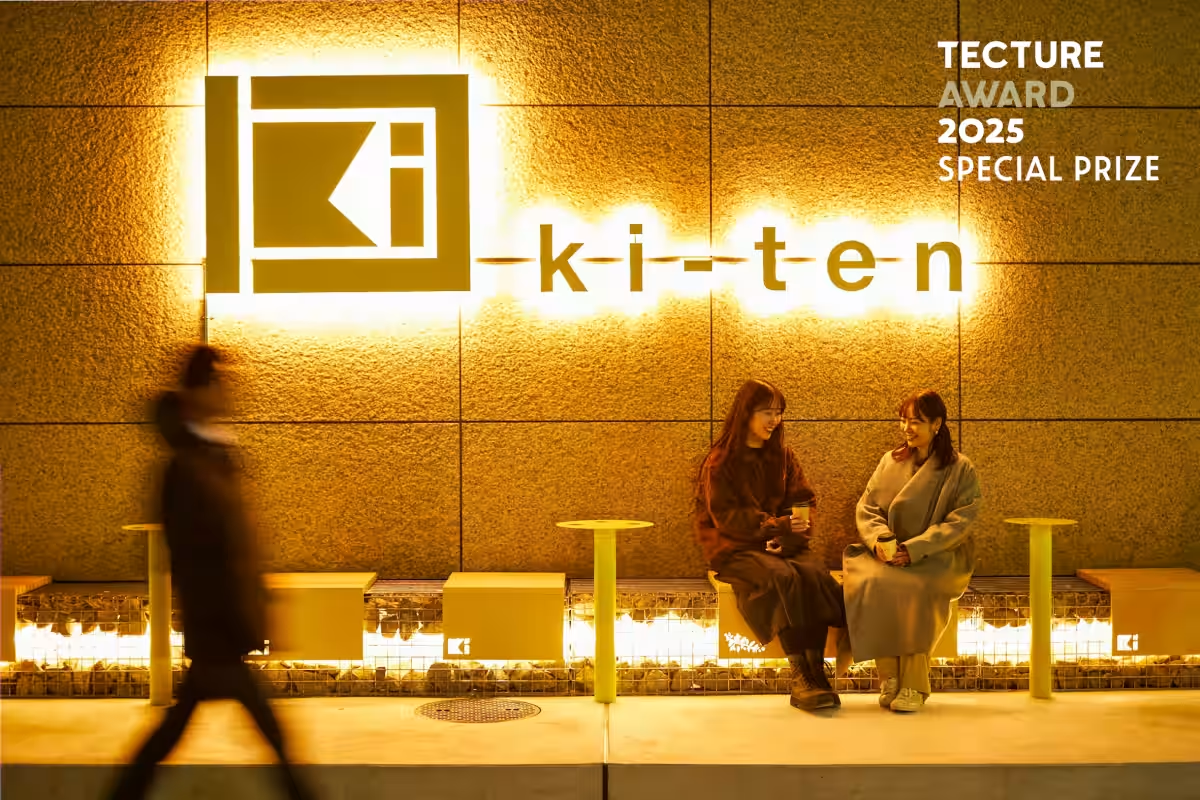
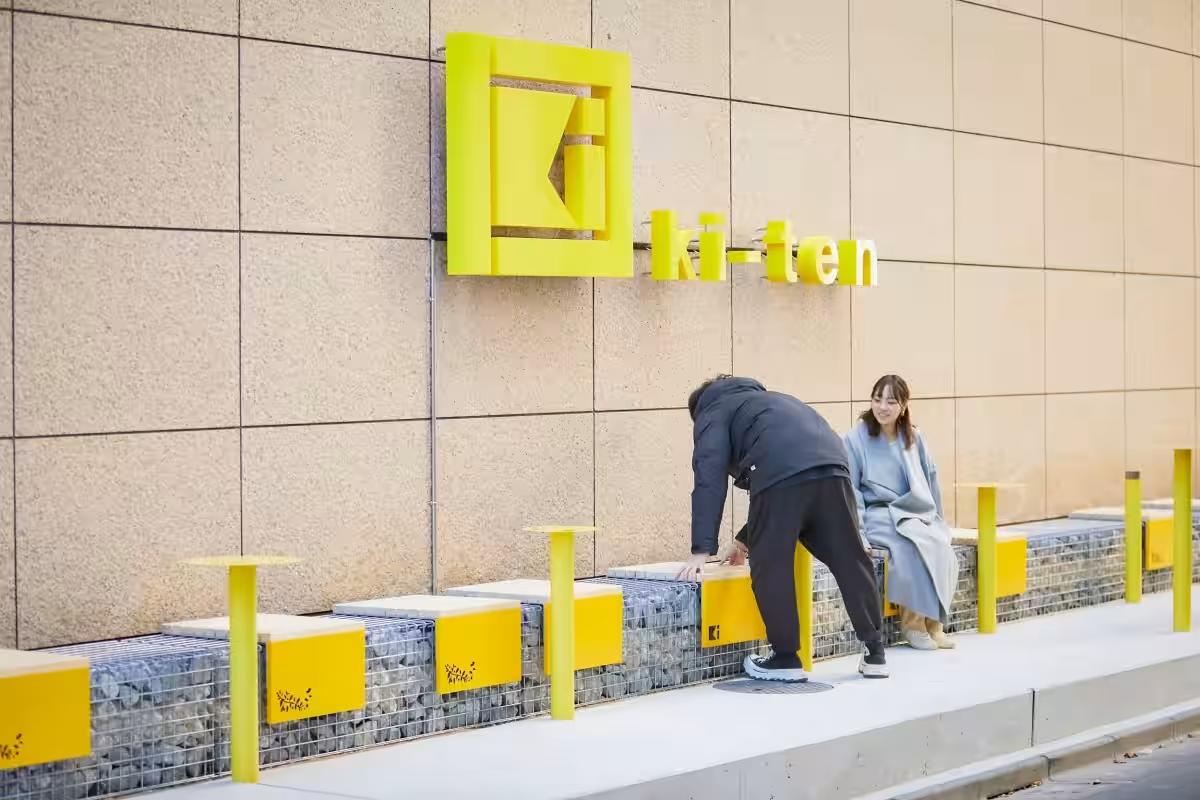
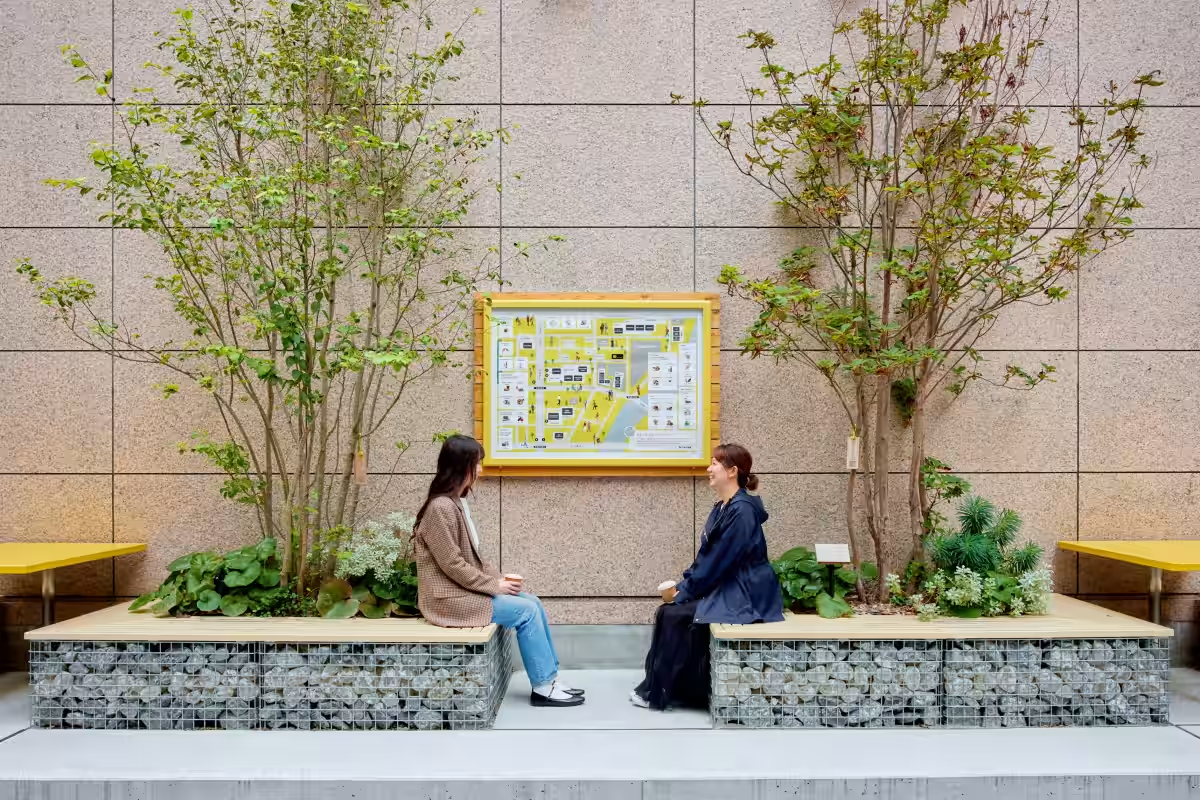
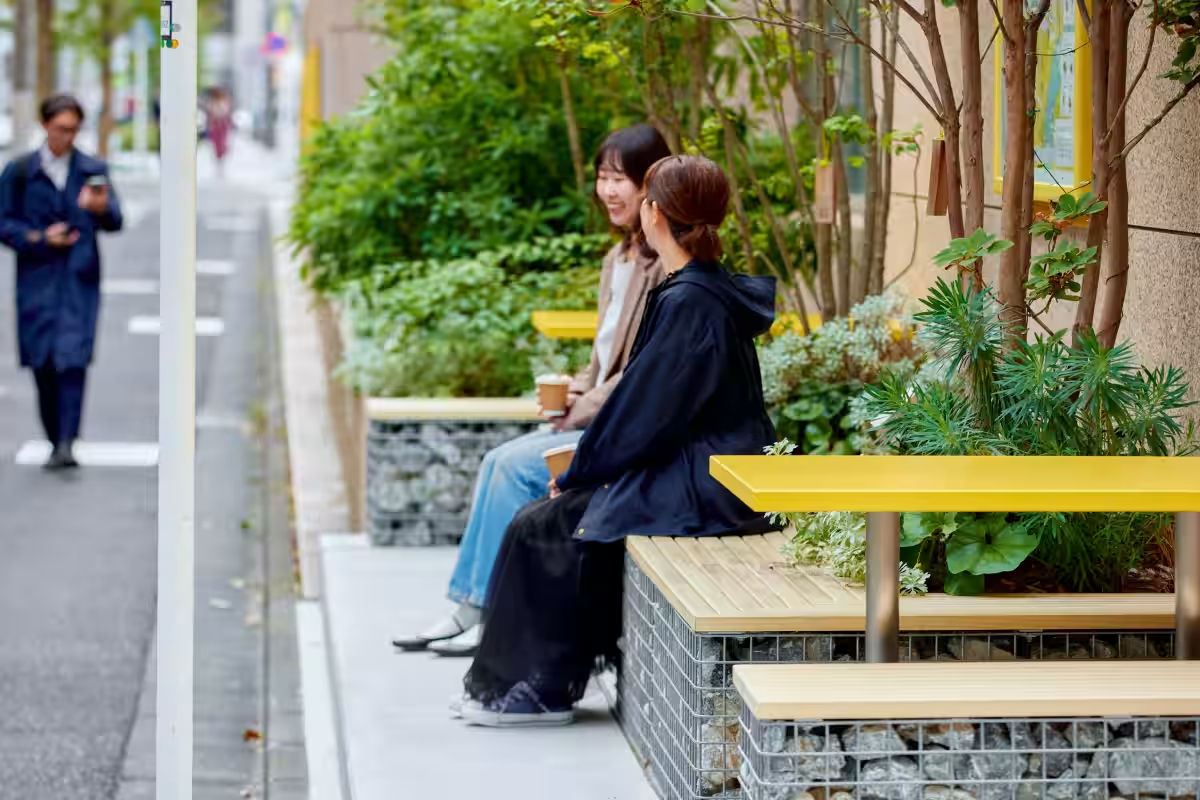
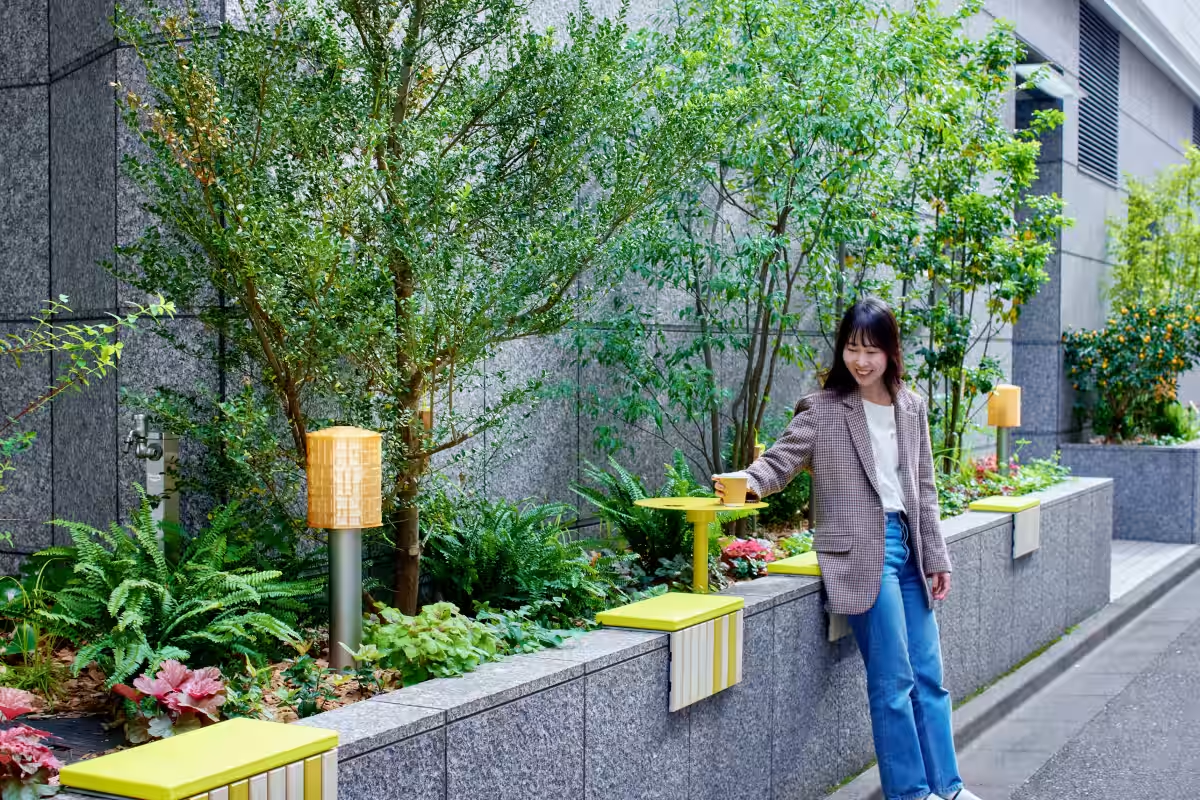
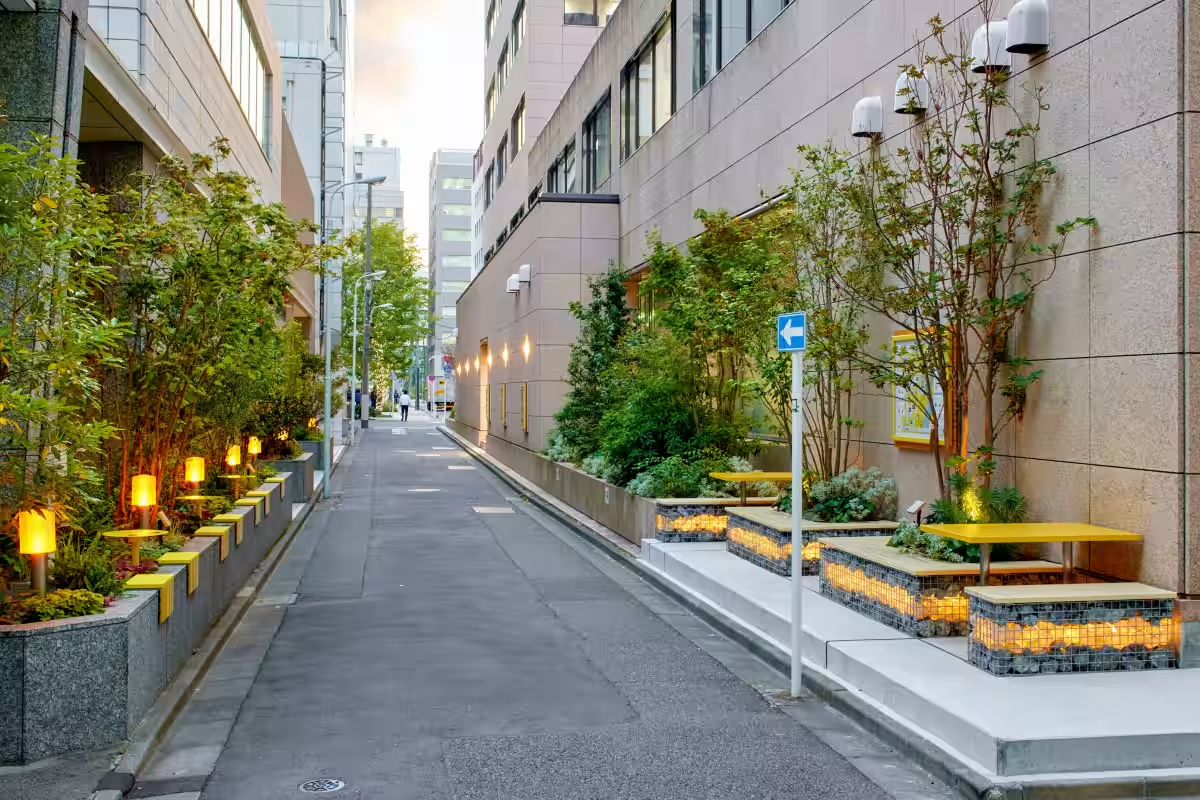
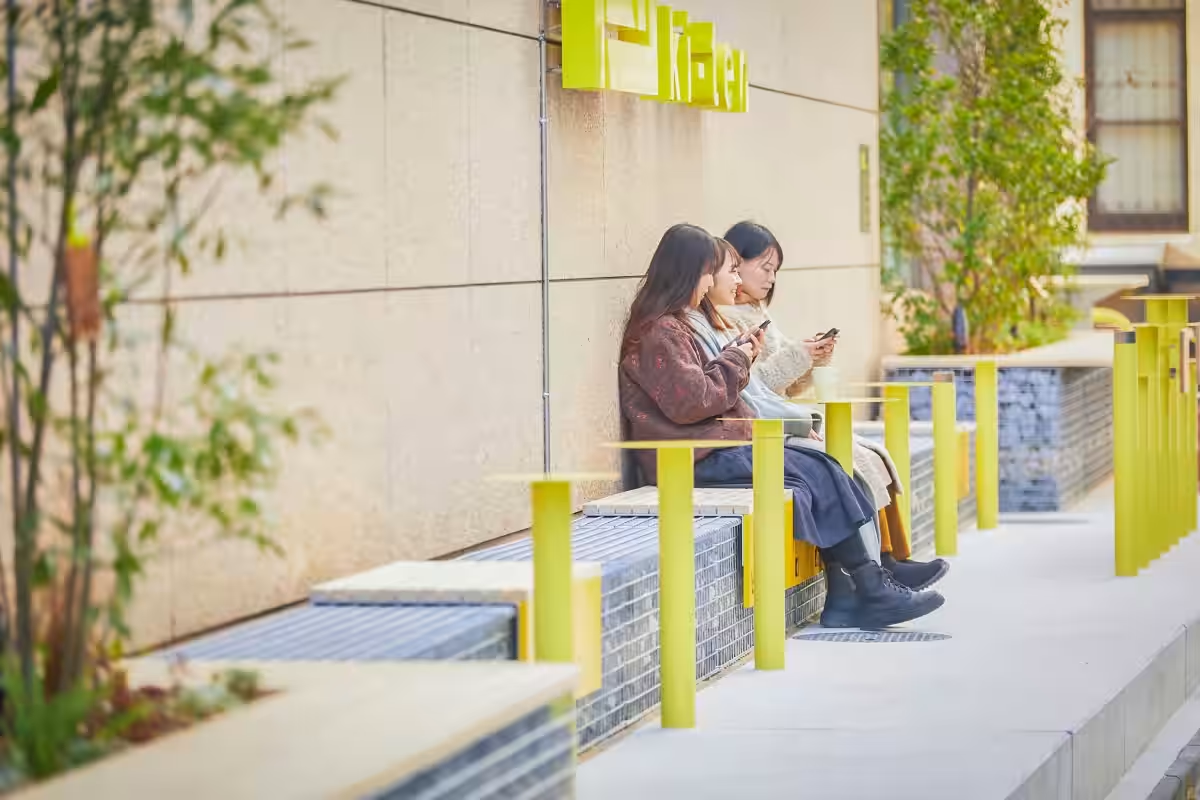
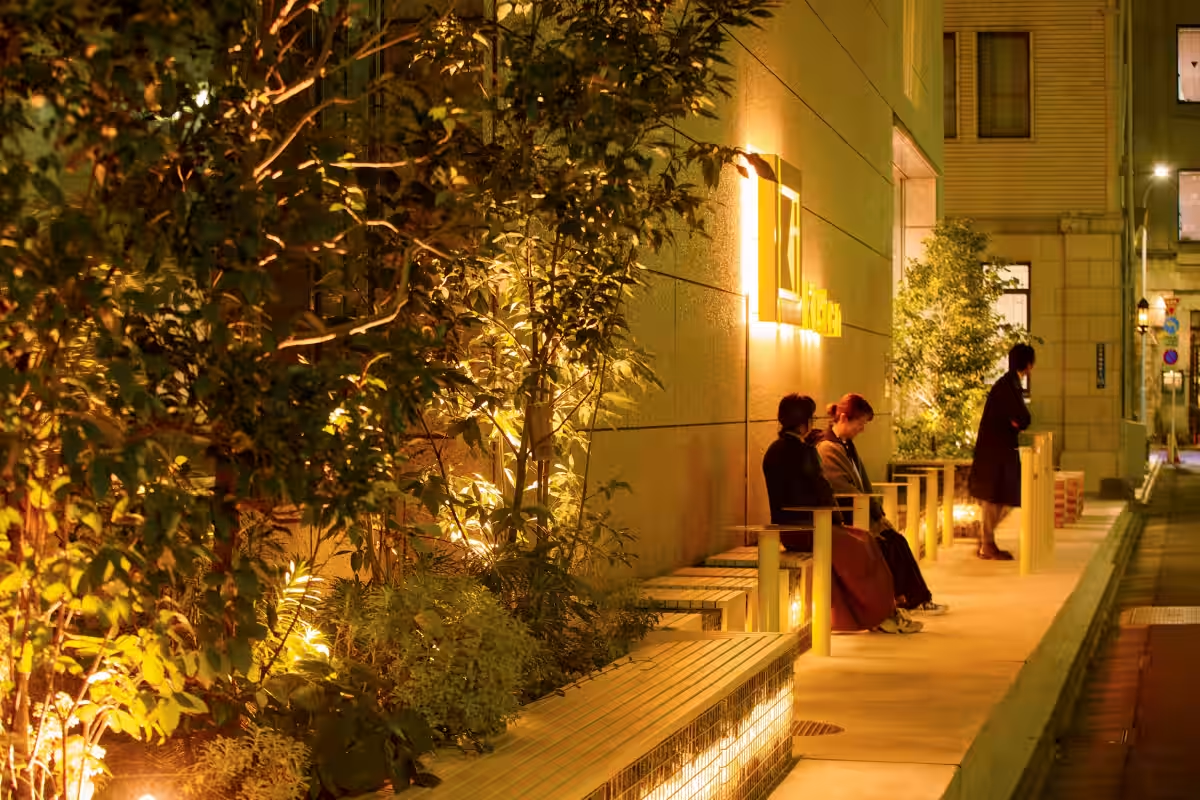
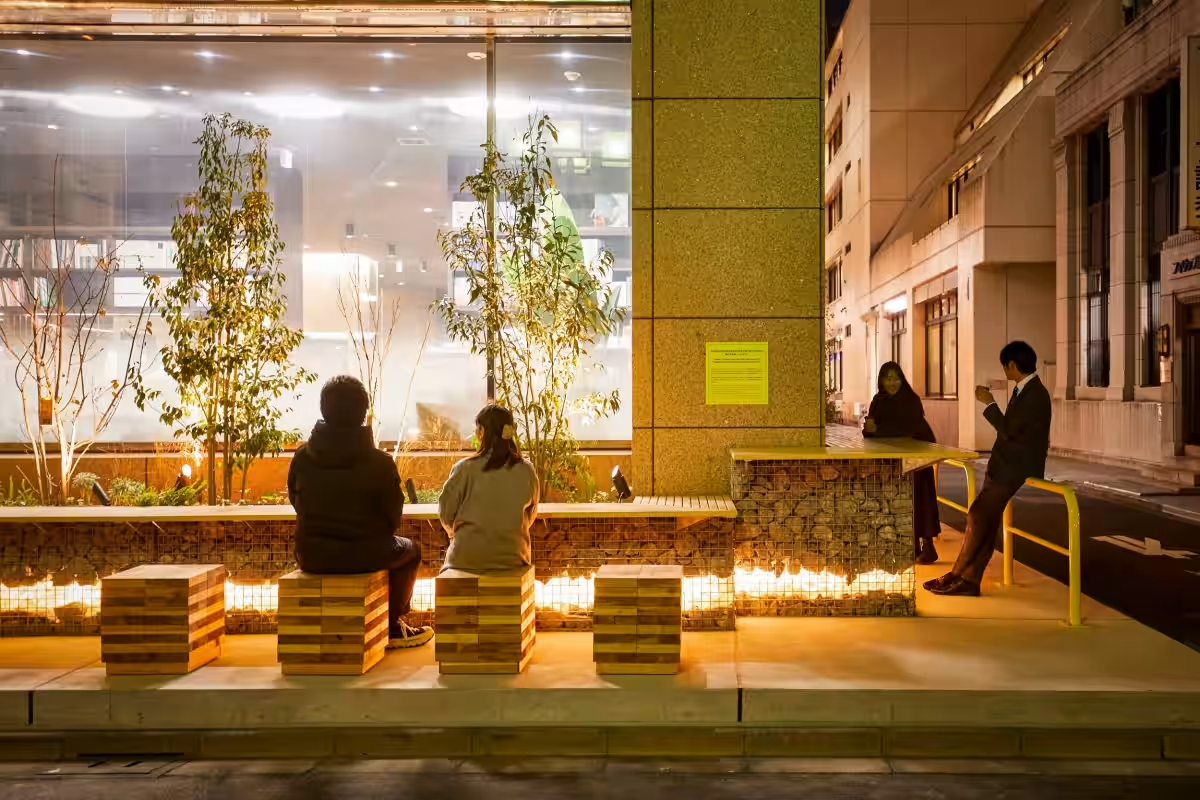
The strategy behind 'ki-ten' is built upon the need to create inviting spaces within a district traditionally perceived as isolated. By introducing open areas equipped with benches, greenery, and ambient lighting, parkERs has successfully crafted an environment that fosters a sense of community. This transformation is not merely in aesthetics; it physically encourages behavioral change among the area's inhabitants and visitors.
Expert Advocacy
Sheera Camarazo, CEO of Clyne Dysam Architects and a professor at Hosei University, praised the project for introducing a lively public space amid the otherwise business-focused character of Kabutocho. She expressed that the design promotes a welcoming atmosphere and facilitates social interaction, thus revitalizing the urban landscape.
Innovative Design Features
Dynamic Landscape Design
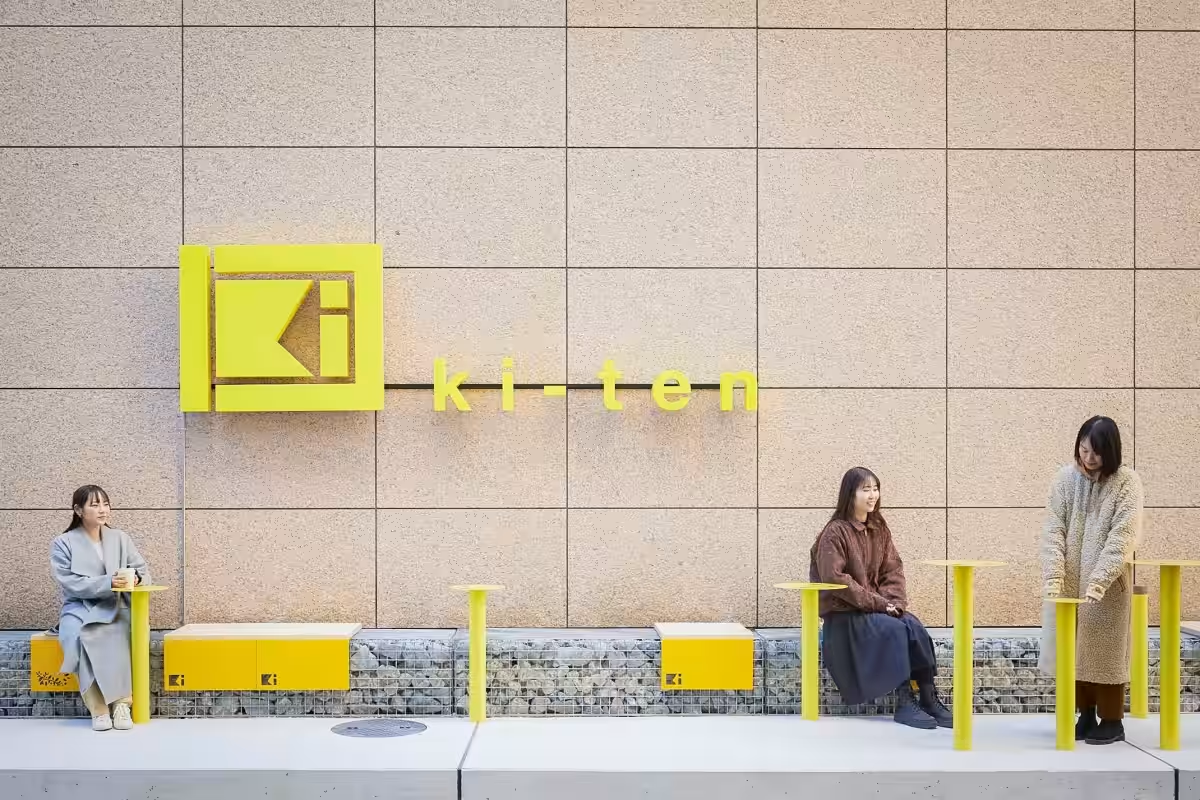
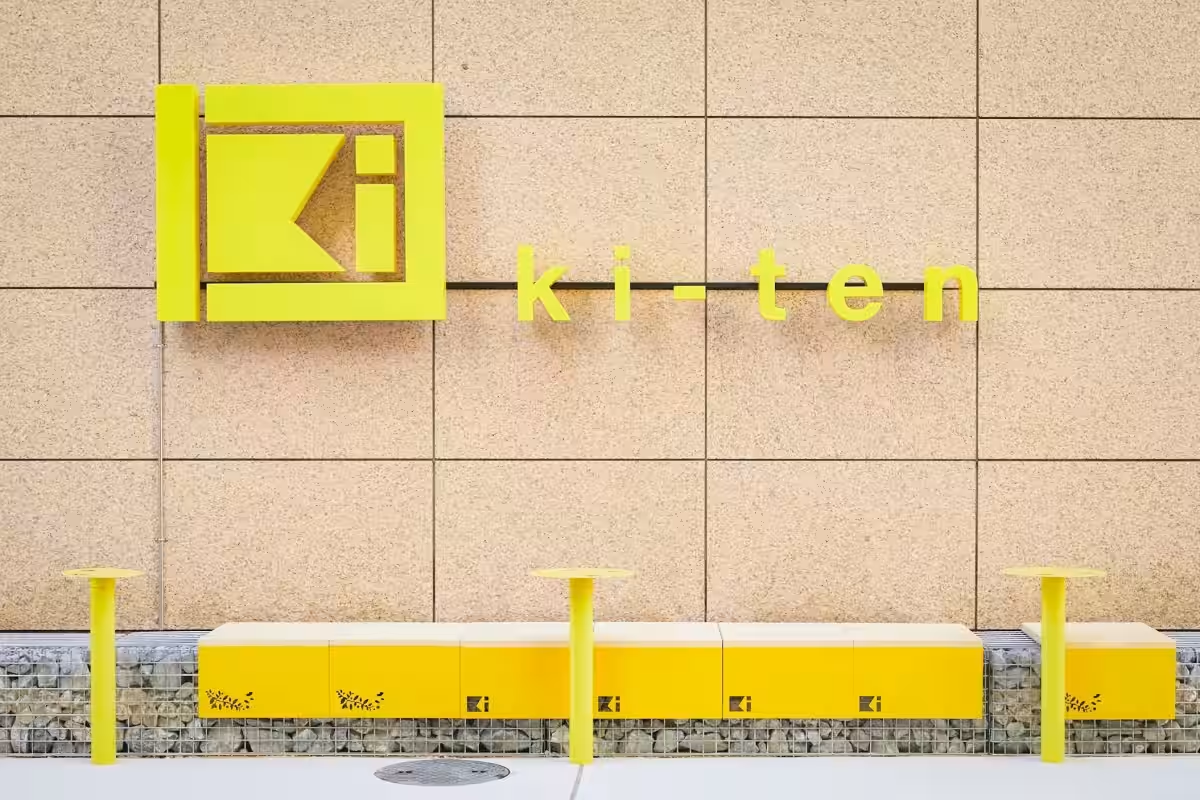
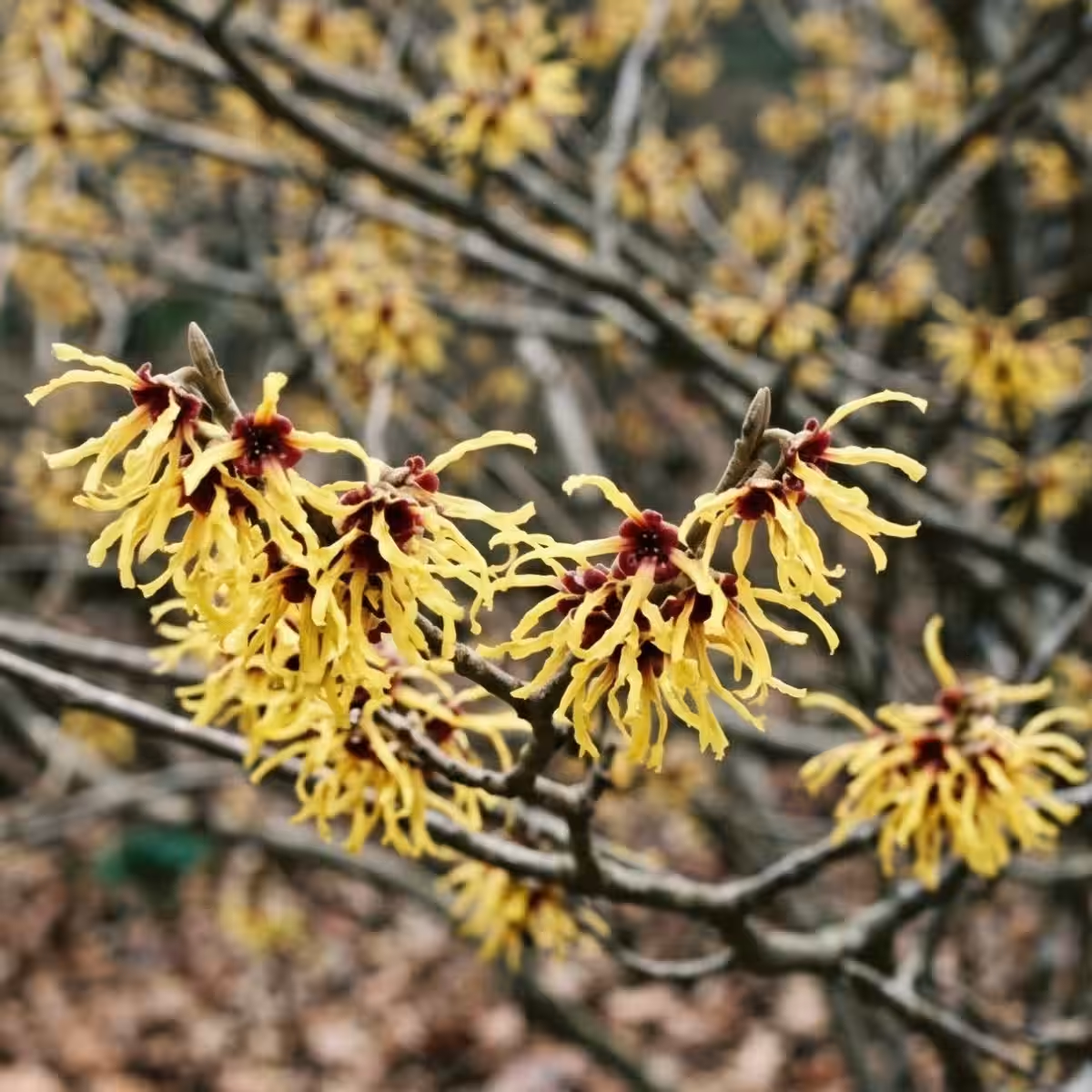
The landscape was conceived to address the lack of rest areas in the neighborhood. The external spaces were rebuilt to encourage people from various backgrounds — whether visiting the financial institutions or leisurely strolling — to linger and enjoy their surroundings. With yellow as the theme color, which embodies the area's energetic spirit and association with finance, the zone has been aptly named 'ki-ten,' referring to a starting point or a point of departure in life.
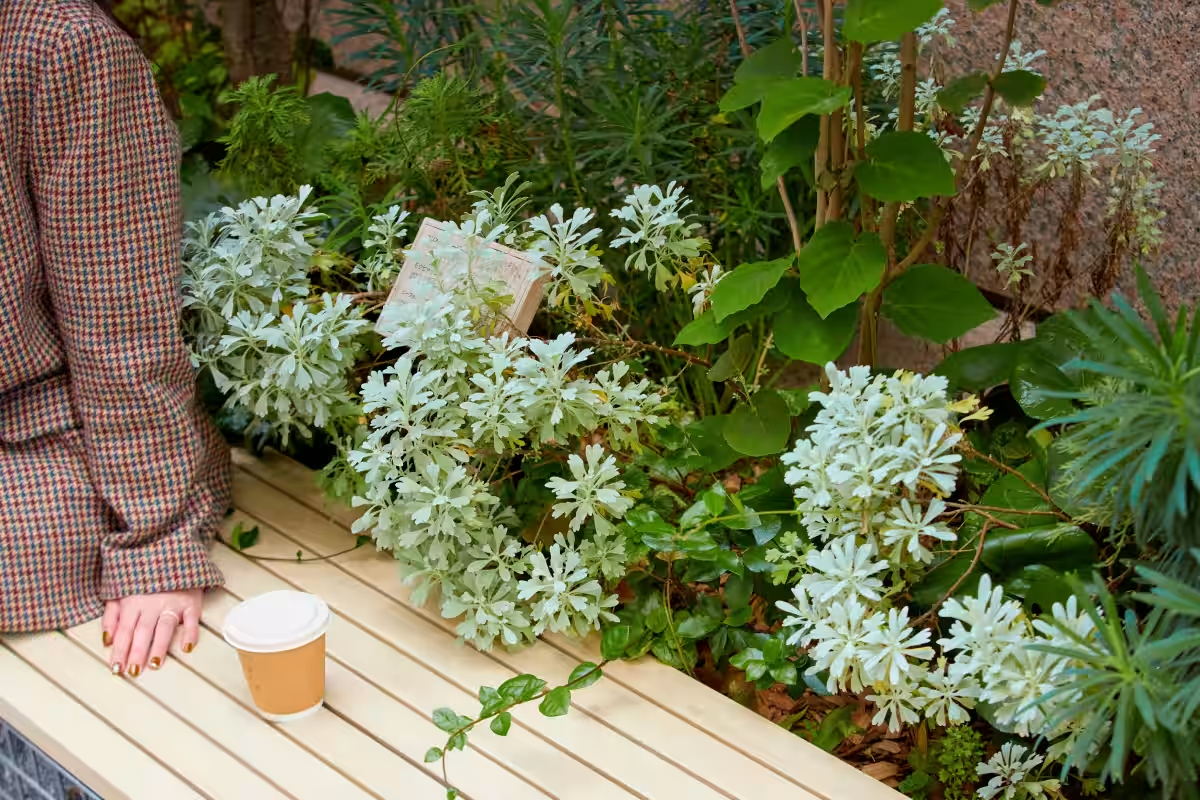
Park Corporation's representative noted that the incorporation of vibrant colors and culturally significant trees, such as Yamabuki, which symbolizes prosperity and elegance, enhances the area's visual appeal and connection to its financial history.
Versatile Furniture Development
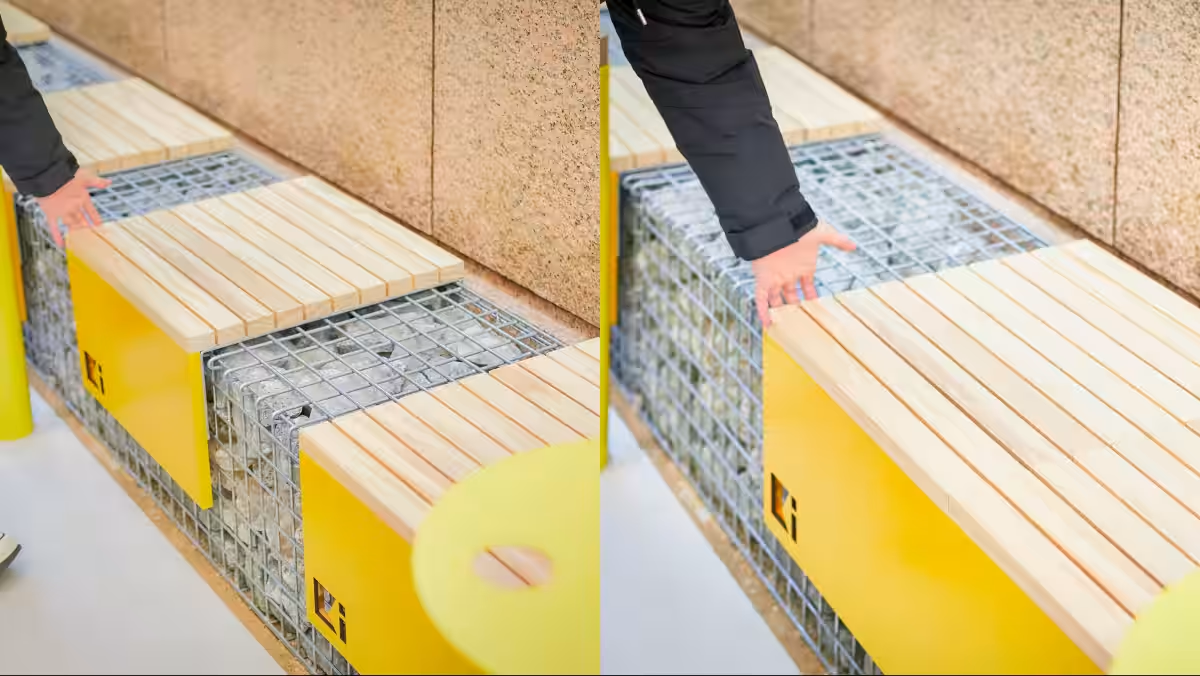
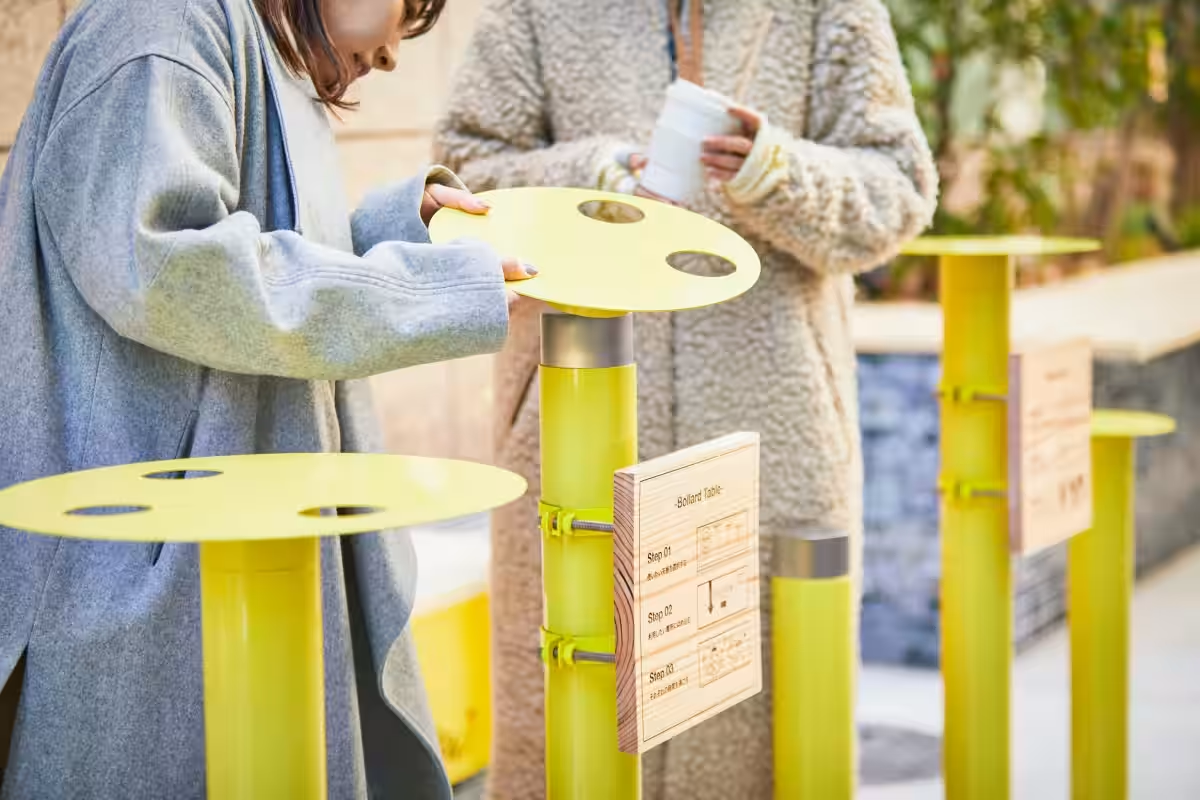
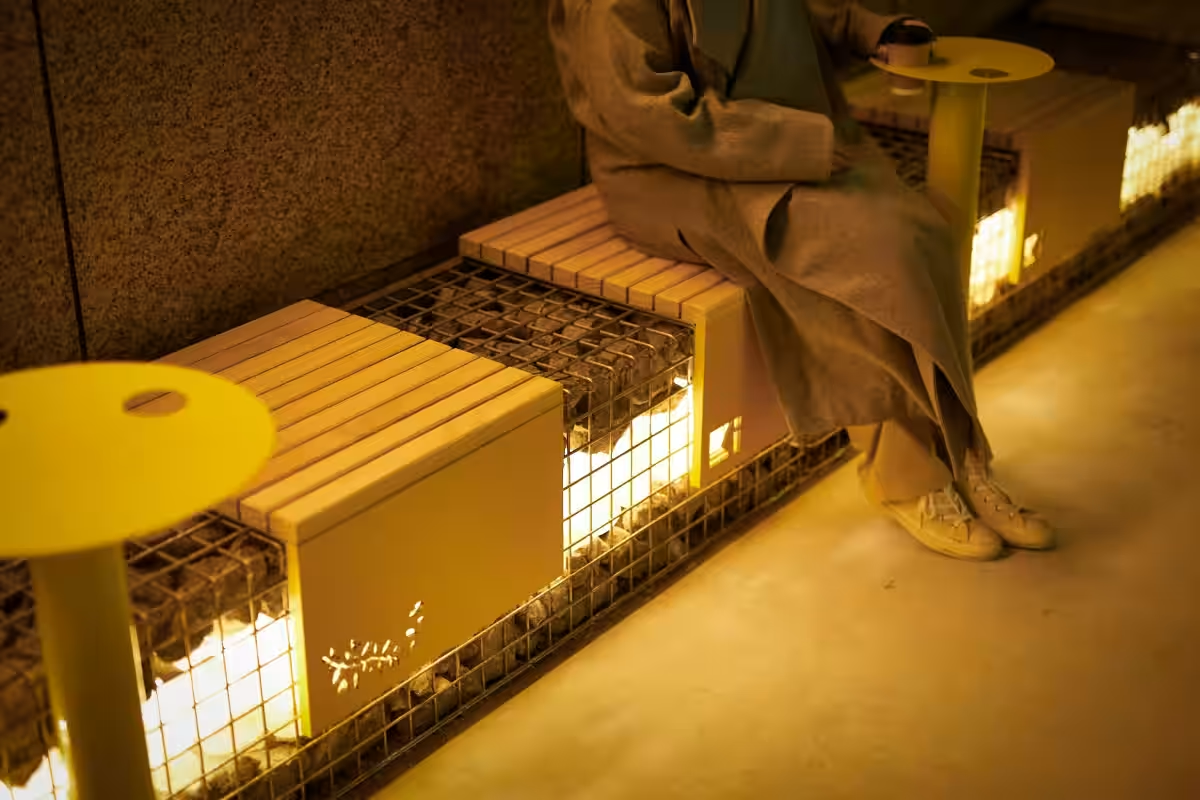
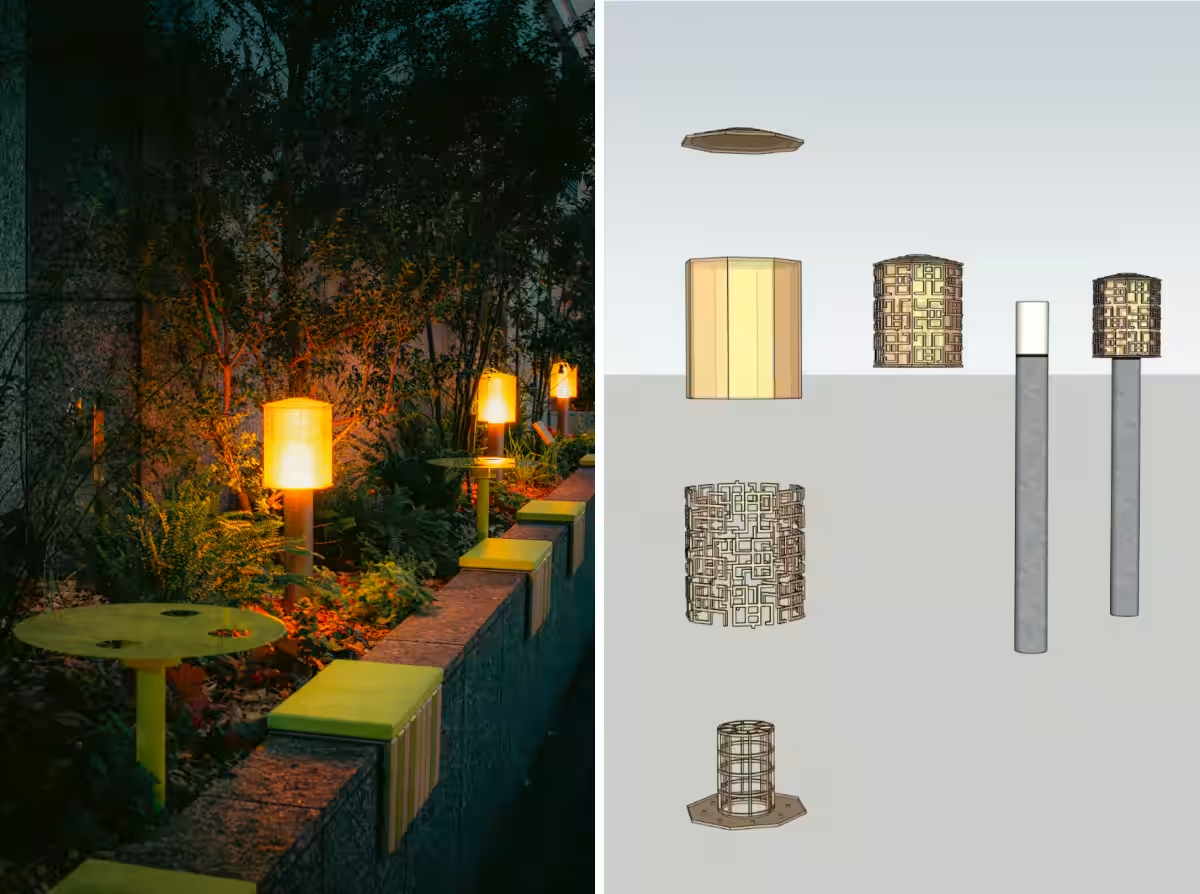
The project also introduced movable furniture, allowing benches to be adjusted according to the number of users. This feature accommodates varying group sizes while promoting comfort and interaction. Additionally, aesthetic elements such as lamp shades, designed with patterns derived from the word 'Kabuto,' contribute to the charm and identity of the space, creating new standards for urban environments that symbolize prosperity and community engagement.
Artistic and Ecological Elements
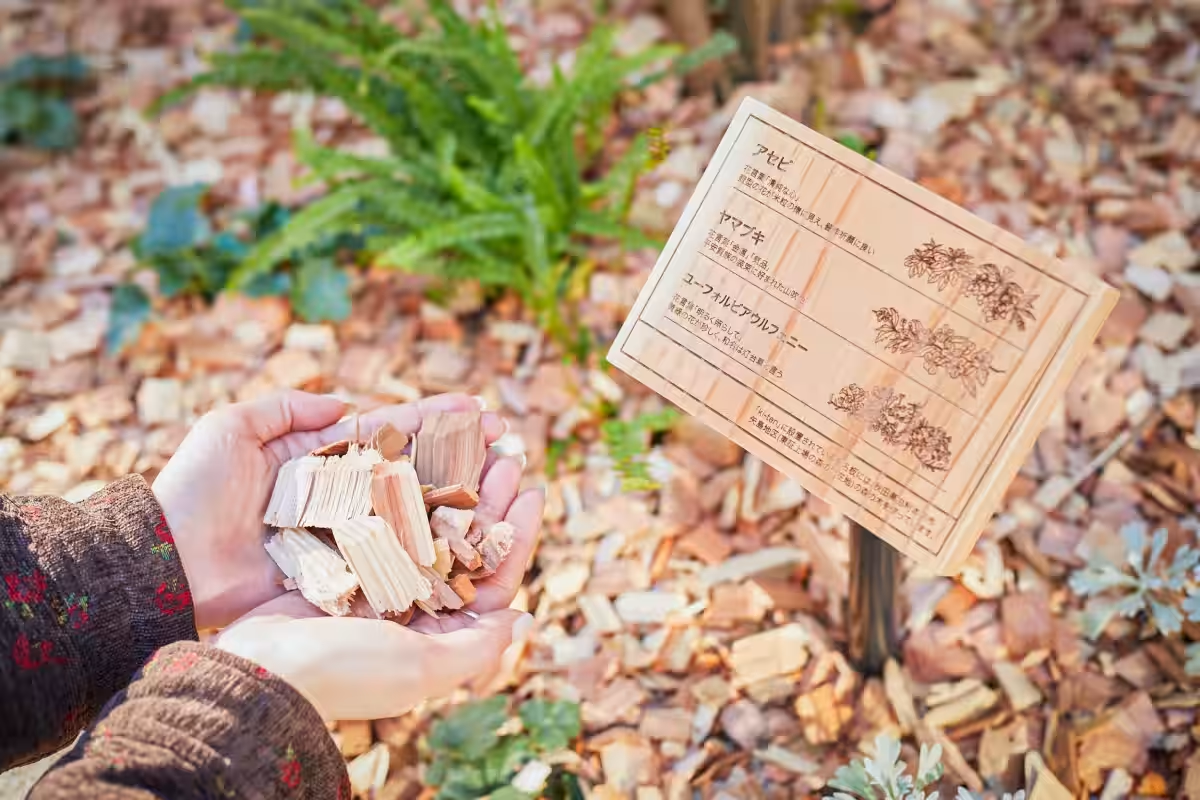
The landscaping includes not only visual aesthetics but also ecological considerations. The choice of plants reflects significant symbolism connected to wealth and the banking industry, thus reinforcing the area's identity. Furthermore, materials used throughout the project have been sourced sustainably to support forest conservation initiatives in Akita Prefecture.
Community Engagement
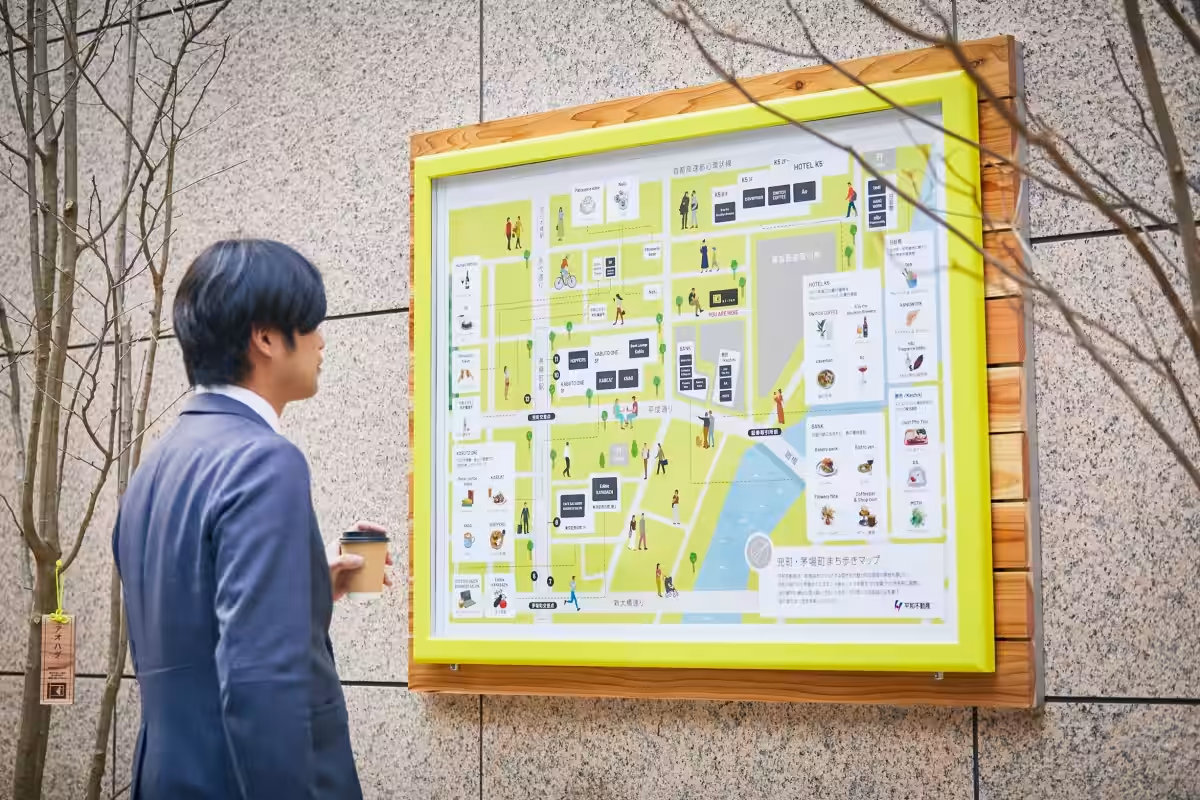
To encourage exploration within Kabutocho, the project incorporated original maps assembled on poster frames that highlight nearby shops and attractions. This direction seeks to stimulate movement and interaction throughout the neighborhood. By bridging various community aspects, 'ki-ten' aims to breathe life into Kabutocho and foster new social dynamics.
Future Aspirations
ParkERs envisions 'ki-ten' as not only a physical location, but a catalyst for cultural and social evolution within Nihonbashi. Designers hope that this revamped space will continue to attract people year-round, offering a comforting refuge where the local community can unite and thrive. As various seasons unfold, the design adapts to encapsulate the beauty of nature, making it an enduring space for relaxation and interaction.
In conclusion, the revival of Nihonbashi Kabutocho through the 'ki-ten' project represents a significant step toward modernizing urban spaces while preserving their historical roots. This transformative approach exemplifies how thoughtful design can encourage community engagement and revitalization, setting a precedent for future urban development across Japan.







Topics Consumer Products & Retail)
【About Using Articles】
You can freely use the title and article content by linking to the page where the article is posted.
※ Images cannot be used.
【About Links】
Links are free to use.