



Boosting Employee Learning: The Power of Skill Definition in Organizations
Introduction
In today's fast-paced business environment, the importance of employee learning and development cannot be overstated. As companies increasingly focus on human capital management and reskilling, fostering a culture of ongoing learning is vital. However, many organizations face challenges in encouraging employees to take initiative in their learning. A recent survey conducted by Schoo, a leader in internet-based education, sheds light on this pressing issue, revealing how skill definition can unlock employees' learning potential.
Purpose of the Survey
As organizations strive to cultivate a self-motivated and continuous learning culture, understanding the factors that drive such behavior becomes critical. Despite having e-learning and training systems in place, numerous companies report that employees are either unwilling to engage or unable to apply the knowledge gained. The Schoo survey targeted HR professionals and employees within corporations of over 1,000 staff members who either provide or participate in e-learning and training. The aim was to understand the definitions and workplace challenges surrounding corporate training.
Survey Findings
Overview of Results
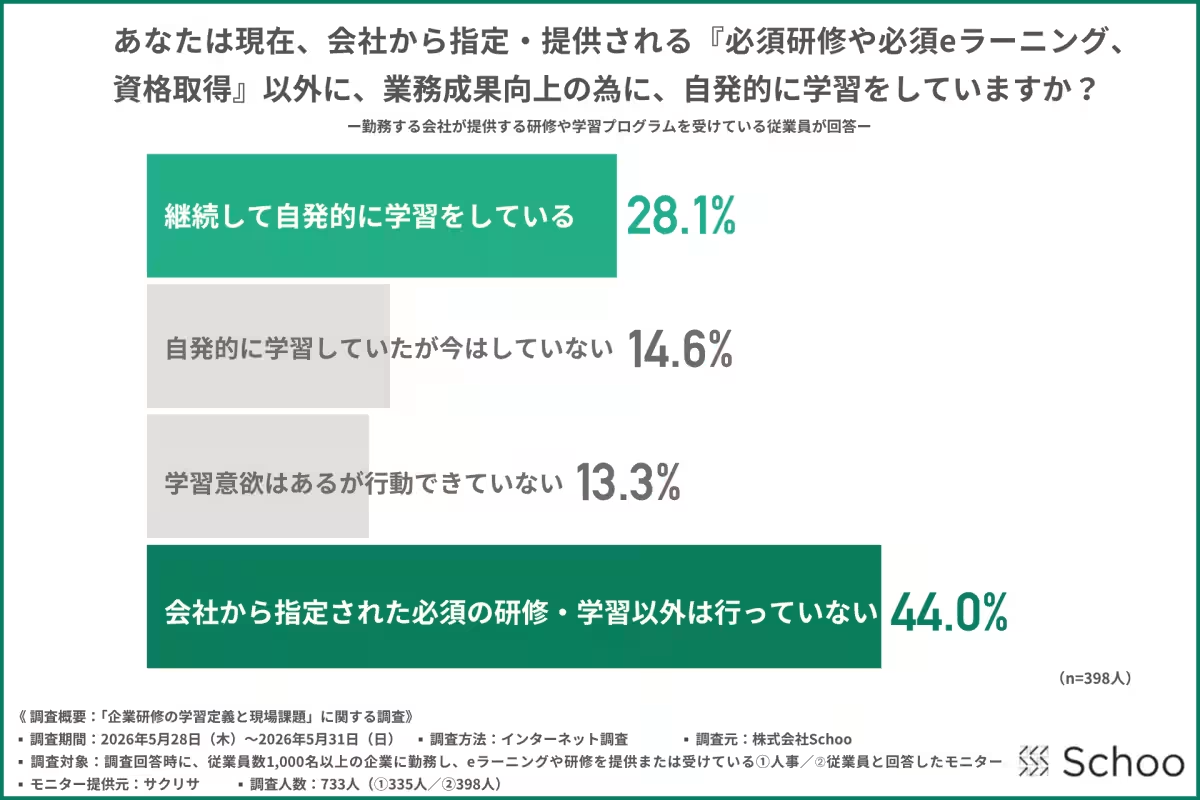
One of the key findings of the survey was that only about 30% of employees actively engage in self-directed learning. Over 44% of employees admitted that they participated only in mandatory training sessions stipulated by the company. This statistic clearly indicates a gap between expectations and reality when it comes to promoting voluntary learning.
Key Insight 1: The Impact of Skill Definition
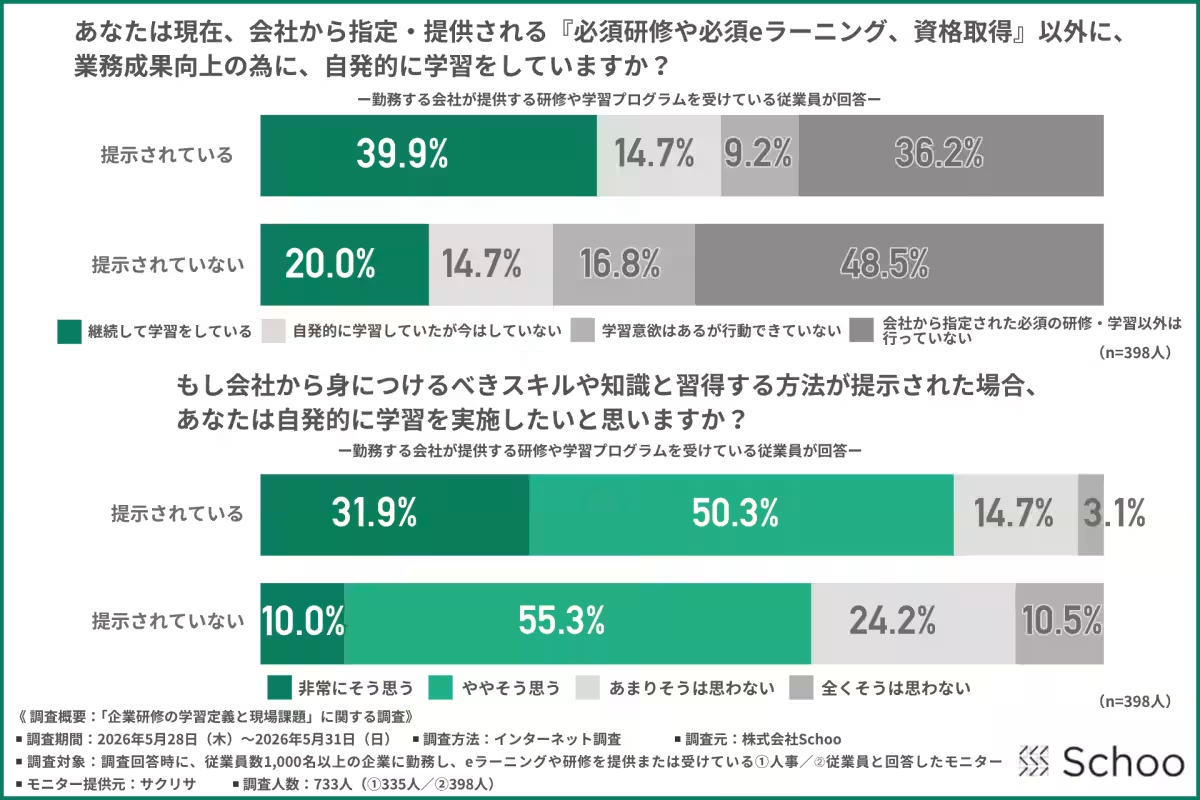
A striking revelation from the survey pertains to the significance of skill definitions in encouraging self-directed learning. Among employees who were not presented with specific skills to develop, only 20% reported continuous self-learning. However, when asked if they would be more inclined to engage in learning if specific skills were defined, a staggering 65.3% expressed a strong desire to learn. This implies that simply indicating the necessary skills can triple an employee's motivation to learn.
Key Insight 2: The Challenge of Conversion from Intention to Action
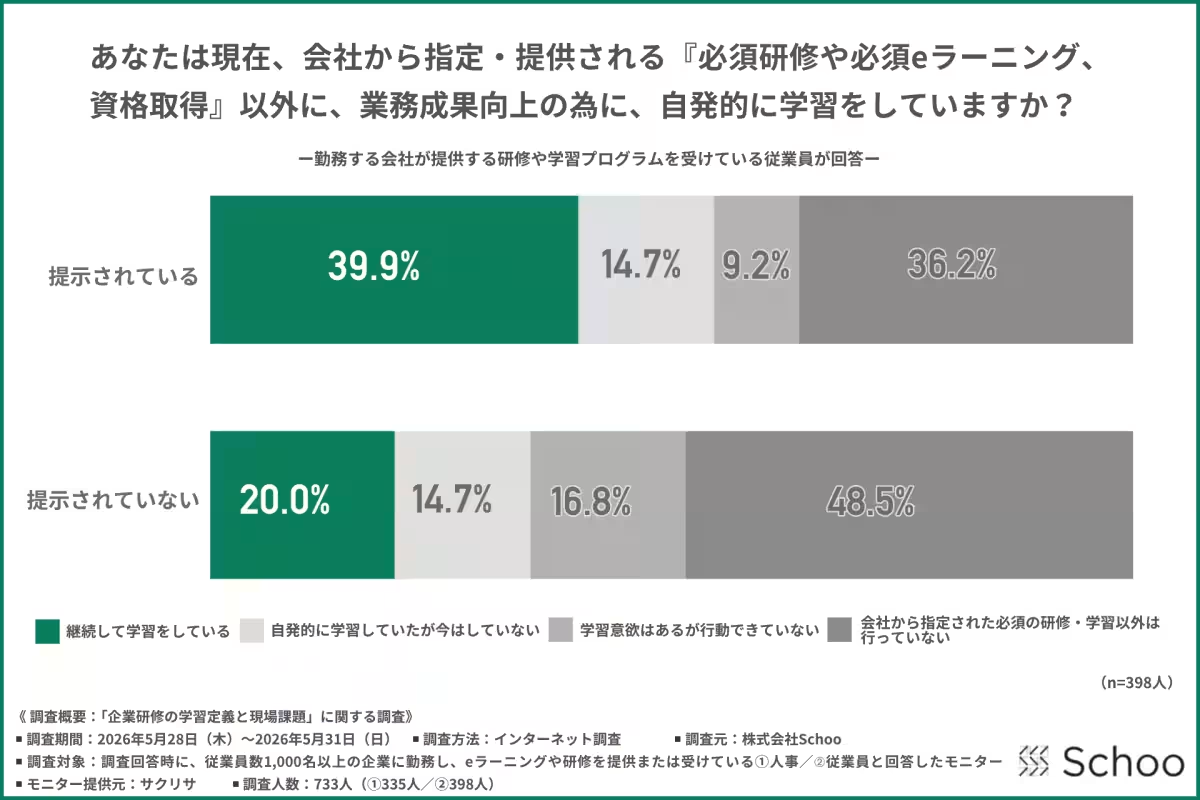
Despite the motivational uplift from skills being outlined, only about 40% of employees actually took steps to continue learning. Approximately 39.9% of those who had skill definitions in place actively engaged in continuous learning, compared to just 20% in the group without any defined skills. This highlights a significant gap between employees' intentions and their actions regarding self-initiated learning. This discrepancy could be attributed to various barriers that prevent employees from taking meaningful steps towards learning.
Key Insight 3: The Role of Environment in Fostering Learning
When inquiring about what motivates employees to pursue self-directed learning, the primary reason cited was that it leads to practical solutions for work-related challenges and enhances productivity, accounting for 58% of responses. This reinforces the notion that not only should organizations provide clear skill definitions, but they must also create environments where learning is seen as directly linked to work outcomes.
Conclusion
The survey results underscore the importance of defining the learning objectives and how organizations can bridge the gap between employees' intentions and actions. While 70% of employees without skill definitions expressed a desire to learn if provided with clear guidance, simply presenting these definitions is insufficient for instilling lasting learning behaviors.
To maximize human capital investments and ensure sustainable growth, companies must implement continual support mechanisms to translate learned skills into practical applications. This involves creating a supportive environment where employees can apply their knowledge in real-world scenarios and receive ongoing encouragement from leadership.
Schoo's platform, "Schoo for Business," aims to facilitate such an environment by offering practical e-learning solutions, visualizing learning progress, and providing necessary follow-up support to organizations. To explore the detailed findings of the survey, including barriers to self-directed learning and best practices for applying learned skills in workplace scenarios, please download our comprehensive white paper.
About Schoo
Founded with the mission to eradicate graduation from society, Schoo is dedicated to societal reform through internet-based learning. The organization offers a wealth of online resources, including the "Schoo for Business" platform and a vast library of videos to equip employees with the skills they need to thrive in today's dynamic work environment. For more information about Schoo and its initiatives, visit Schoo's corporate website.
Topics Other)


【About Using Articles】
You can freely use the title and article content by linking to the page where the article is posted.
※ Images cannot be used.
【About Links】
Links are free to use.