



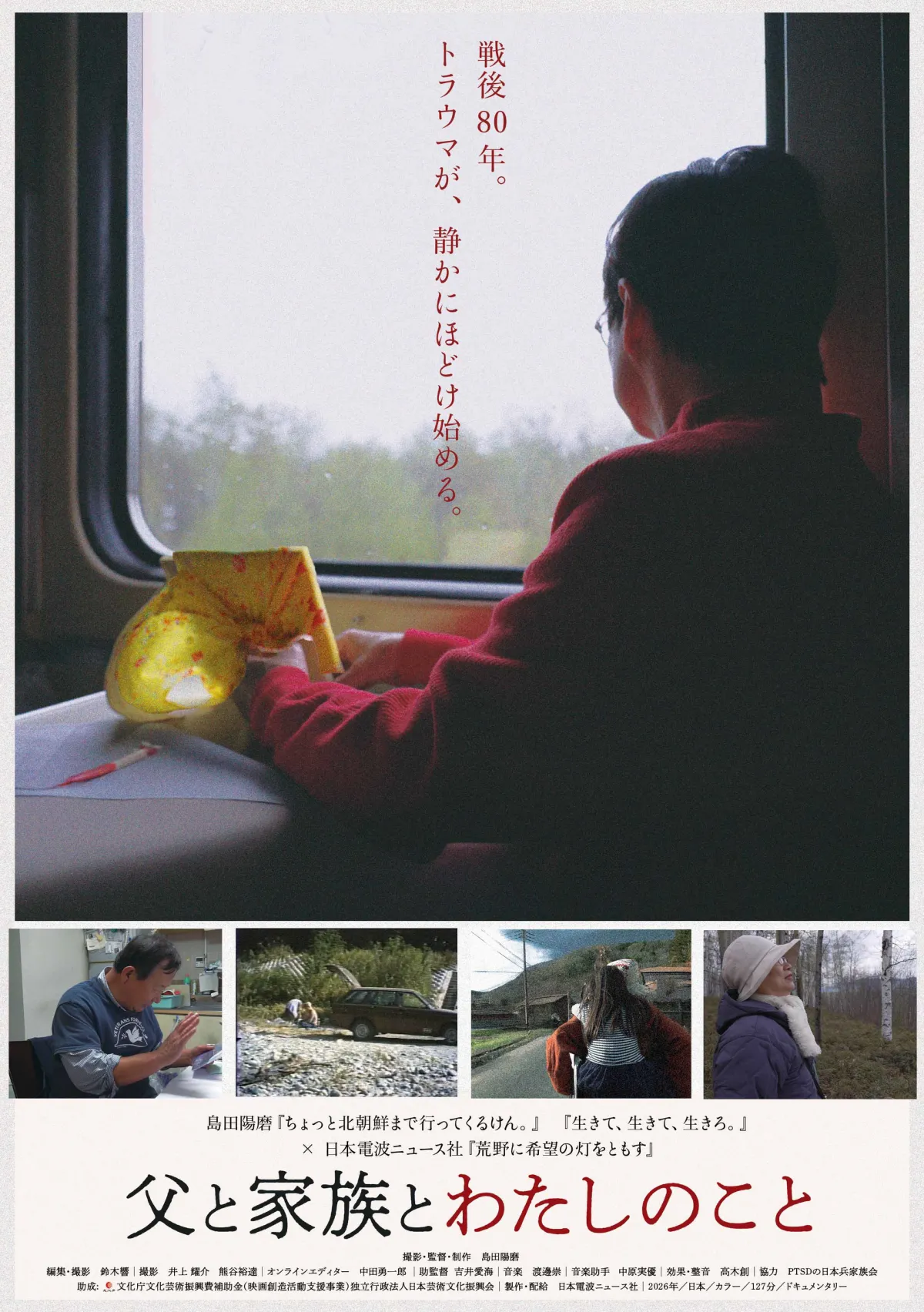
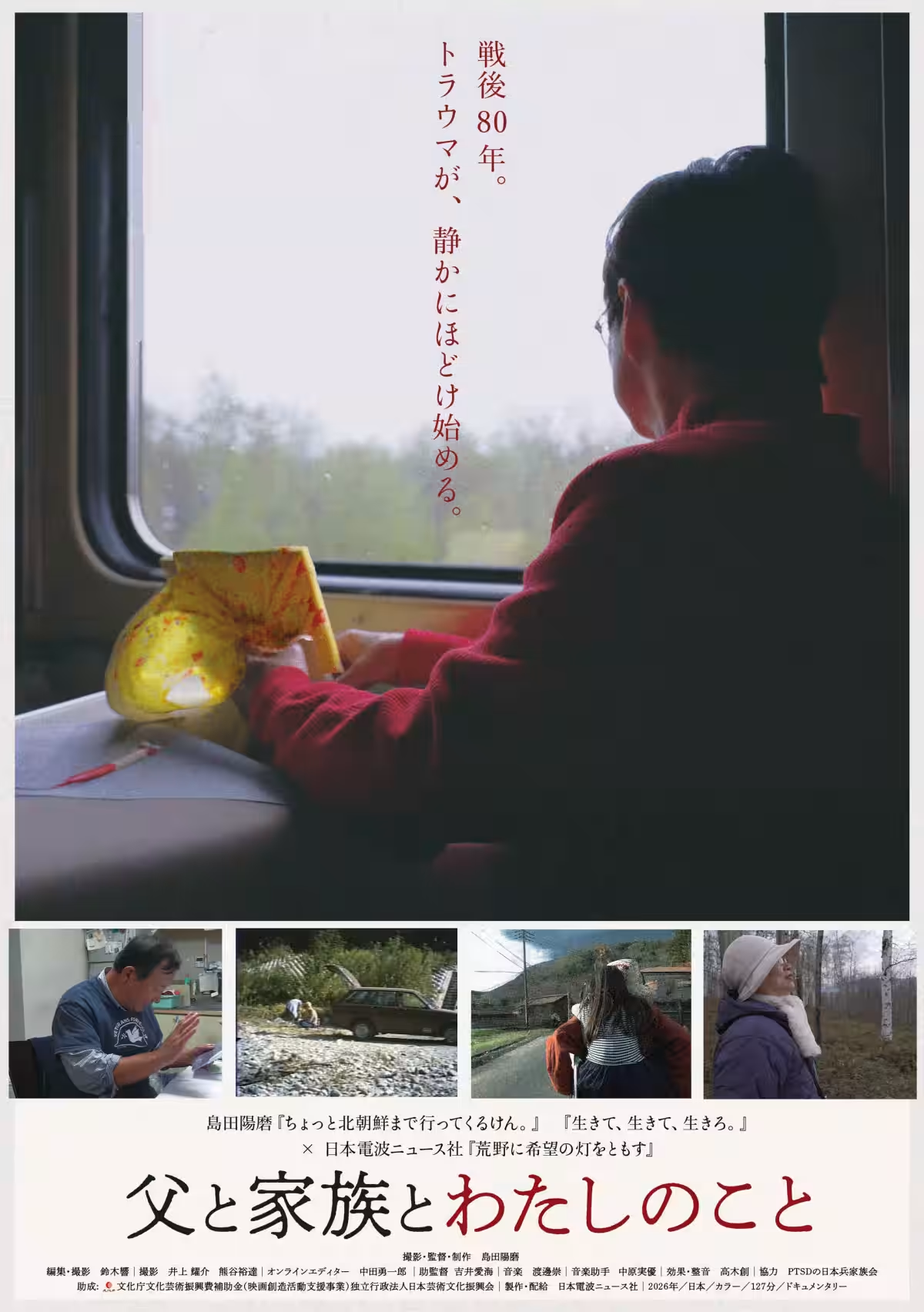
Capturing the Intergenerational Trauma of War in 'Father, Family, and Me' Documentary Film
A Profound Dive into War-Inflicted Trauma
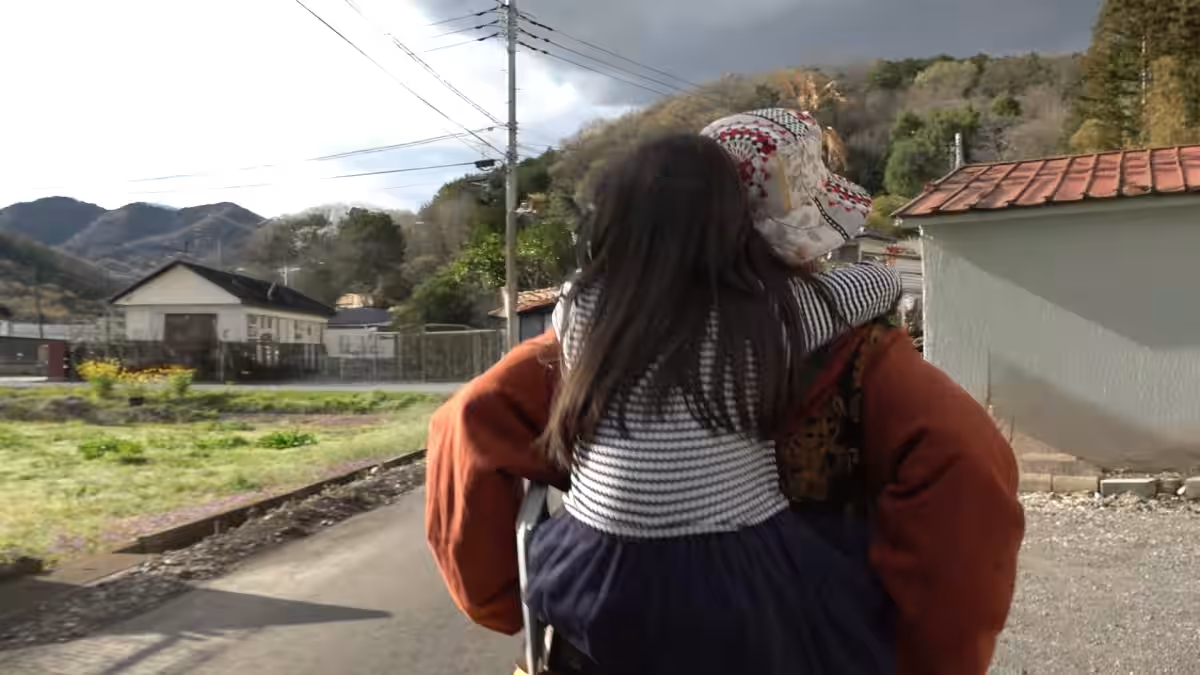
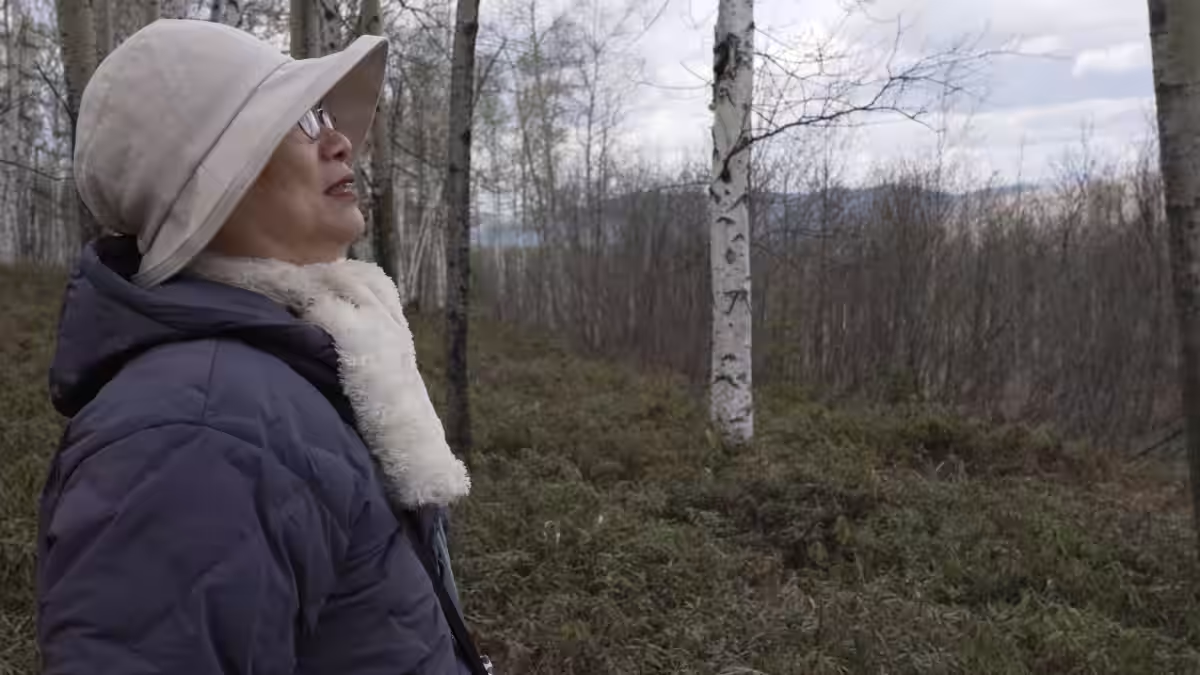
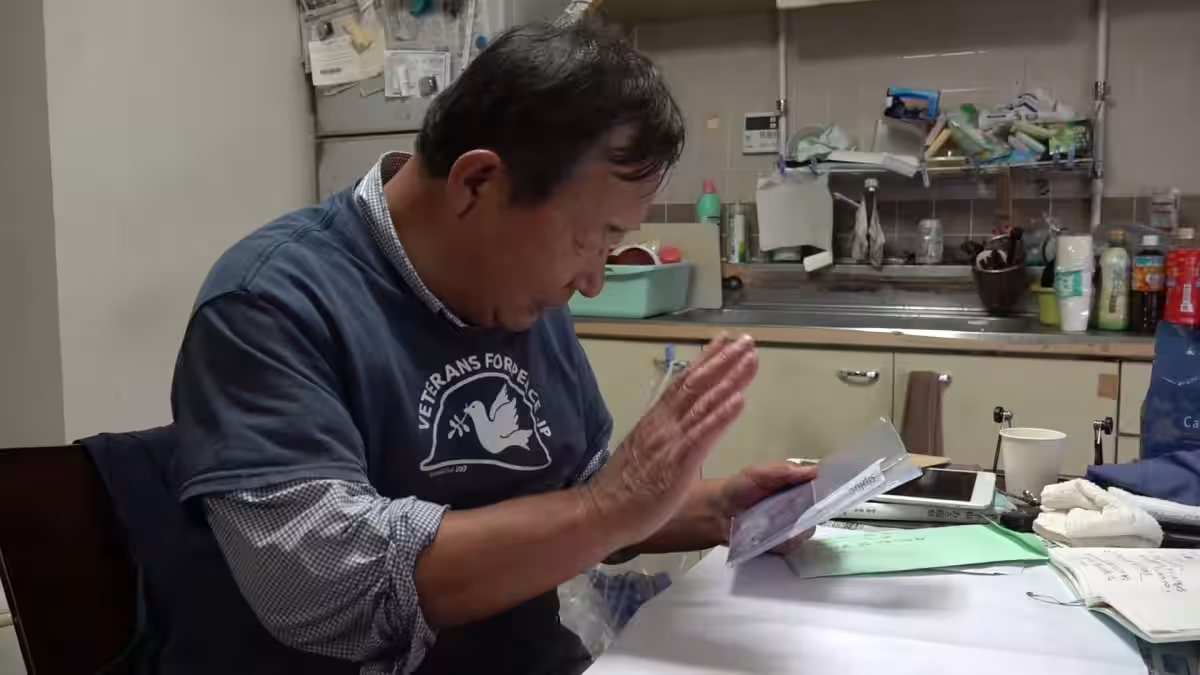
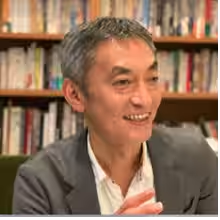
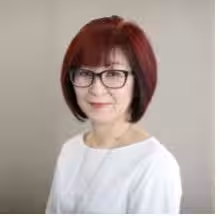
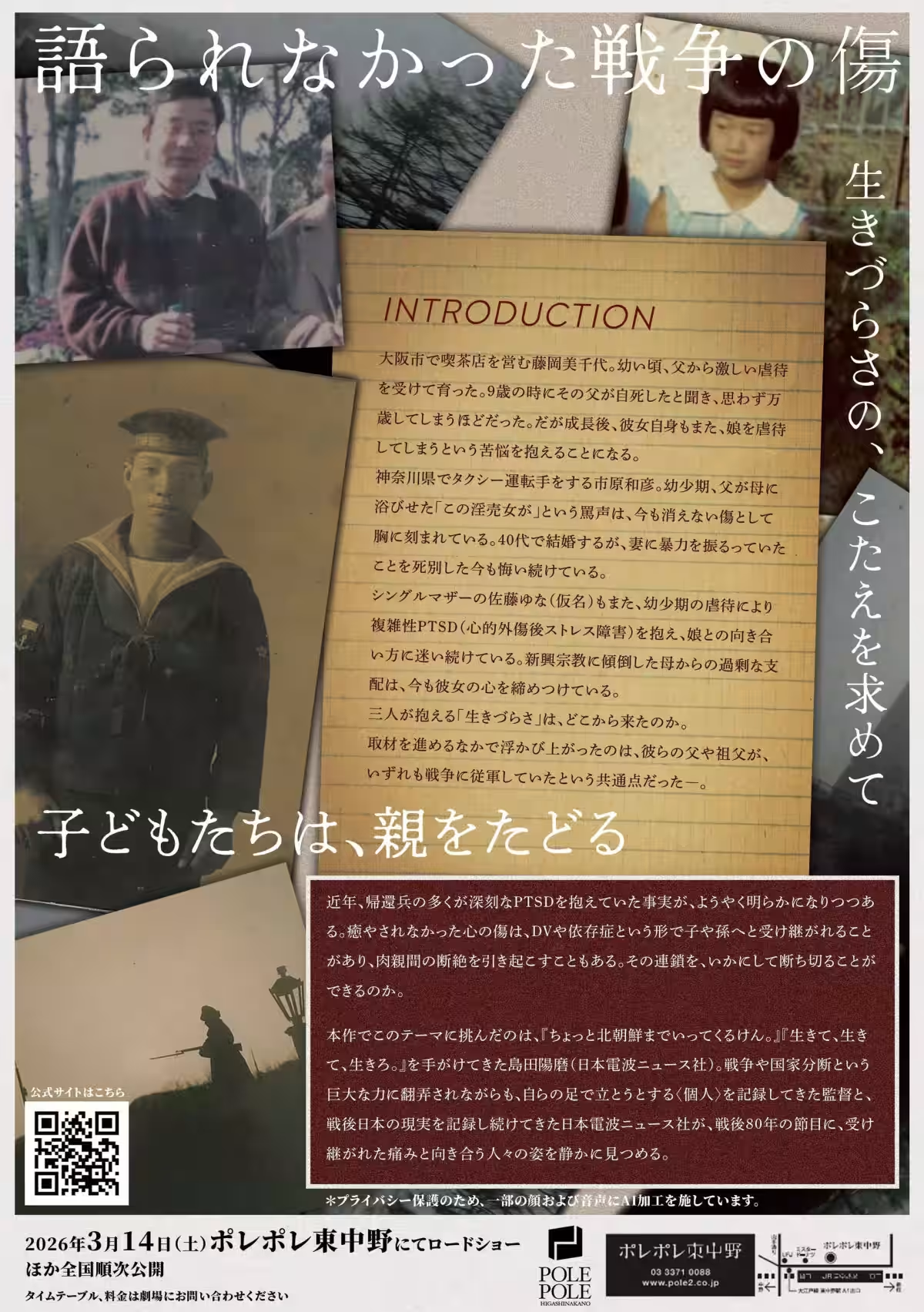
The documentary film 'Father, Family, and Me' sheds light on the persistent chains of trauma that follow families affected by war. Premiering on March 14 at Pole Pole East Nakano, it delves into how the psychological scars of conflict extend beyond veterans, impacting their children and grandchildren. In an era rife with violence, the film provides a platform for critical discussions surrounding the psychological wounds of war. Following each screening, the film will host a series of thought-provoking dialogues, featuring renowned guests like writer Satoru Takeda, clinical psychologist Sayoko Nobuta, and Iranian actor Sahel Rose. These events aim to address the mental health challenges stemming from military conflict.
Overview of Talk Events
- - First Week (March 14 - 20) after the 12:00 screening:
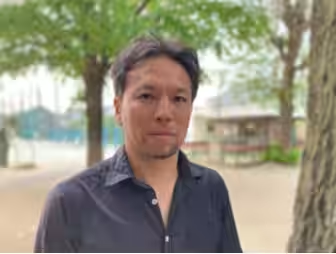
- March 15: Writer Satoru Takeda
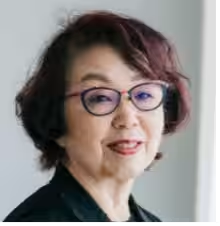
- March 16: Clinical Psychologist Sayoko Nobuta
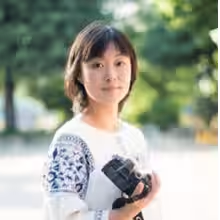
- March 17: Photojournalist Natsuki Yasuda
- March 18: Actor and talent Sahel Rose
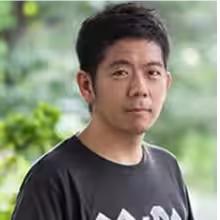
- March 19: Documentary director Shin Oshima
- - Second Week (March 21 - 27) after the 14:00 screening:
- March 22: Editor Maki Okubo from Asahi Shimbun
- March 23: Playwright and psychiatrist Shin Kurumizawa
- March 24: Karin Nishimura, Radio France Liberation correspondent
- March 25: Storyteller Kaori Kanda
- March 26: Director Kazuhiro Terada of 'Living' documentary
These discussions will be moderated by director Yoma Shimada, who will also participate every day.
The Unspoken Wounds of War
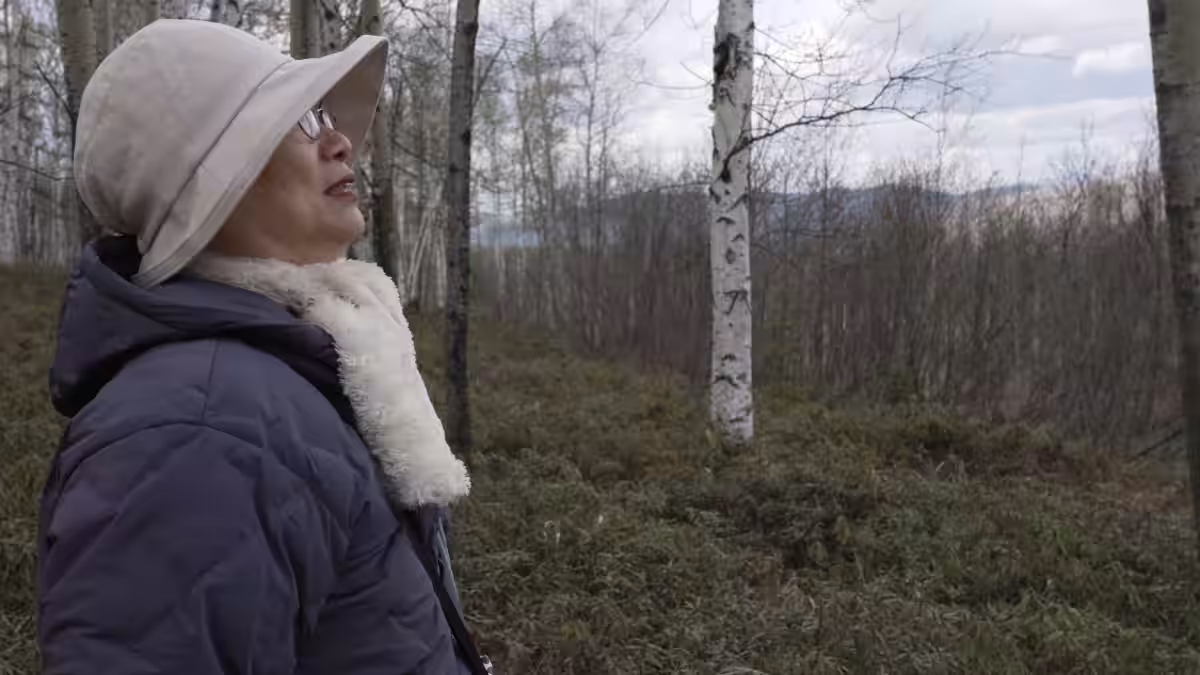
Recent studies have spotlighted the long-lasting effects of war trauma, revealing that not only veterans but also their families often suffer immense psychological distress. Issues such as domestic violence and addiction are now recognized as intergenerational consequences of wartime experiences. This film poignantly portrays these realities through the lives of individuals grappling with the aftershocks of their families' pasts.
Individuals like Michiyo Fujioka, who runs a café in Osaka, wrestle with memories of her abusive father. Upon learning of his suicide at the age of nine, she felt an inexplicable relief, only to later confront her own struggles with motherhood.
In Kanagawa, taxi driver Kazuhiko Ichihara recalls the derogatory remarks his father directed at his mother, words that haunt him even in adulthood. As an adult, he too found himself enacting cycles of violence in his own marriage before facing the irreversible sorrow of loss.
Yuna Sato, a single mother, battles with complex PTSD stemming from her childhood abuse. Under the overbearing control of her mother, who was drawn to a new religious sect, she finds herself constantly at odds with her parenting methods. Their intertwined narratives reveal how the trauma instilled by one generation echoes into the next.
The Search for Answers
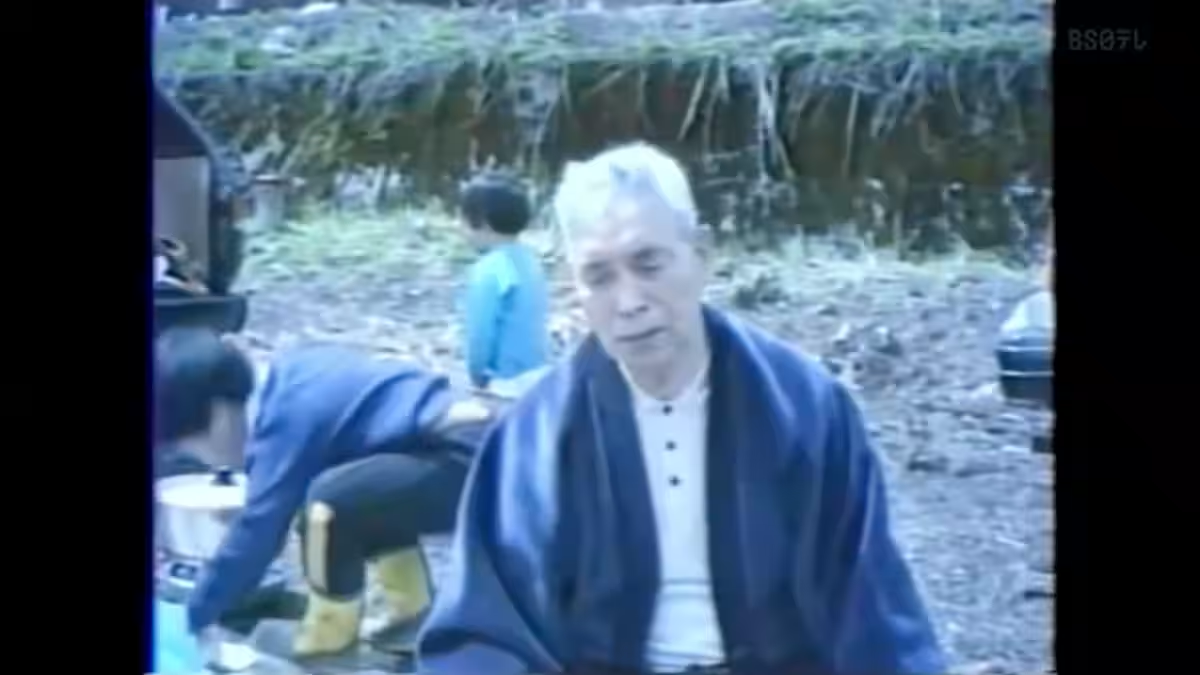
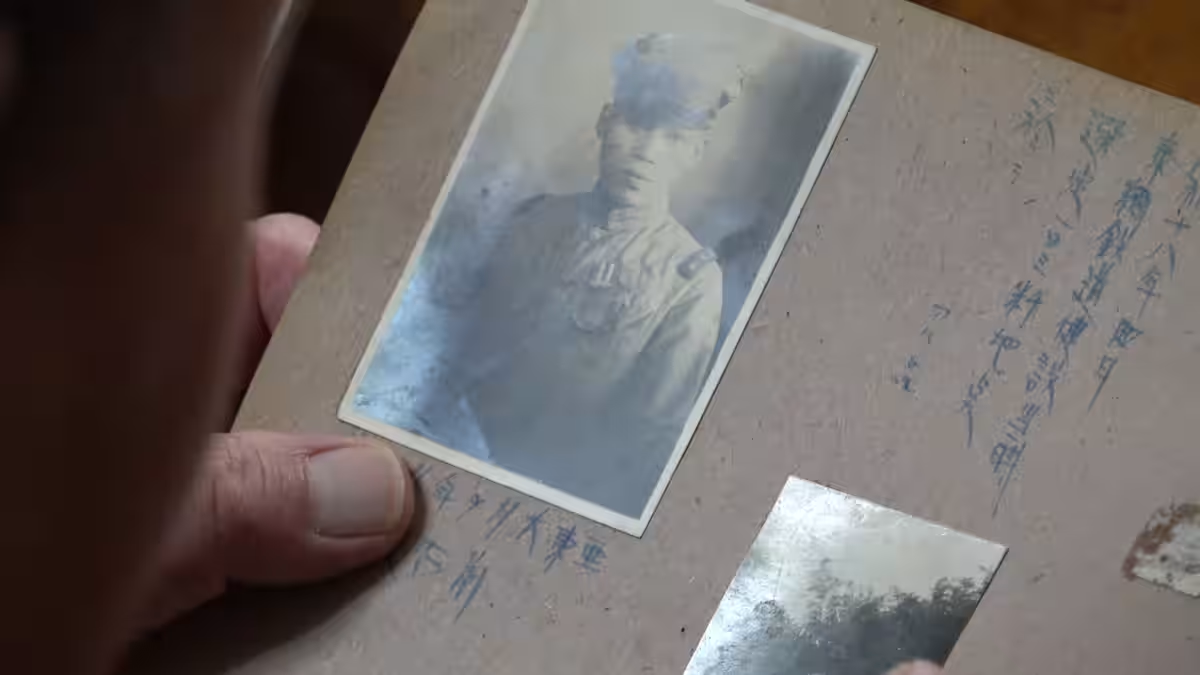
Through interviews, the film uncovers a haunting commonality: many of these individuals’ fathers and grandfathers had served in the military during wartime, creating a lineage of trauma. The film compels its audience to reflect on the cycles of suffering that extend far beyond the battlefield and to recognize the urgent need for healing and reconciliation in society.
Expert Insights
Noteworthy figures such as Writer Takeda Satoru and Photojournalist Yasuda Natsuki have commented on the broader implications of this film, encouraging viewers to engage with its themes. Takeda emphasizes the question of who transforms individuals into perpetrators of violence, urging society to confront these painful truths. Yasuda points out that, even decades after the war, the ramifications persist, affecting even succeeding generations.
As audiences engage with 'Father, Family, and Me,' they are invited to reflect on the complexities of trauma, the failures of societal support systems, and the necessity of recognizing and addressing these long-held wounds. It is not just a story of the past; it demands active participation in the dialogue for a better future.
Conclusion
Director Yoma Shimada masterfully weaves these narratives, presenting an essential commentary on the impact of war on personal and social identities. This documentary stands as a critical piece that urges us not just to remember the past but to actively seek healing and understanding within our communities.
Join us in this vital conversation as we explore the haunting echoes of war and the power of shared stories to promote healing and awareness.


Topics Entertainment & Media)

【About Using Articles】
You can freely use the title and article content by linking to the page where the article is posted.
※ Images cannot be used.
【About Links】
Links are free to use.