



MOL Standardizes Onboard IT Infrastructure Starting with New Vessels
Mitsui O.S.K. Lines' New Initiative for Onboard IT Standardization
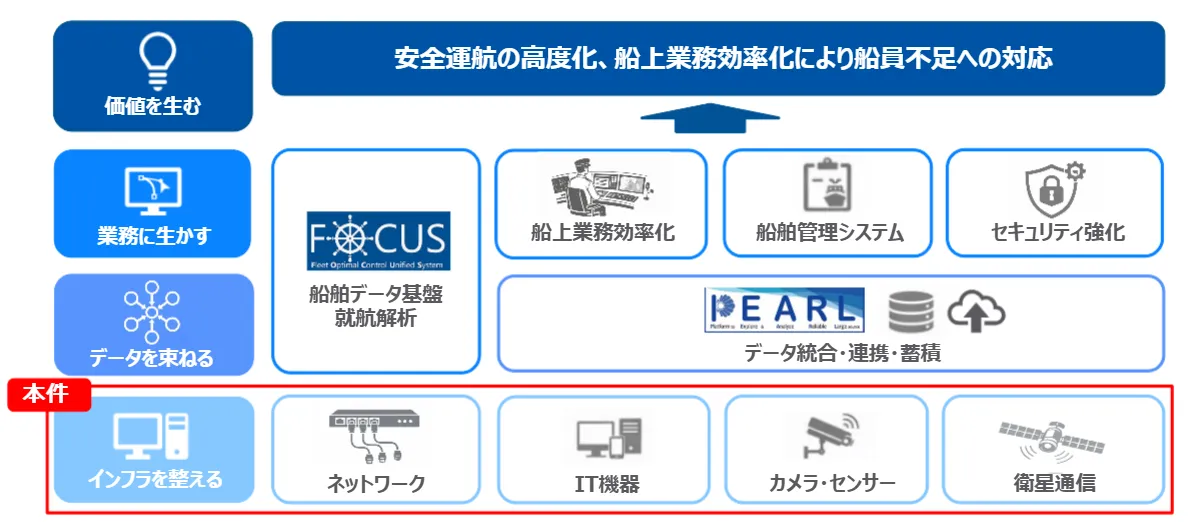
In a groundbreaking move, Mitsui O.S.K. Lines, under the leadership of President Jotaro Tamura, has established a new common standard for IT equipment and system specifications onboard its vessels. This initiative forms part of the company's broader strategy known as "BLUE ACTION 2035 Phase 2," specifically aligned with the "DX Action 2.0" goals aimed at digital transformation in maritime operations.
The Need for Standardization
Historically, the IT systems and equipment employed onboard various ships have varied significantly based on the type of vessel, shipyard, or ship management company. This lack of uniformity posed several challenges, particularly when integrating new systems. Each ship required its own preliminary investigation to determine the feasibility of implementing new technologies, which hindered the efficient utilization of IT solutions.
By standardizing onboard IT equipment and systems, MOL aims to streamline operations, providing a solid foundation for the use of AI and digital technologies. This new standard will facilitate the implementation of robust security measures, ensuring that vessels are equipped not only for modern digital needs but are also safeguarded against emerging cyber threats.
Enhancing Safety and Crew Welfare
The introduction of these standards is expected to significantly enhance the operational safety of maritime vessels. With a focus on the effective utilization of shipping data, the initiative is set to improve navigational safety while simultaneously enhancing crew members' working conditions. A digitized environment will allow for smoother operations and further promote the well-being of employees.
Future Implications
MOL is committed to rolling out these standards not only for new vessels but also aims to incorporate them into existing fleet ships progressively. This phased approach ensures a seamless transition while maintaining operational integrity across the fleet.
Through this initiative, MOL aspires to position itself at the forefront of the maritime industry’s digital evolution. The company’s commitment to enhancing onboard digital environments aligns with its broader sustainability goals, aiming for a sustainable growth trajectory and an increase in corporate value.
Conclusion
As the maritime industry evolves, the importance of standardized IT infrastructure cannot be overstated. By leading this transformation, Mitsui O.S.K. Lines is not merely keeping pace with technological advancements; it is setting a standard that enhances safety and efficiency within maritime operations. This initiative reflects a progressive step toward not only modernizing vessels but also ensuring that the maritime workforce thrives in a well-supported, technology-driven environment. MOL’s vision for a unified and resilient onboard IT framework is a testament to its leadership in the maritime sector.
Topics Other)
【About Using Articles】
You can freely use the title and article content by linking to the page where the article is posted.
※ Images cannot be used.
【About Links】
Links are free to use.