



Understanding the Rising Incidence of STDs in Japan's Modern Dating Landscape
Recent Findings on STDs in Japan
In an extensive survey conducted by the Tokyo STD Clinic, the realities of sexually transmitted infections (STIs) have been brought to light, revealing concerning trends in the prevalence and awareness surrounding these infections. This study, conducted in March to April 2026 with 256 participants (143 men and 113 women), explored public perceptions and experiences regarding STIs.
The Rising Threat of STIs
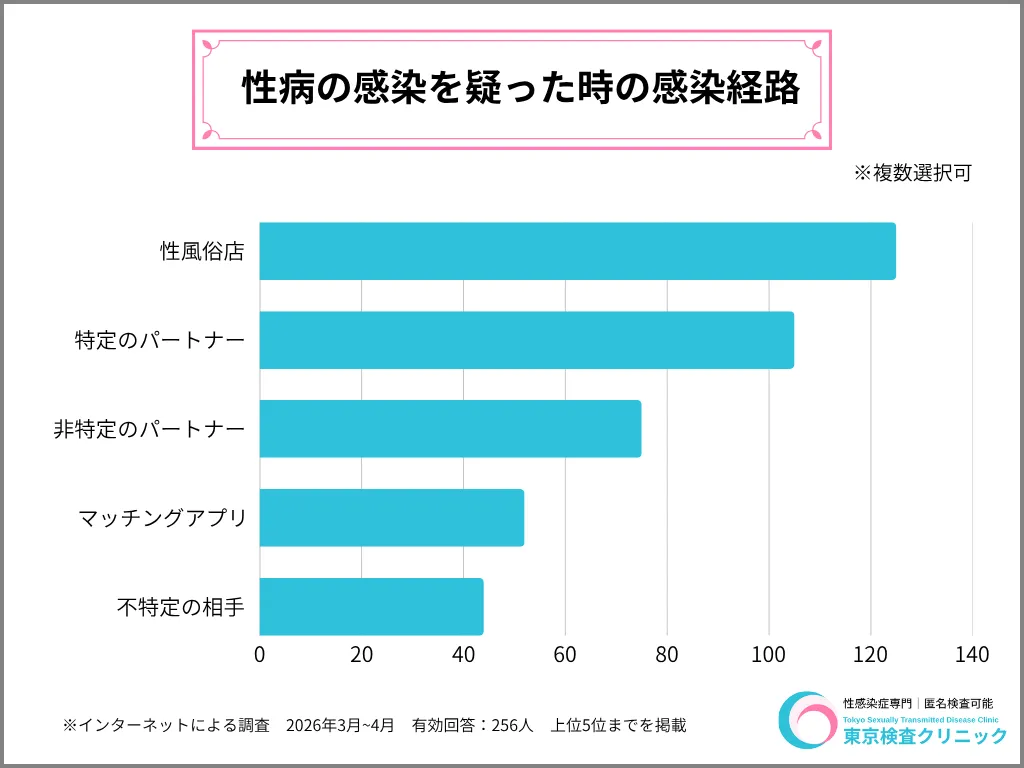
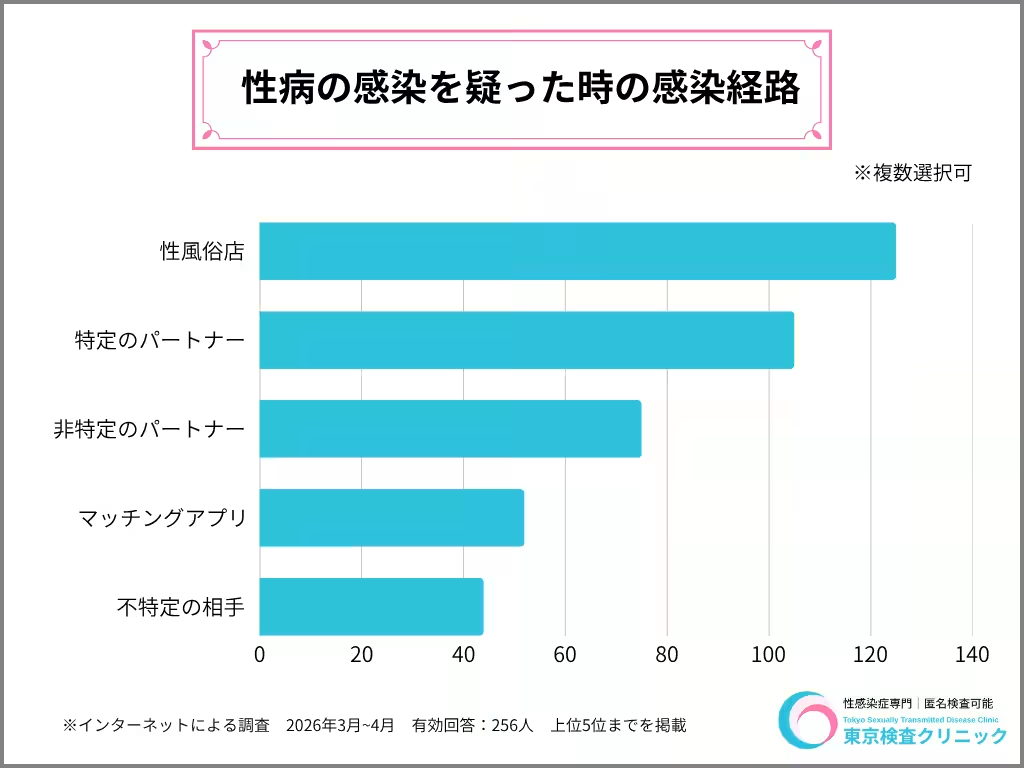
With the advent of dating apps and social networking sites, the dynamics of modern dating have evolved significantly. The survey highlights that the number of people engaging in sexual encounters with multiple partners has made it easier for STIs to spread. Explicitly, the data points out that the primary suspect for STI transmission is sex work, followed closely by relationships with specific partners. This finding emphasizes that STIs do not only occur among casual encounters but can easily be transmitted within committed relationships, showcasing how pervasive these infections are in everyday life.
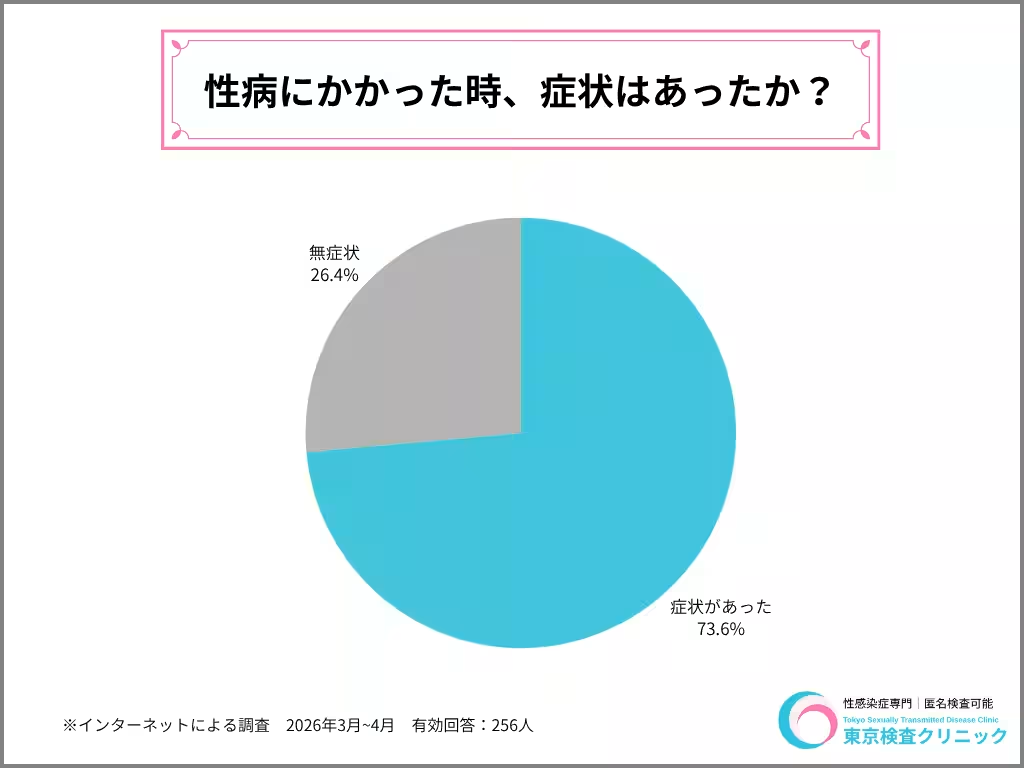
Moreover, the survey attests that a substantial portion of respondents, a surprising 25%, reported being asymptomatic, raising alarms about the hidden nature of STIs. Because many infections are often symptomless, individuals may unknowingly transmit infections to others, emphasizing the need for regular screening regardless of perceived risk. The study's implications suggest that awareness surrounding STIs must expand beyond stigmas, positioning them as a public health issue affecting everyone.
Barriers to Seeking Medical Help
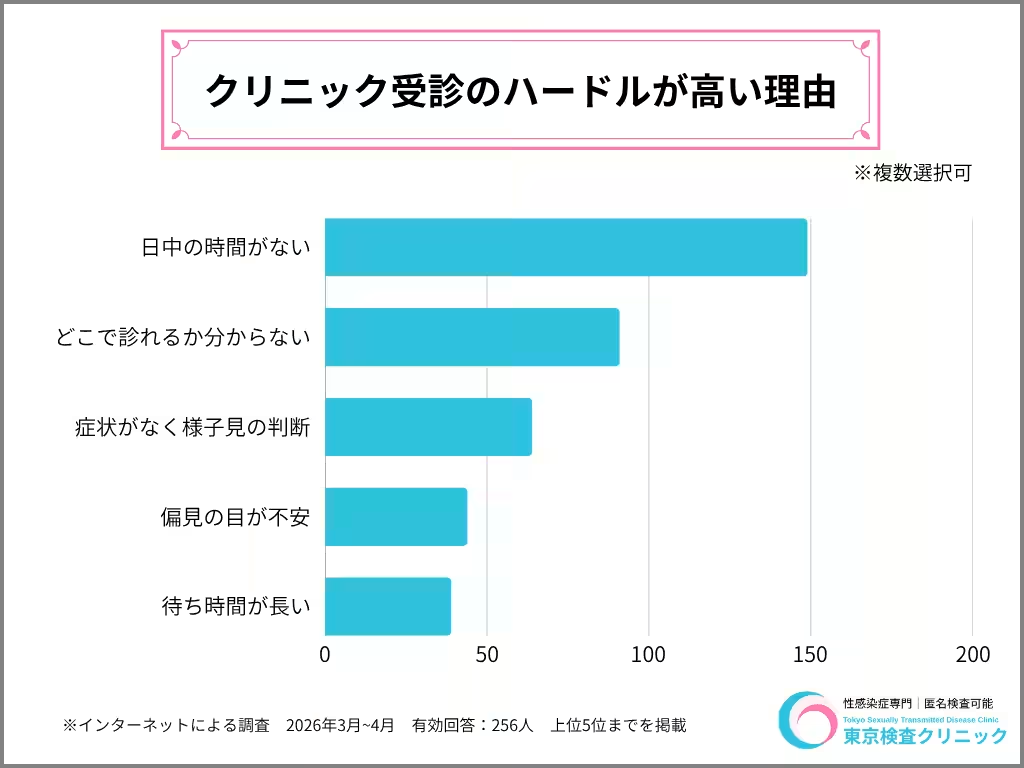
An additional layer of complexity arises from the hurdles participants face when considering medical visits for STI testing. The survey indicates that the primary reason for reluctance stems not from embarrassment but rather from practical issues such as time constraints and uncertainty about where to find appropriate care. Many respondents expressed that they lack the time to visit clinics, particularly those that operate only on weekdays, leading to delayed medical attention for manageable conditions.
Additionally, uncertainty surrounding which type of medical clinic—whether it's urology, gynecology, or general practice—provides STI testing hinders individuals from seeking necessary help. Many reported being unsure of where to turn for testing, perpetuating an environment where infections can spread unchecked.
Finally, participants also cited that the absence of symptoms leads them to defer medical assessments, which can have severe implications for both individual and public health. This situation stresses the importance of establishing clear pathways for accessible and non-judgmental healthcare tailored to individuals’ needs.
What the Numbers Reveal
The survey results also uncovered a stark reality: 73.6% of those who tested positive for STIs reported experiencing symptoms, indicating that 26.4% did not show any signs of infection. This discrepancy emphasizes the silent nature of many STIs, potentially leading to a false sense of security among many who may be infected without their knowledge. The sobering fact is that manifestation of symptoms is not an accurate indicator of health status, highlighting why routine testing should be an integral part of health maintenance for sexually active individuals.
Conclusion: Promoting Awareness and Accessibility
Overall, the study from Tokyo STD Clinic reveals much-needed insights into the current state of sexual health in Japan. It is increasingly evident that the notion of STIs as a concern limited to certain populations is misguided. Instead, the findings suggest that everyone, regardless of their sexual history, should regard STIs as a significant health issue. Crucially, the healthcare system must adapt to lower existing barriers and increase awareness to facilitate early detection and treatment.
With the evidence suggesting that conditions often go unnoticed or untreated, it is vital that anyone engaging in sexual activity routinely participates in testing. As Tokyo STD Clinic underlines, enhancing the accessibility of services, creating environments that welcome all individuals for testing, and maintaining a straightforward communication channel about STIs are critical steps in combating this rising public health concern. For anyone with questions between screenings, Tokyo STD Clinic provides anonymity and cater to individuals who may not yet exhibit symptoms, ensuring that proactive care is accessible to all.



Topics Health)


【About Using Articles】
You can freely use the title and article content by linking to the page where the article is posted.
※ Images cannot be used.
【About Links】
Links are free to use.