



Finding New Ways to Support Father's Health on Father's Day: Exploring Back Pain Treatments
Supporting Father's Health: A Shift in Gift-Giving
As Father's Day approaches, many individuals are reflecting on ways to support their fathers’ health. A recent survey conducted by Nonaka Low Back Pain Clinic targeted individuals aged 20 to 50 who have fathers over the age of 60, revealing that one in three respondents expressed a desire to give the gift of low-burden back pain treatment to their fathers.
The Reality of Back Pain Among Fathers
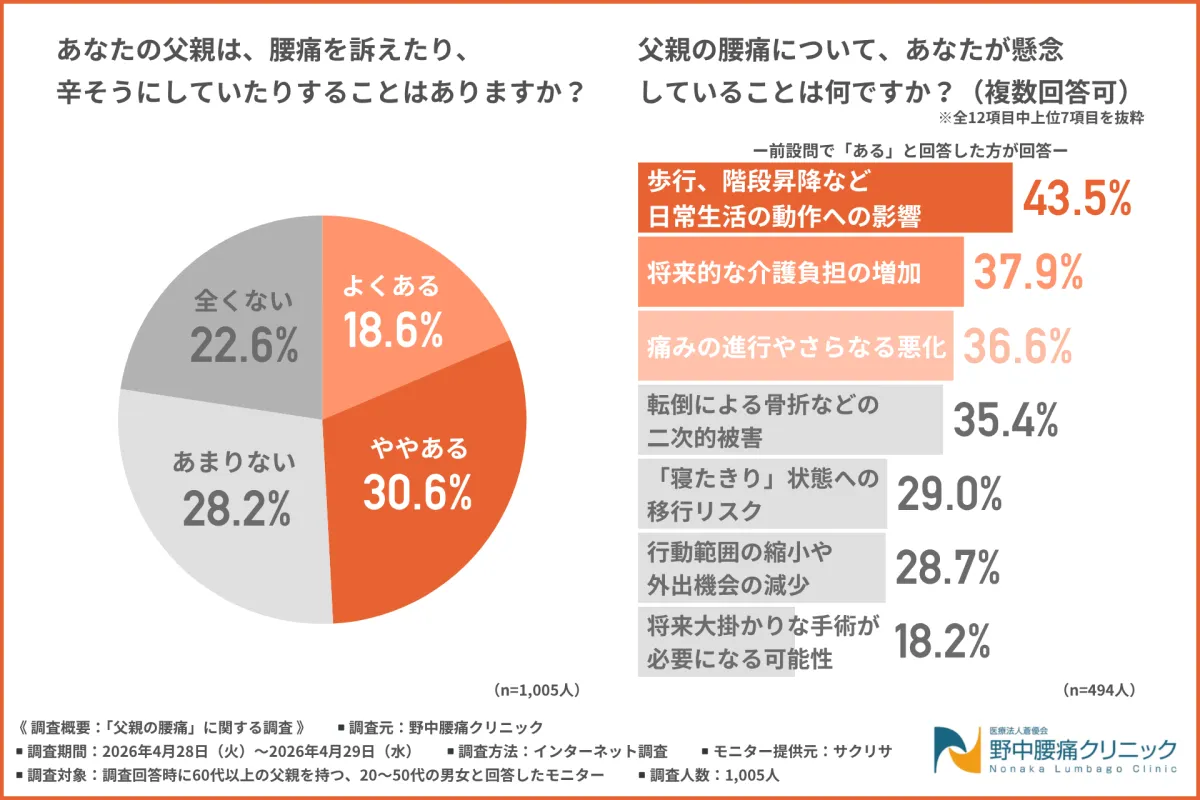
The survey results indicate that nearly half of fathers surveyed are experiencing back pain. Approximately 49.2% reported that their dads either frequently or occasionally complain of back pain. This statistic sheds light on the gravity of the situation, as back pain can significantly impact daily activities and can escalate to a point where it necessitates long-term care or leads to disability.
Family members voiced their concerns regarding the effects that parental back pain has on daily life and the potential for increased caregiving needs in the future. About 43.5% of respondents are worried about their fathers' ability to perform daily tasks, while 37.9% fear increased caregiving burdens as a result of worsening pain.
The Signs of Aging: Recognizing Health Declines
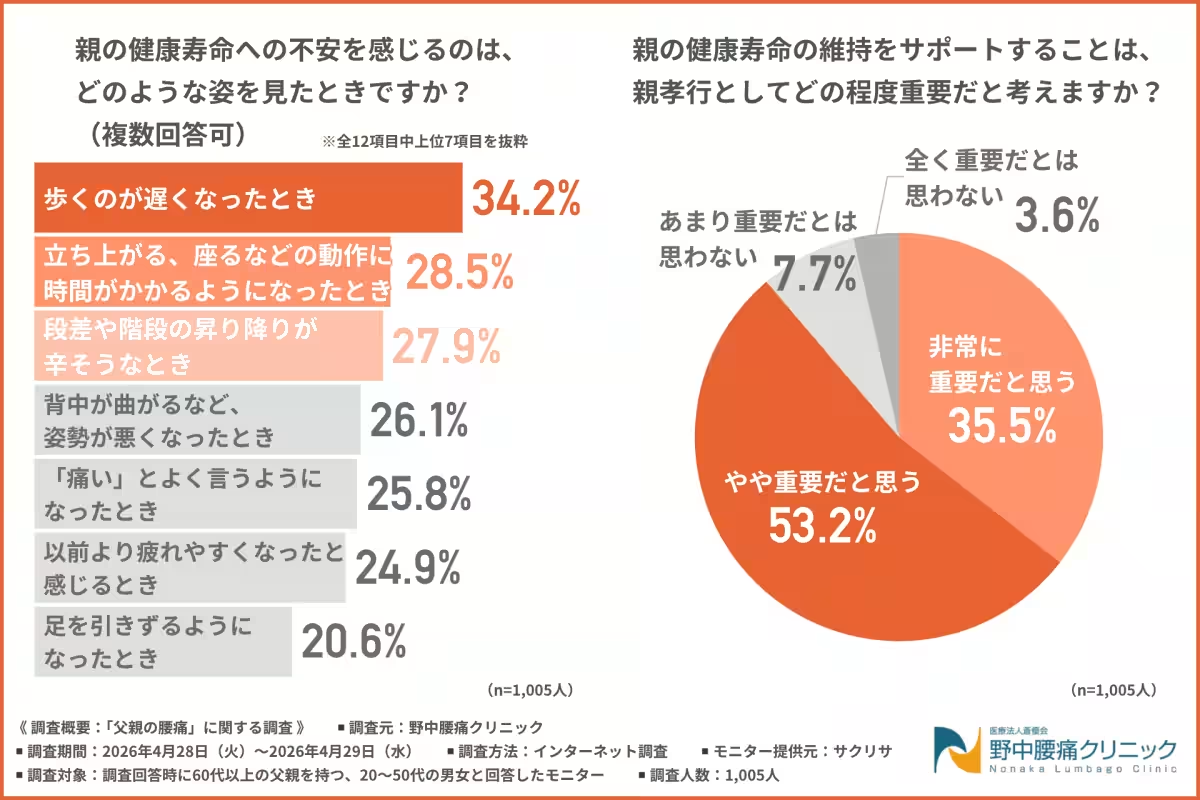
Respondents reported that certain signs trigger their concerns about their father's health. The most commonly identified sign, noted by 34.2%, is a noticeable slowdown in walking speed. Other responses included difficulty with standing up or sitting down (28.5%) and struggles with ascending or descending stairs (27.9%). These indicators clearly show how everyday activities can become more challenging with aging.
Nine out of ten respondents identified supporting a father’s health as a vital aspect of filial piety, highlighting a strong cultural emphasis on ensuring that parents maintain their health and independence. The desire to facilitate a healthier lifestyle for one’s father reflects a shift in how people view gift-giving—moving from material gifts to supportive measures that contribute to well-being.
Concerns Over Treatment Options
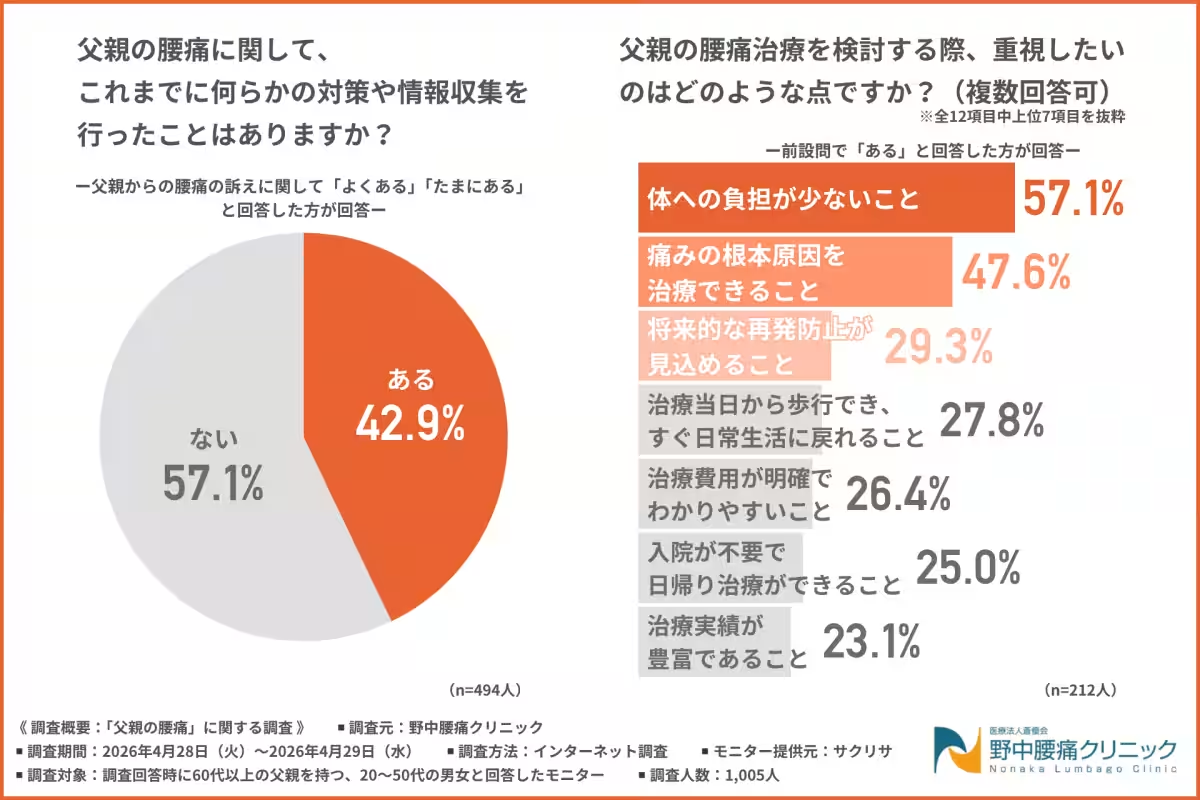
Even with an urgency to address back pain, many families face hurdles when considering treatments for their fathers. Approximately 40% of respondents have taken or researched steps towards addressing their father's back pain issues. The primary concern when seeking treatment is minimizing the physical burden on their fathers, as revealed by 57.1% of respondents prioritizing low-impact treatment options. Additionally, 47.6% seek treatment solutions that effectively address the root cause of pain, and 29.3% desire methods that reduce the risk of recurrence.
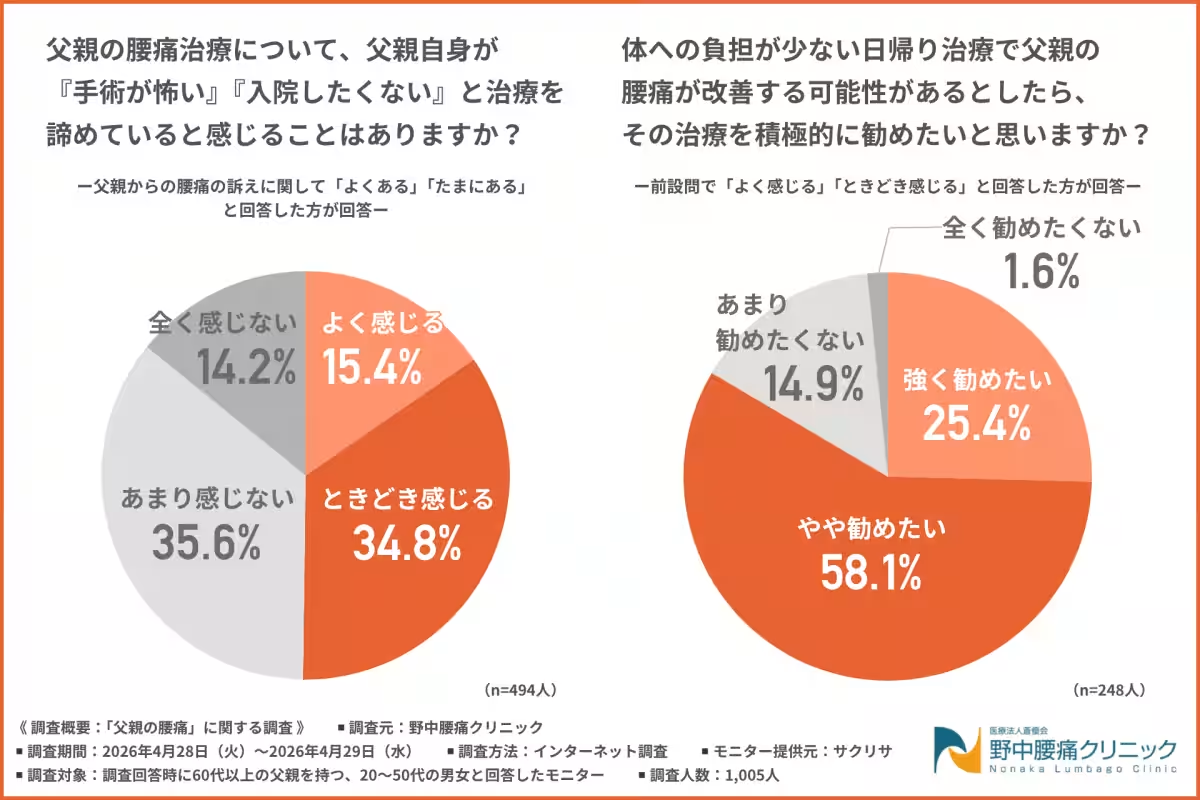
However, a significant challenge arises; many fathers express reluctance towards invasive treatments. Half of the respondents voiced that they often sense their fathers' fears surrounding surgery and hospitalization. This is a crucial insight, as it showcases a hesitancy to seek much-needed treatment despite awareness of the pain.
Embracing Non-Invasive Solutions
Family members indicated a notable shift in attitude towards recommending non-invasive treatments for their fathers. When asked if they would strongly encourage a low-burden, outpatient treatment if it could potentially alleviate their father’s pain, about 83.5% responded affirmatively. The appeal of outpatient treatments lies in the convenience of avoiding hospitalization, thereby diminishing the mental barriers to seeking care.
Father's Day Health Gift Trends
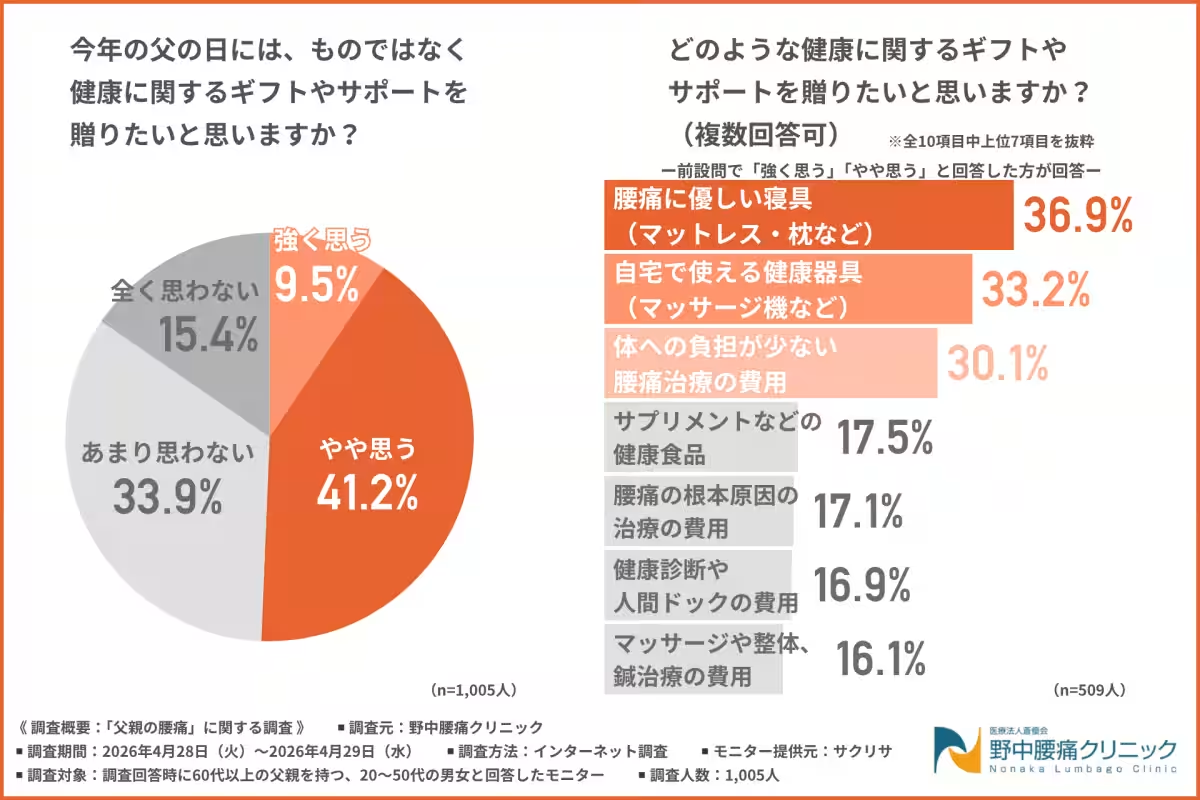
The study highlights a pronounced interest in choosing health-related gifts as alternative presents this Father's Day. Nearly half of the individuals surveyed—around 50.7%—expressed a desire to give health-focused gifts or support instead of traditional items. When asked about these gifts, the most cited options were back pain-friendly bedding (36.9%), at-home exercise equipment (33.2%), and contributions towards low-burden back pain treatments (30.1%). This latest trend showcases a radical shift in gift-giving culture, bolstering the idea that family members wish to gift their fathers not merely material items but rather quality time and health.
Conclusion: Advocating for Dads’ Health and Well-being
As we see the results of this survey unfold, it becomes clear that there’s a strong correlation between fathers' back pain and their families' anxieties regarding future health and caregiving responsibilities. With nearly half of fathers suffering from back pain and family members increasingly aware of the signs of aging, there is a strong push within families to take a more proactive role in their fathers' health management.
The insights gained reveal the importance of encouraging conversations regarding health, particularly around non-invasive treatment options. Solutions like those offered at Nonaka Low Back Pain Clinic not only address the immediate needs of patients but also alleviate family concerns about potential future burdens. As Father's Day arrives, families can foster health and wellness through thoughtful, health-centered gifts that enrich both fathers' lives and family relationships, showcasing the true essence of filial devotion.
For more information on effective outpatient treatments for back pain, visit Nonaka Low Back Pain Clinic.
Topics Health)
【About Using Articles】
You can freely use the title and article content by linking to the page where the article is posted.
※ Images cannot be used.
【About Links】
Links are free to use.