



Understanding Product Ownership in AI-Driven Development Era: Survey Insights
Understanding Product Ownership in AI-Driven Development Era
In the rapidly evolving tech landscape, G's, an educational institution focused on developing talent in IT and digital content, recently conducted a survey among its students and graduates as well as general app developers. The survey aimed to understand the concept of product ownership amidst the integration of artificial intelligence (AI) in the development process. The focal question posed was, "Can we truly claim this product is ours?"
Background of the Survey
As generative AI technologies gain momentum, they are increasingly being employed in almost every development phase—from requirement definition to code generation, debugging, and documentation. This integration raises fundamental questions about authorship and responsibility in product creation. G's surveyed 285 individuals with product development experience who have utilized generative AI, intending to shed light on what product ownership means in this new context and what essential skills engineers must retain in the AI age.
Key Findings from the Survey
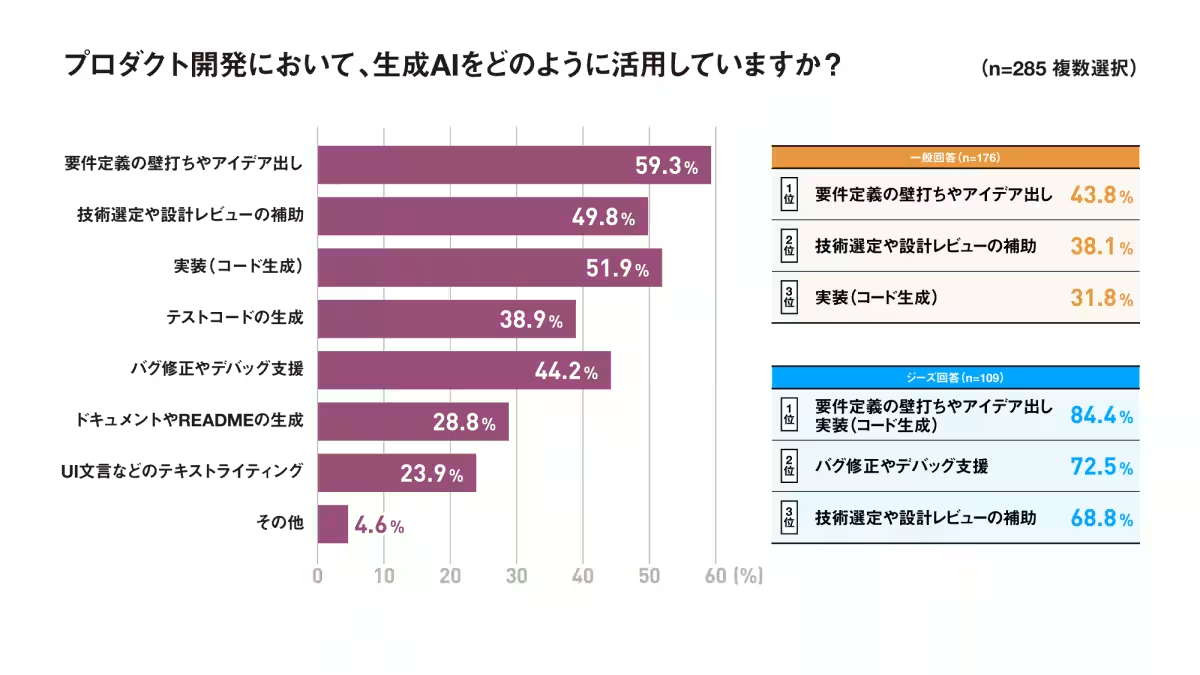
1. Utilization of AI in Development Processes: Approximately 60% of respondents actively used generative AI in requirement definition and brainstorming, showcasing its role as a collaborative partner rather than merely a tool for efficiency. This indicates a cultural shift towards viewing AI as a co-creator in the development process.
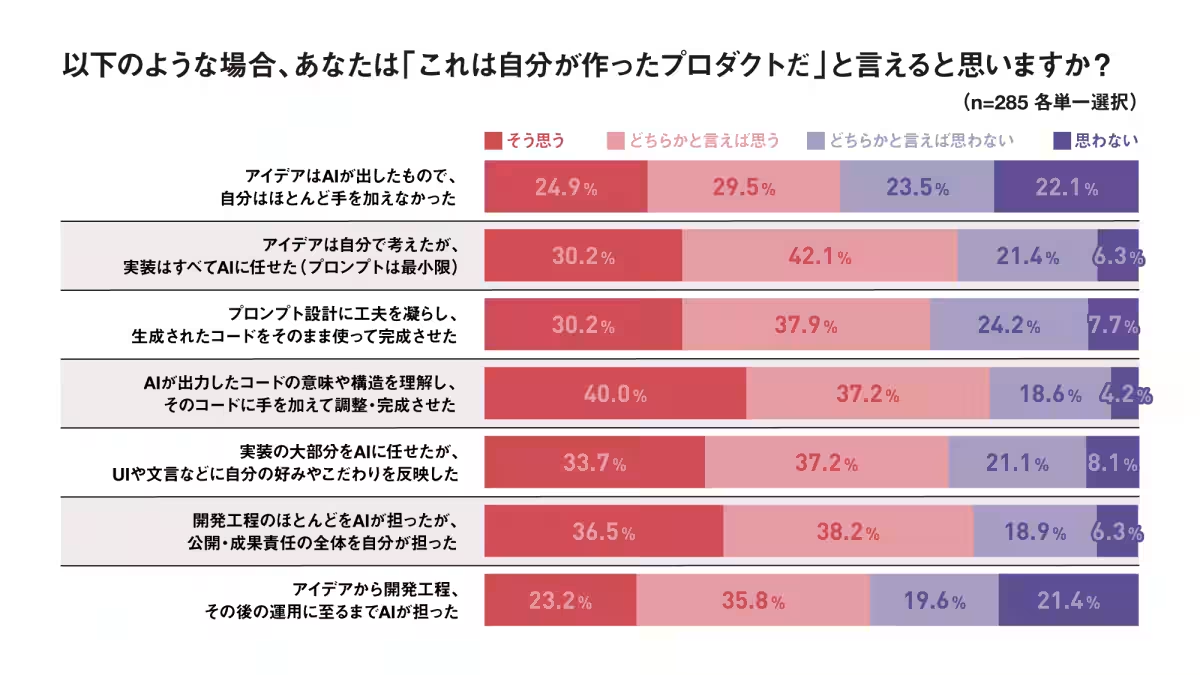
2. Boundaries of Product Ownership: The survey revealed that the threshold of product ownership hinges on whether individuals can understand and explain the AI-generated outputs, as well as the originality of the ideas behind those outputs. A significant 80% of participants felt justified in claiming ownership if they comprehended the code produced by AI and were actively involved in its completion.
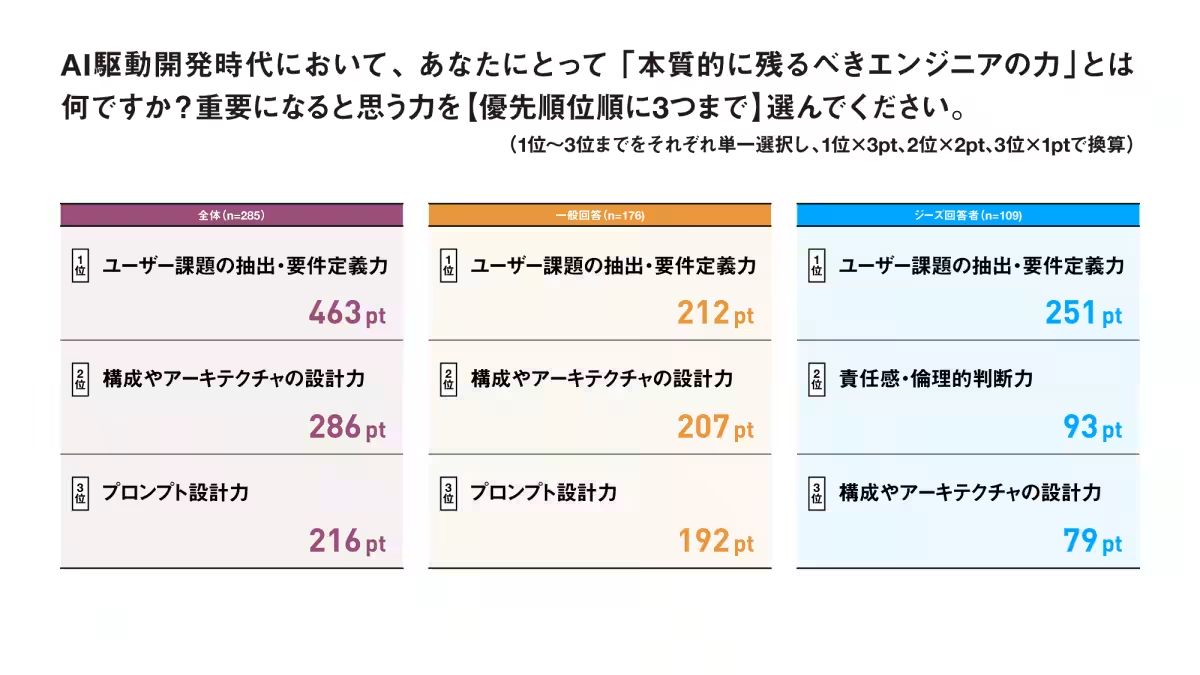
3. Essential Engineer Skills in the AI Era: Core competences identified for engineers included requirement definition, design, and accountability. The essence of a successful engineer’s role is thus positioned around decision-making and a strong sense of responsibility in product creation.
Details of the Survey
- - Conducted by: G's
- - Survey Title: Awareness Survey on Product Ownership in the AI-Driven Development Era
- - Period: September 16 to September 26, 2025
- - Respondents: Adults aged 18 to 65 across Japan
- - Method: Web-based questionnaire
- - Participants: 176 individuals with app development experience and AI integration, along with 109 students and graduates from G's.
How AI is Accomplishing Various Development Phases
Respondents predominantly reported using AI tools throughout the development cycle—from requirements gathering to implementation and documentation. Specifically, 59.3% reported utilizing AI for requirement definition and around 51.9% for implementation, suggesting a holistic adoption of AI across the entire workflow. This not only exemplifies the efficiency AI brings but also highlights its emerging role alongside human developers.
Upon closer examination, G’s students were three times more likely to employ AI for bug fixing compared to general respondents, suggesting a deeper engagement with AI during the troubleshooting phase.
Defining Product Ownership in an AI Context
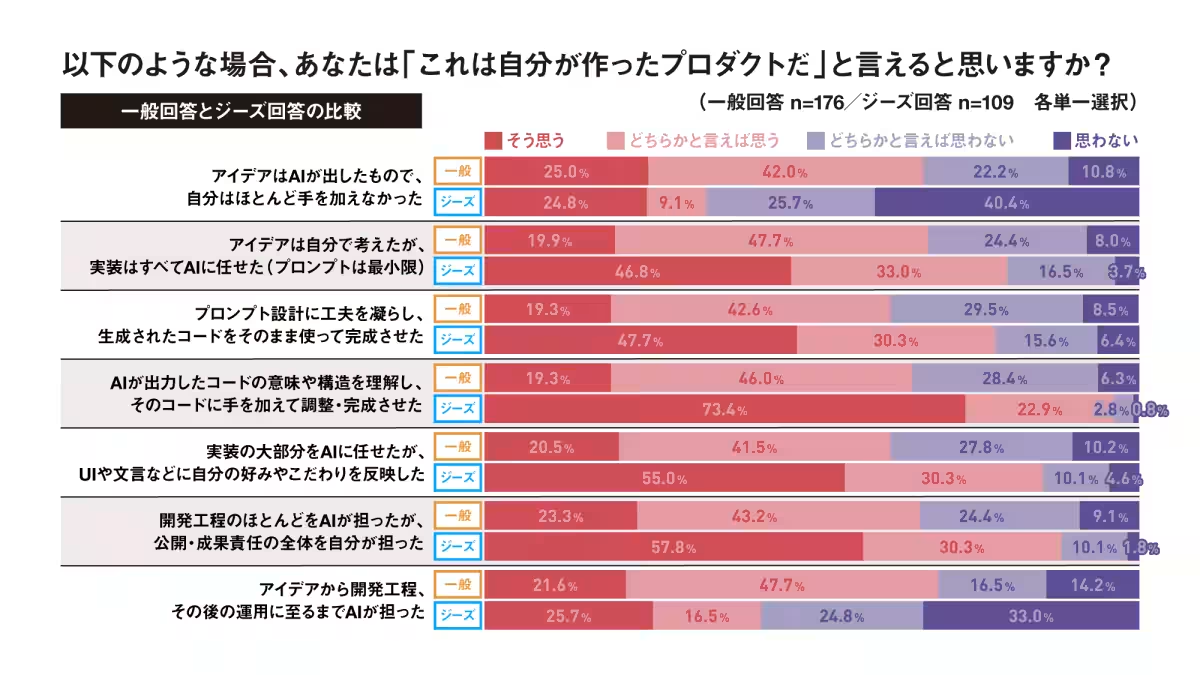
The crux of the survey was determining when individuals felt justified in claiming a product as their own. A notable 96% claimed ownership when they comprehended and revised AI-generated code. This emphasizes that understanding the output is crucial for establishing a sense of ownership.
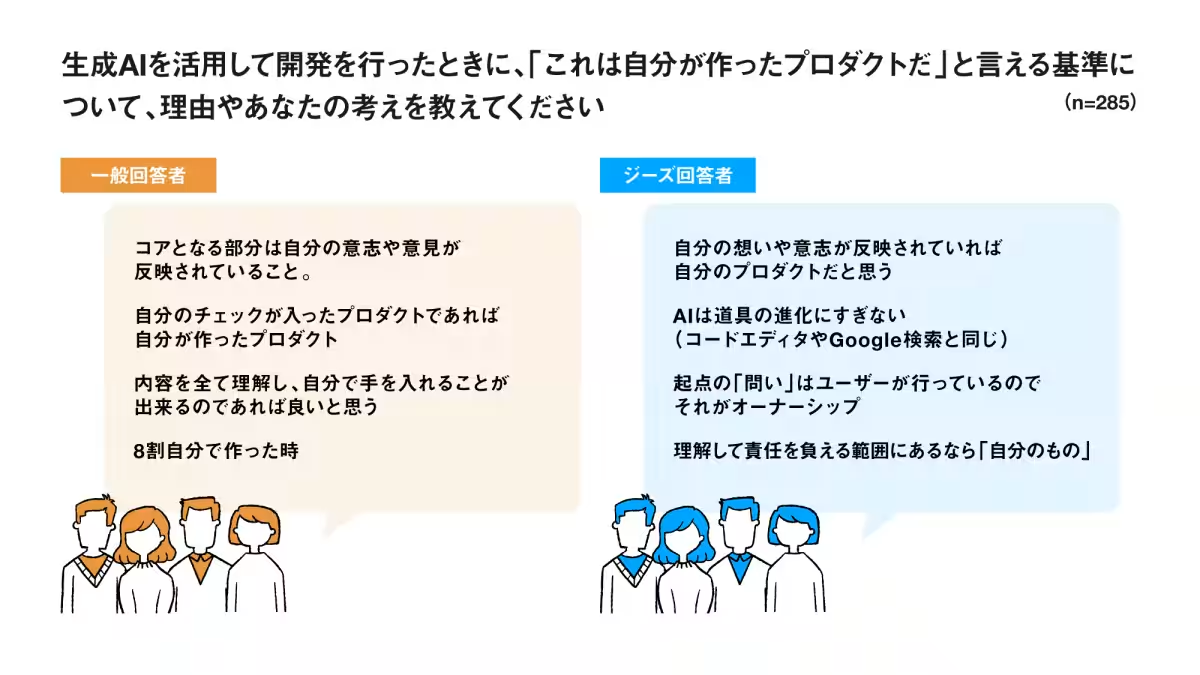
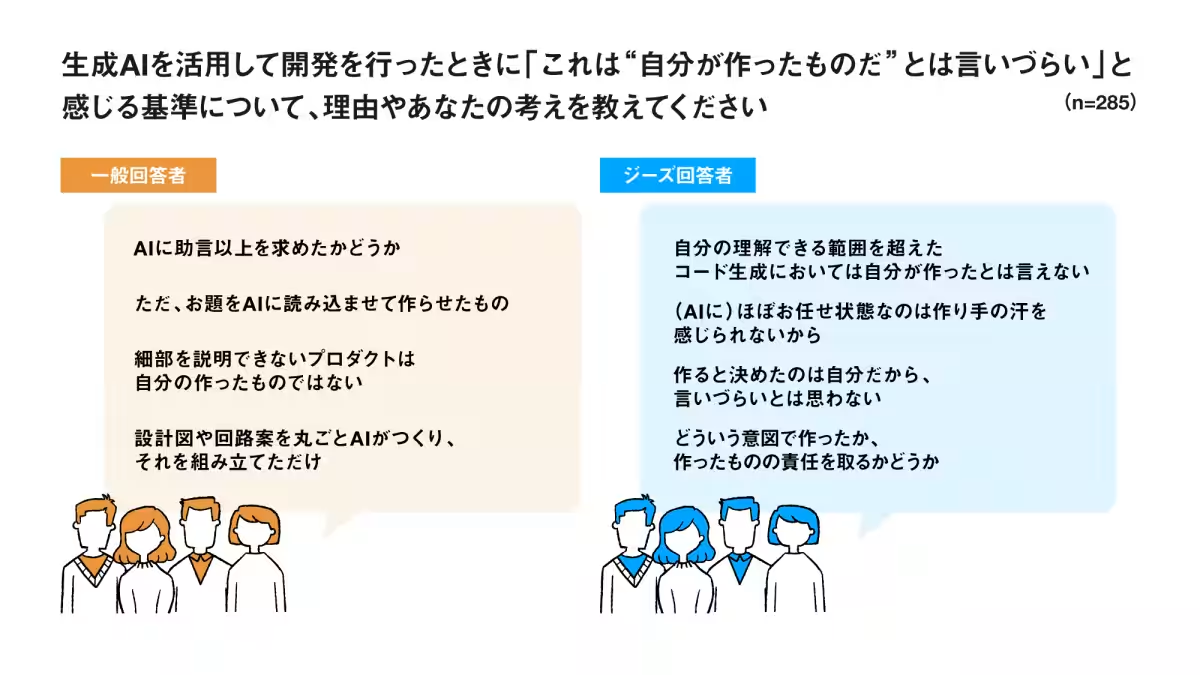
However, responses varied greatly between G’s participants and the general pool, reflecting differing perspectives on ownership linked to engagement versus qualitative reflection on intent and thought processes. G's respondents prioritized whether their own insights and judgments were reflected in the development process, indicating a broader cultural understanding of ownership rooted in personal intent versus mere technical input.
Challenges of Claiming Ownership
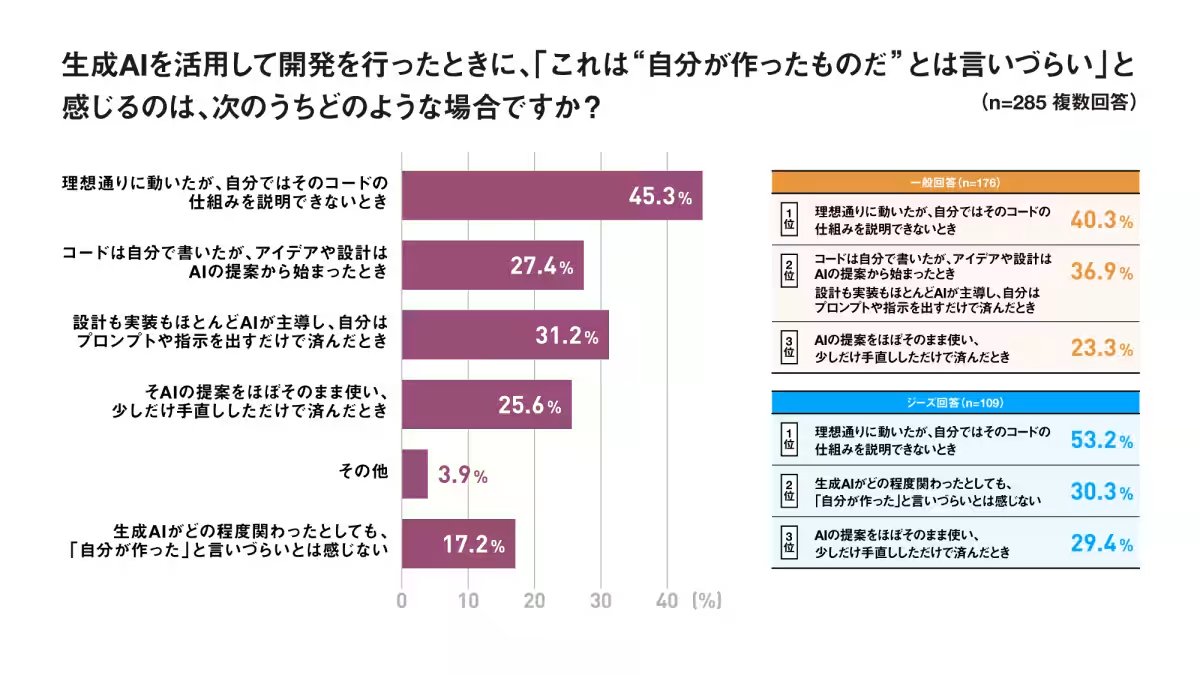
Participants cited the inability to explain AI-generated code as the primary reason for hesitancy in claiming ownership. Nearly 45.3% expressed difficulty asserting ownership when they could not grasp how the code worked. Additionally, general respondents leaned toward measuring their contribution quantitatively, while G's participants focused on the qualitative aspect of their involvement—to what extent their ideas and insights influenced the project.
Critical Engineer Skills Moving Forward
Survey responses revealed a consensus that engineers need to retain fundamental skills such as user need analysis and requirement definition, irrespective of the growing role of AI. Participants emphasized the importance of accountability and an understanding of their ethical responsibilities in product development.
In conclusion, the findings from G’s survey underscore the intricate dynamics between AI and product ownership. While AI aids in the development process, the need for human understanding and responsibility remains paramount. Only those who can navigate these complexities will create truly original and personal products in an AI-driven world. G’s stands committed to nurturing creators who dare to pursue their vision in the evolving tech landscape.

Topics Consumer Technology)
【About Using Articles】
You can freely use the title and article content by linking to the page where the article is posted.
※ Images cannot be used.
【About Links】
Links are free to use.