



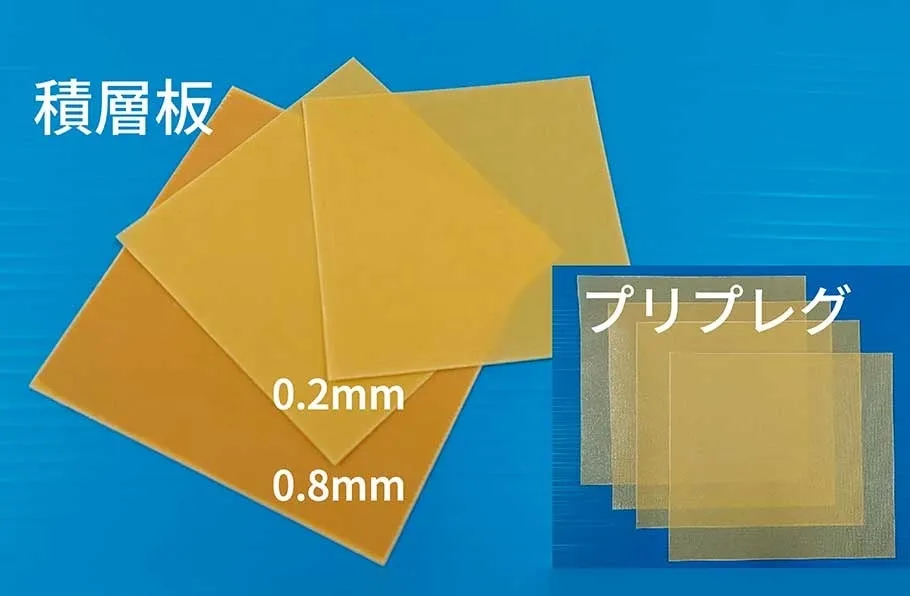
Sumitomo Bakelite Develops High Tracking Resistance Laminates for Electronics
Introduction
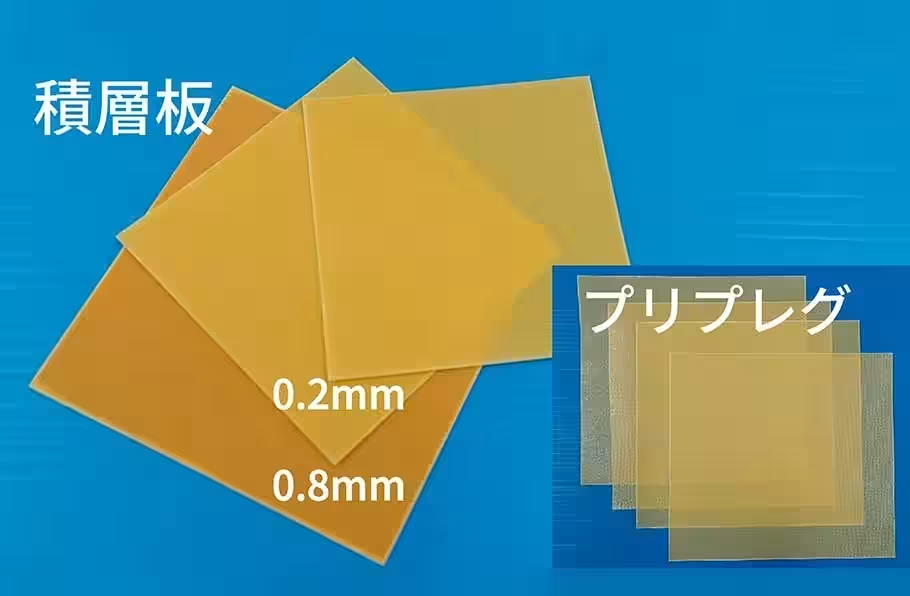
Sumitomo Bakelite Co., Ltd., headquartered in Shinagawa, Tokyo, has launched a new line of high-performance thermosetting resin laminates featuring exceptional tracking resistance and insulation properties. Utilizing diallyl phthalate (DAP) resin, these laminates boast a tracking resistance of 900V, high dielectric strength, and enhanced reliability. This innovation is poised to meet the increasing demands of industries requiring insulation for components in electric vehicles (xEV), industrial power supplies, and electronic devices.
Background of Development
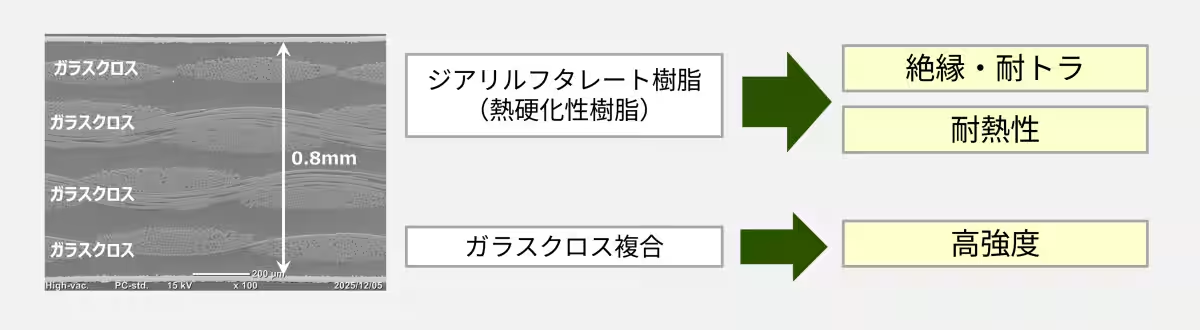
Since its inception, Sumitomo Bakelite has provided the market with phenolic and epoxy resin laminates. Building on our extensive formulation technology, we are committed to exploring new materials and developing high-value-added products. In line with the ongoing trend towards higher voltages in technology, we utilized DAP resin as a thermosetting material, which, when combined with glass cloth, results in laminates characterized by high insulation, tracking resistance, and thermal durability.
Product Features
The newly developed laminate has been tested under the UL2597 standard for tracking resistance and achieved a performance rating of 900V, as outlined in Table 1 below. It combines high insulation properties, durability under thermal conditions, and high strength, setting it apart as a premier choice for high-voltage applications.
| Item | Unit/Condition | High Insulation/Tracking Resistance Laminate |
|---|---|---|
| ------- | -------- | --------- |
| Tracking Resistance | V, UL2597 STT | 900 |
| Flame Resistance | UL94 compliant internal test | V-0 equivalent (0.8mm thickness) |
| Insulation Layer Density | - | 2.1 |
| Dielectric Breakdown Voltage | kV/mm | 40 |
| Flexural Modulus | GPa | 23 (25℃), 14 (175℃) |
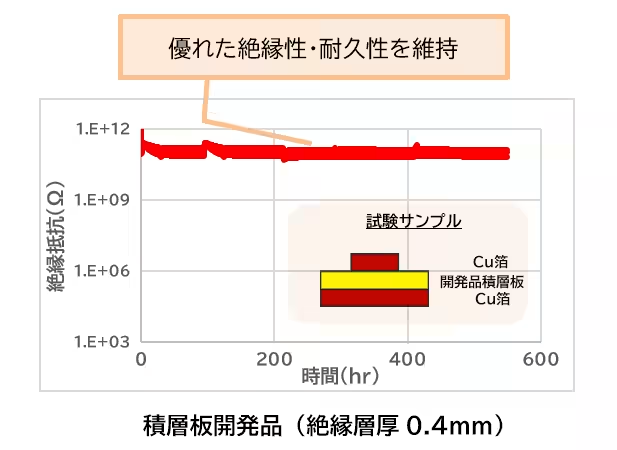
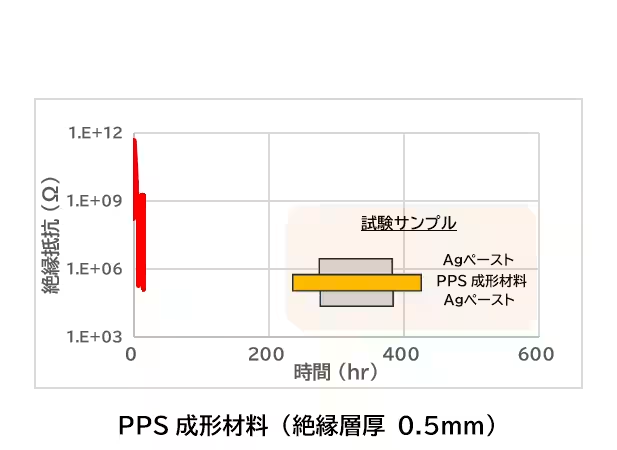
Furthermore, the laminate demonstrates excellent insulation and durability even in high-voltage environments, allowing for thinner insulation materials and shorter conductor distances. This capability enables manufacturers to pursue compact, thin, and efficient electrical components, as illustrated in Graph 1. Notably, this product supports large-format applications (1 square meter), making it suitable for sizes that conventional molding materials struggle to accommodate.
Note 1: Traditional tracking tests based on IEC 60112 had an upper voltage limit of 600V. However, the growing demands for electrical materials prompted UL Standards & Engagement to establish a new standard, UL 2597, allowing testing up to 900V with the STT (Surface Tracking Test) protocol.
Note 2: Low-insulation materials typically require significant thickness to ensure sufficient insulation; conversely, high-insulation materials can be made thinner.
Note 3: Low tracking resistance materials pose risks of conduction or short circuits if conductor distances are reduced, whereas high tracking resistance materials can maintain insulation even with smaller distances.
Future Plans
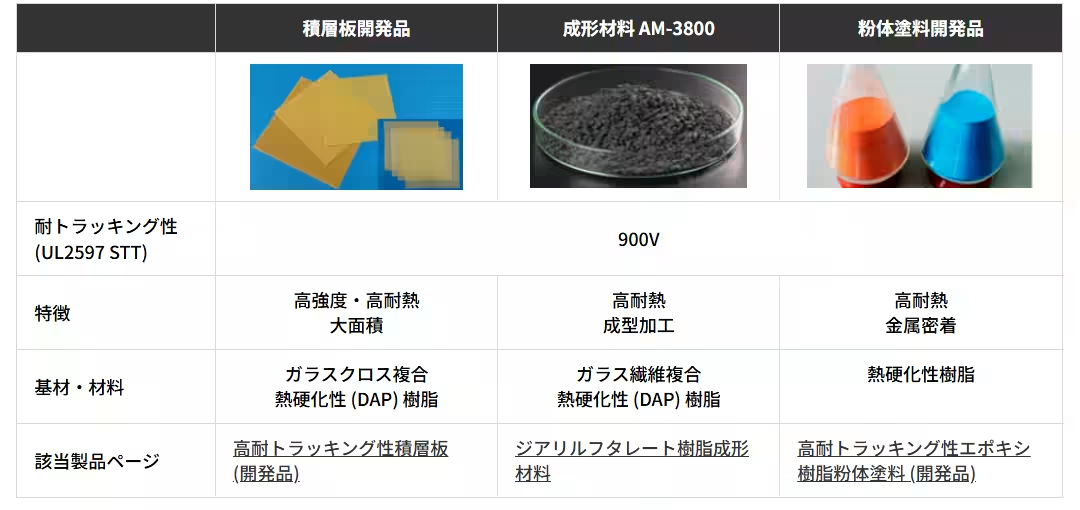
Moving forward, Sumitomo Bakelite plans to conduct sample trials and align with other high tracking resistance products such as molding materials and powder coatings. We will tailor our proposals to meet the needs and usage patterns of our clients, ensuring they can take full advantage of our innovative solutions.
High Tracking Resistance Product Lineup
For inquiries regarding this matter, please contact:
Sumitomo Bakelite Co., Ltd.
Materials Solution Sales Department, Circuit Board Materials Division
Tel: 03-5462-4079
Contact form: Inquiry Form
Topics Consumer Technology)
【About Using Articles】
You can freely use the title and article content by linking to the page where the article is posted.
※ Images cannot be used.
【About Links】
Links are free to use.