



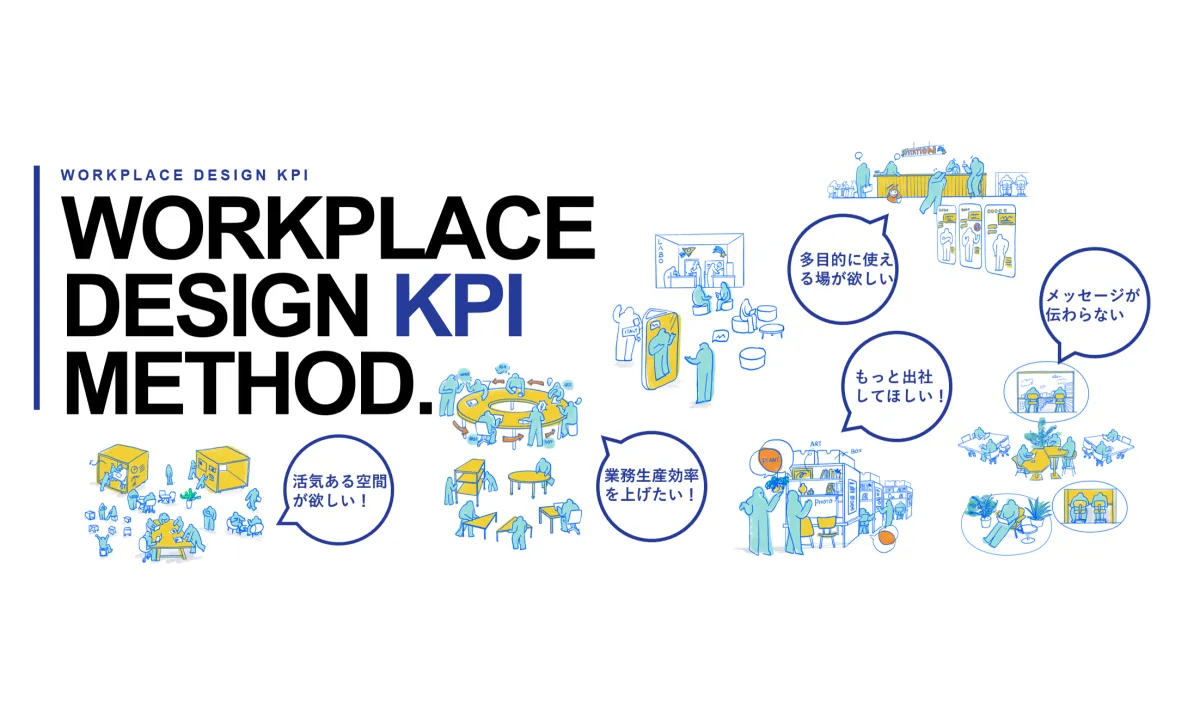
Semba Develops Unique KPI Method for High-Value Office Design
Introduction
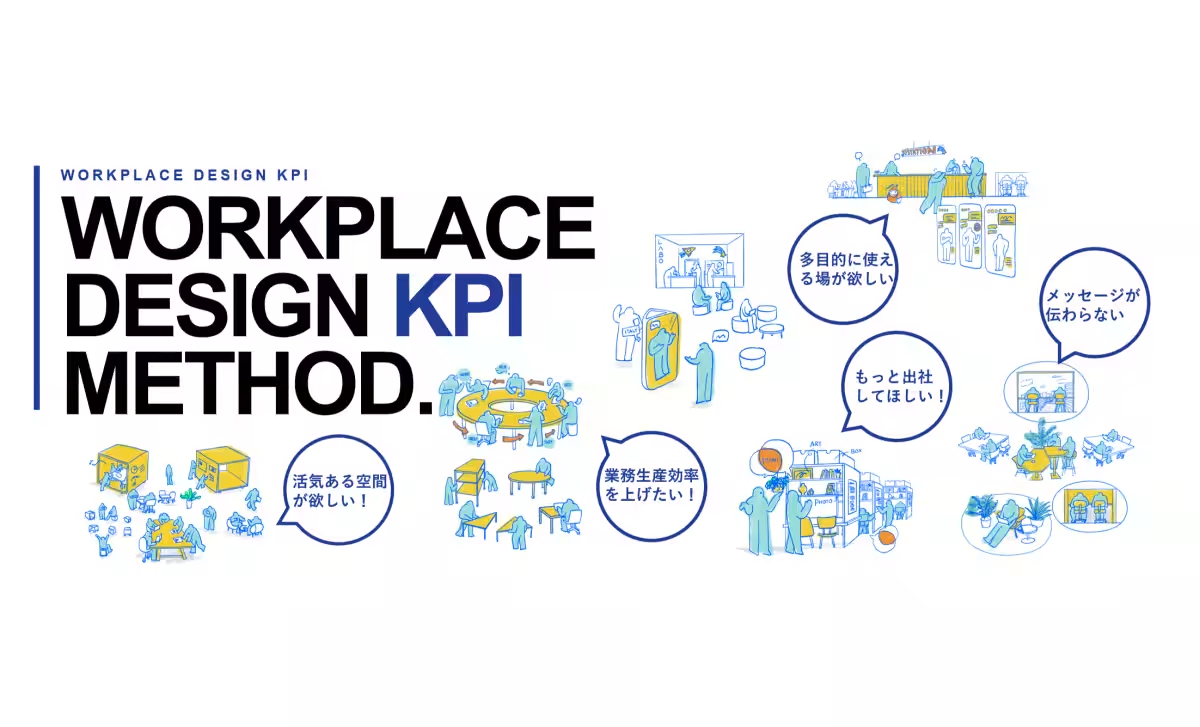
In a rapidly evolving business landscape, Semba Corporation has pioneered a unique approach to office design aimed at enhancing the value of workspace investments. Known for its innovative strategies in commercial space design, Semba has recently unveiled the "Workplace Design KPI Method," which seeks to address the complexities of modern workplace environments. This method offers a strategic framework that aligns corporate goals with the diverse needs of employees and departments, thereby optimizing investment returns and fostering greater organizational effectiveness.
Background of Development
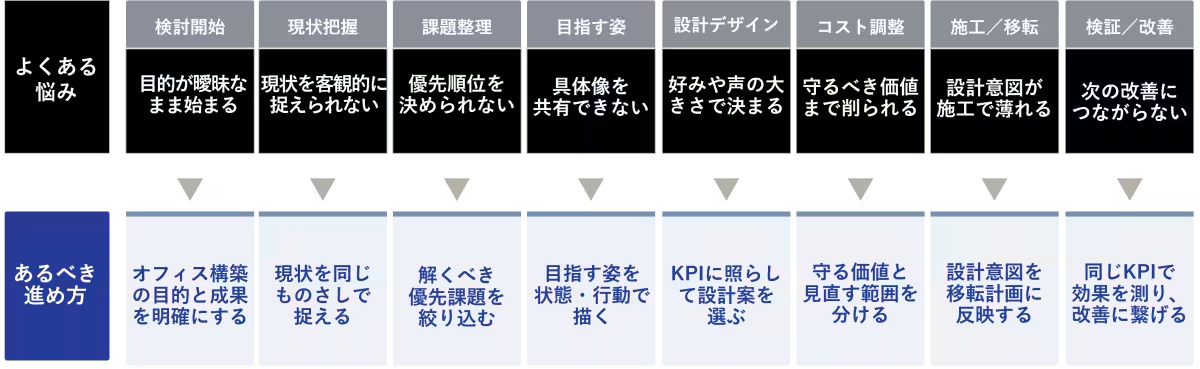
The ever-increasing diversity in work styles and mobility of talent has shifted the focus of workplace design from mere functional spaces to crucial investments in the future of leadership and management. As organizations strive to acquire and nurture top talent, the value of thoughtful office environments is being reassessed. New office constructions, relocations, or renovations often come with varied demands from management, human resources, and other departments. These needs frequently clash with limited space, budgets, and time constraints. Consequently, many organizations find themselves grappling with vague objectives, conflicting priorities, and an inability to maintain a shared vision among stakeholders, leading to inefficient designs that may lack necessary value due to budget adjustments.
Recognizing these challenges, Semba aimed to establish clear objectives and outcomes for workplace construction projects. By leveraging its expertise in various workplace design methodologies, Semba developed unique Key Performance Indicators (KPIs) to guide decision-making. This results in an integrated approach throughout planning, design, execution, and evaluation stages based on common assessment criteria.
Features of the KPI Method
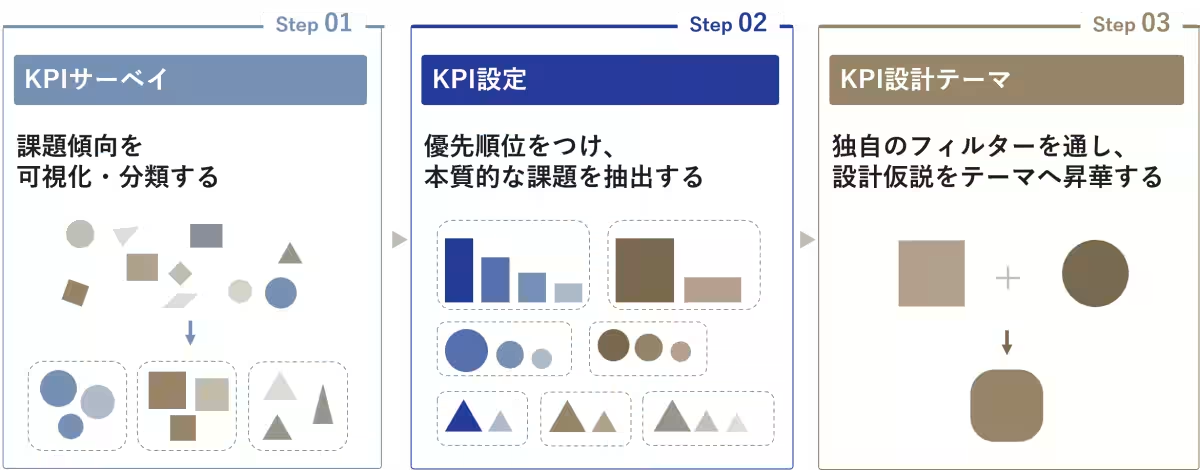
The KPI Method is unique due to its structured three-step approach that addresses common concerns in office construction: "KPI Survey," "KPI Setting," and "KPI Design Themes."
1. KPI Survey: This initial step automatically identifies trends in workplace challenges, allowing organizations to visualize and categorize their current personnel, organizational structures, and spatial layouts.
2. KPI Setting: In this phase, a comprehensive set of 40 indicators across six domains identifies and establishes priorities that reveal essential workplace challenges.
3. KPI Design Themes: Distilled from the setting phase, these themes provide a common language for all stakeholders involved, fostering collaboration and alignment for smoother office construction processes.
For example, a stated desire for more collaborative spaces could stem from various underlying motivations—whether to enhance interdepartmental collaboration, promote learning and development, or drive innovation. Instead of hastily translating requests into spatial designs, Semba's three-step process helps clarify the fundamental issues and objectives, transforming them into essential design criteria, including the necessary interactions, functional requirements, and operational guidelines.
Implementing the Method
In Step 01, the organization assesses the actual conditions; in Step 02, KPIs are set to prioritize:
- Enhancing interdepartmental collaboration
- Facilitating the emergence of new ideas
- Encouraging spontaneous interactions and discussions.
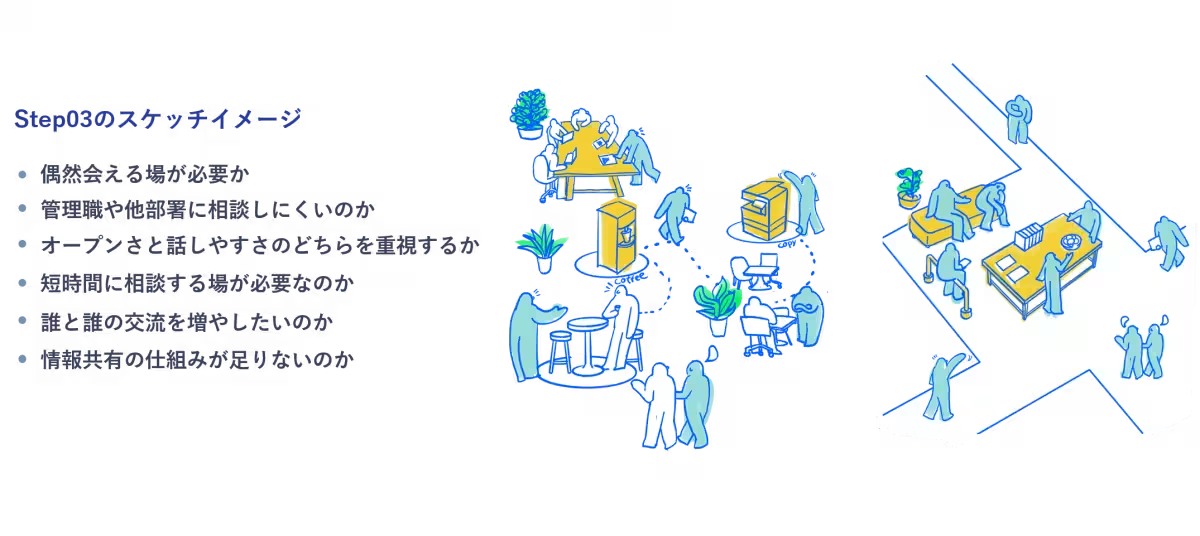
If interdepartmental collaboration is deemed the most pressing priority, Step 03 proposes hypotheses about design premises, such as recognizing that meaningful connections often arise from informal engagements outside of traditional meetings. This leads to the establishment of a “KPI Design Theme” that emphasizes spaces that foster both collaboration and casual interaction. Through sketches and visualizations, these ideas are translated into specific design criteria, ensuring that the initial priorities set in the project's infancy manifest as tangible spaces.
Potential Impact of the Method
Semba aims to utilize the Workplace Design KPI Method for companies contemplating new office setups, relocations, or renovations. This framework supports organizations from the initial stages of gathering requests and challenges to evaluating outcomes post-completion. By positioning the workplace not merely as a location for tasks but also as a comprehensive support system for behaviors and organizational health, Semba seeks to create a foundation for achieving corporate objectives.
About Semba Corporation
Founded in Tokyo, Semba Corporation specializes in comprehensive design, construction, and maintenance services for a variety of spaces, including commercial facilities, healthcare settings, and educational environments. The company stands out for its commitment to ethical design, promoting initiatives that benefit society and the environment. As a testament to this mission, Semba introduced its Corporate Value X (CVX) Strategy Office in 2025, reaffirming its dedication to transforming office spaces into vital asset and value-enhancing environments.
In conclusion, Semba Corporation’s Workplace Design KPI Method represents a strategic evolution in office design, addressing the multifaceted dynamics of modern workspaces and securing the best possible return on investment for companies. Through this innovative methodology, organizations can facilitate environments that not only reflect their corporate values but also enhance employee satisfaction and productivity.

Topics Consumer Products & Retail)
【About Using Articles】
You can freely use the title and article content by linking to the page where the article is posted.
※ Images cannot be used.
【About Links】
Links are free to use.