



Exploring the Chaos Map of the Personal Gym Market in 2026
Introduction
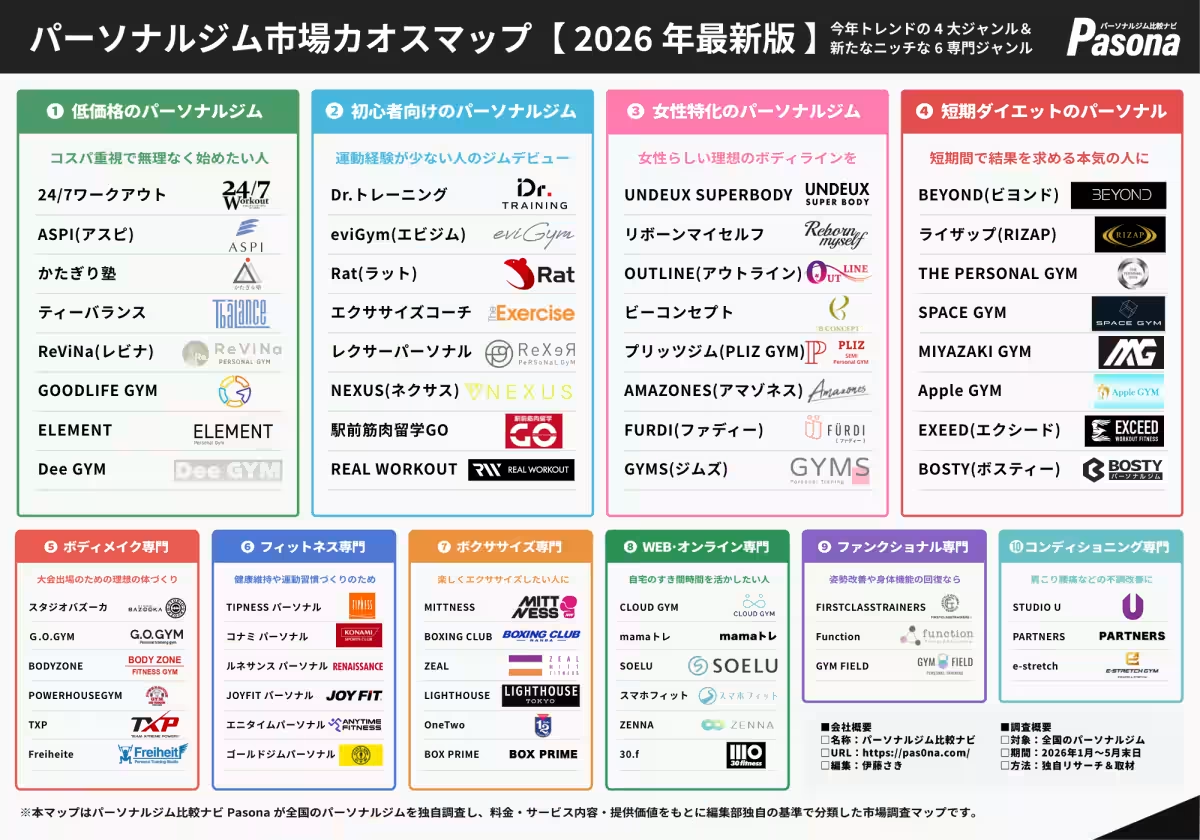
In the rapidly evolving landscape of personal fitness, Pasona has taken the initiative to present a comprehensive overview of the personal gym market in Japan with its newly released "2026 Personal Gym Chaos Map". This innovative map categorizes 100 national gym brands into 10 distinct genres, offering a clear perspective on their unique features, services, and pricing plans.
The Background of the Chaos Map
As the personal gym market becomes increasingly diverse, with options ranging from budget-friendly facilities to women-only gyms and those specializing in body transformation or boxing, users have found it challenging to identify the best gym for their individual needs. Recognizing this difficulty, Pasona conducted extensive research on both major national chains and local brands predominantly located in Tokyo and Osaka, aiming to provide an overarching view of the marketplace.
The Chaos Map provides a structured analysis of each brand’s service offerings, pricing, and concept—ensuring that users can find a gym that aligns with their fitness aspirations without getting lost in the sea of choices. The research methodology considered various factors, including target demographics, training content, and pricing strategies, thus ensuring a comprehensive understanding of the market.
Insights from the Chaos Map
This year's Chaos Map highlights several key trends within the personal gym market:
1. Expansion of Budget-Friendly Options
Previously, many personal gyms operated on a model that required upfront payment for a single short-term plan. Now, brands are introducing flexible pricing models, including subscription services with options for four or eight sessions a month and punch cards, catering to diverse budgets and allowing users to commit to longer periods without financial strain.
2. Emergence of Specialized Services
Gone are the days when the primary criterion for choosing a gym was merely whether one could lose weight. Nowadays, facilities are tailored to specific needs—such as women’s fitness, body composition, health maintenance, boxing, and posture correction—encouraging users to select gyms based on their distinct fitness goals.
3. Rise of Pilates Integration
An interesting trend noted is the integration of Pilates in several personal gyms. By combining strength training with Pilates, these establishments cater to users who wish to improve their posture, flexibility, and overall body composition, thereby broadening their appeal beyond just weight loss.
4. Increased Use of AI for Support
Finally, AI technology is being embraced by various gyms to enhance their training and nutritional advisory services. This innovation allows for personalized workout plans and meal management, extending support beyond mere gym sessions and into daily life, providing users with a more comprehensive fitness experience.
Breakdown of the 10 Genres
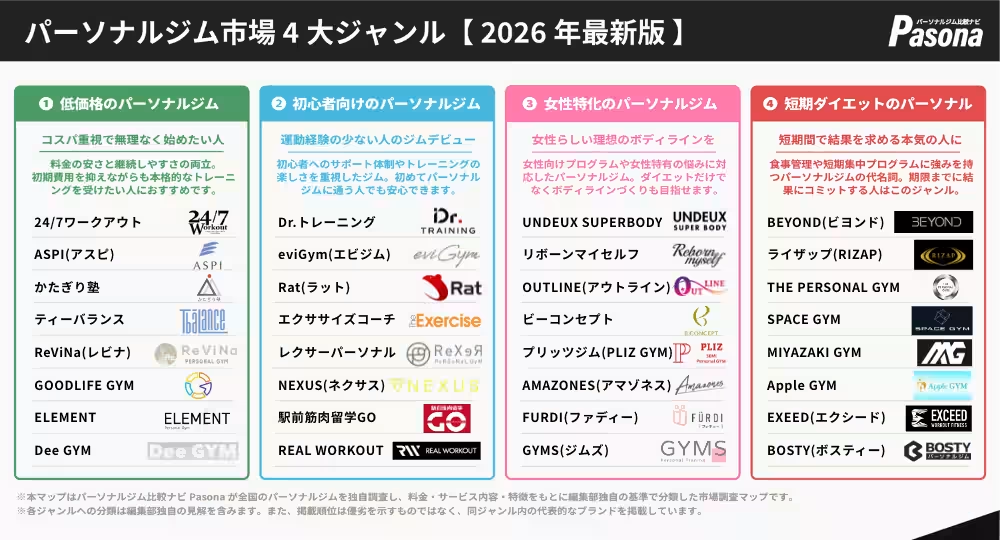
The Chaos Map categorizes personal gyms into four main groups:
- - Budget-Friendly Gyms: Featuring subscription or punch card options for cost-effective access.
- - Beginner-Friendly Gyms: Offering tailored guidance for those new to fitness, making it easy to start their journey.
- - Women-Only Gyms: Functions in an environment catering specifically to women's health and fitness concerns.
- - Short-Term Weight Loss Gyms: Focused on delivering quick results through structured training and diet plans.
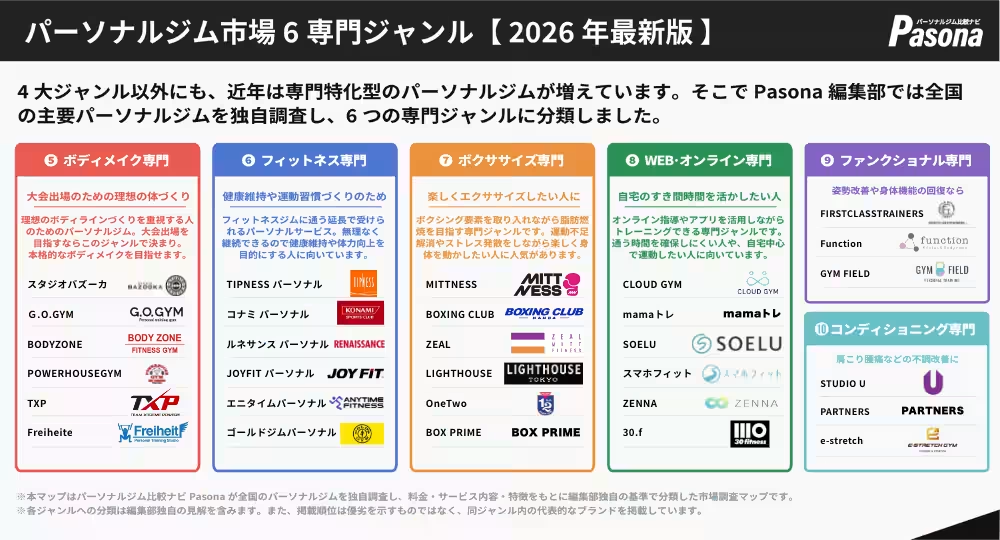
Additionally, six specialized genres were identified:
- - Body Transformation: For intense body composition improvements.
- - Fitness Classes: General fitness offerings without specific angles.
- - Boxing Gyms: Unique training methods revolving around boxing.
- - Online/Virtual Options: Gyms that offer remote training sessions.
- - Functional Training: Gyms centered on enhancing overall physical functionality.
- - Conditioning: Facilities focused on improving physical conditions.
Future Outlook
Pasona is committed to continually updating the Chaos Map in response to emerging trends and new brand developments. By conducting surveys among users and potential gym-goers, Pasona aims to remain attuned to the evolving needs and preferences within the gym market, ensuring that both users and industry stakeholders can benefit from its insights.
Conclusion
The
Topics Consumer Products & Retail)
【About Using Articles】
You can freely use the title and article content by linking to the page where the article is posted.
※ Images cannot be used.
【About Links】
Links are free to use.