



The Rise of AI-Powered Call Response: Insights from IVRy's Latest Survey
The Rise of AI-Powered Call Response: Insights from IVRy's Latest Survey
In today's fast-paced world, the efficiency of communication within businesses is more crucial than ever. With the increasing reliance on technology, IVRy, a notable provider of interactive voice AI SaaS, has conducted an in-depth survey exploring consumer perceptions of AI in call responses. This survey targeted a diverse demographic aged between 20 and 60 years across Japan, revealing crucial insights into customer expectations and experiences regarding AI-driven customer service.
Key Findings from the Survey
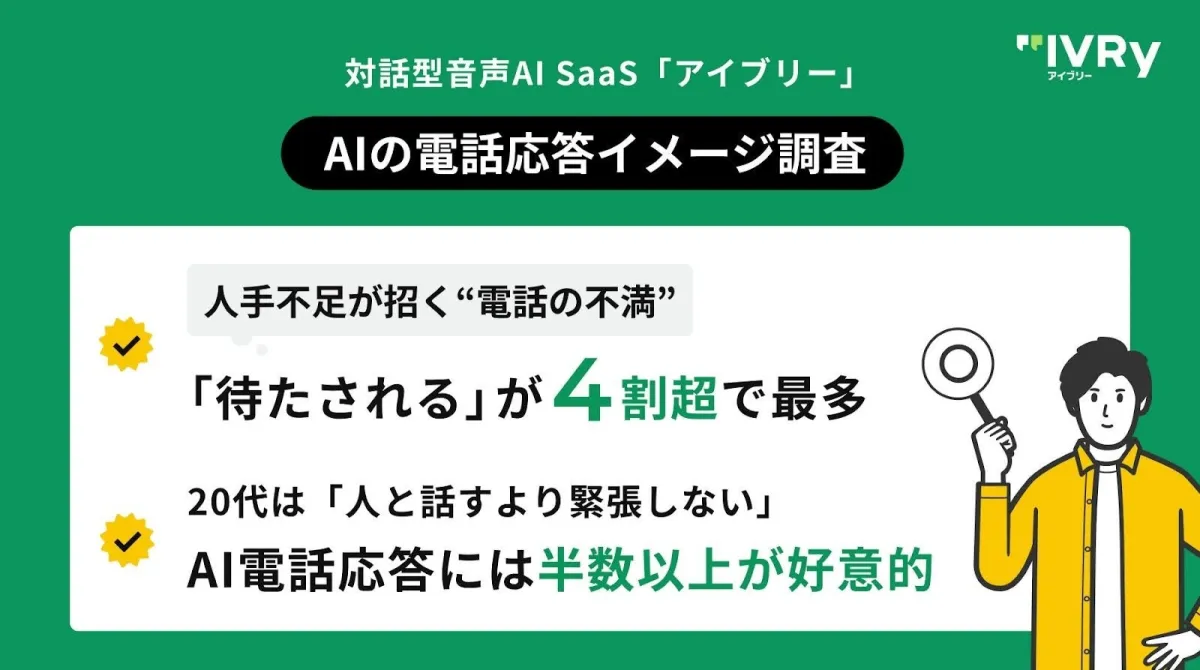
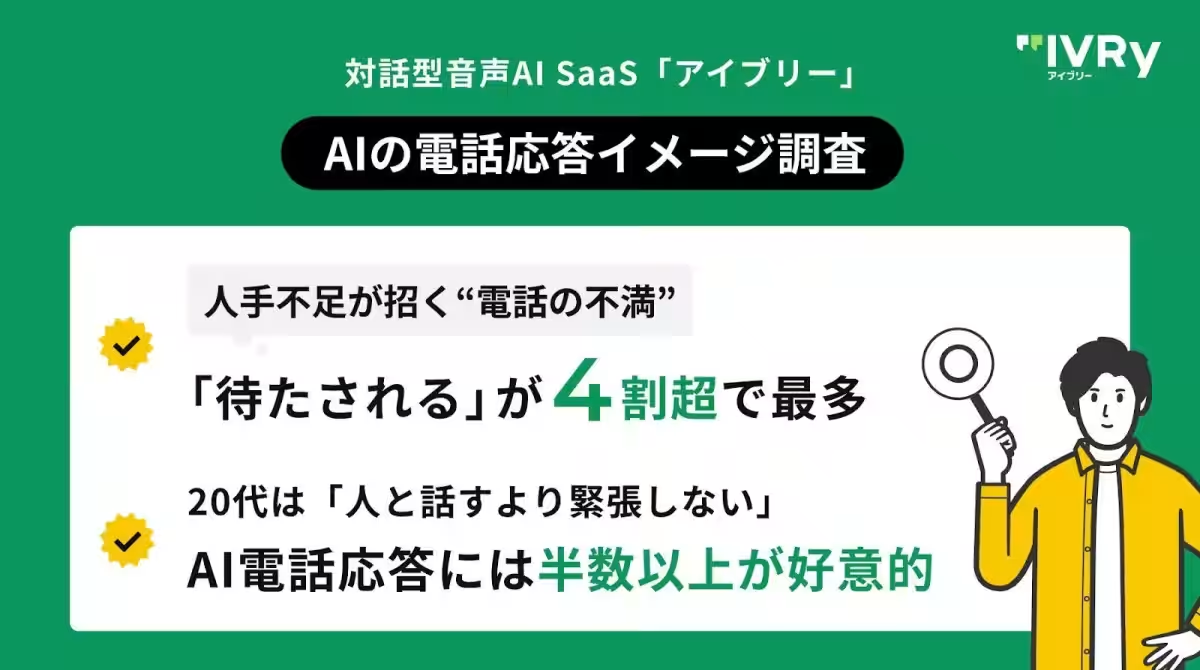
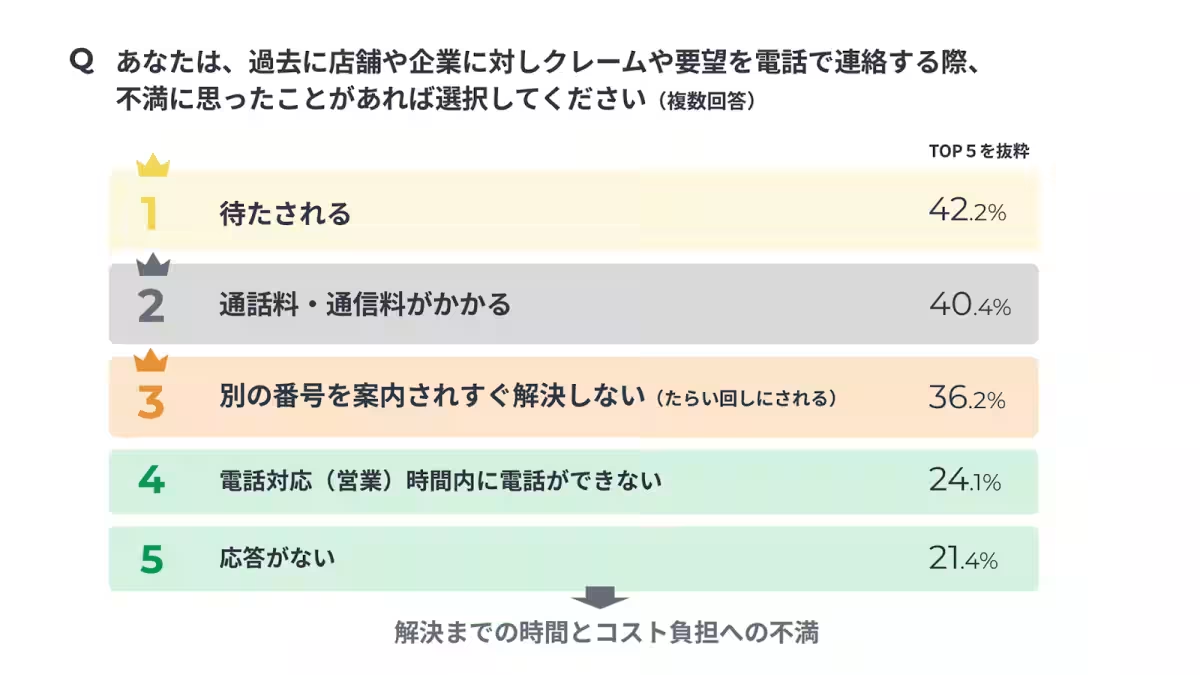
According to the survey, a staggering 42.2% of respondents indicated that one of their biggest complaints regarding business call experiences is the wait time. This sentiment is especially true in a country facing a significant labor shortage, emphasizing the pressing need for businesses to enhance customer experiences. Other common grievances include call costs (40.4%) and being transferred multiple times without resolution (36.2%). These complaints underline the persistent issues that consumers face in traditional customer support settings.
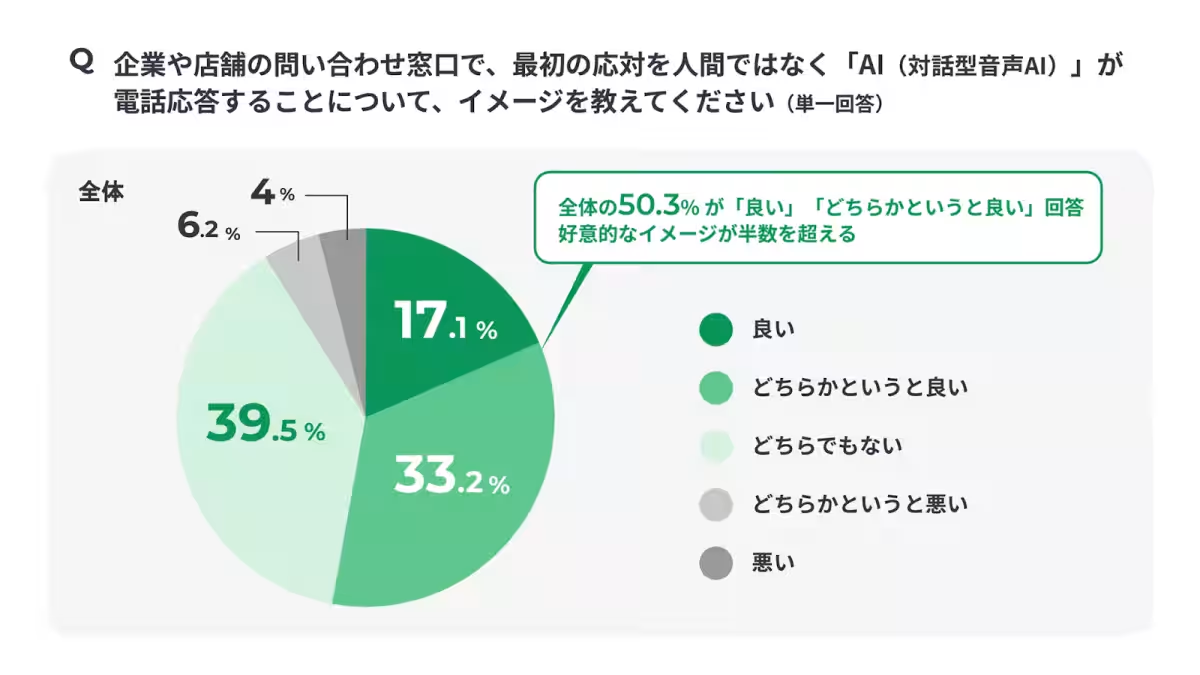
Interestingly, more than half of the participants (50.3%) express a positive image of AI handling initial call responses, particularly among younger users aged 20-29, where the positive response peaked at 63.7%. This data might reflect a growing acceptance of technology among younger generations, signaling a shift in how businesses can utilize AI to improve customer interactions.
Psychosocial Benefits of AI in Customer Service
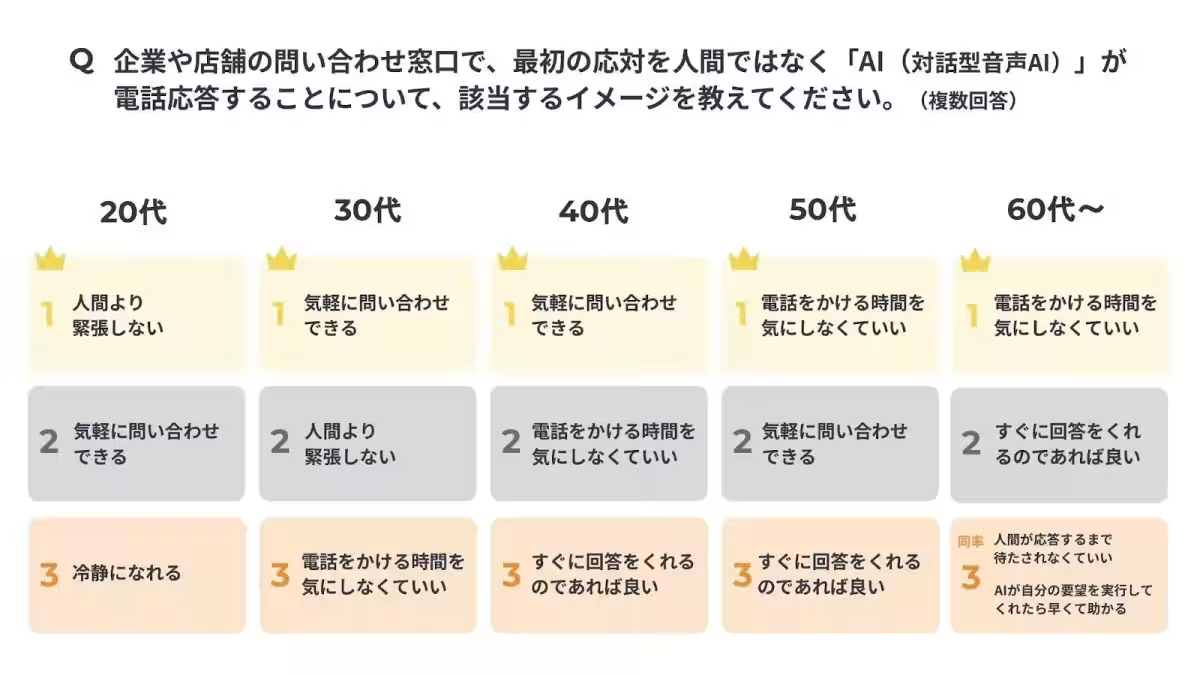
Moreover, the survey unveiled that younger individuals perceive distinct psychological advantages when interacting with AI technologies. Approximately 34.5% of respondents in their 20s feel less anxious communicating with AI compared to humans, contrasting sharply with just 16.5% of those in their 50s. This disparity suggests younger customers are more inclined to embrace AI, viewing it as a more relaxed alternative to human interaction, which can often be fraught with tension and disappointment.
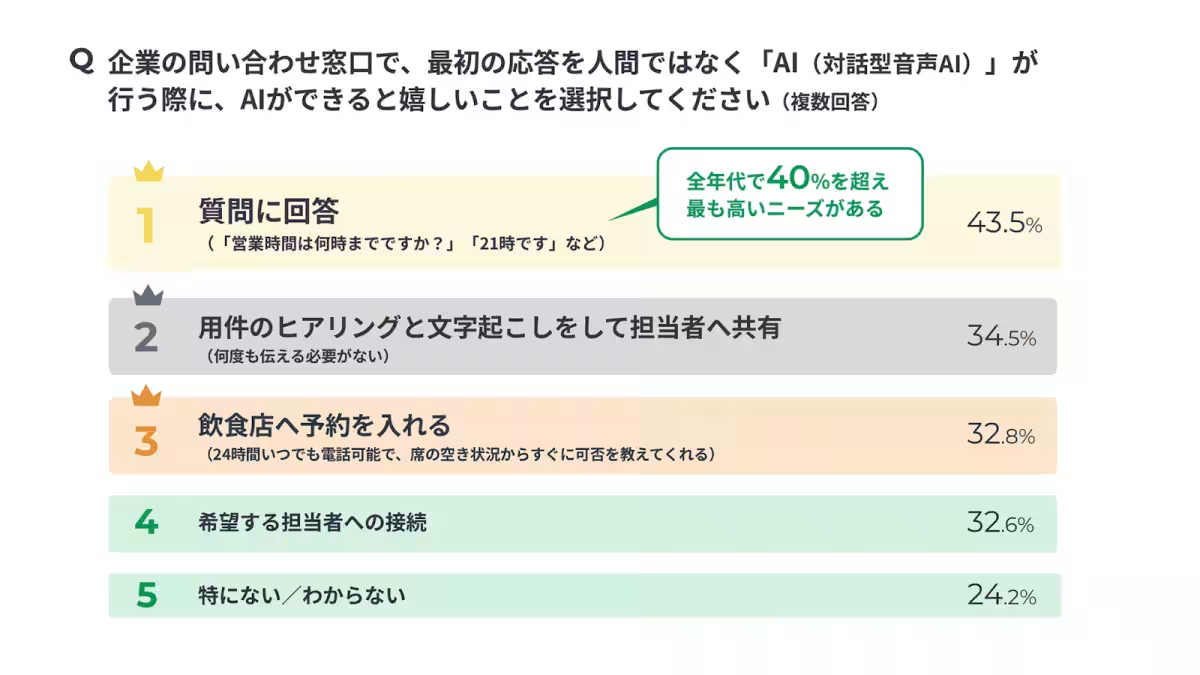
Participants expressed specific expectations from AI, with the most sought-after capabilities being accurate first responses and seamless communication flow. A resounding 43.5% of respondents prioritized having their questions answered quickly. Furthermore, 34.5% of consumers emphasized the need for AI to effectively relay inquiries to the appropriate personnel, highlighting a demand for thorough and precise information sharing.
Addressing Labor Shortages through AI
This survey emerges amid Japan's pressing issue of declining workforce population, with a noticeable impact on customer service roles. Call centers and physical service locations are crucial touchpoints where high volumes of inquiries are received, often exhausting existing staff resources. As businesses look to mitigate the strain on their employees, the integration of AI-powered solutions could represent a fundamental shift in how service operations are managed.
The evolution of generative AI has sparked interest in harnessing technology to enhance efficiencies and enrich customer experiences. As IVRy states, adopting these systems not only aims to resolve immediate concerns related to wait times and efficiency but represents a commitment to rethinking how businesses can engage with their customers in a rapidly digitizing landscape.
The Future of AI in Customer Relations
One major takeaway from this survey is the growing confidence consumers have in AI's capabilities to meet their needs. Consumers are not just looking for automation; they are demanding improved quality in interactions. They desire tools that understand queries and can respond promptly. Additionally, there's a clear inclination towards projects that elevate not just operational silos but also enhance customer experience overall.
As businesses continue to navigate through the complexities of a digitally-driven world, the findings from IVRy’s survey present a timely reminder of consumer sentiment toward AI. The potential of AI to reshape customer interactions now appears not only feasible but also crucial for southern paths of innovation.
Conclusion
As IVRy reflects on the survey results, it signals a transition towards integrating more intelligent solutions within customer service sectors. With the right tools and technologies at hand, businesses can not only enhance operational efficiency but also foster deeper relationships with their clients. AI-driven responses can be a bridge between consumer desires for immediacy and businesses’ needs for reliability, marking a transformative era in customer service dynamics.
Visit IVRy’s corporate page or explore their enterprise solutions to learn more about how AI can revolutionize your customer service experience.

Topics Consumer Technology)
【About Using Articles】
You can freely use the title and article content by linking to the page where the article is posted.
※ Images cannot be used.
【About Links】
Links are free to use.