



Understanding Disaster Preparedness: Insights from Cross Marketing's 2026 Survey
Examining Disaster Preparedness in Japan: Insights from Cross Marketing
In 2026, Cross Marketing, headquartered in Shinjuku, Tokyo, conducted a national survey titled ‘Awareness of Disaster Preparedness’ involving 3,000 men and women aged 20 to 79 years. Given the persistent threat of natural disasters globally, including earthquakes and floods, this study serves as a crucial examination of public awareness and behavioral intentions regarding evacuation and disaster response.
Evacuation Behaviors
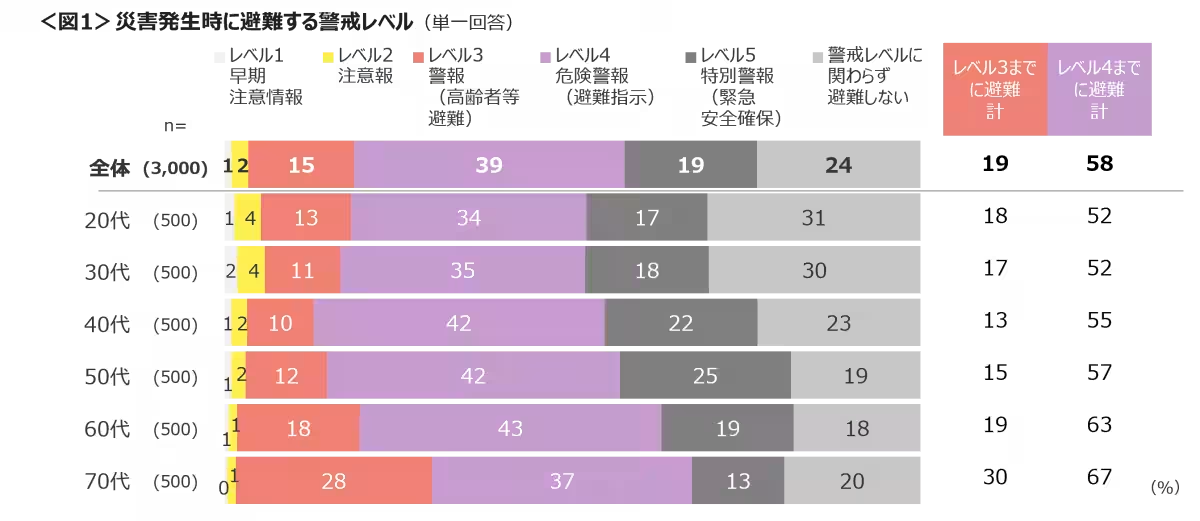
The survey results indicate a concerning trend: approximately 24% of respondents reported they would not evacuate regardless of the disaster alert level. Among young adults in their 20s and 30s, this figure climbs to over 30%. Meanwhile, 39% mentioned they would evacuate upon receiving a Level 4 warning (evacuation advisory), and only 19% would act on a Level 5 warning (emergency safety confirmation).
Older adults, particularly those in their 70s, showed a more proactive approach, with many indicating they would evacuate from Level 1 through Level 3 advisories. The gap in behavior across different age groups raises critical questions about the disconnection between awareness and action in disaster situations.
(Evacuation levels based on warning types)
Awareness of Evacuation Locations
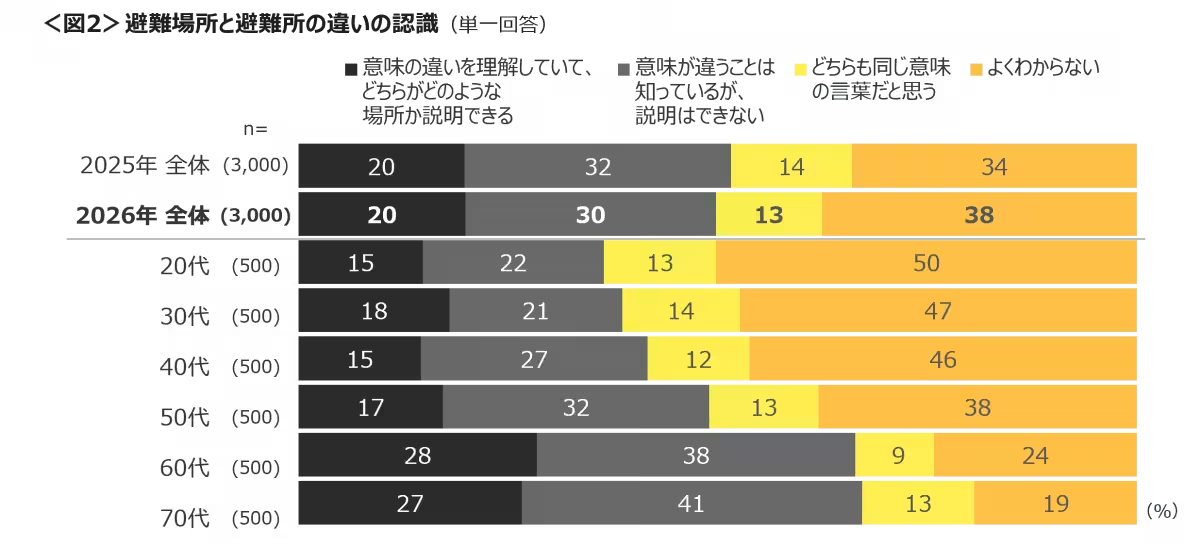
The differences between evacuation sites and shelters appear poorly understood, as 38% of participants admitted they did not know these distinctions. Additionally, 30% acknowledged they were aware of the difference but could not adequately explain it. Only 20% could describe the types of places that each term refers to. Notably, the older demographic, particularly those aged 60 to 70, demonstrated a better understanding of these crucial distinctions.
Familiarity with Disaster Reduction Strategies
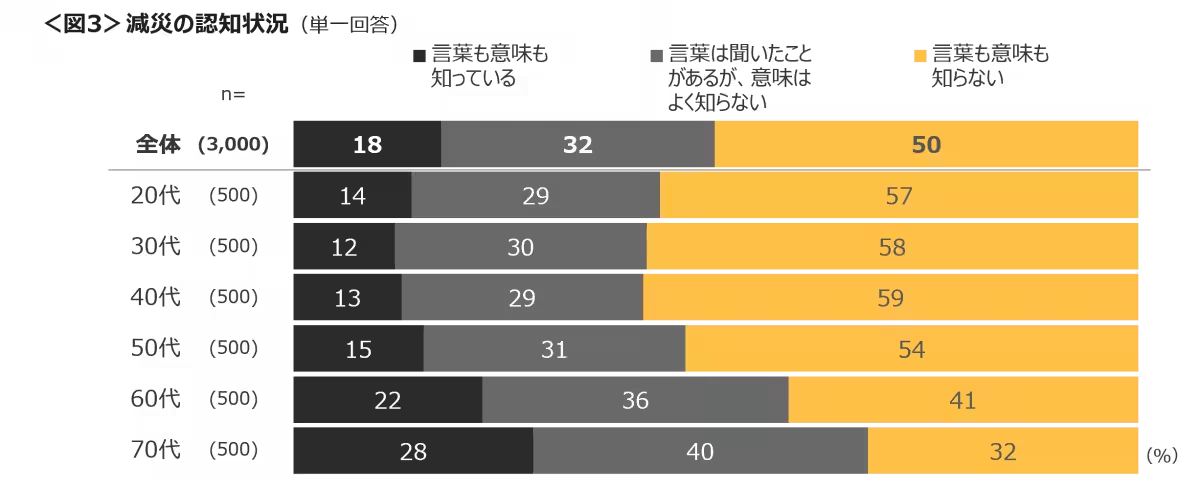
When exploring awareness about disaster reduction strategies, only 18% of respondents recognized the term and its meaning, while half the participants admitted to having no knowledge of the term. Among younger adults (ages 20-40), awareness remains notably low.
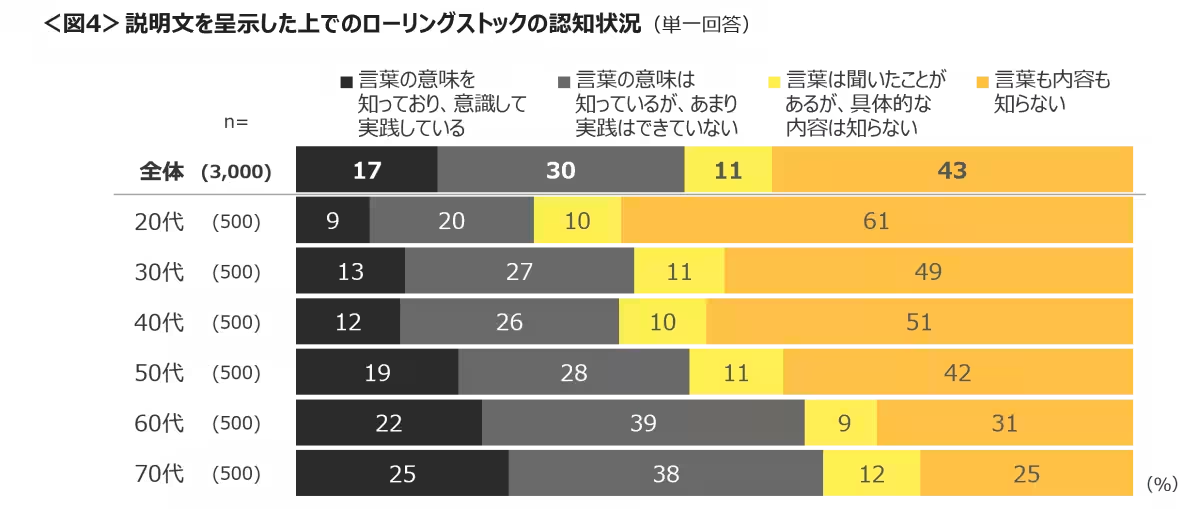
Similarly, awareness of the rolling stock concept is limited, with 43% unfamiliar entirely. This highlights a gap between potential knowledge and actual comprehension amongst the population, particularly the younger generations.
Concerns About Specific Natural Disasters
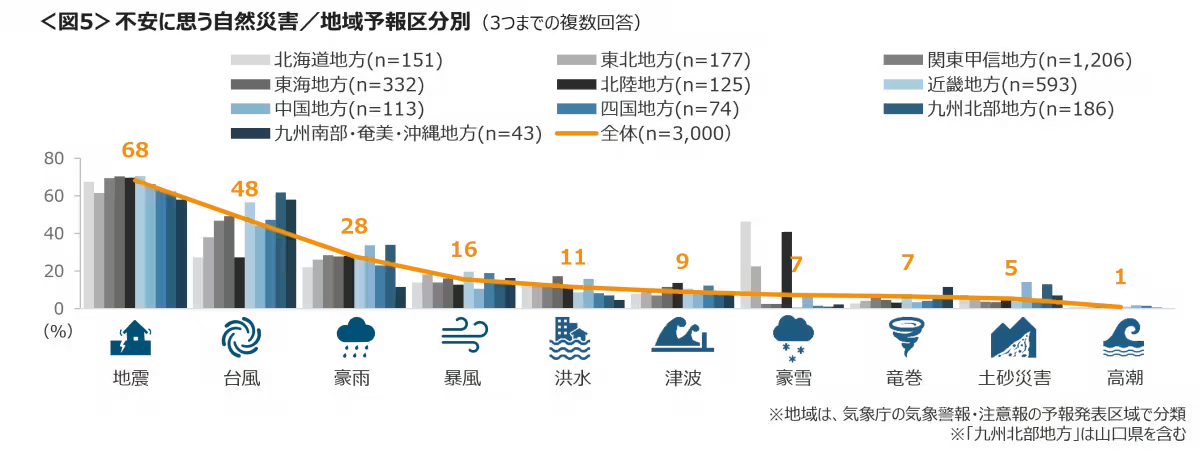
Respondents were asked to list their top three concerns regarding natural disasters. Earthquakes topped the list at 68%, followed by typhoons at 48% and heavy rainfall at 28%. Focusing on regional variations, residents of the Kinki and Northern Kyushu regions expressed significant concern regarding typhoons, with over 60% of people indicating high levels of anxiety.
Perceptions of Disaster Preparedness
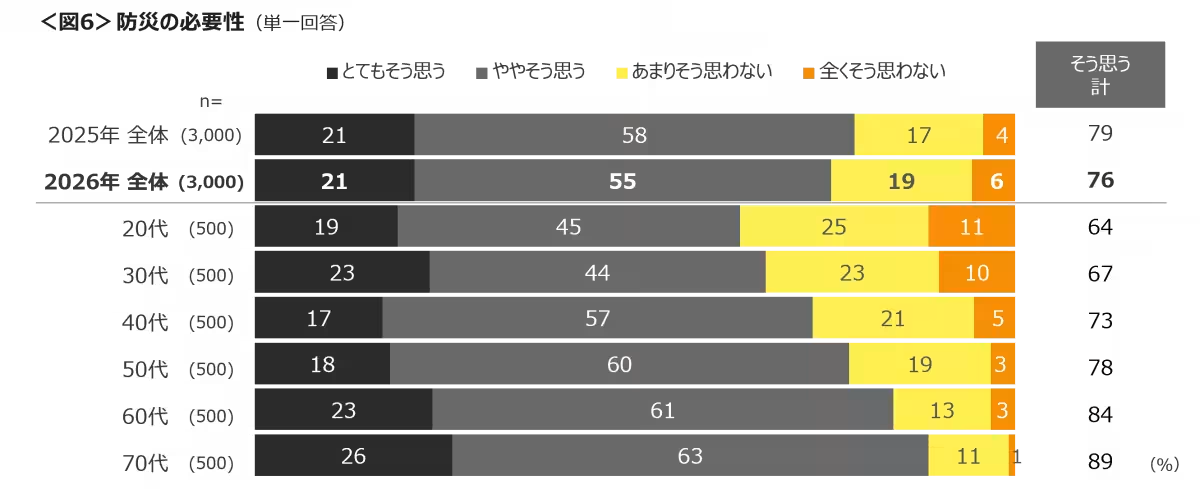
The survey also evaluated how individuals perceive the necessity of disaster preparedness. A compelling 76% of respondents indicated they feel some level of necessity to address disaster risks. Interestingly, this sentiment increases with age, suggesting that as people mature, their recognition of the importance of being prepared grows stronger.
Response to Disasters in Other Areas
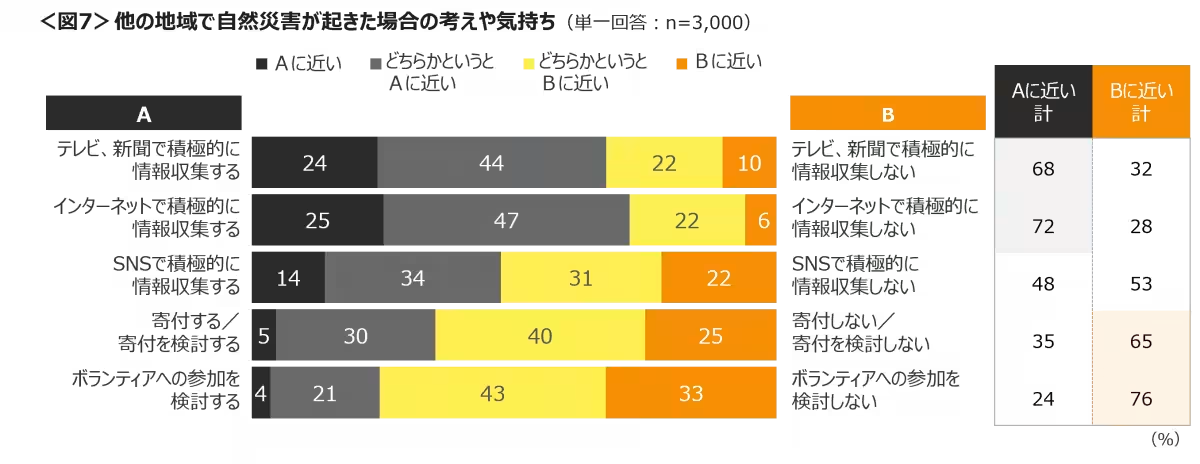
When disasters occur in different regions, around 70% of individuals actively seek news via television, newspapers, or the internet. In contrast, about 20-30% contemplate volunteering or donating to relief efforts. Despite the ease of information access through social media platforms, there are concerns regarding misinformation, making the traditional media outlets preferred sources of information.
Conclusion
Cross Marketing's findings underscore a critical gap in disaster preparedness awareness and behavior in Japan. As natural disasters continue to pose significant risks, emphasizing education and community readiness is essential. Policymakers and organizations must prioritize initiatives aimed at increasing public awareness and understanding of disaster preparedness to ensure a more resilient society.
For further details, you can download the full report from Cross Marketing's official website here.
Topics Policy & Public Interest)
【About Using Articles】
You can freely use the title and article content by linking to the page where the article is posted.
※ Images cannot be used.
【About Links】
Links are free to use.