



Consumers Express Doubts About Supplement Quality and Safety: Insights on What Makes a Trustworthy Product
Understanding Consumer Concerns on Supplement Safety
In a recent study conducted by EAS Co., Ltd., over 1,000 regular users of dietary supplements shared their insights regarding quality and safety. Notably, around 50% expressed doubts about the quality and safety of the supplements they consume daily. This alarming statistic highlights the increasing need for transparency and trust in the supplement industry, particularly in light of recent media reports about health issues linked to certain products.
The Growing Demand for Transparency in Supplements
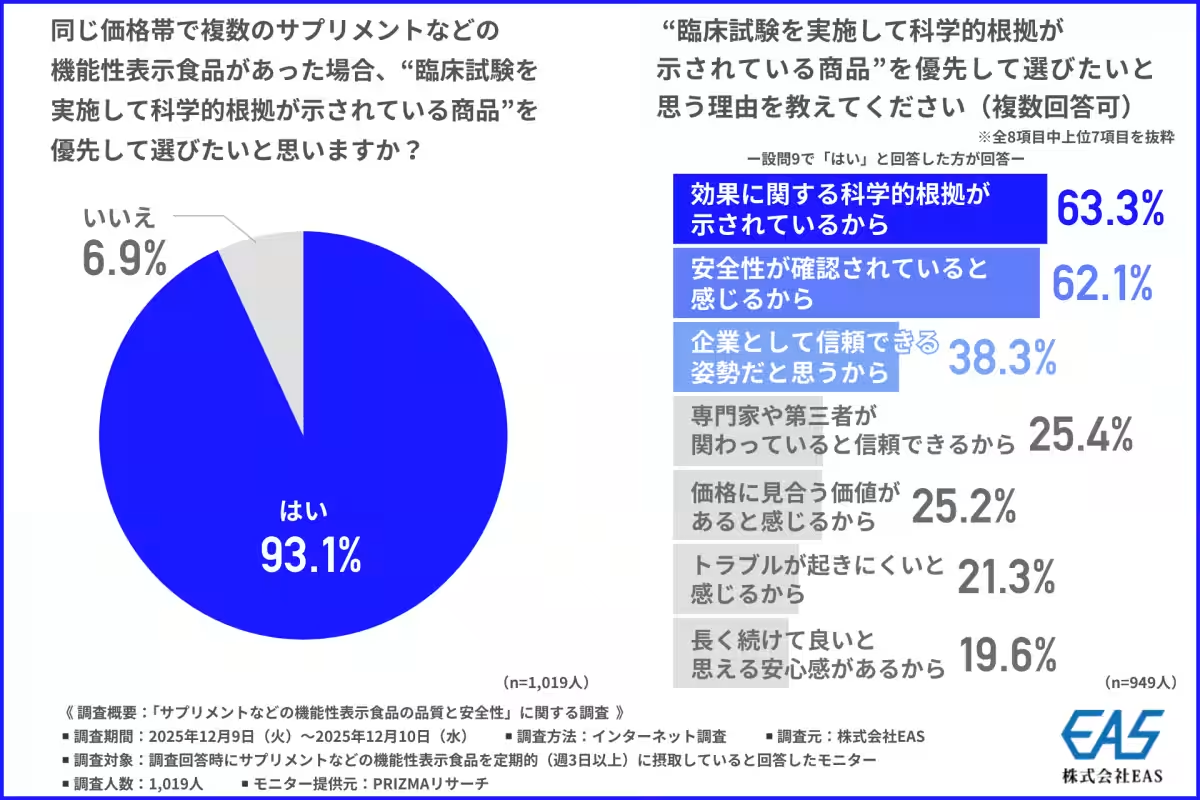
With the rise of health-related news and studies emphasizing the importance of ingredient integrity, consumers are understandably cautious. The study reinforces consumer sentiment toward trustworthy supplements, revealing that buyers are not merely drawn by price but are increasingly concerned about scientific backing. Many users are looking for evidence of clinical trials or scientific research to back up the effectiveness and safety claims made by supplement companies.
Survey Highlights: User Preferences and Trust Factors
Types of Supplements Consumed
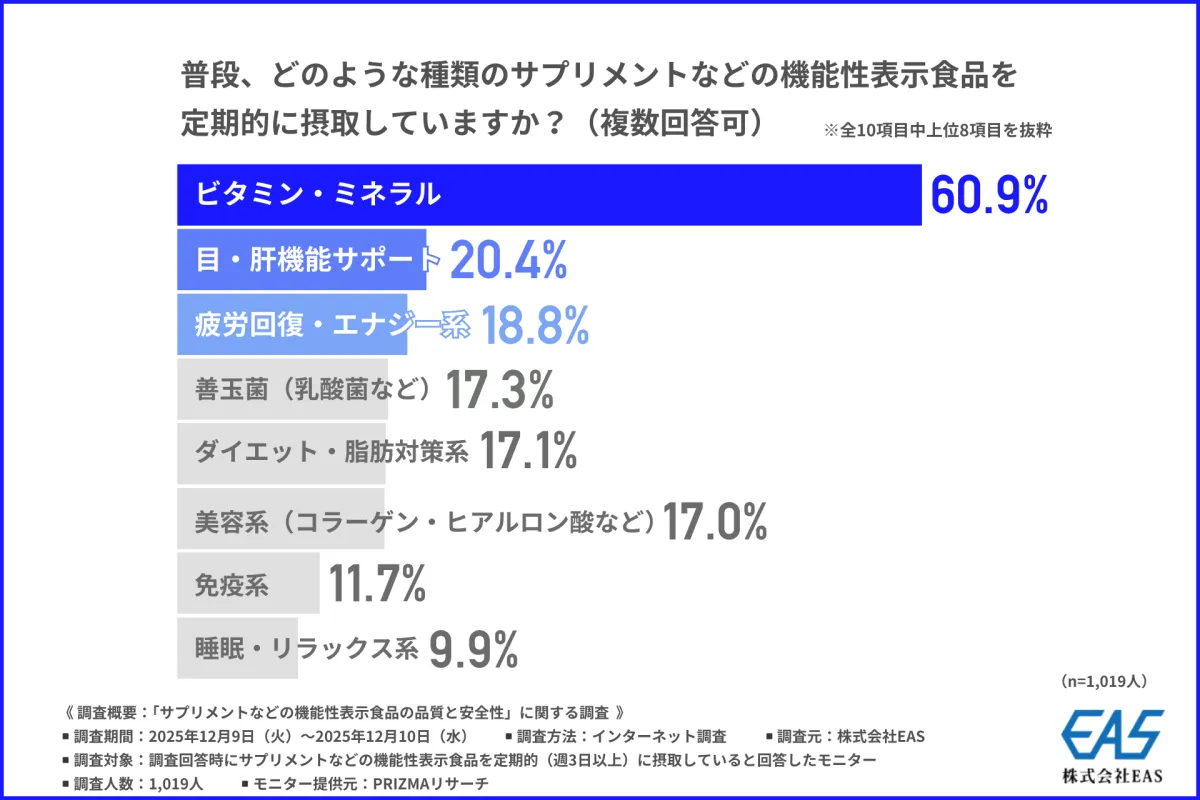
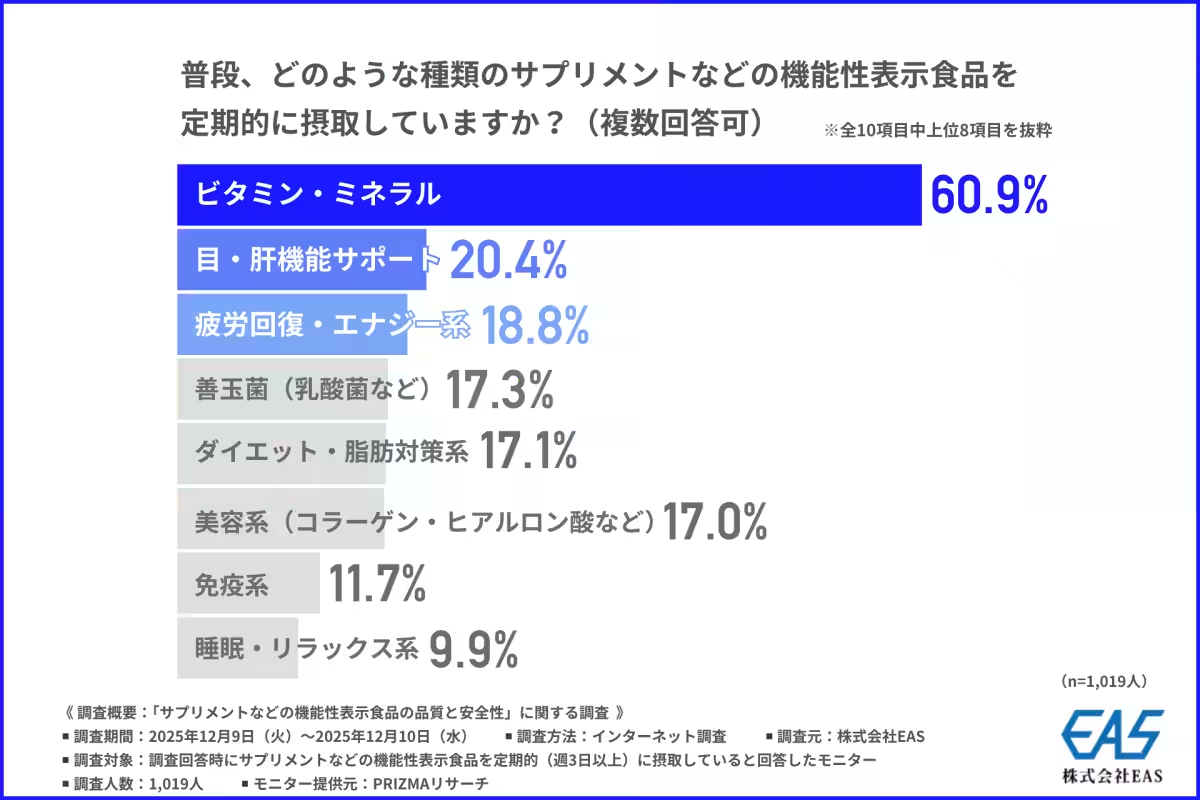
When asked about the types of supplements regularly consumed, 60.9% of respondents chose vitamins and minerals, followed by eye and liver support (20.4%) and fatigue recovery supplements (18.8%). This indicates a primary focus on basic nutritional needs while also addressing specific health concerns prevalent in today's lifestyle, such as extensive desk work.
Motivations for Usage
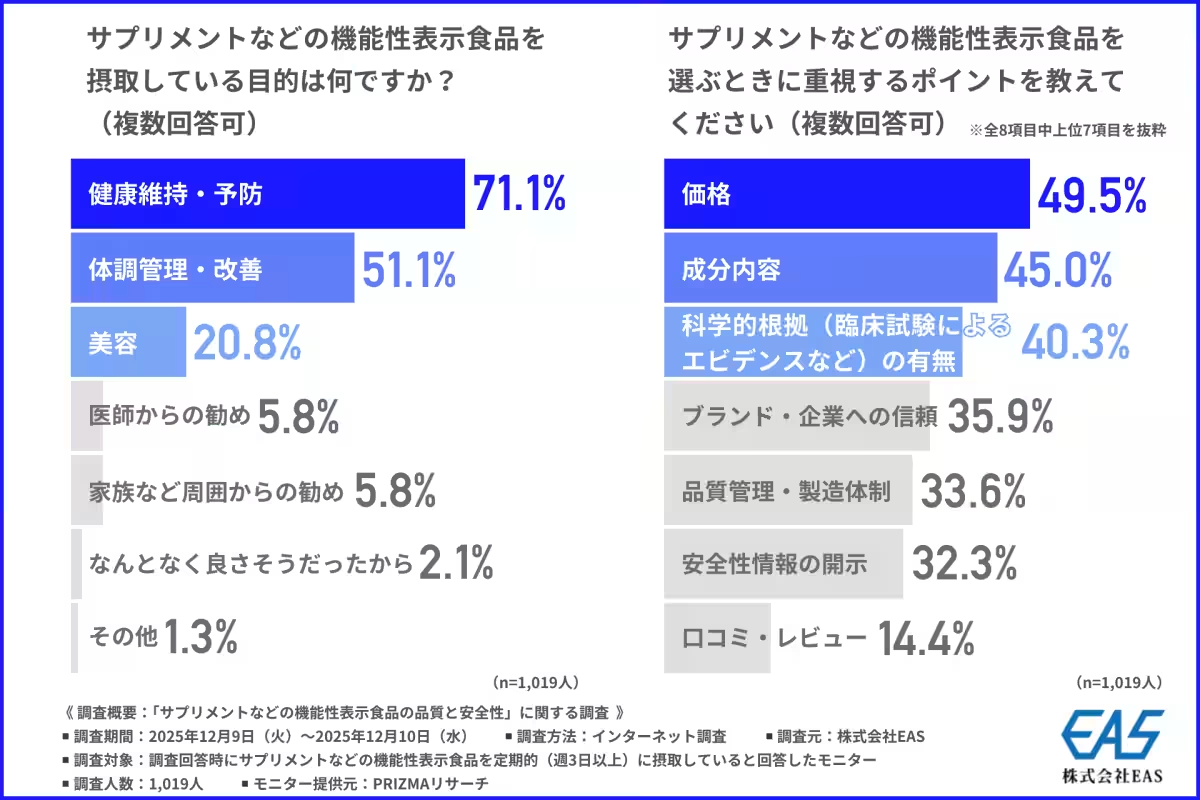
Most respondents identified health maintenance and prevention (71.1%) as their primary reason for consumption, followed by feedback on general health management (51.1%) and beauty enhancement (20.8%). This preventive mentality suggests a shift from reactive health care to proactive health preservation.
Critical Selection Criteria
When it comes to selecting supplements, price emerged as the principal factor (49.5%), followed closely by ingredient content (45.0%) and scientific evidence (40.3%). The emphasis on price indicates economic considerations significantly influence purchasing decisions. However, the weight given to research-backed claims indicates a shift towards informed, value-based choices. This discloses a growing trend among consumers who are becoming more discriminating, seeking credible evidence before committing their finances.
User Concerns About Quality and Safety
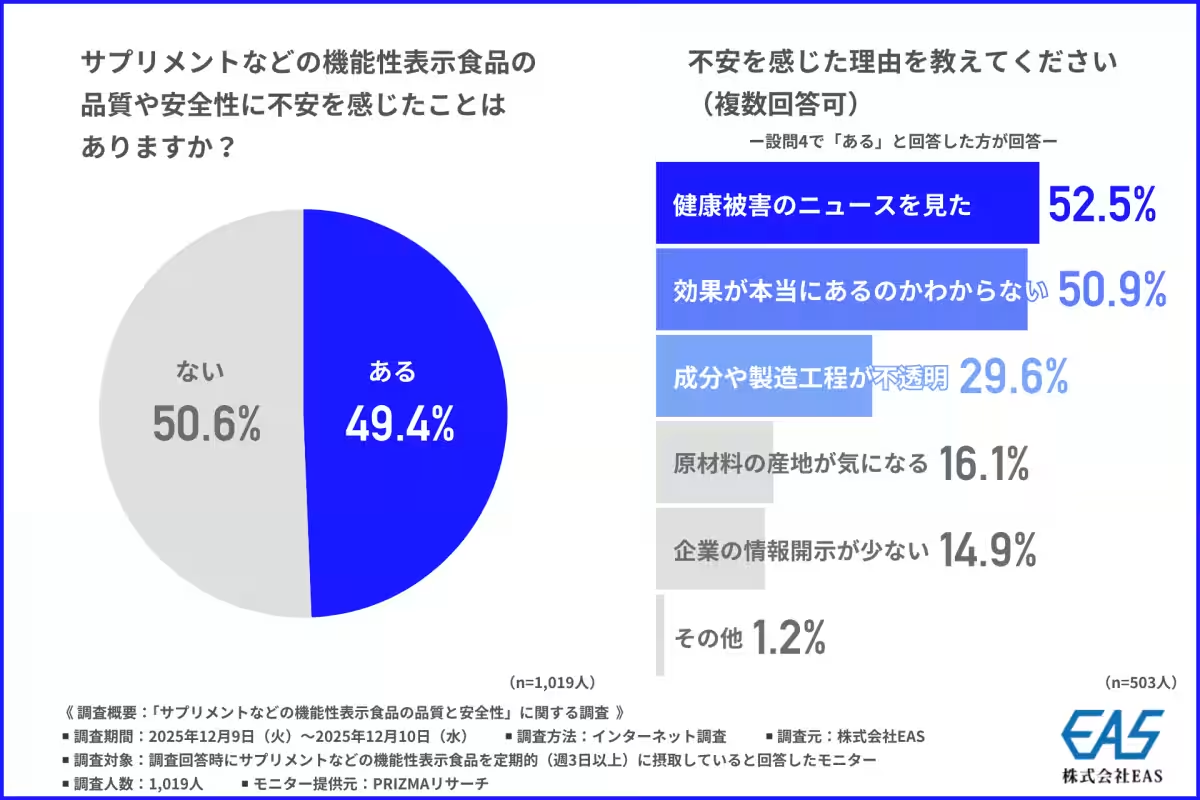
Yet, despite regular usage, nearly half of survey participants expressed worries about the quality and safety of these products, with 49.4% reporting some level of concern. The primary reasons for these doubts were linked to health scare news (52.5%) and uncertainty regarding product effectiveness (50.9%). This connection vividly illustrates the impact of media messaging on public perception regarding dietary supplements.
Seeking Reassurance
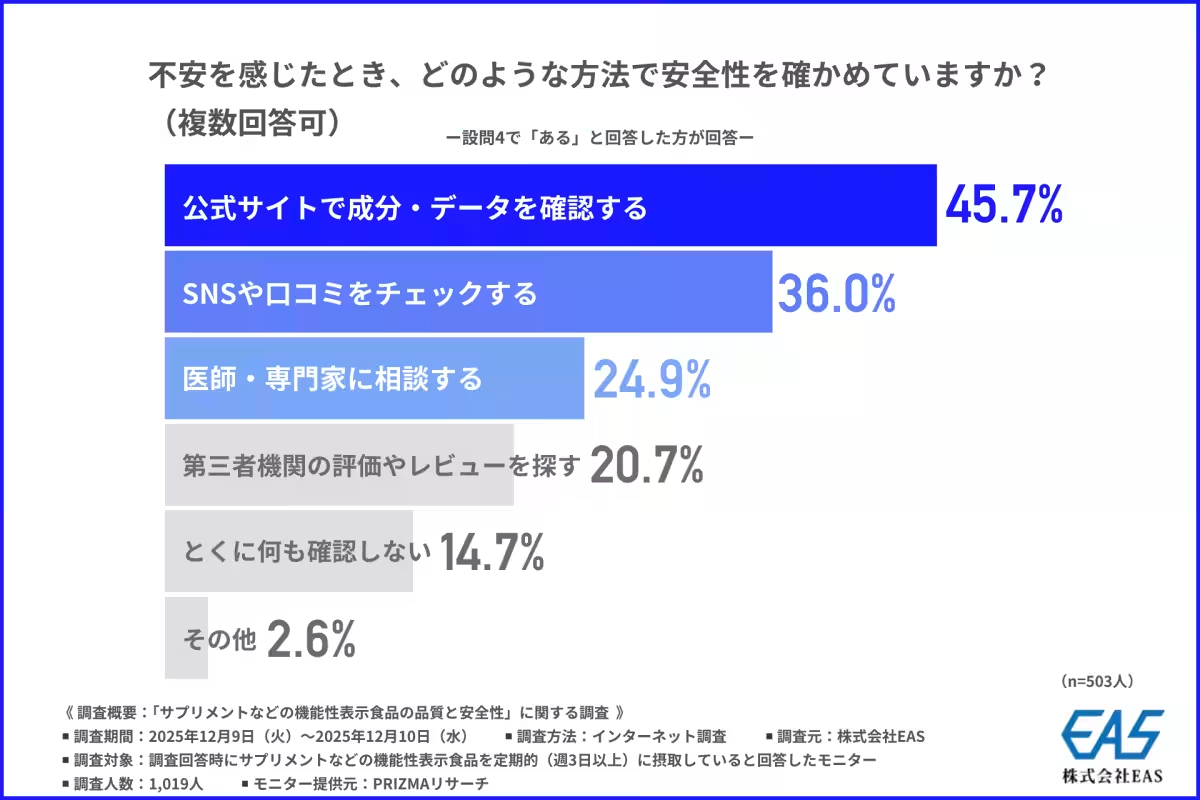
To alleviate these concerns, most participants (45.7%) check official websites for ingredient transparency and product data. Some also refer to social media or consult healthcare professionals, indicating a prudent approach to verifying safety alongside personal usage.
Demand for Evidence-Based Products
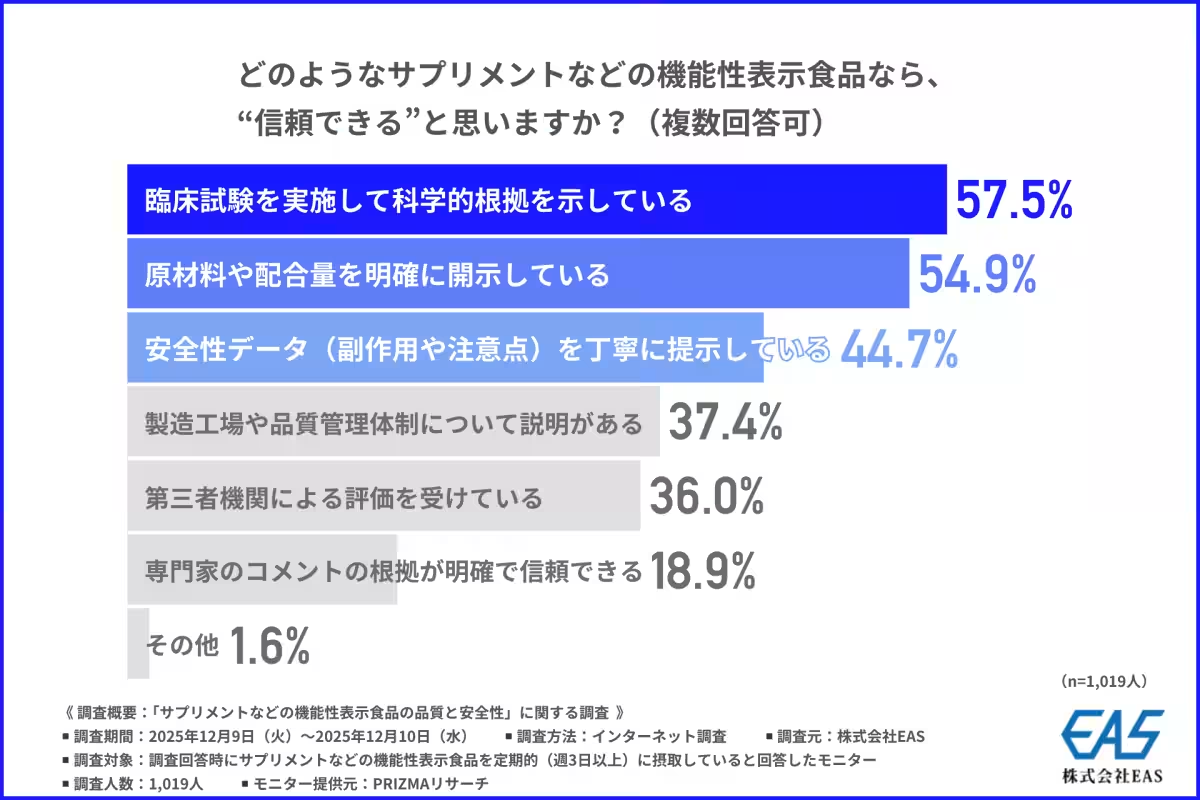
A compelling 57.5% of respondents believe that supplements with evidence from clinical trials are more trustworthy. Moreover, 54.9% seek transparency in ingredient lists and dosage, while 44.7% prefer products that clearly indicate safety data and side effects. These findings underscore the need for brands to maintain a commitment to transparency and scientific credence to build consumer trust.
Conclusion
The survey results illustrate that while health-conscious consumers are eager to integrate supplements into their wellness regimens, they remain wary of quality and efficacy, demanding further validation from brands. The supplement market should respond by emphasizing clinical trials and educational transparency to ensure consumers feel secure about their choices. This shift could not only improve consumer trust but also cultivate a long-lasting, loyal customer base that appreciates the fusion of quality, safety, and efficacy.
For any brand aiming to stand out in this competitive market, demonstrating a commitment to science-based research and transparent communication is crucial. Companies like EAS Co., Ltd., dedicated to supporting evidence-building for supplements, play a vital role in shaping a credible supplement landscape. For interested brands, turning to EAS for clinical trial support and evidence generation may be the strategic step needed to succeed in today’s conscientious market environment.

Topics Consumer Products & Retail)
【About Using Articles】
You can freely use the title and article content by linking to the page where the article is posted.
※ Images cannot be used.
【About Links】
Links are free to use.