



Shifts in Employment Trends for Niigata Prefecture's Graduating Students
Employment Trends Among Graduating Students in Niigata Prefecture
A fresh survey by Mosaic Work Niigata Office has shed light on the evolving landscape for students graduating in March 2026 from Niigata, revealing a significant shift in their job hunting strategies. Conducted from January to February 2026 with 213 valid responses, the research highlights an increase in students applying to fewer companies, emphasizing quality over quantity in their applications.
Shift Toward Fewer Applications
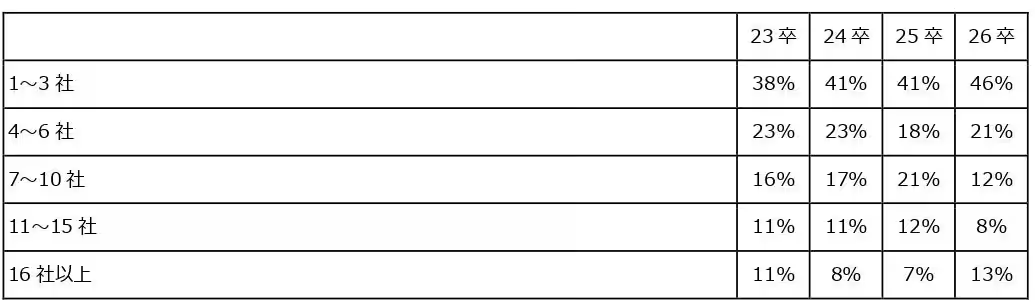
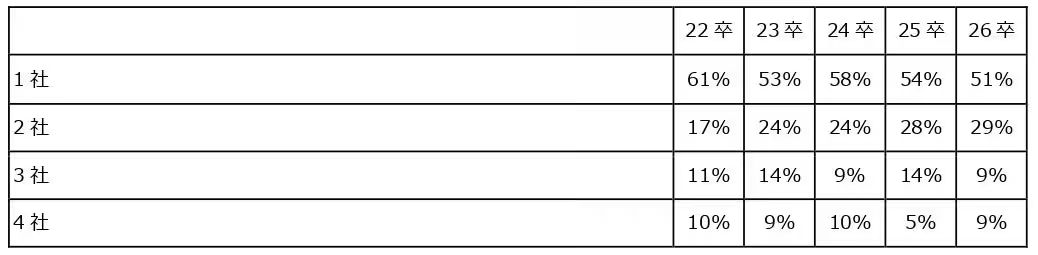
The report indicates that 46% of students applied to only 1-3 companies, significantly rising from previous years. Overall, about 80% of students limited their applications to fewer than ten companies. This trend underscores an overarching strategy among students to carefully select their prospective employers, starkly contrasting with the previously more scattered approach.
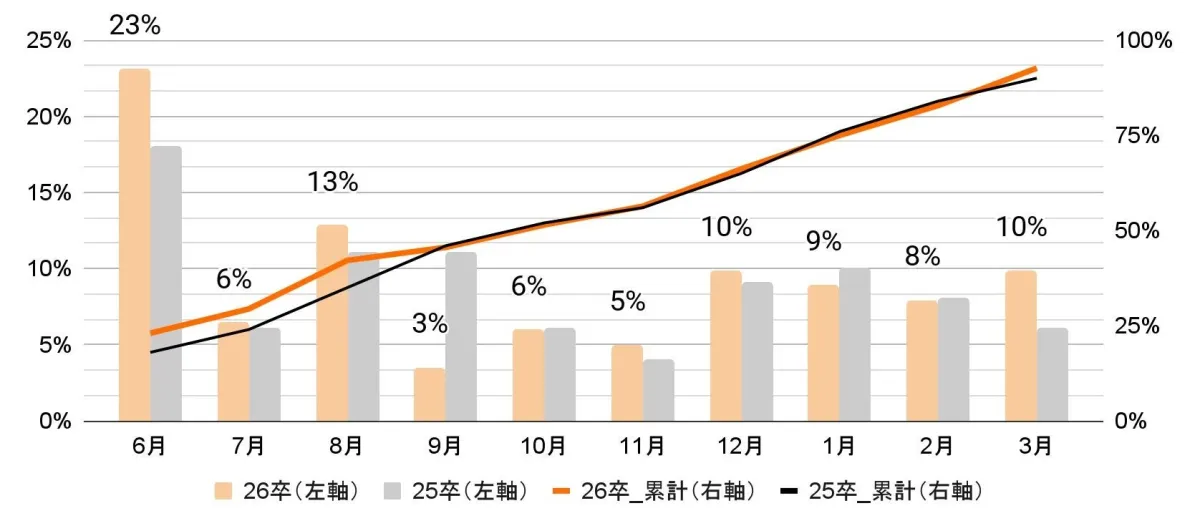
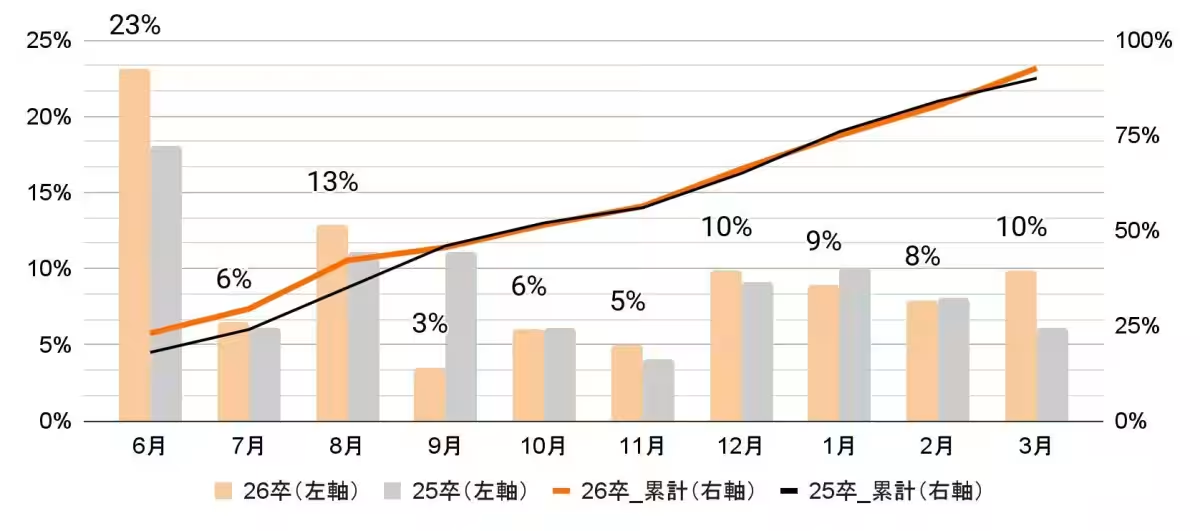
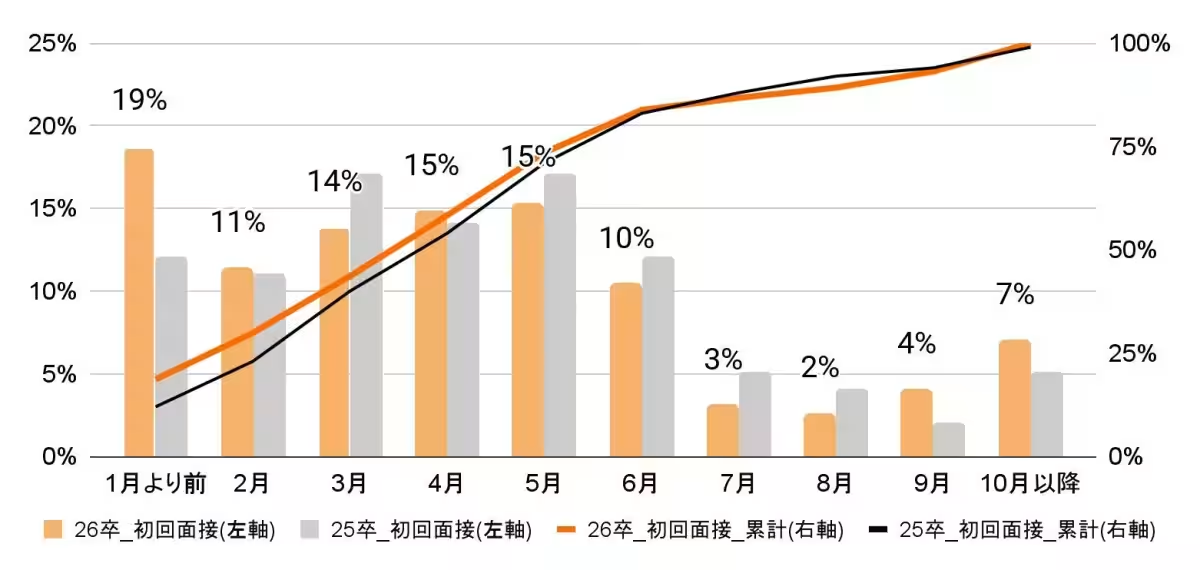
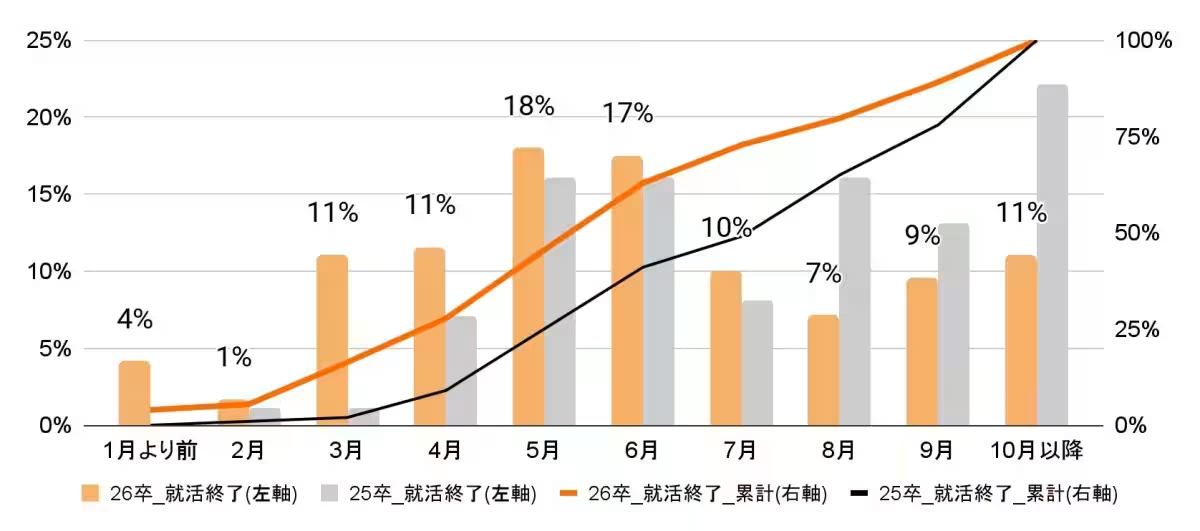
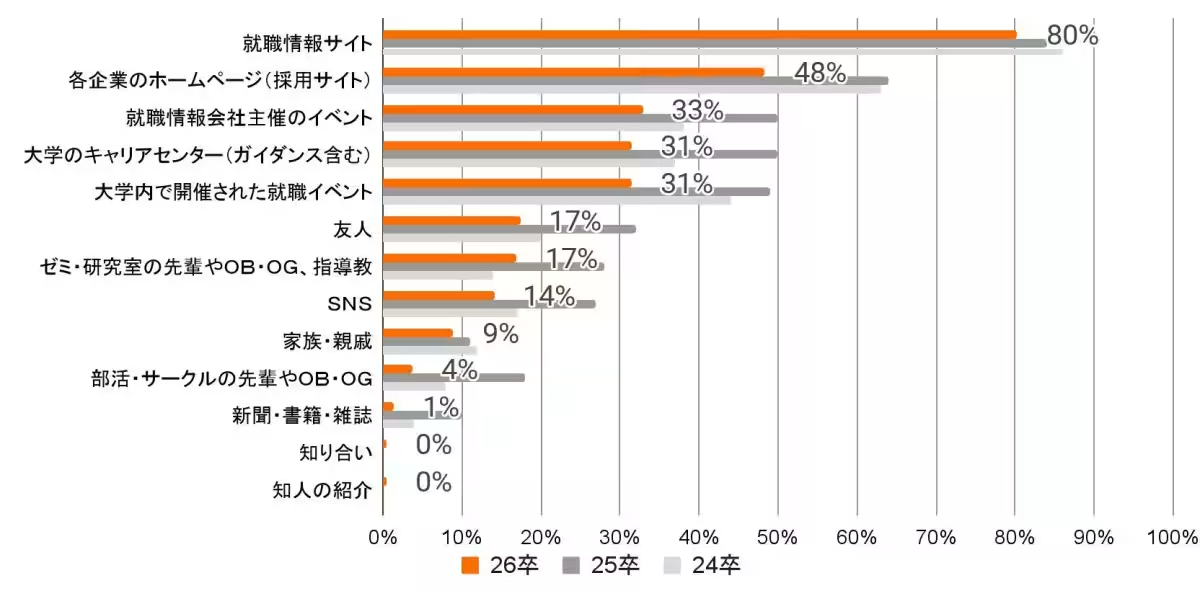
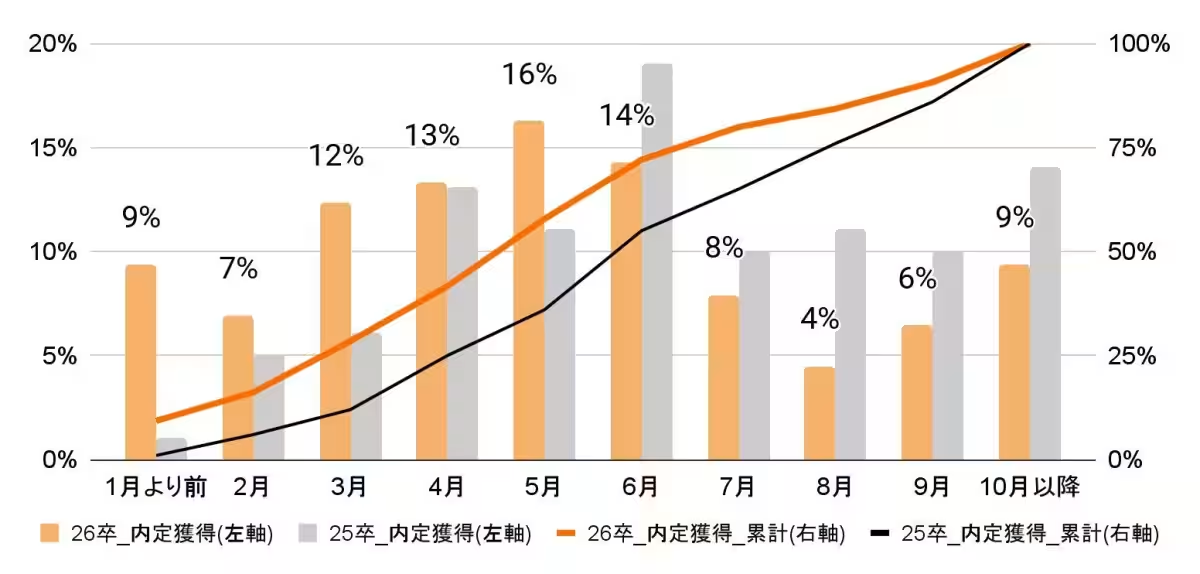
Moreover, the data reveals that job hunting activities have commenced earlier this year. Many students have started attending job-related events by June of their penultimate year, in comparison to previous cohorts, which suggests the recruitment process is evolving toward a year-round approach rather than concentrated into specific hiring seasons.
Factors Influencing Company Selection
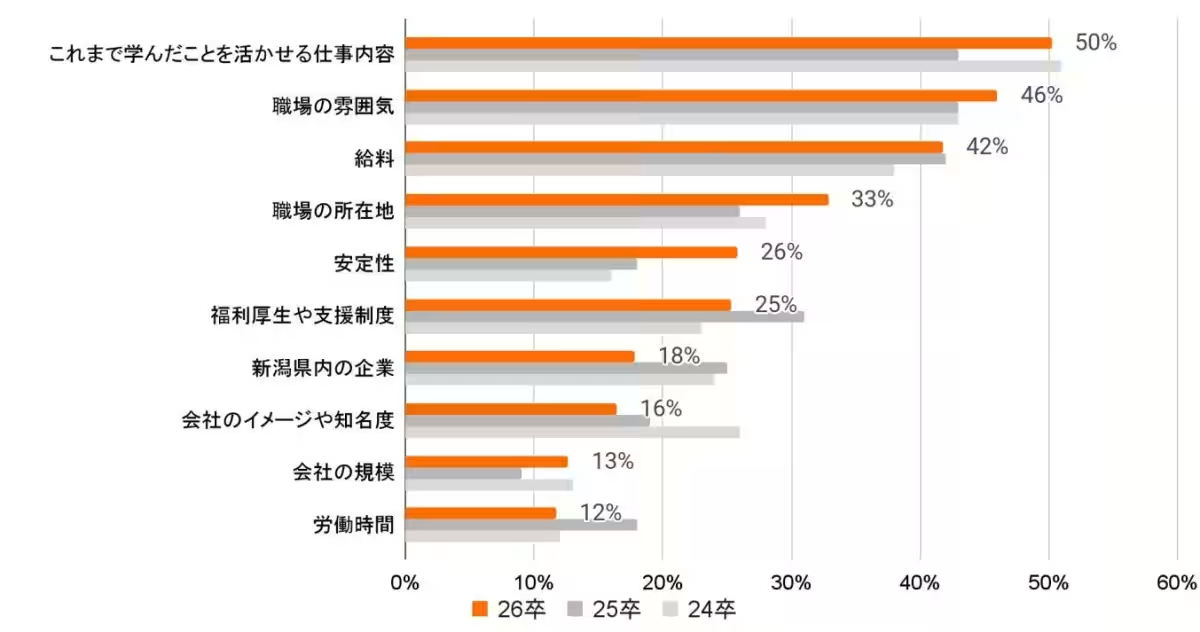
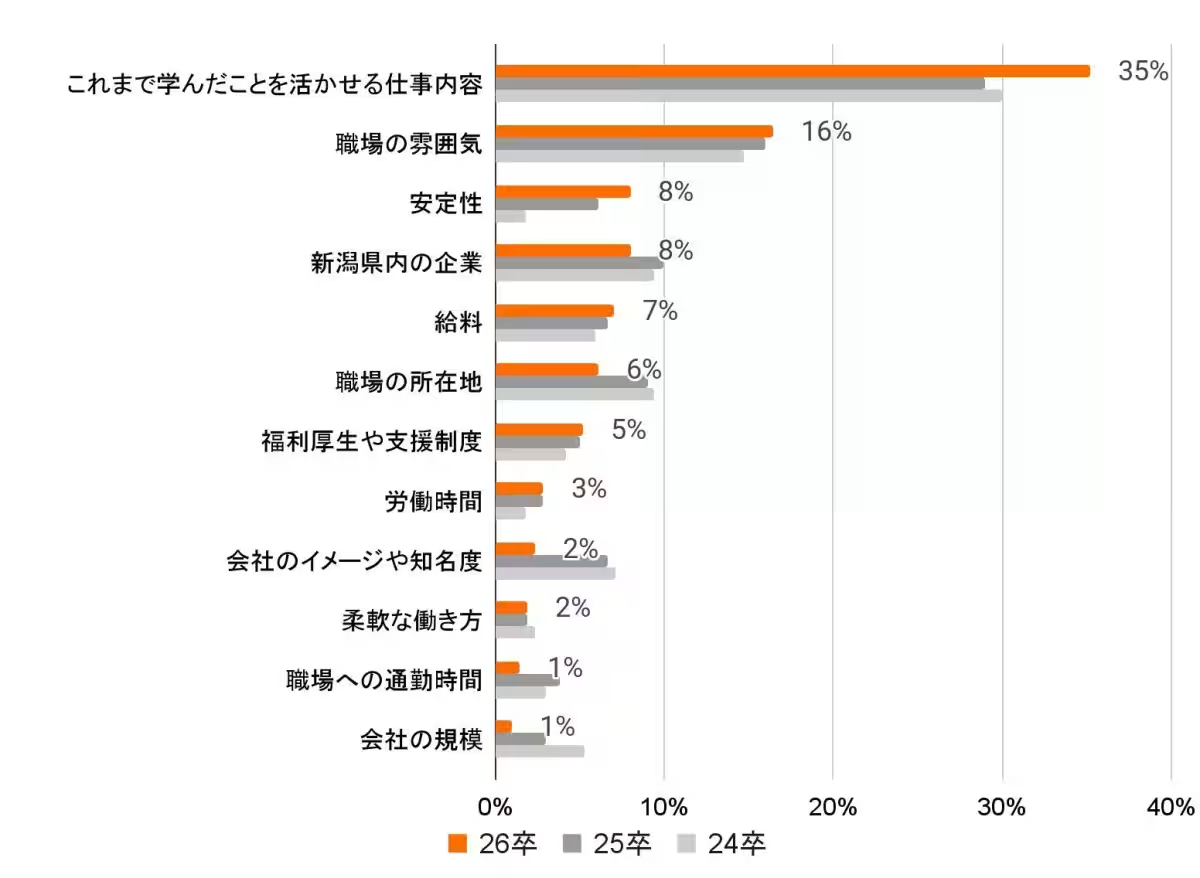
Among the significant factors influencing students' selection of potential employers, the desire to apply what they have learned ranks highest, marking a 6 percentage point increase to 35%. This reflects a burgeoning focus on meaningful work aligned with their academic backgrounds. Following closely, workplace atmosphere and location's convenience have also gained prominence, indicating a comprehensive shift in student priorities.
Interestingly, brand equity, such as local company reputation, has witnessed a decrease in its importance to students, signaling a broader transformation in the values shaping their employment decisions. This calls for businesses to adapt their recruitment strategies to highlight not just the perks but the day-to-day experiences employees can expect.
Importance of Follow-Up for Candidates
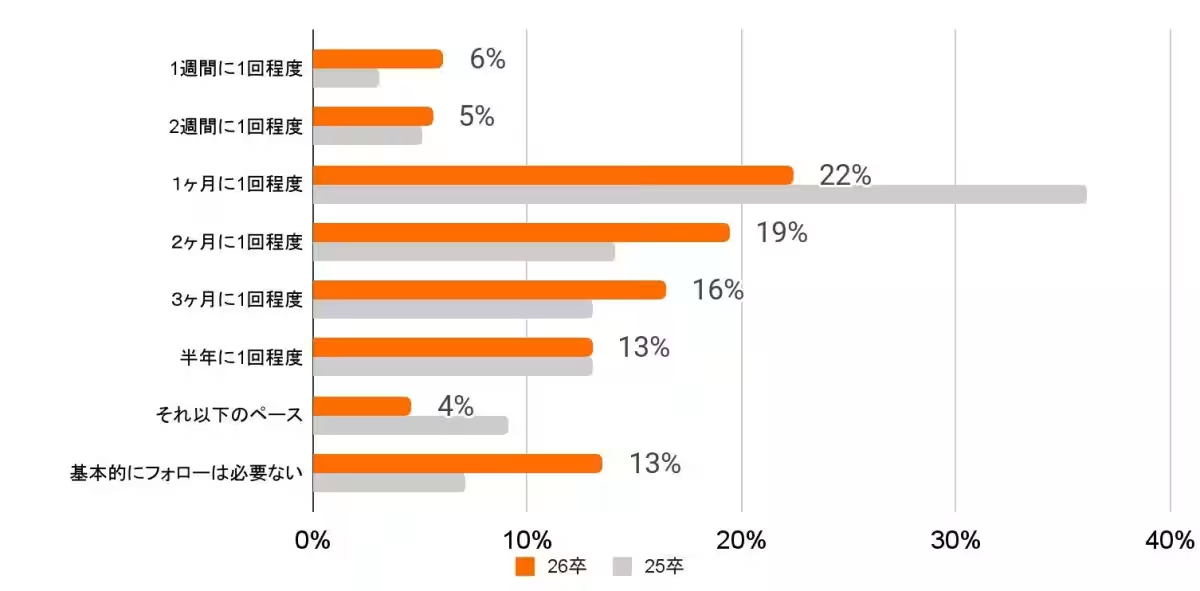
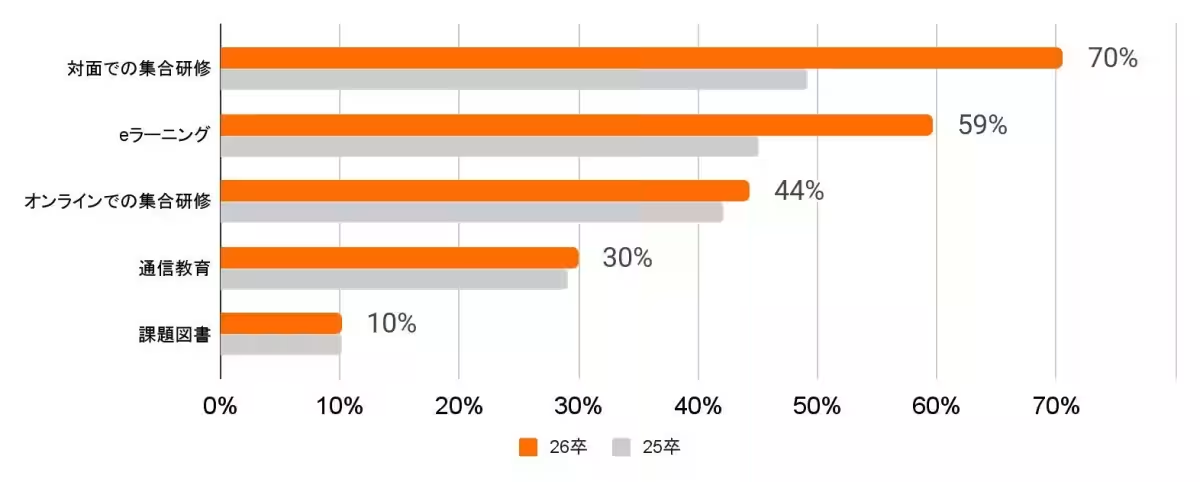
Following acceptance of job offers, feedback from prospective hires indicates a preference for flexible support in the form of consistent follow-ups and varied training methods. Approximately 22% of surveyed students favor monthly check-ins, while others indicate a desire for a more tailored and responsive approach.
Furthermore, students expressed a strong inclination for a balanced mix of online and in-person training, emphasizing the need for a two-way communication framework within such sessions. This balance caters to the students' diverse learning preferences and fosters a deeper engagement with the training process.
Internships: A Crucial Component
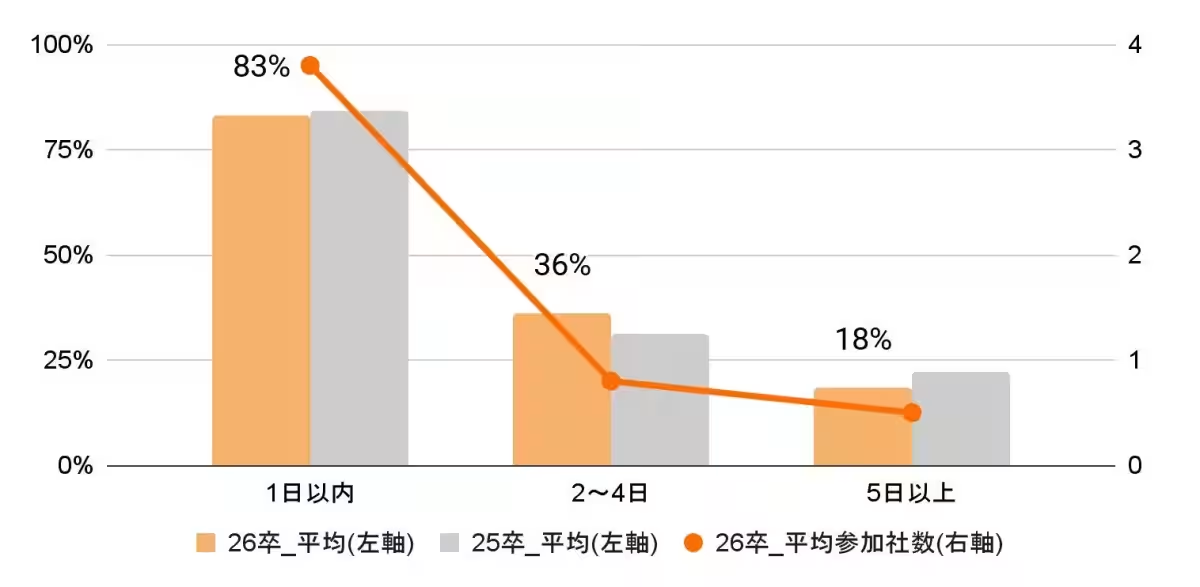
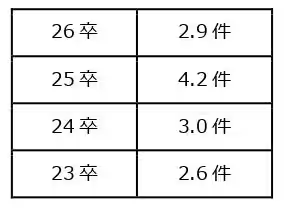
The emphasis on internships has become a critical strategy for students seeking to enhance their employability. An impressive 90% of respondents participated in various internship programs, primarily lasting a single day, and on average attended 3.8 events. This engagement reflects a keen interest in maximizing exposure to potential employers and deepening their industry knowledge.
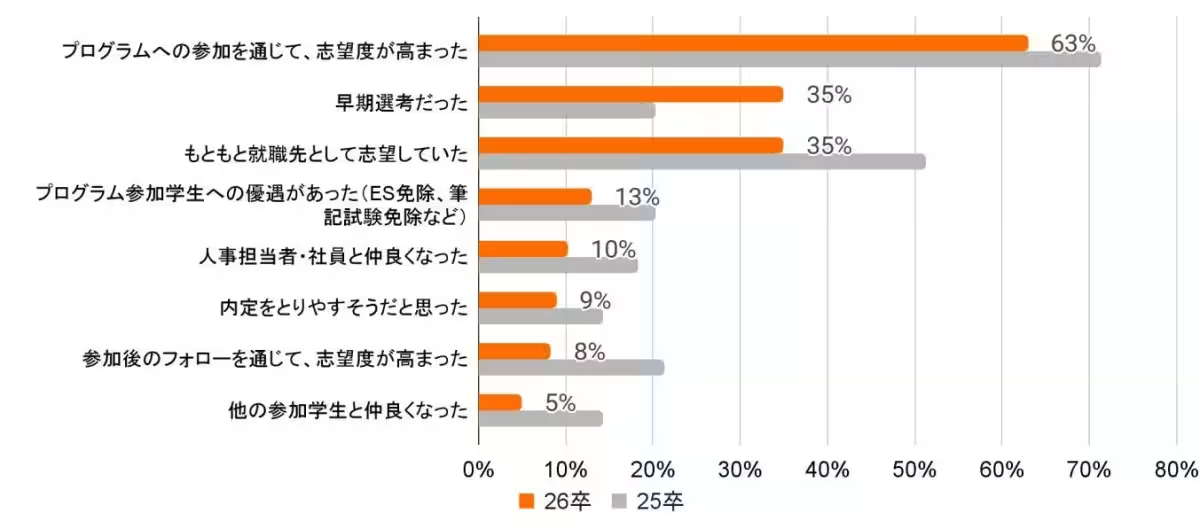
Furthermore, students who participated in internships reported increased interest in applying to those specific companies due to a heightened understanding of workplace dynamics during these experiences. This trend reaffirms the importance of organizations offering such programs as avenues for talent scouting.
Future Considerations for Employers
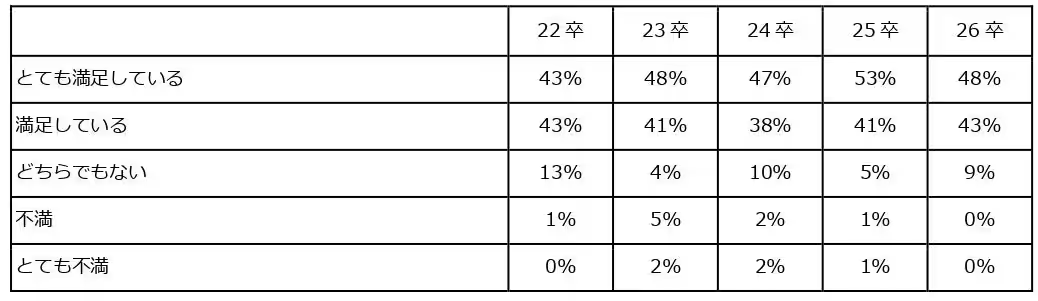
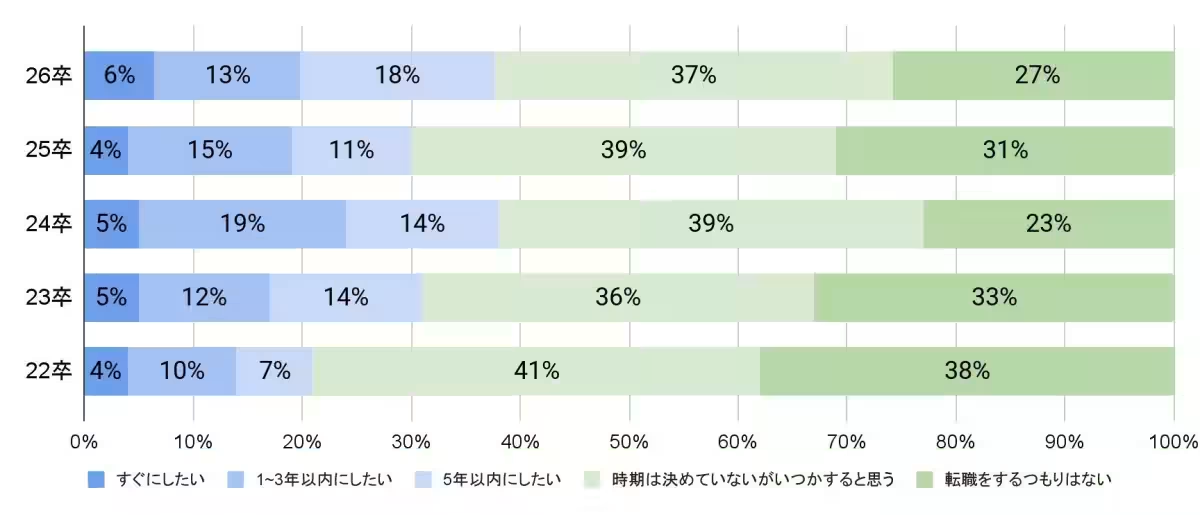
As these trends unfold, institutions and companies should expect continuous shifts in how new graduates engage with the job market. With a notable percentage expressing satisfaction with their job placements, as well as a general trend towards obtaining multiple offers, it is critical for organizations to evolve their onboarding and support systems in line with these preferences. Employers must focus on not just attracting candidates but ensuring their ongoing satisfaction and career development, capturing the attention of candidates who are already anticipating their next career move.
In conclusion, as Niigata's job market evolves, adapting to these changing dynamics will be essential for businesses aiming to attract and retain the top talent coming from the region's educational institutions.

Topics Business Technology)
【About Using Articles】
You can freely use the title and article content by linking to the page where the article is posted.
※ Images cannot be used.
【About Links】
Links are free to use.