



Unlocking Value in Senior Care: A Look at Senior Caregivers' Insights and Experiences
Unlocking Value in Senior Care: A Look at Senior Caregivers' Insights and Experiences
In an increasingly aging society, the demand for caregiving services has witnessed a significant rise. Recently, Nichii Gakkan Co., a leading provider of medical, nursing, and childcare services in Japan, conducted a survey to understand the experiences of senior caregivers aged 50 and above. The survey aimed to shed light on their motivations, challenges, and successes in the caregiving profession.
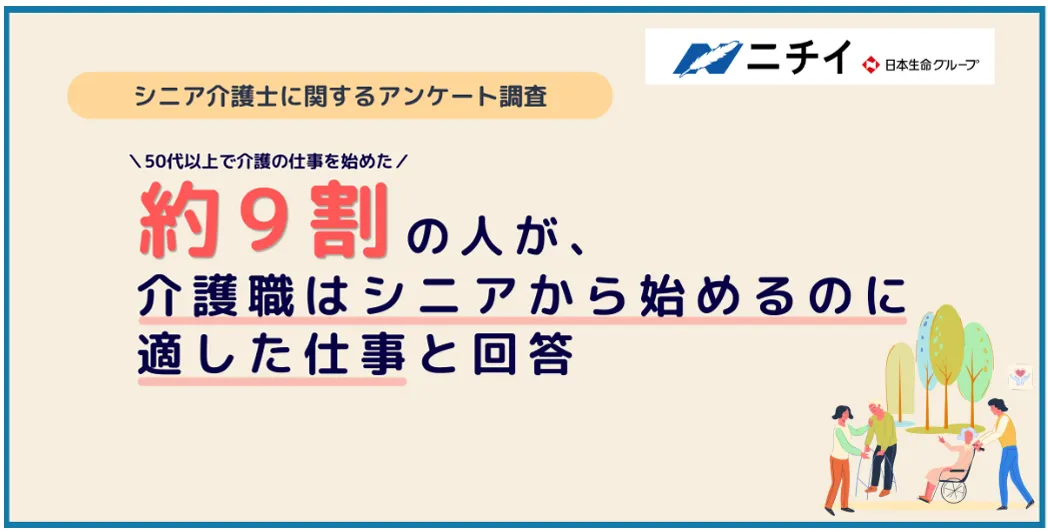
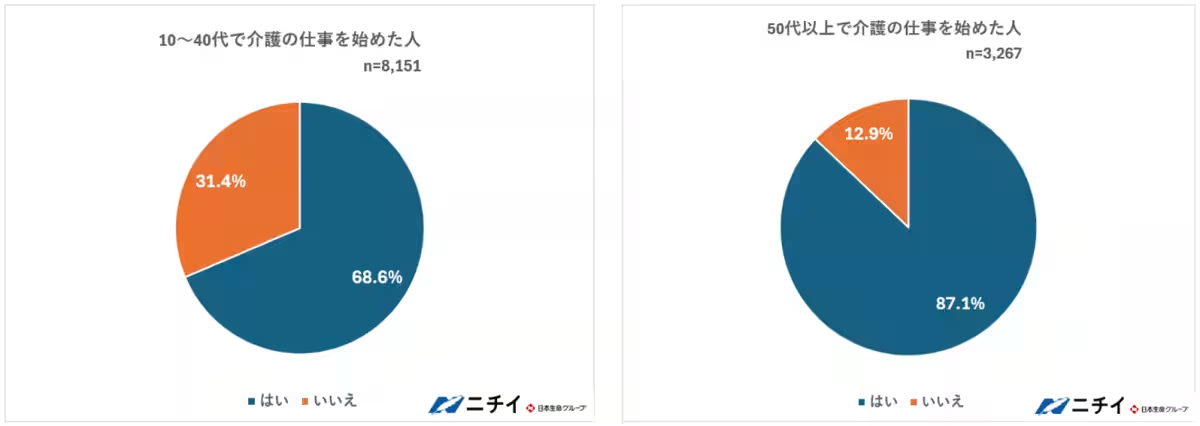
According to the findings, approximately 90% of senior caregivers believe that caregiving is an ideal job for those starting their careers later in life. This belief underscores the growing acceptance and necessity of having older individuals in the workforce, particularly in roles that require empathy and life experience.
Key Survey Insights
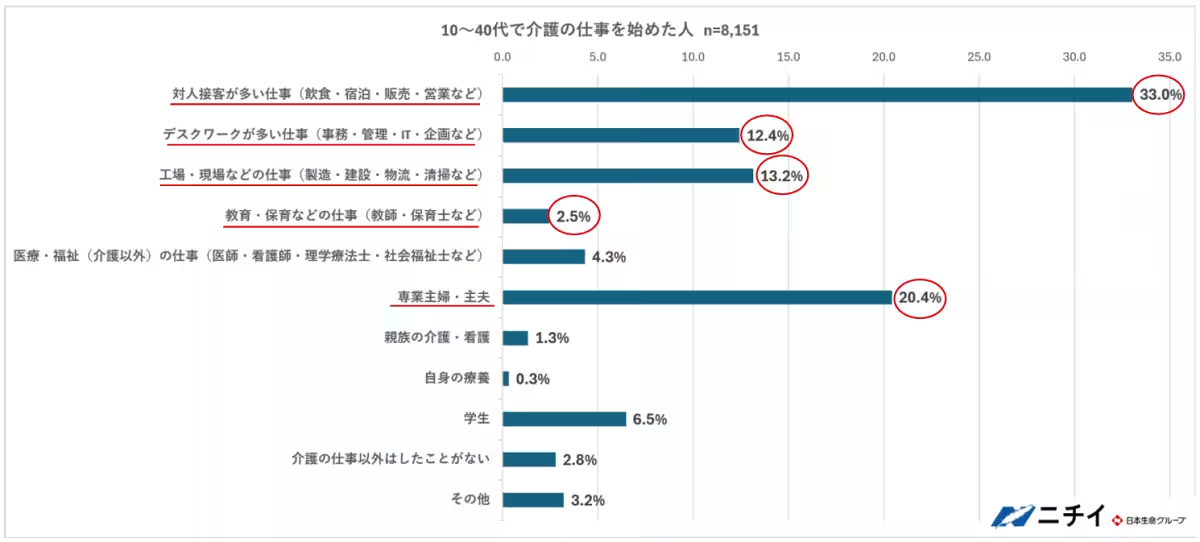
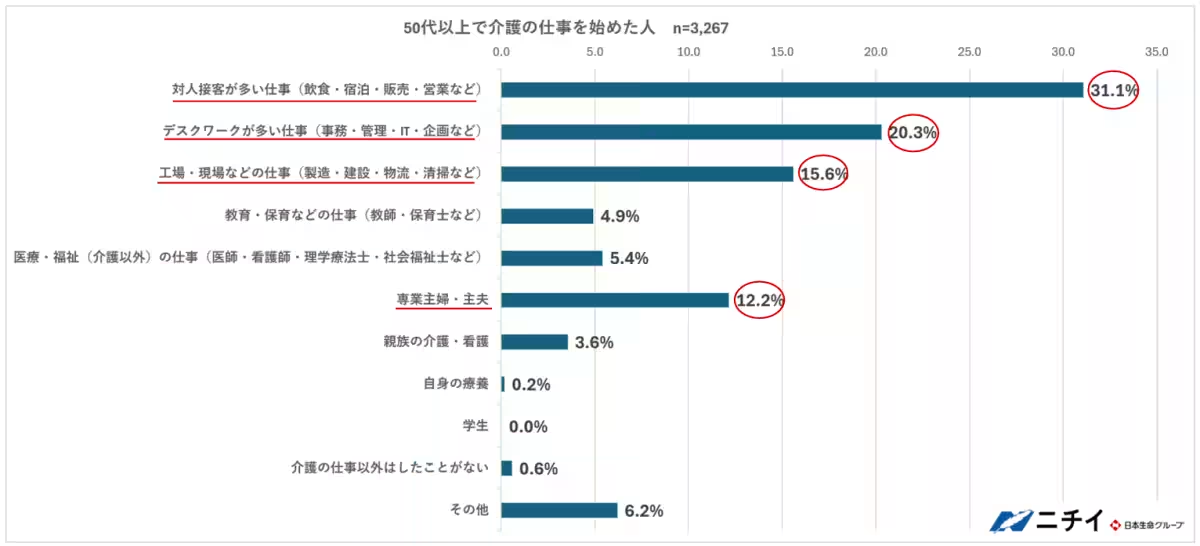
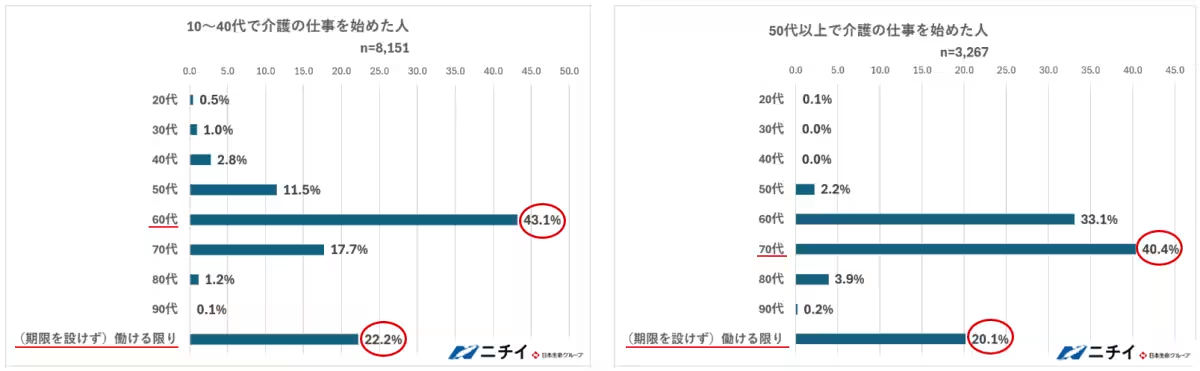
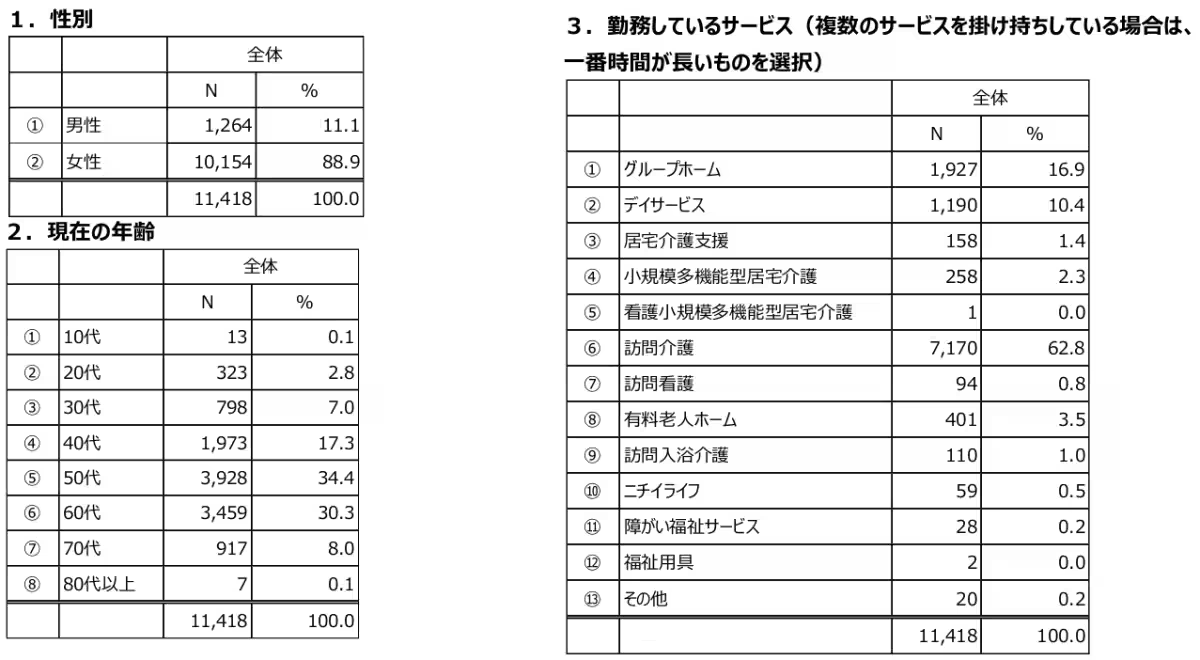
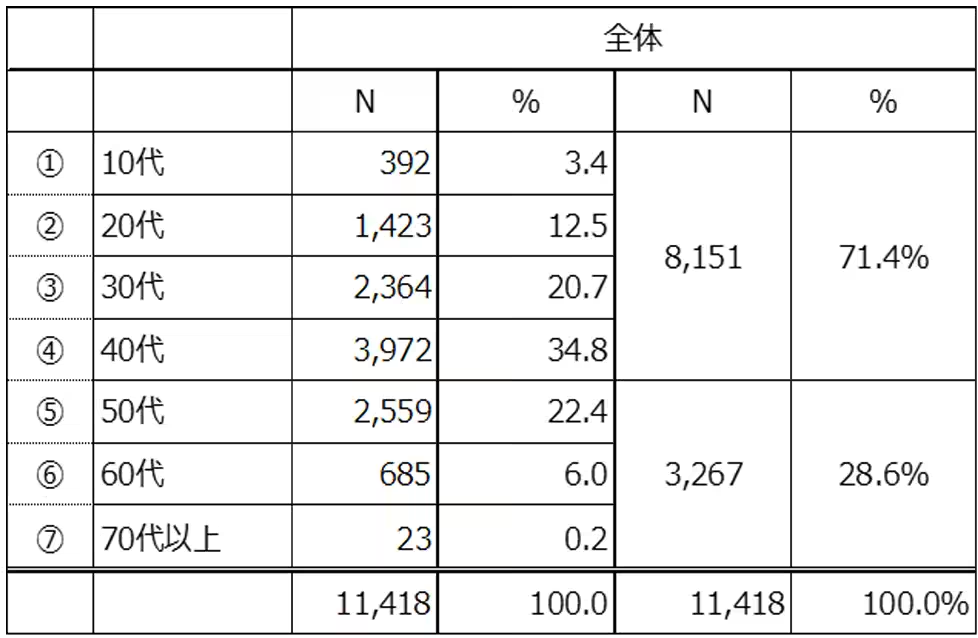
The survey comprised responses from over 11,000 caregiving staff at Nichii Gakkan, specifically focusing on those who embarked on their caregiving careers after turning 50. Here are some notable insights:
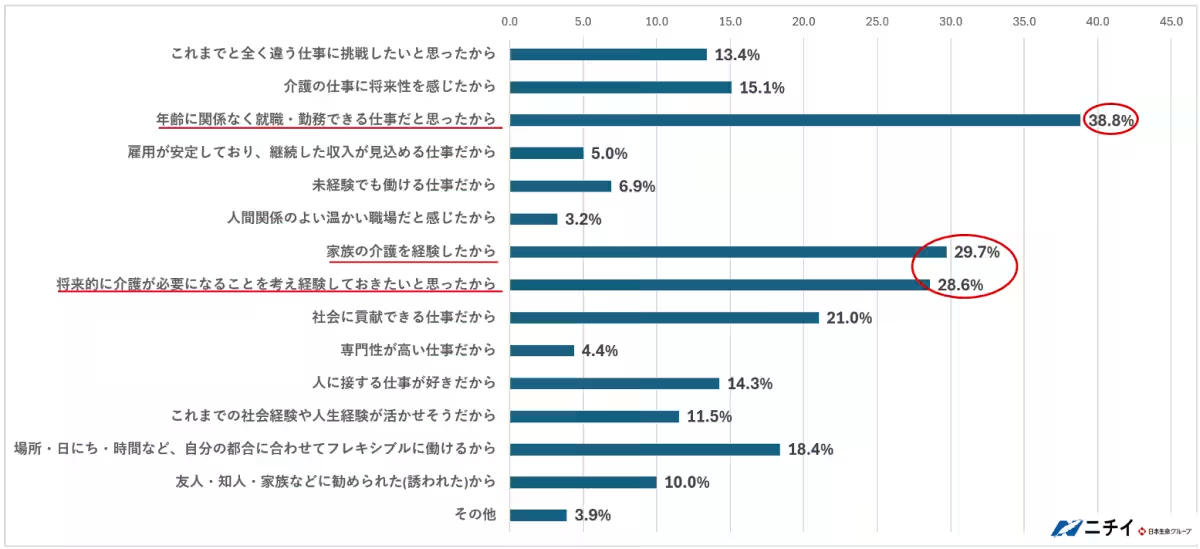
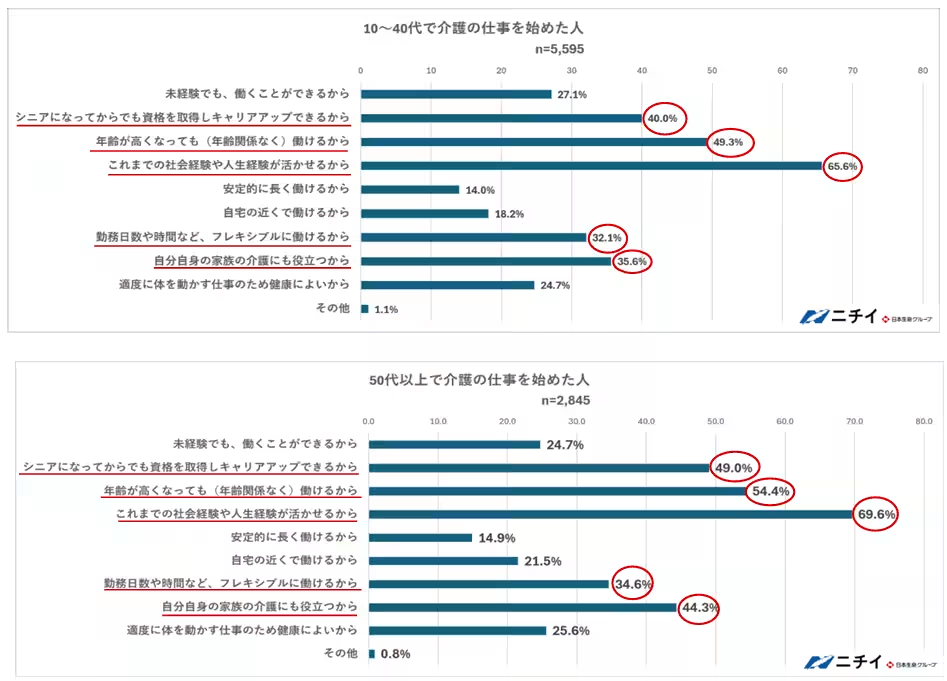
1. Motivations for Choosing Caregiving: The top reason for choosing caregiving, cited by nearly 40% of respondents, was the job's flexibility, allowing individuals to work regardless of age. Additionally, many chose this profession due to personal experiences with family caregiving or considerations for their future needs.
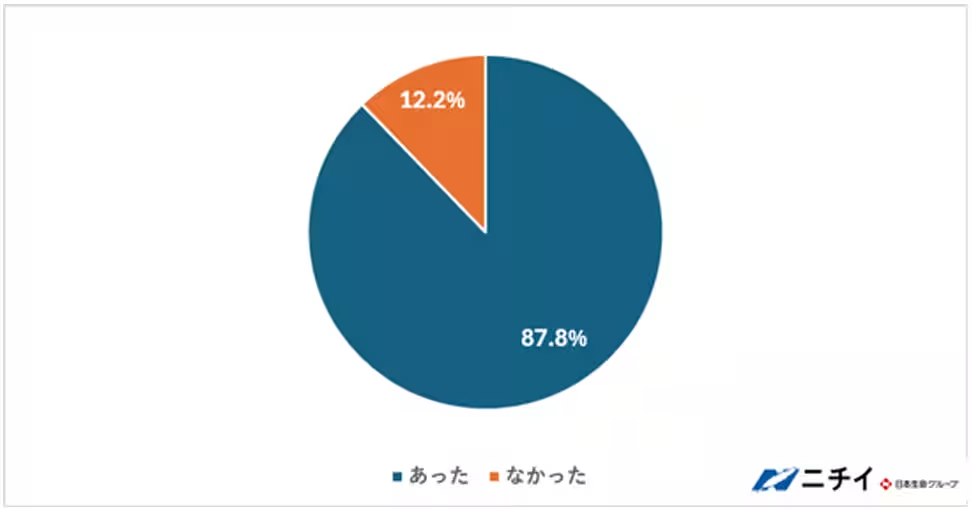
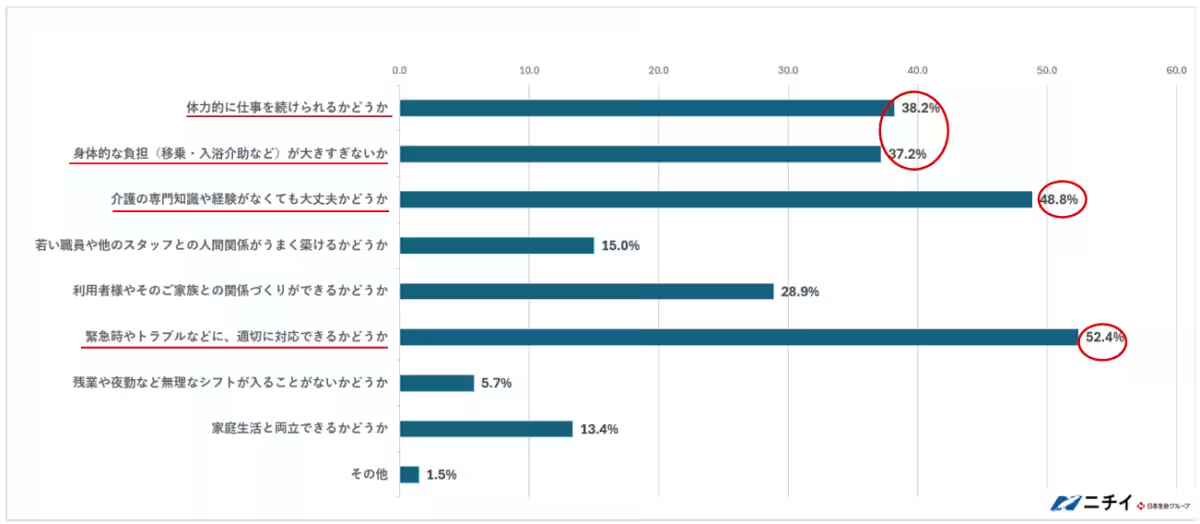
2. Initial Anxieties: A staggering 90% reported feeling anxious when they first started their caregiving roles. Common concerns included handling emergencies and the fear of lacking sufficient knowledge in the field.
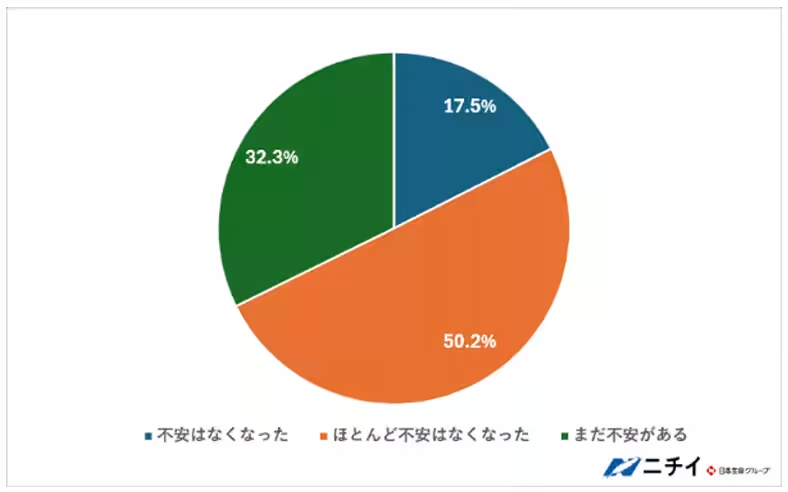
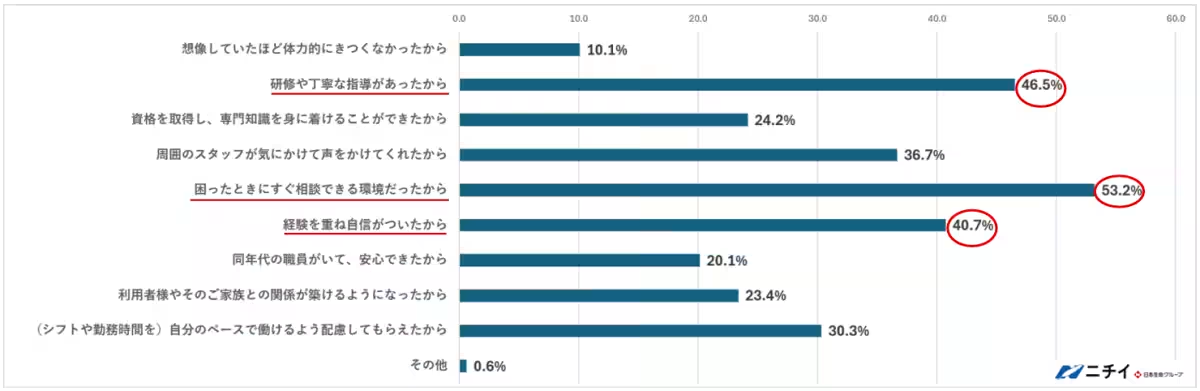
3. Overcoming Challenges: Encouragingly, approximately 70% of those who initially felt anxious indicated that their fears had dissipated over time. The support network available at their workplaces, which encouraged open communication and thorough training, played a crucial role in alleviating their concerns.
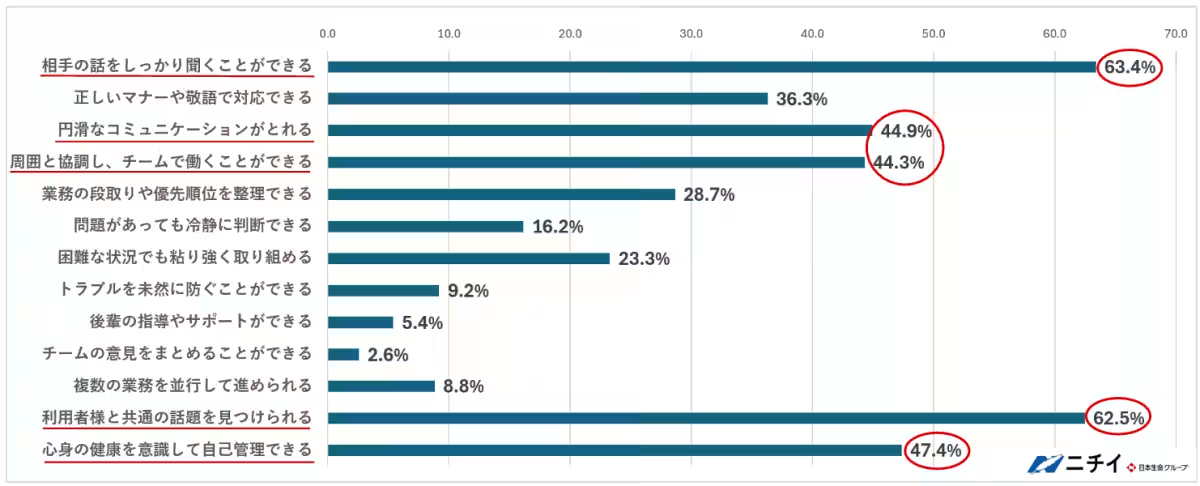
4. Leveraging Life Experience: One of the most significant strengths identified among senior caregivers was their ability to relate to clients through shared experiences. Over half of the respondents emphasized their proficiency in communication, patience, and emotional intelligence, qualities honed through their life journeys.
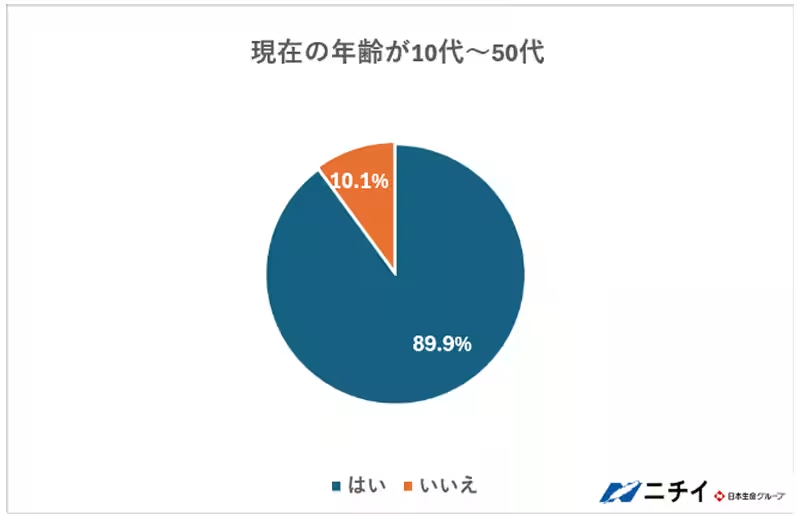
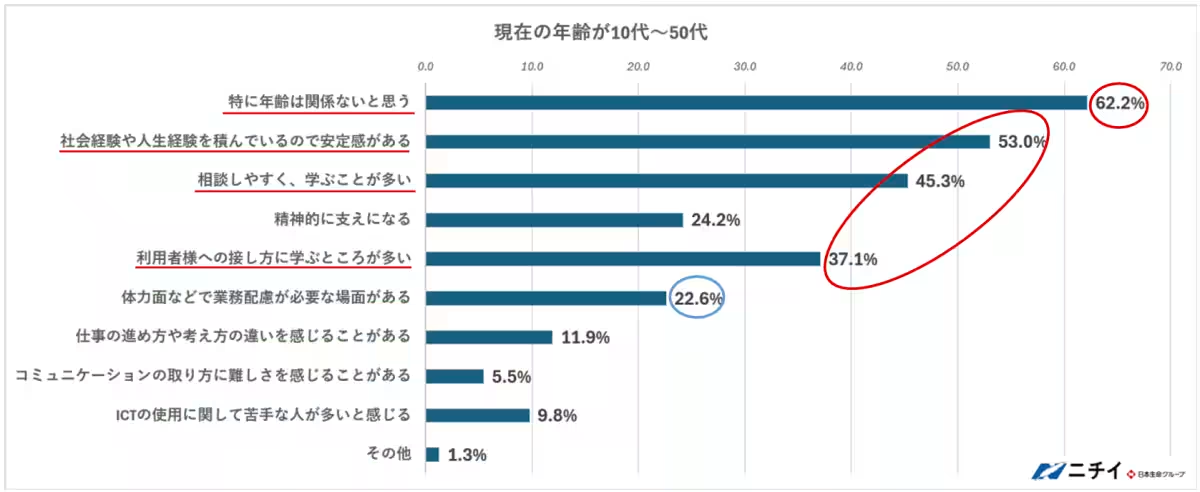
5. Perceptions from Younger Colleagues: The survey also revealed that younger caregivers view their senior counterparts positively. Many appreciated the stability and knowledge that older colleagues brought to their teams, reiterating that age should not be a barrier in the workplace.
The Future of Senior Caregiving
As the survey illustrates, caregiving not only welcomes seniors into the workforce but thrives on the unique perspectives they bring. For those considering a transition into this field, the messages from current senior caregivers are encouraging. Their insights highlight that the profession is fulfilling, allows individuals to utilize their past experiences, and emphasizes the importance of lifelong learning and adaptability.
Nichii Gakkan has taken constructive steps to enhance the workplace for senior caregivers. Recent policy changes, including adjusting the retirement age and offering extended reemployment options, underscore the commitment to creating a supportive environment where everyone can thrive.
Conclusion
The landscape of senior caregiving is evolving, with the increasing participation of older individuals setting a precedent for future generations. As the industry continues to adapt, it is essential to recognize and value the contributions of senior caregivers who have much to offer. Through shared experiences and enhanced support systems, caregiving can be a rewarding career choice for those entering their second act in life.
At Nichii Gakkan, the aim is to foster an inclusive environment that benefits everyone involved — caregivers and clients alike. Indeed, there is no age limit to making a difference in the lives of others.
Topics Health)
【About Using Articles】
You can freely use the title and article content by linking to the page where the article is posted.
※ Images cannot be used.
【About Links】
Links are free to use.