



The Current State of Applicant Tracking Systems in Japan: Automation and Satisfaction Levels Revealed
The Current State of Applicant Tracking Systems in Japan: Insights from a Survey
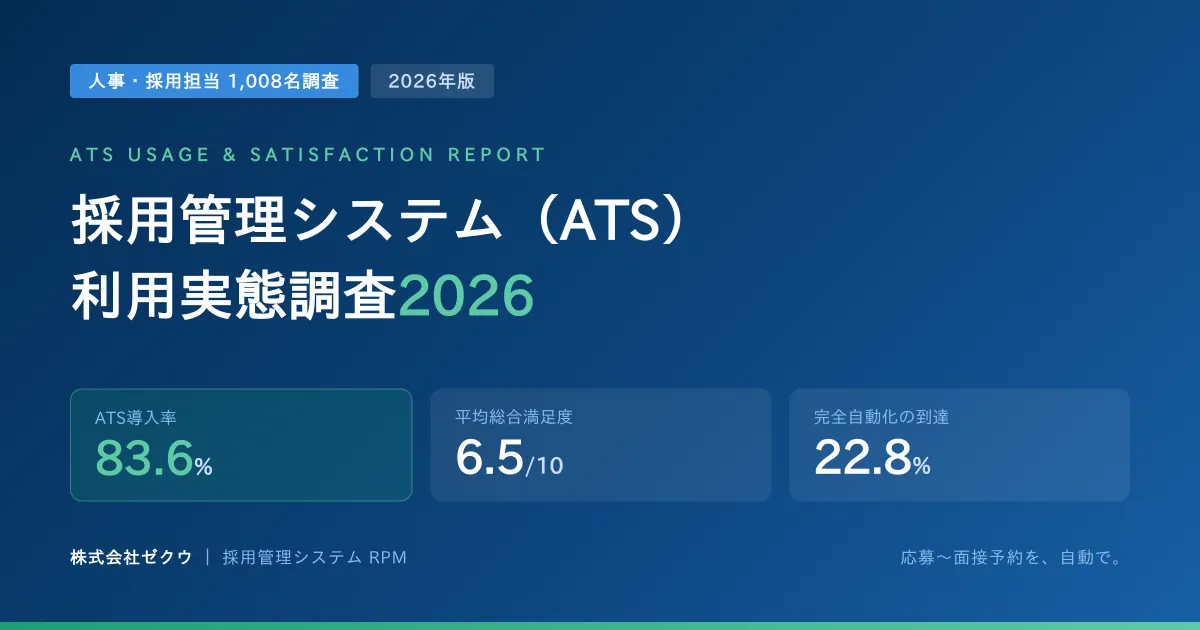
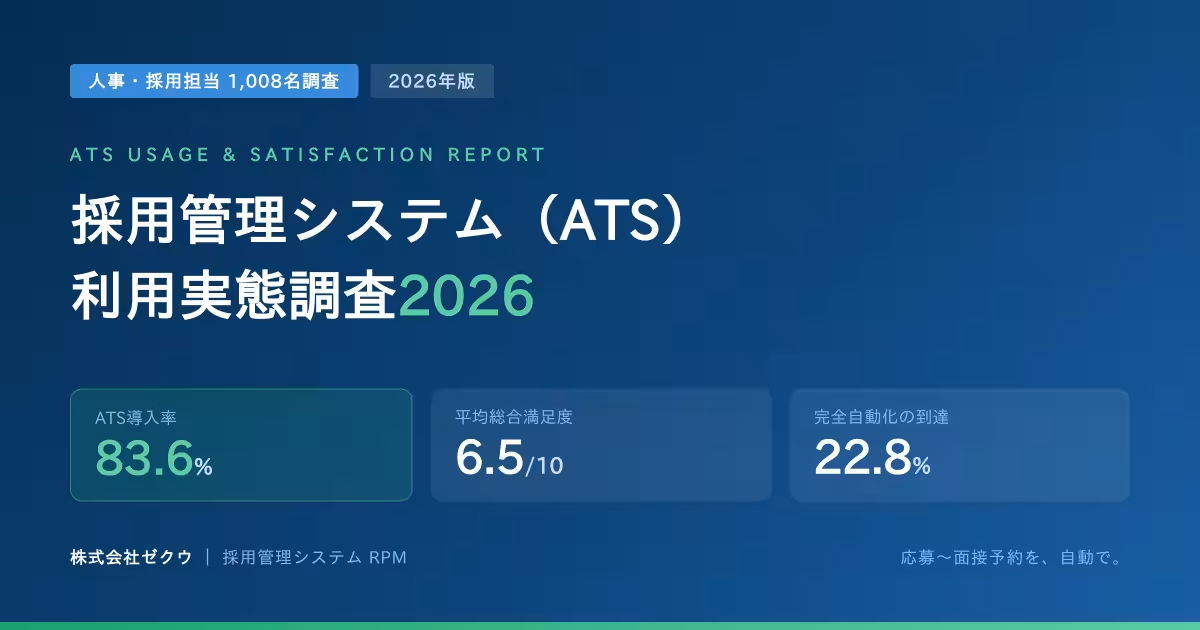
In a recent survey conducted by Zeku Inc. in Tokyo, Japan, over 1,000 HR personnel involved in hiring practices were asked about their experience with Applicant Tracking Systems (ATS). The survey, titled '2026 ATS Utilization Survey – Changes in Satisfaction and Selection Criteria of Major ATS,' revealed that while a significant 83.6% of companies have adopted ATS, only 22.8% have achieved full automation in their hiring processes.
The findings come at a time when Japan faces a declining workforce, leading to intensified competition among companies for talent. Despite the widespread adoption of ATS, many organizations still rely on manual processes, with numerous respondents mentioning challenges such as insufficient responses during evenings and weekends.
Survey Overview
- - Survey Name: 2026 ATS Utilization Survey
- - Duration: March 3-5, 2026
- - Method: Internet survey by PRIZMA
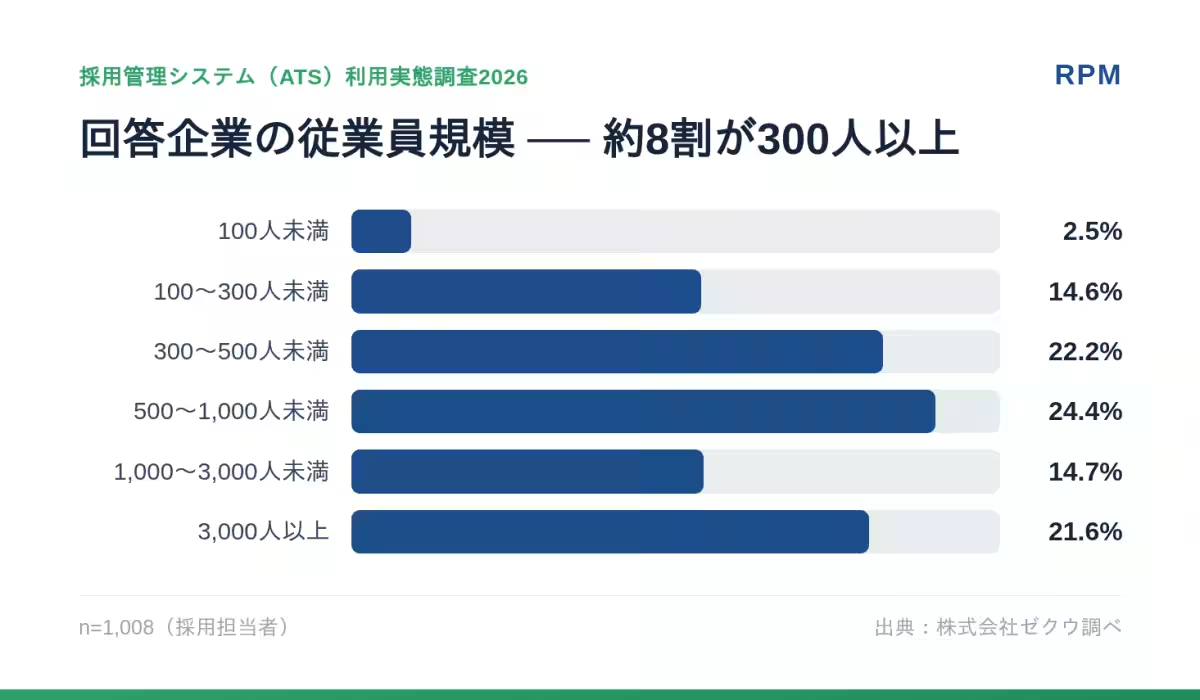
- - Participants: 1,008 HR personnel from companies involved in new graduate and mid-career recruitment
- - Source: Zeku Inc.
The purpose of the survey was to assess how organizations utilize ATS, their satisfaction with various functionalities, and their automation rates in recruitment systems. One notable statistic shows that about 80% of companies continue to depend on manual tasks for applicant management. This indicates a significant bottleneck in the recruitment process, highlighting an urgent need for operational efficiency.
Key Findings
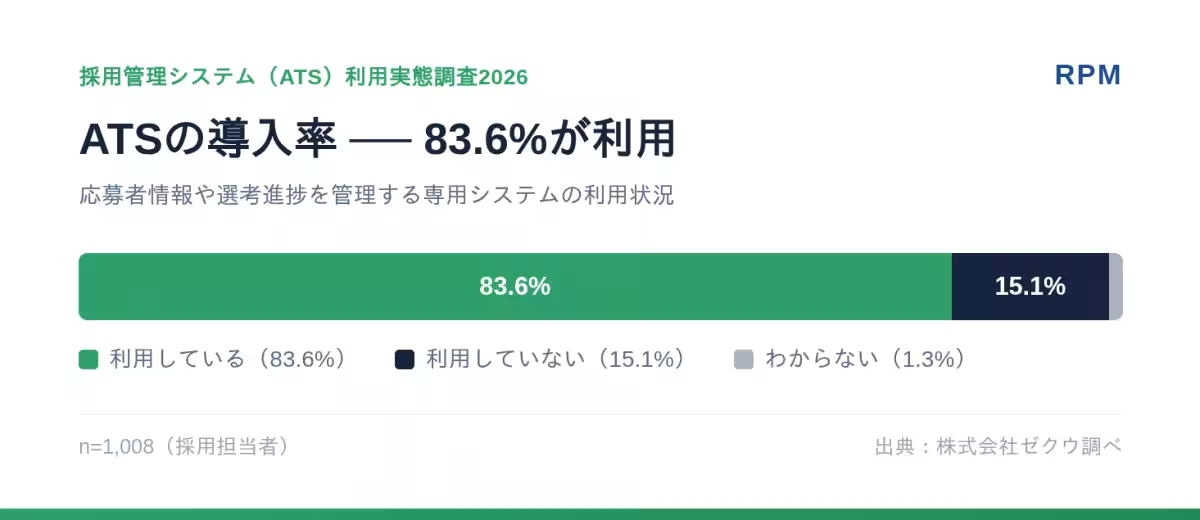
1. ATS Adoption Rate: An impressive 83.6% of surveyed companies reported using ATS, indicating solid infrastructure within hiring operations. Only a small percentage (15.1%) managed applicants using spreadsheets or emails.
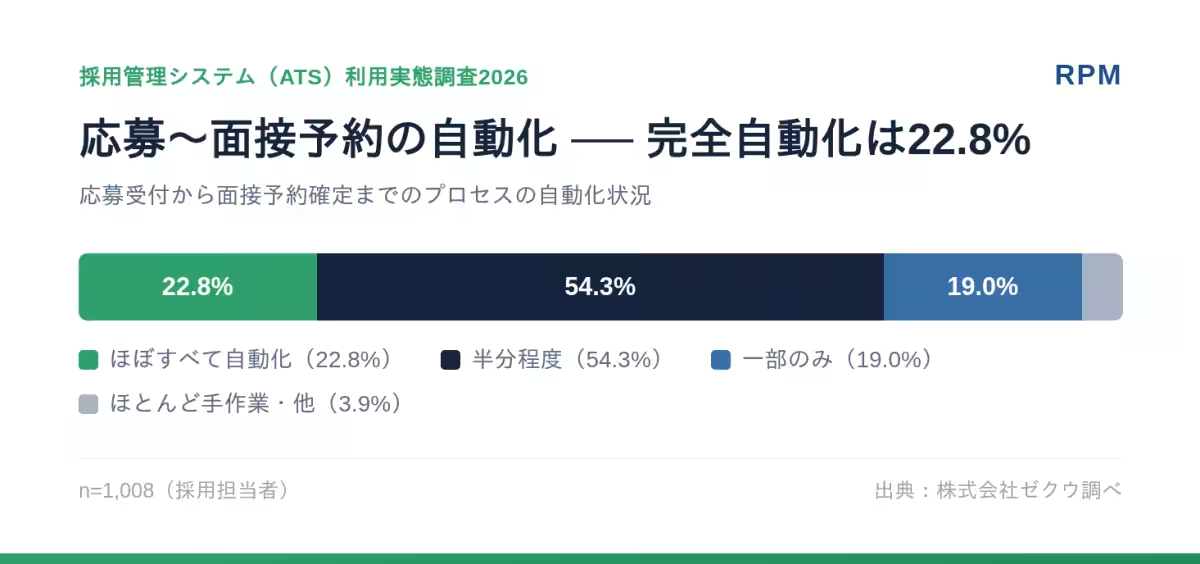
2. Level of Automation: The survey revealed that only 22.8% of companies have completely automated the application to interview scheduling process. Additionally, while 54.3% reported partial automation, 19% indicated that automation was minimal, leaving much room for manual intervention.
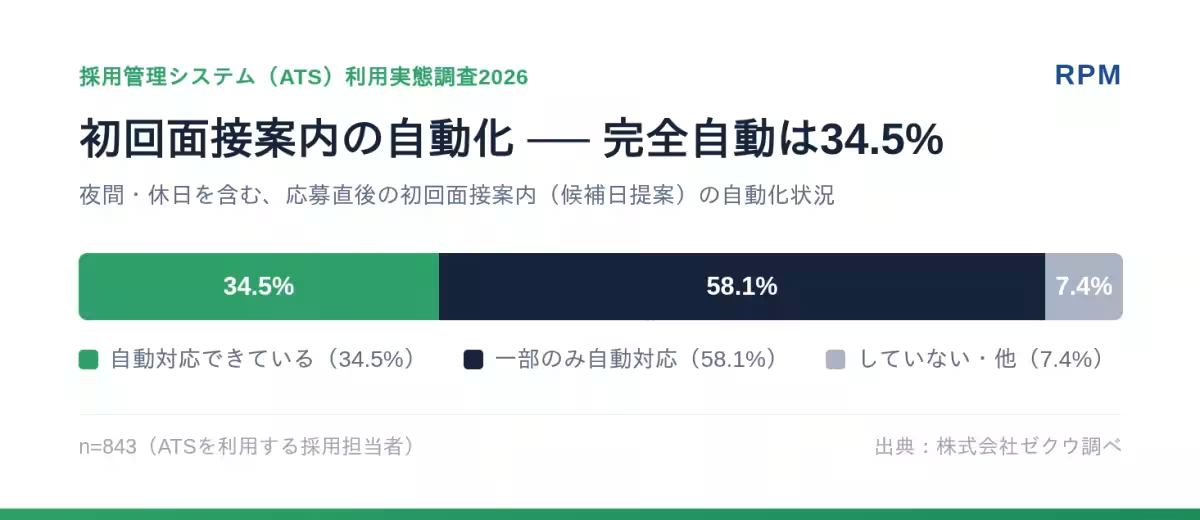
3. Initial Interview Automation: Notably, the complete automation of initial interview scheduling responses, including weekend and night-time queries, was achieved by 34.5% of businesses, underscoring potential improvements in initial candidate interactions.
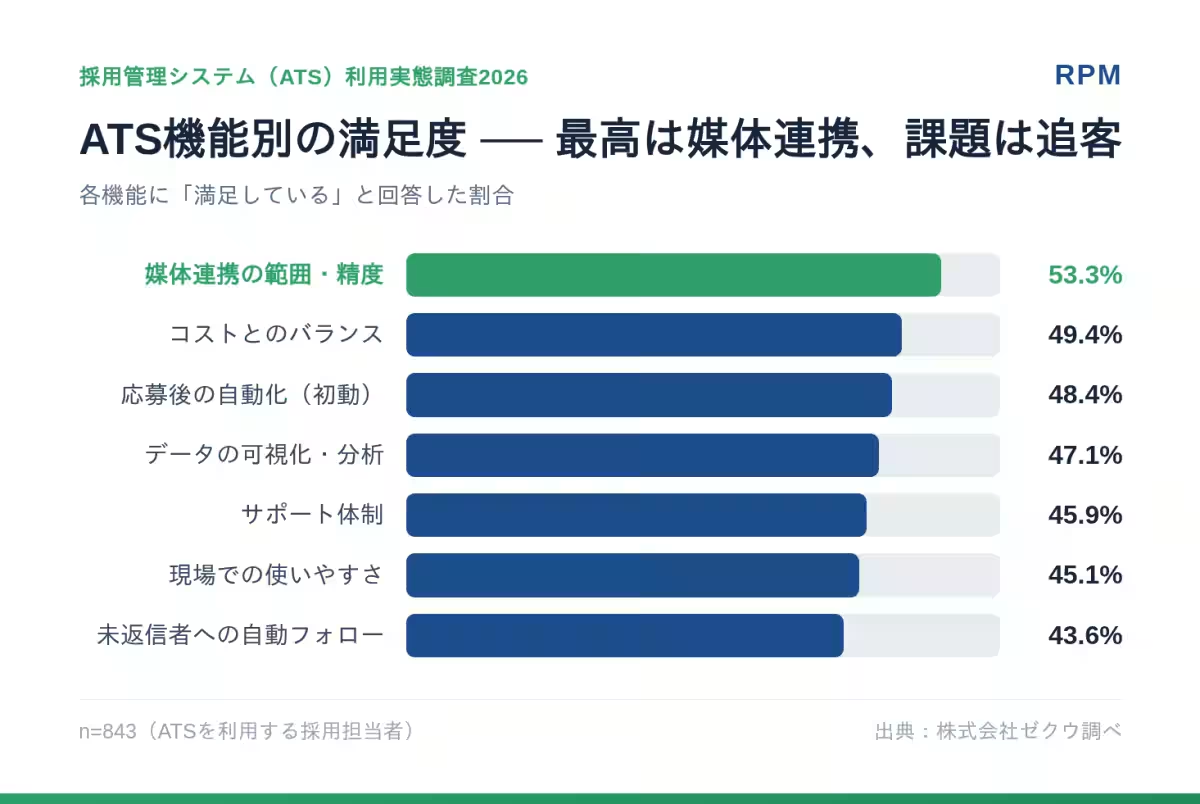
4. Satisfaction Ratings: The overall satisfaction rating for ATS platforms stood at an average of 6.5 out of 10. The highest satisfaction came from the 'integration with media' at 53.3%, while features like automatic follow-up to non-responders had the lowest rating at 43.6%.
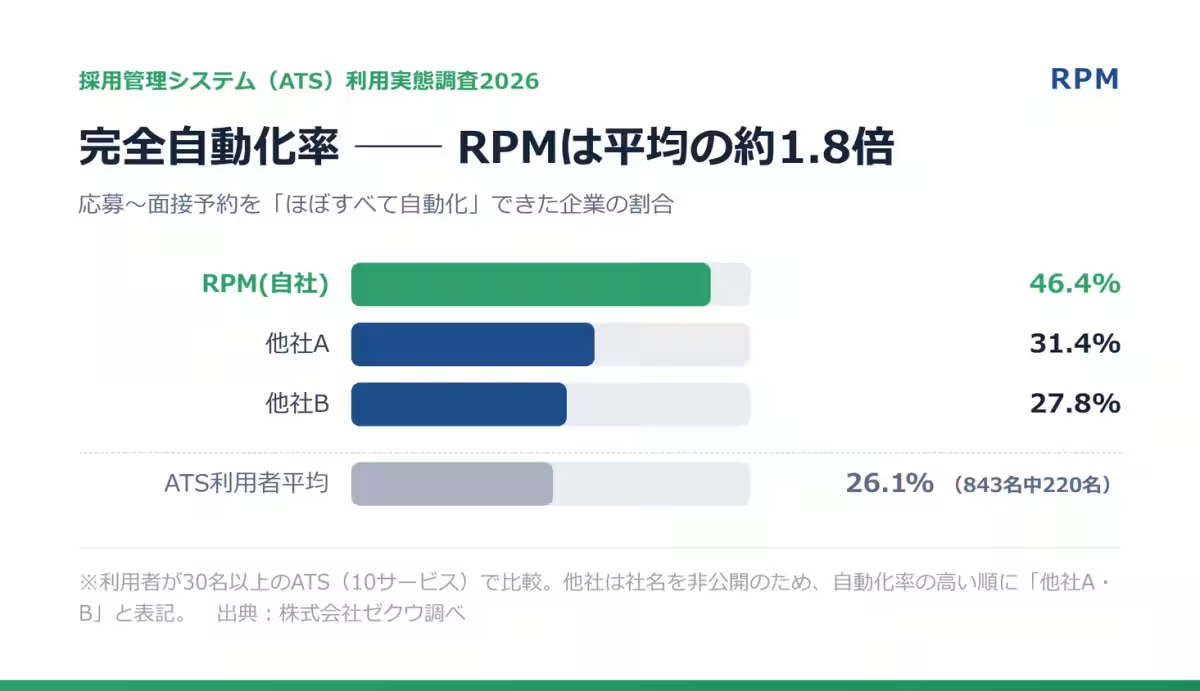
5. Automation by ATS Type: Among the various systems, RPM stood out as the best-performing ATS with a full automation rate of 46.4%. This statistic highlights significant discrepancies in automation capabilities based on the ATS chosen by the organization, indicating that system selection greatly impacts efficiency.
Conclusion
The survey indicates that while ATS systems are commonly implemented across the board, many companies still grapple with integrating fully automated solutions into their hiring processes. The data suggest a shift from merely adopting ATS technologies to critically evaluating how much of the recruitment process can be automated effectively. As companies continue to compete for talent, focusing on automating repetitive tasks could allow HR professionals to concentrate on more strategic aspects of recruitment, such as candidate assessment and relationship building.
Further Reading
For more detailed insights, access the complete survey report and additional resources regarding ATS automation and best practices at Zeku's official website.
Topics Business Technology)
【About Using Articles】
You can freely use the title and article content by linking to the page where the article is posted.
※ Images cannot be used.
【About Links】
Links are free to use.