



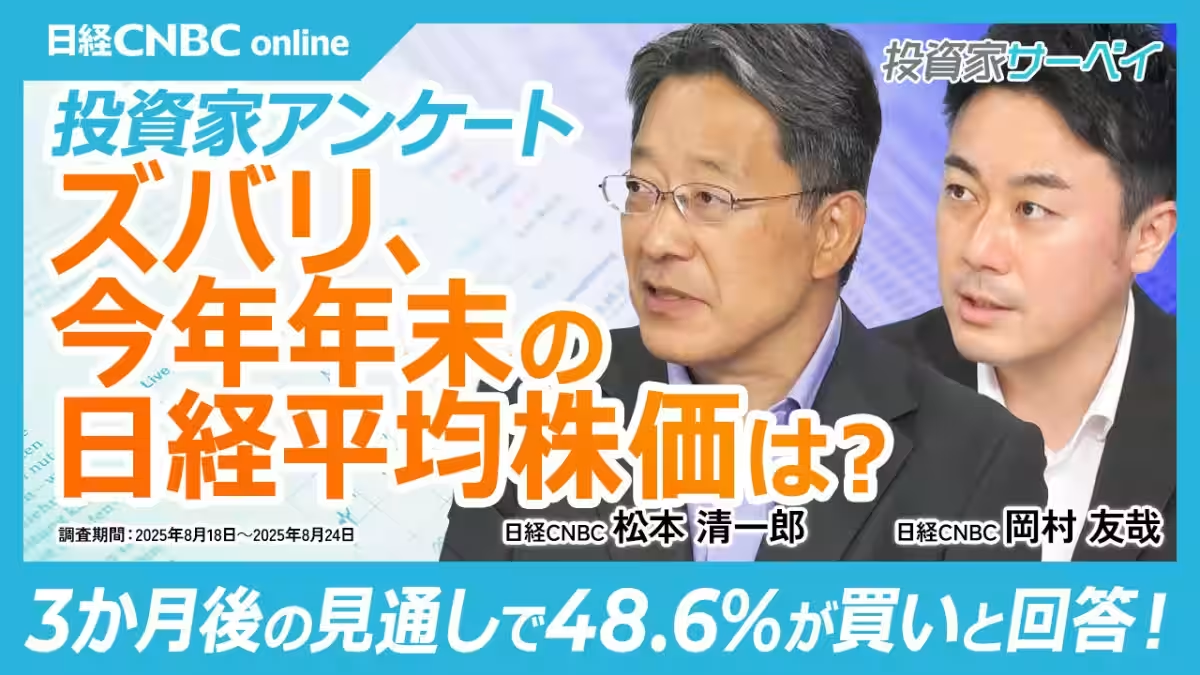
Venture Predictions for Japan's Year-End Nikkei Average Revealed by Investor Survey
Overview of the Nikkei Average Investor Survey
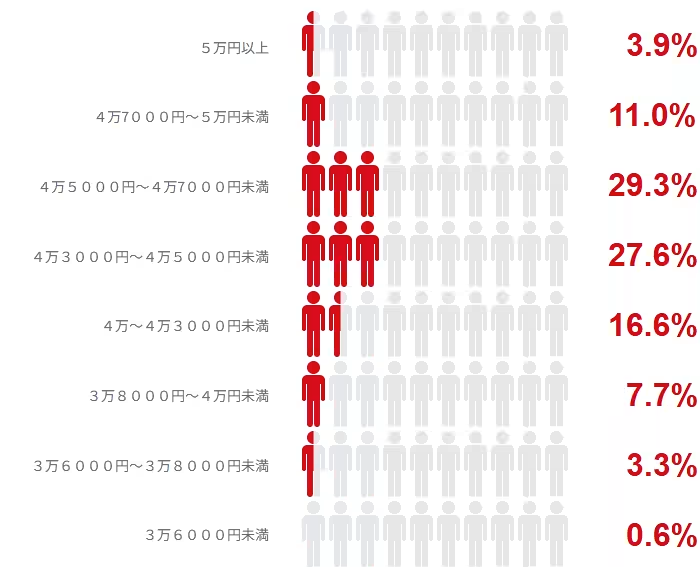
On August 26, 2025, Nikkei CNBC released the results of its survey conducted from August 18 to August 24, targeting active investors. This quarterly survey asked participants their predictions for the Nikkei average at the year's end. Notably, 29.3% of respondents expect the Nikkei to range between 45,000 and 47,000 yen, while 27.6% predict it will fall between 43,000 and 45,000 yen. These insights provide a fascinating glimpse into investor sentiment regarding the Japanese stock market's trajectory amid evolving economic conditions.
Insights from Nikkei CNBC
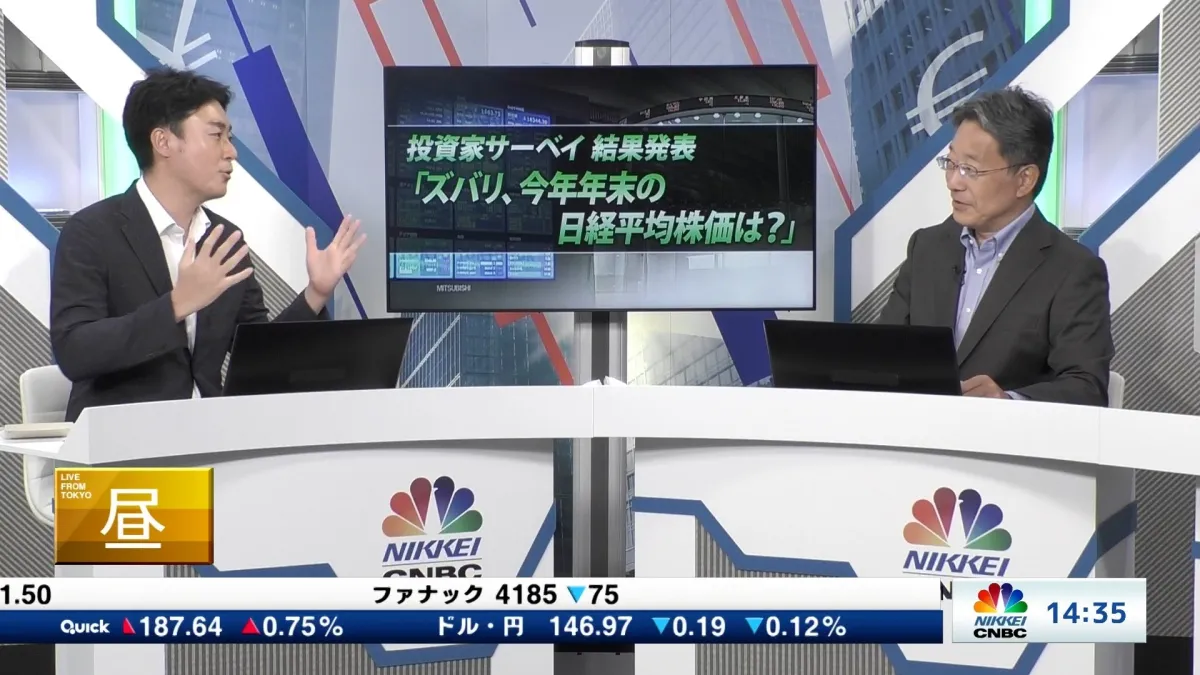
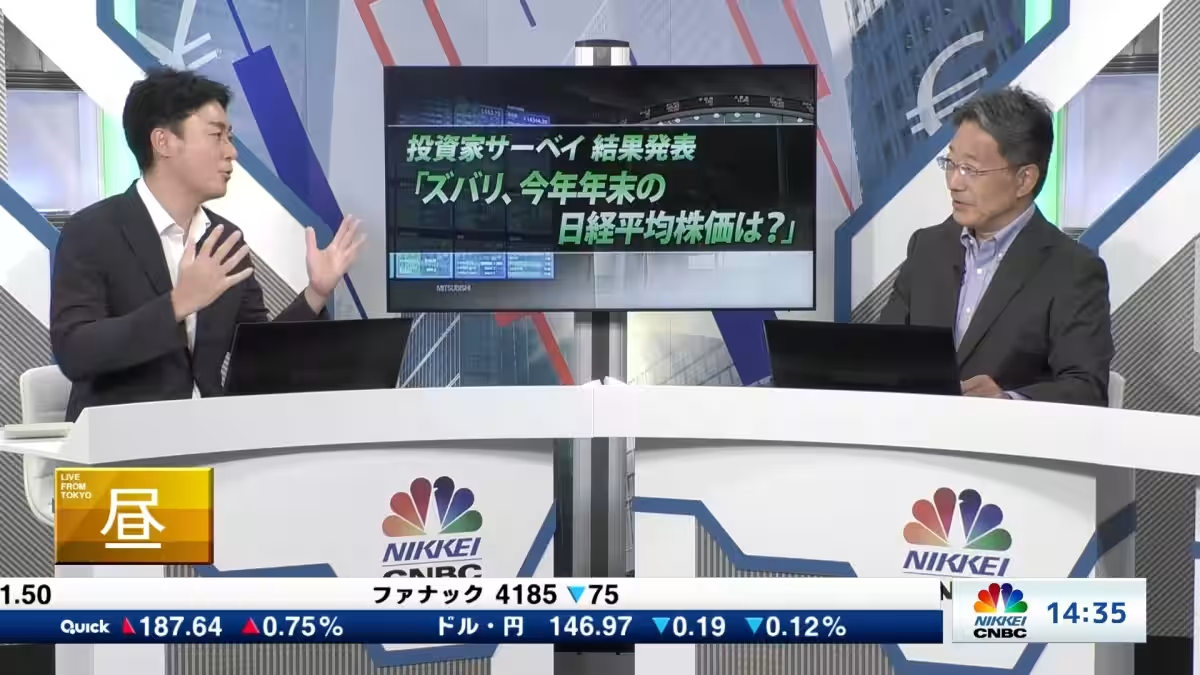
The inquiry posed to investors stems from a momentous context where the Nikkei has recently hit new heights, breaking past the 43,000 yen mark for the first time, and various macroeconomic factors including U.S. interest rate adjustments and upcoming political shifts in Japan are influencing market dynamics. During a segment on the "Hiru Express" program, host Matsumoto Kiyoichiro and presenter Okamura Tomoya discussed these survey outcomes in depth.
Expert Opinions
Matsumoto noted that support from corporate buybacks and favorable supply-demand dynamics may sustain price levels even if temporary corrections occur. He suggested that sentiment in the Japanese stock market might be mirroring that of the U.S. markets, reminiscent of a bullish trend.
On a brighter note, Okamura expressed optimism with a reflection on the surprisingly positive responses regarding investor expectations, sharing hopes that if the Nikkei reaches 50,000 next year, it would be a welcome surprise.
Survey Demographics
The survey comprised valid responses from 181 active investors, spanning ages from their 20s to 80s, presenting a diverse perspective on financial forecasts.
Detailed Comments from Respondents
The survey responses included diverse expectations and sentiments:
- - For those predicting above 50,000: A participant indicated that a significant shift in market conditions led to a bullish sentiment, driven by anticipated capital influx from foreign investors due to the Bank of Japan's interest rate hikes.
- - For those forecasting 47,000 to under 50,000: Some cited optimistically rising inflation yet reflected concern over political sentiments affecting fiscal policies leading into the upcoming elections.
- - For predictions in the 45,000 range: Respondents pointed out factors limiting growth such as potential shifts in U.S.-Japan economic relations, with some expressing confidence in rising prices despite possible fluctuations.
- - For the 43,000 to 45,000 bracket: Many argued that while the market recently peered past historic highs, the absence of ‘irrational exuberance’ commonly associated with speculative bubbles reassured them of a tempered expansion.
- - Lower predictions around 40,000 to 43,000: This group expressed skepticism about current escalations in stock prices, suggesting potential corrections might be on the horizon.
Conclusion
The feedback gathered vividly illustrates the multifaceted layers of investor sentiment towards Japan's stock market progression. Despite varied predictions, there’s an underlying optimism among many participants regarding sustained growth. For comprehensive details, further discussions can be explored via Nikkei CNBC's official platforms.
Additional Resources
- - Nikkei CNBC Online: Streaming Platform
- - YouTube Channel: Official Channel
For more information on the survey, including full results and critical analysis, check the official announcement from Nikkei CNBC here.

Topics Financial Services & Investing)
【About Using Articles】
You can freely use the title and article content by linking to the page where the article is posted.
※ Images cannot be used.
【About Links】
Links are free to use.