



Exploring the Insights from Digital Asset Management Survey in Japan
Insights on Digital Asset Management in Japan
In a recent survey conducted by "Ouchi ni Pro," 100 Japanese participants shared their perspectives on the complexities of digital asset management, commonly known as digital inheritance.
The survey aimed to assess current practices and concerns surrounding the management of digital assets after one’s passing. The findings reveal pivotal insights that can aid in better understanding and subsequently managing digital legacies.
Understanding Digital Inheritance
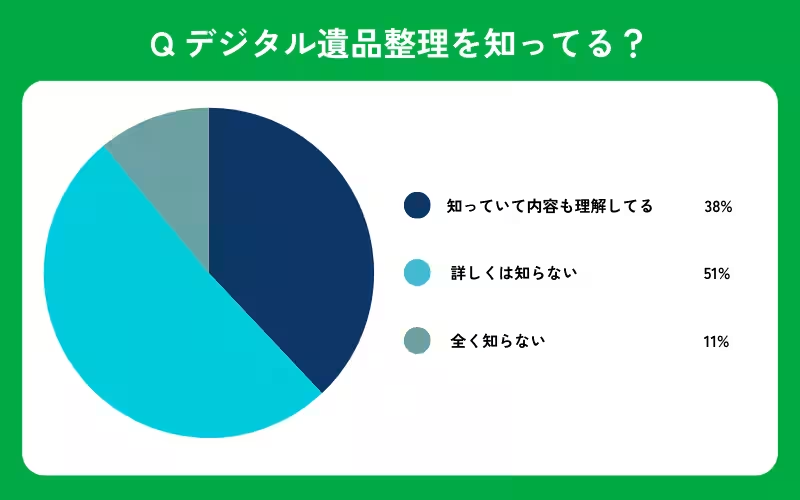
The term "digital inheritance" refers to the digital assets left behind by individuals after their demise. These can include online accounts, social media profiles, and digital financial assets, among others. The survey posed a crucial question: Do you know what digital inheritance entails? The responses indicated a mixed understanding:
- - 38 participants were well-informed and understood the concept.
- - 51 had heard of it but lacked comprehensive knowledge.
- - 11 respondents were completely unaware of the term.
This suggests there is a significant opportunity to educate the public about digital inheritance and its importance.
Current Practices in Digital Asset Management
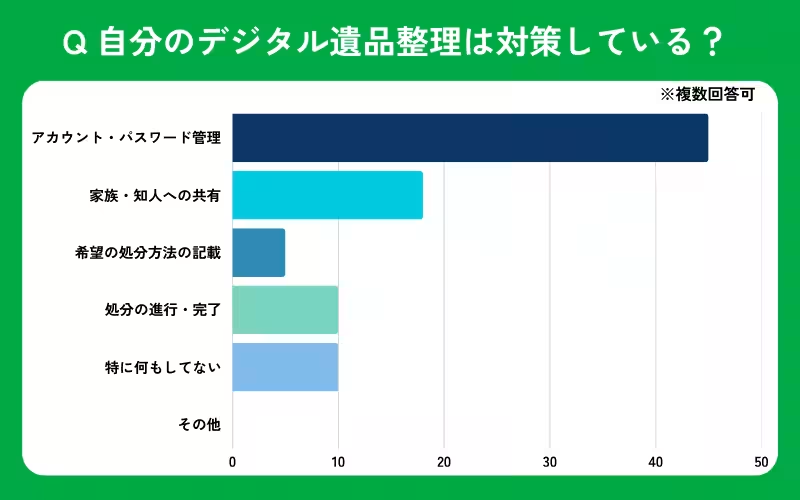
When asked about proactive measures taken regarding their digital assets, participants provided multiple responses. The leading practice was "consolidating accounts and passwords," chosen by 45 respondents as a strategy to manage their digital legacies. Other actions included:
- - Informing family or acquaintances about certain details (18 responses)
- - Documenting preferred disposal methods in an ending note (5 responses)
- - Progressing or completing the disposal of unwanted items (10 responses)
- - Not taking any specific action (10 responses)
These results indicate that while some individuals are taking steps to manage their digital inheritance, a substantial number do not engage in any preparatory activities, primarily due to lack of awareness or urgency.
Major Concerns Regarding Digital Inheritance
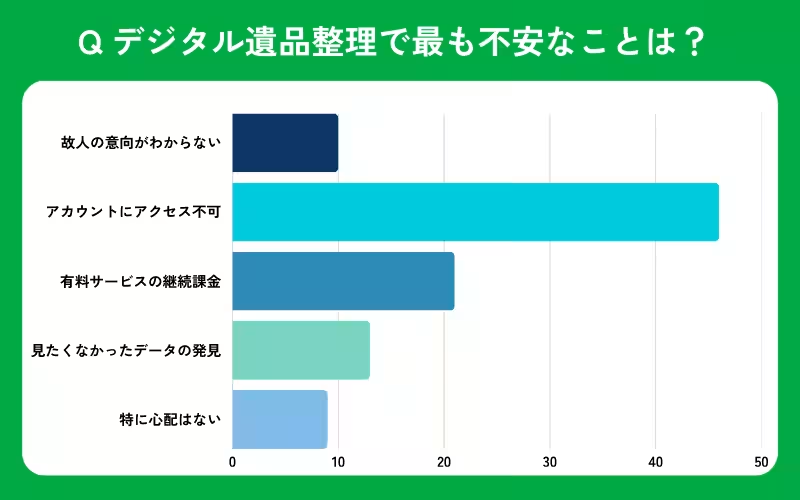
Participants expressed significant anxieties concerning digital inheritance, with the most prevalent concern being access to accounts. A whopping 46 respondents reported fearing they would not be able to access crucial accounts after their departure. Other worries included:
- - Uncertainty about the deceased's disposal intentions (10 responses)
- - Ongoing charges for paid services (21 responses)
- - Coming across unwanted data (13 responses)
- - No specific concerns (9 responses)
This highlights a critical need for clarity and support in managing digital assets to alleviate these fears.
Desired Advice for Effective Management
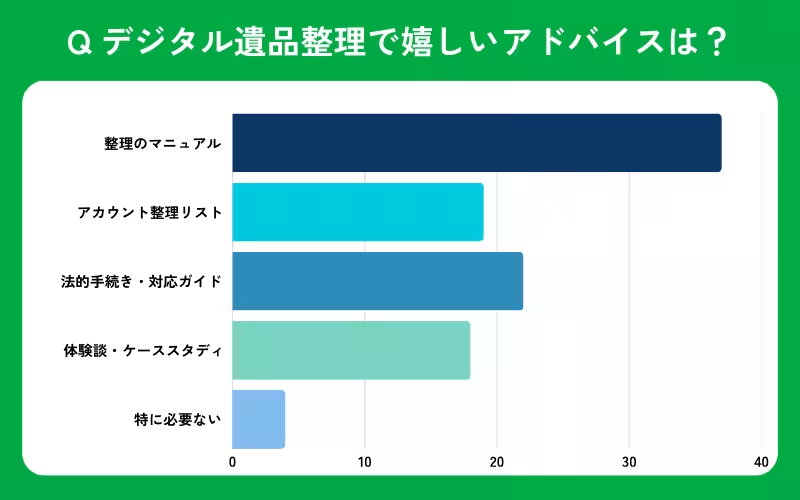
When participants were asked what kind of advice they would find helpful for digital asset management, the results were clear. The most requested resource was a manual outlining the organization steps for digital inheritance, sought by 37 respondents. Additional desired resources included:
- - A checklist for organizing accounts (19 responses)
- - Guidance on legal processes and responses (22 responses)
- - Real-life experiences or case studies (18 responses)
- - No specific needs (4 responses)
These findings emphasize the demand for structured support and educational resources to navigate digital inheritance effectively.
Openness to Digital Inheritance Support Services
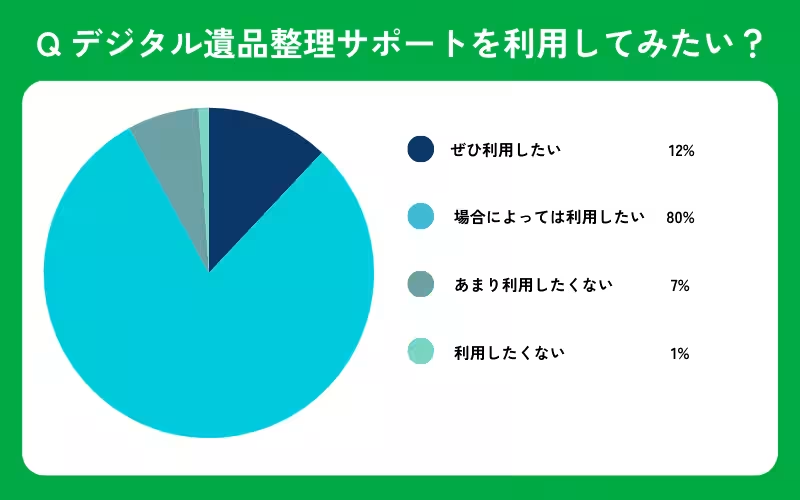
The survey also explored the desire for external support services in managing digital assets. An encouraging 12 respondents expressed a strong willingness to utilize such services, while 80 indicated a conditional interest based on circumstances. Only a small number were either uninterested or opposed to the idea.
This indicates a market opportunity for companies to develop supportive services for individuals dealing with digital inheritance.
Conclusion
The survey by "Ouchi ni Pro" highlights an urgent need for greater awareness and resources regarding digital asset management in Japan. As digital assets continue to permeate every aspect of life, educating the public and providing practical support is crucial. Initiatives to enhance knowledge on digital inheritance could greatly improve the management of these assets, helping families navigate these sensitive issues in the face of loss. It's a vital discussion that must continue as society adapts to the evolving landscape of digital legacies.
Topics Consumer Products & Retail)
【About Using Articles】
You can freely use the title and article content by linking to the page where the article is posted.
※ Images cannot be used.
【About Links】
Links are free to use.