



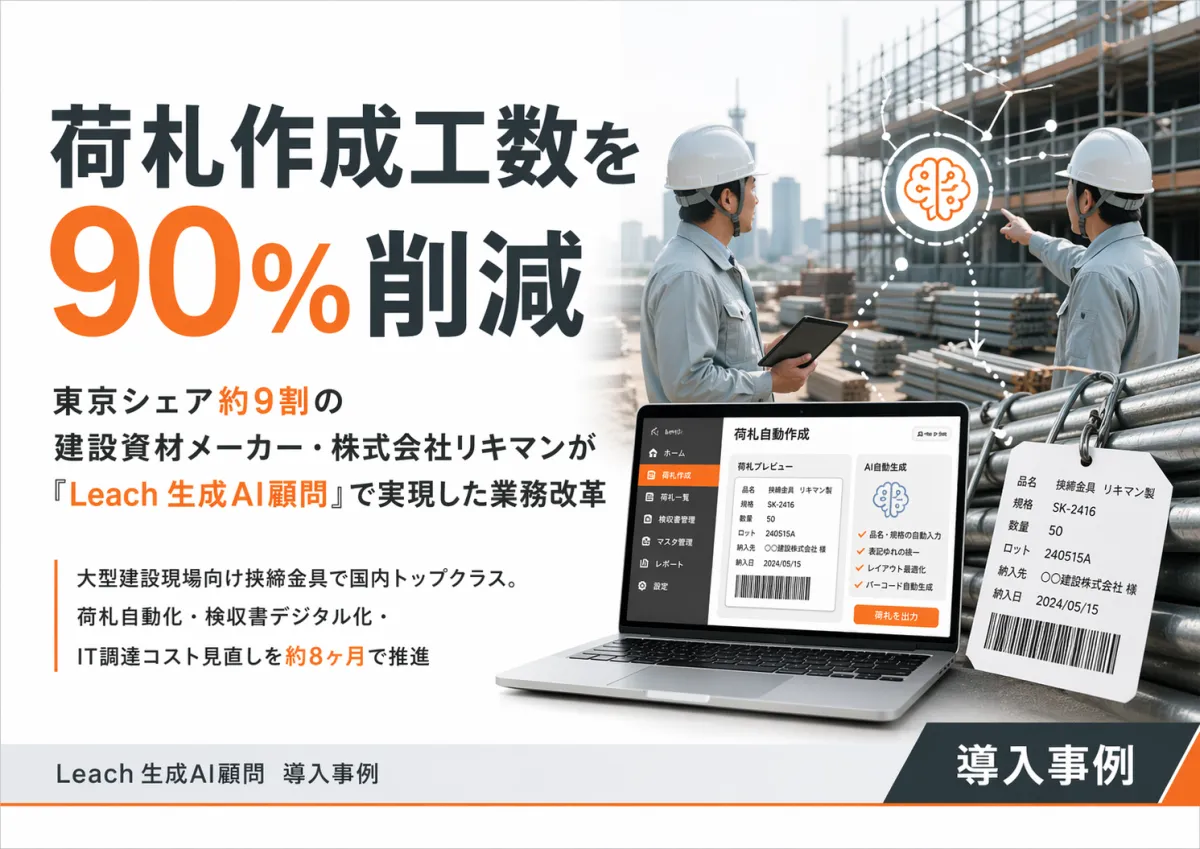
Revolutionizing Construction Logistics: How RikiMan Incorporated AI Solutions to Cut Labeling Workload by 90%
Revolutionizing Construction Logistics
In the bustling world of construction, efficiency is key. RikiMan Co., Ltd., a leading manufacturer of construction fastening materials in Tokyo, dominates about 90% of the market share in the city. In July 2025, they implemented the 'Leach Generative AI Advisor' and reported remarkable results in just eight months, most notably, a staggering 90% reduction in the workload for creating labels, among other achievements. We had the opportunity to speak with Takeshi Isoda, the Tokyo branch manager, and Motoki Nishikawa, an IT engineer from the Solutions Department, to discuss the journey of adopting this technology and the future outlook.
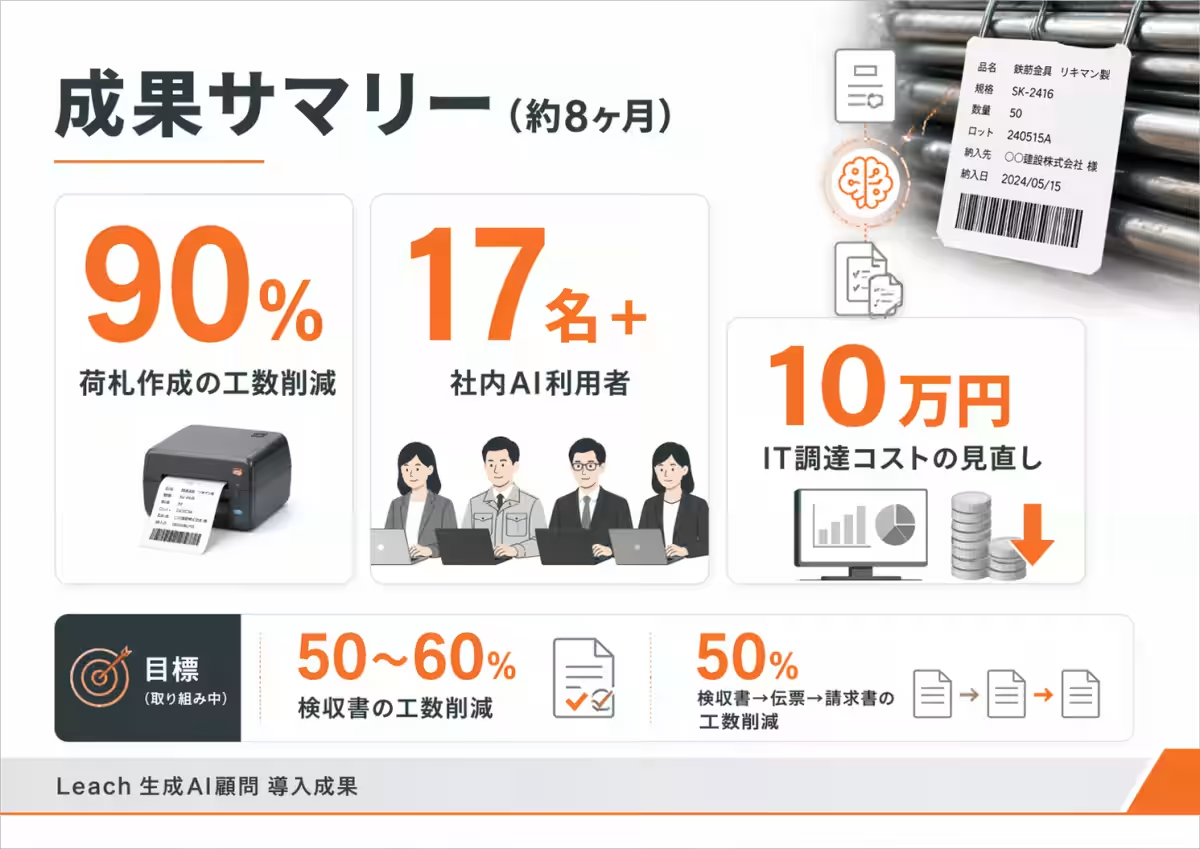
Key Achievements in Eight Months
- - 90% Reduction: Significant decrease in labor hours spent on label creation.
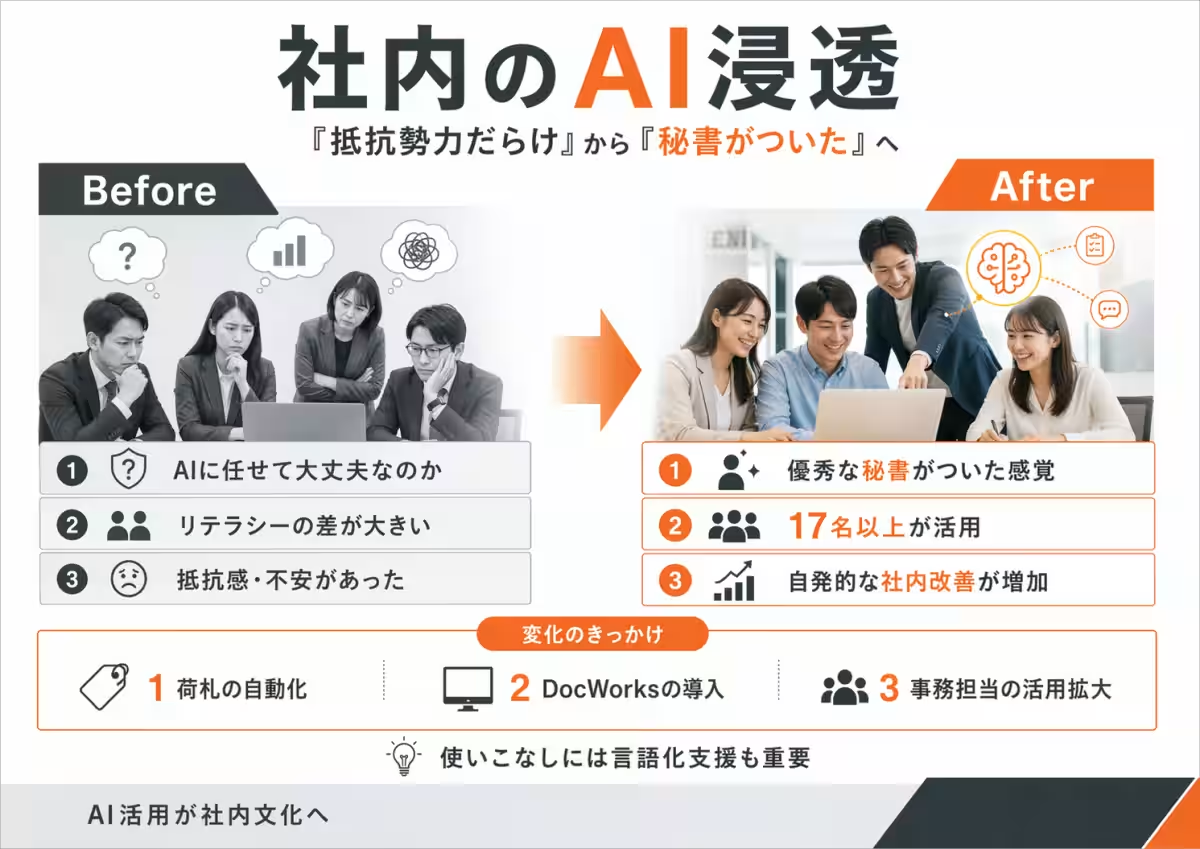
- - Team Expansion: 17 engaged AI users plus internal users leveraging AI tools.
- - Cost Efficiency: A review of IT procurement led to a savings of approximately ¥100,000.
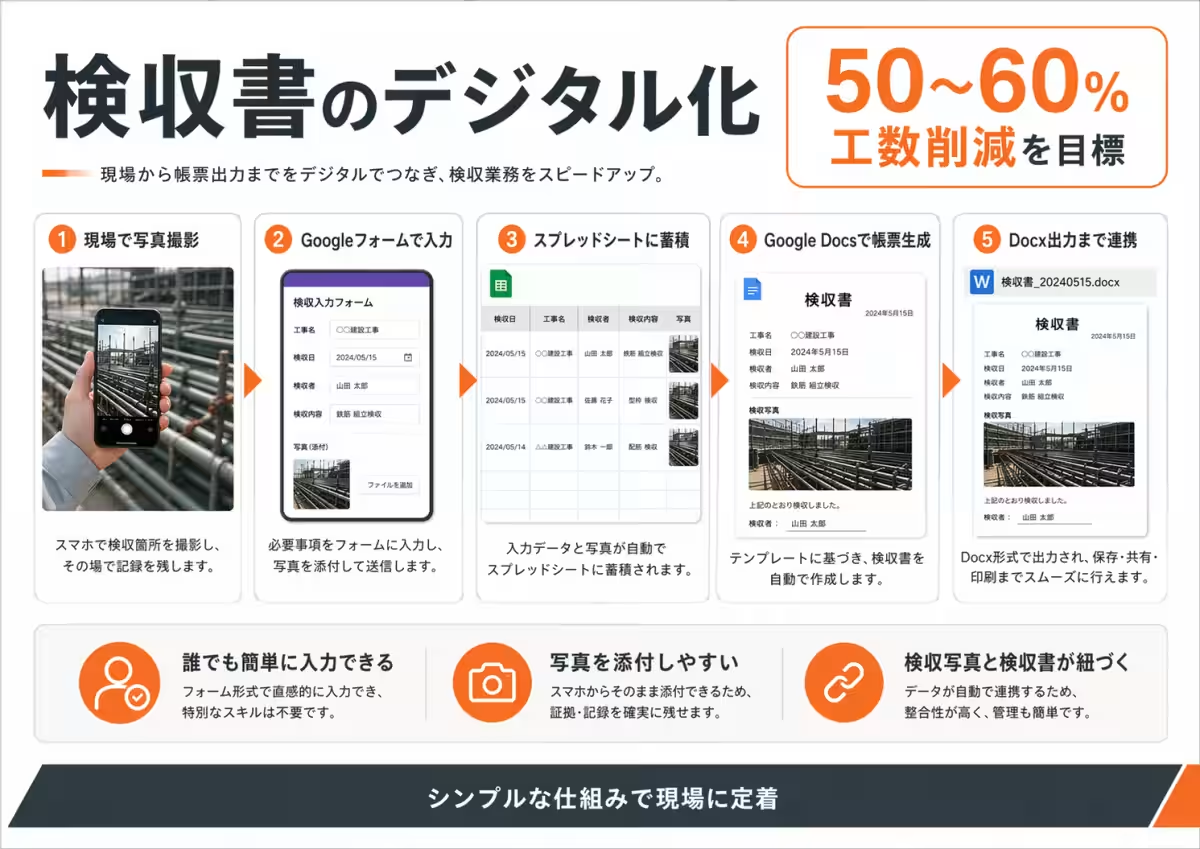
- - Future Goals: Aiming to reduce processing time for inspection receipts by 50-60% and streamline the flow from inspection receipt to invoices by 50%.
About RikiMan
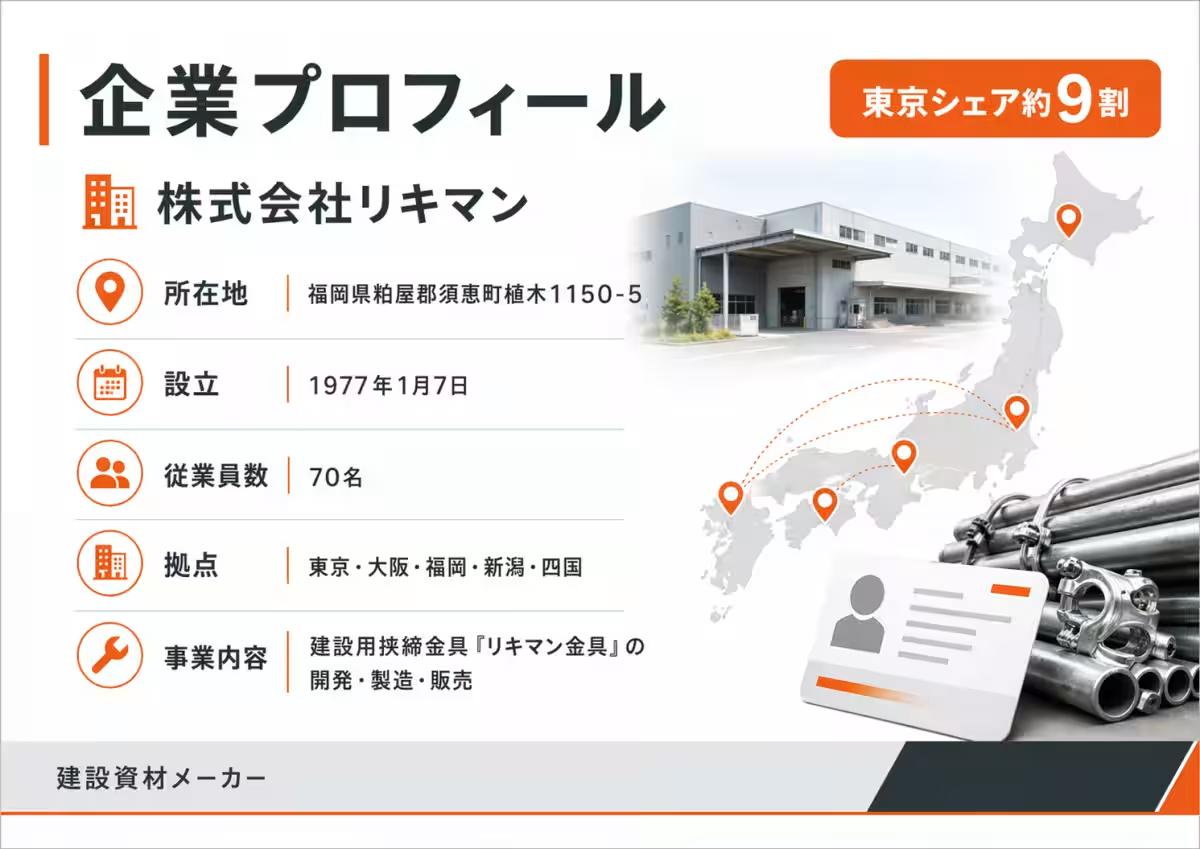
Founded in 1977, RikiMan specializes in the development, manufacturing, and sale of fastening materials, as well as the rental and sale of environmental products and heavy temporary equipment. With a workforce of 70, they operate from multiple locations across Tokyo, Osaka, Fukuoka, Niigata, and Shikoku.
For a detailed overview of RikiMan's offerings, visit RikiMan's official website.
Insight into RikiMan's Operations
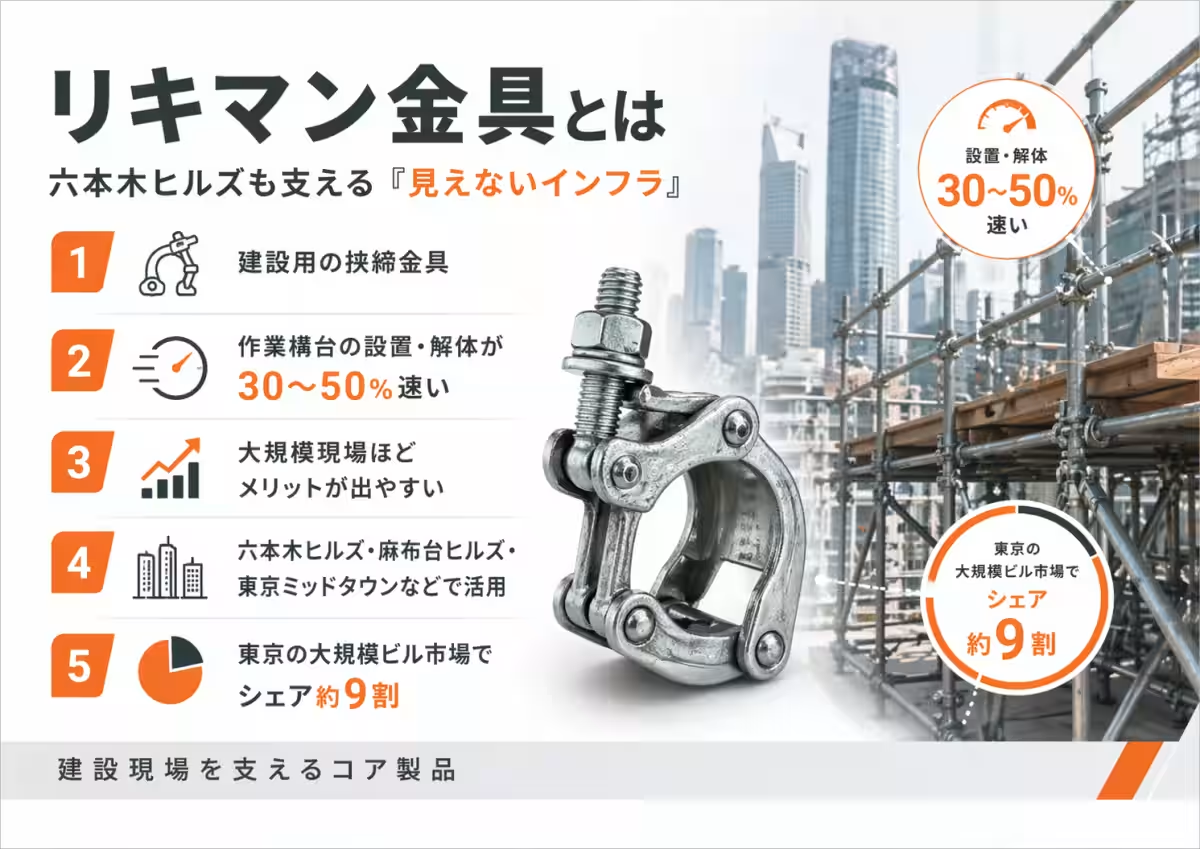
What Are RikiMan’s Products?
RikiMan is known for its innovative fastening solutions that enable the quick installation of construction scaffoldings. Compared to traditional welding or bolting, RikiMan’s components enhance installation speed by 30% to 50%, making them a go-to solution for large-scale projects, including iconic buildings like Roppongi Hills and Tokyo Midtown.
Challenges Before AI Adoption
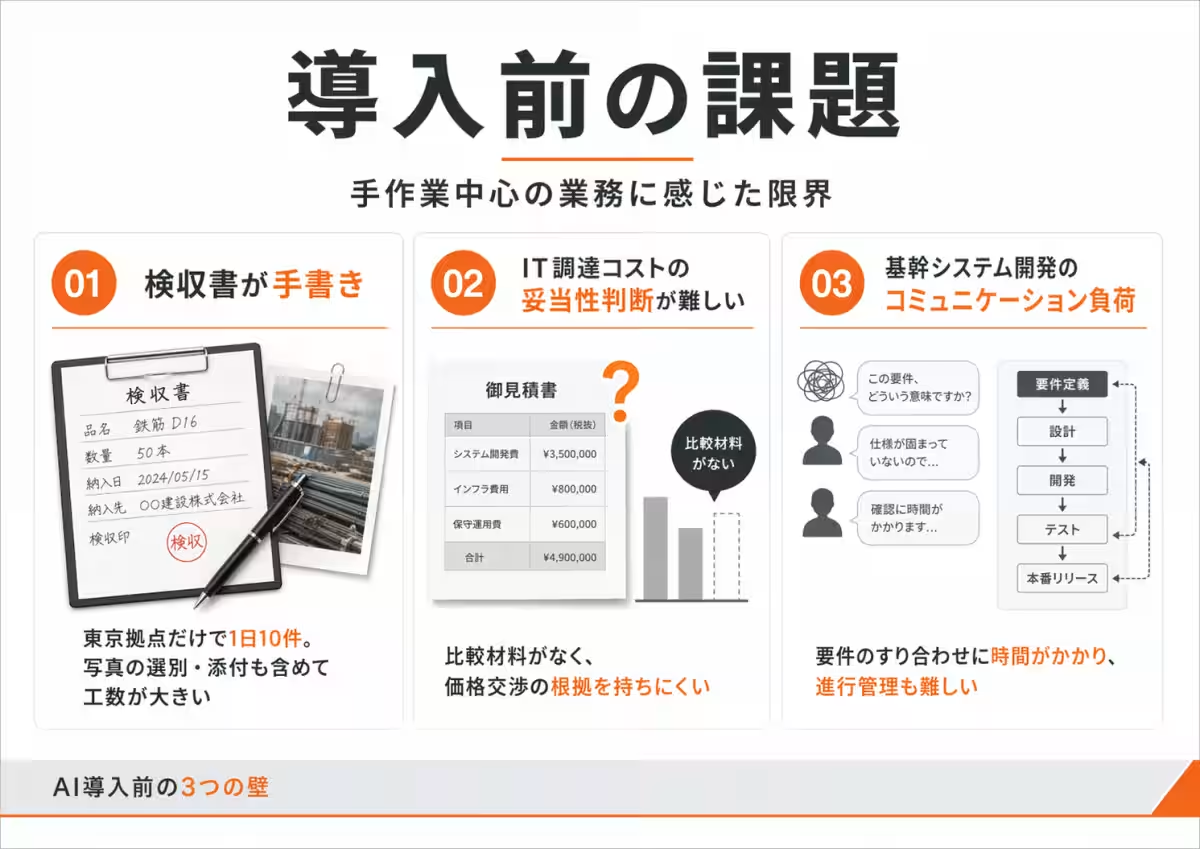
Prior to implementing AI, RikiMan faced significant operational challenges. Nishikawa shared that the company relied heavily on manual processes:
- - Handwritten Inspection Receipts: More than 10 handwritten inspection receipts were produced per day at the Tokyo office alone.
- - Difficulty in Competing IT Procurement: Without benchmarks for pricing, management struggled to negotiate better deals on IT equipment and services.
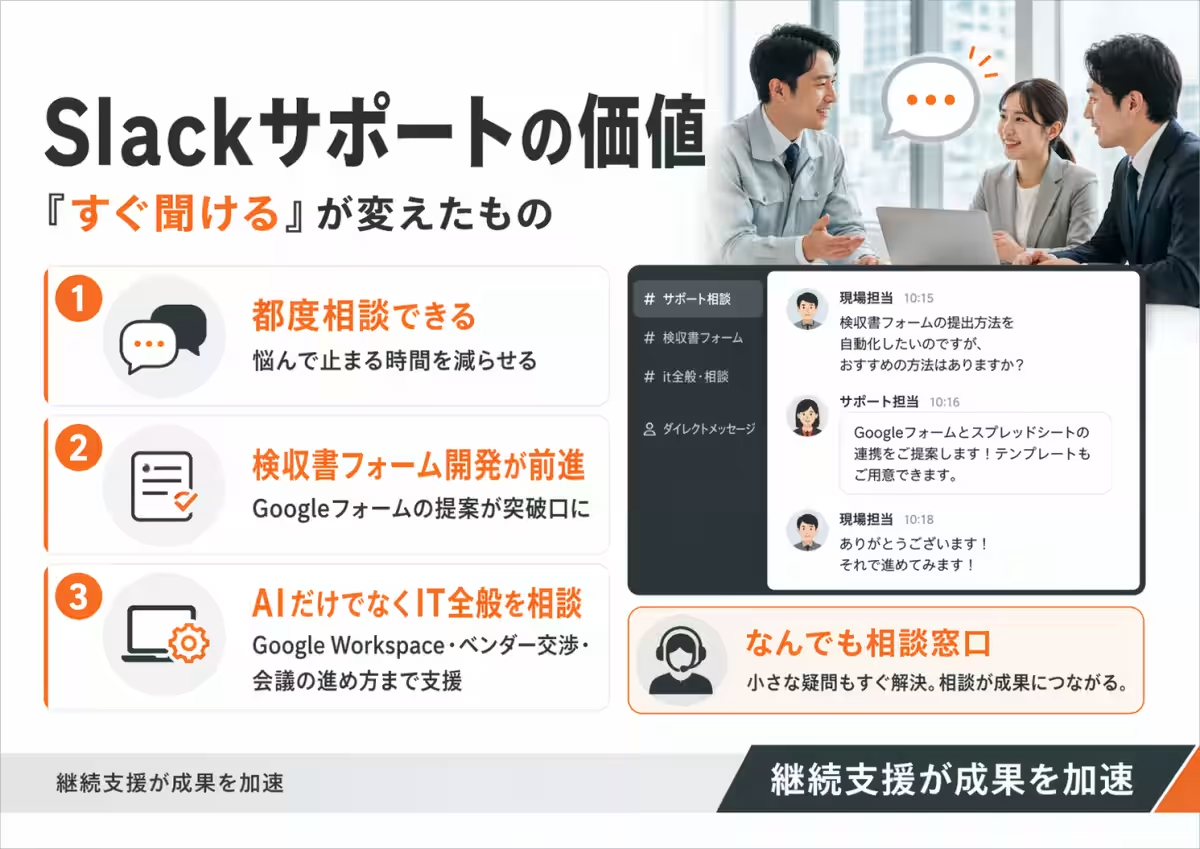
- - Communication in Custom Software Development: Coordination during the customization of their software systems was time-consuming and inefficient.
Nishikawa noted that many small companies face similar hurdles in adopting AI due to lack of understanding within management and an internal climate that may resist change. However, they decided to take the plunge.
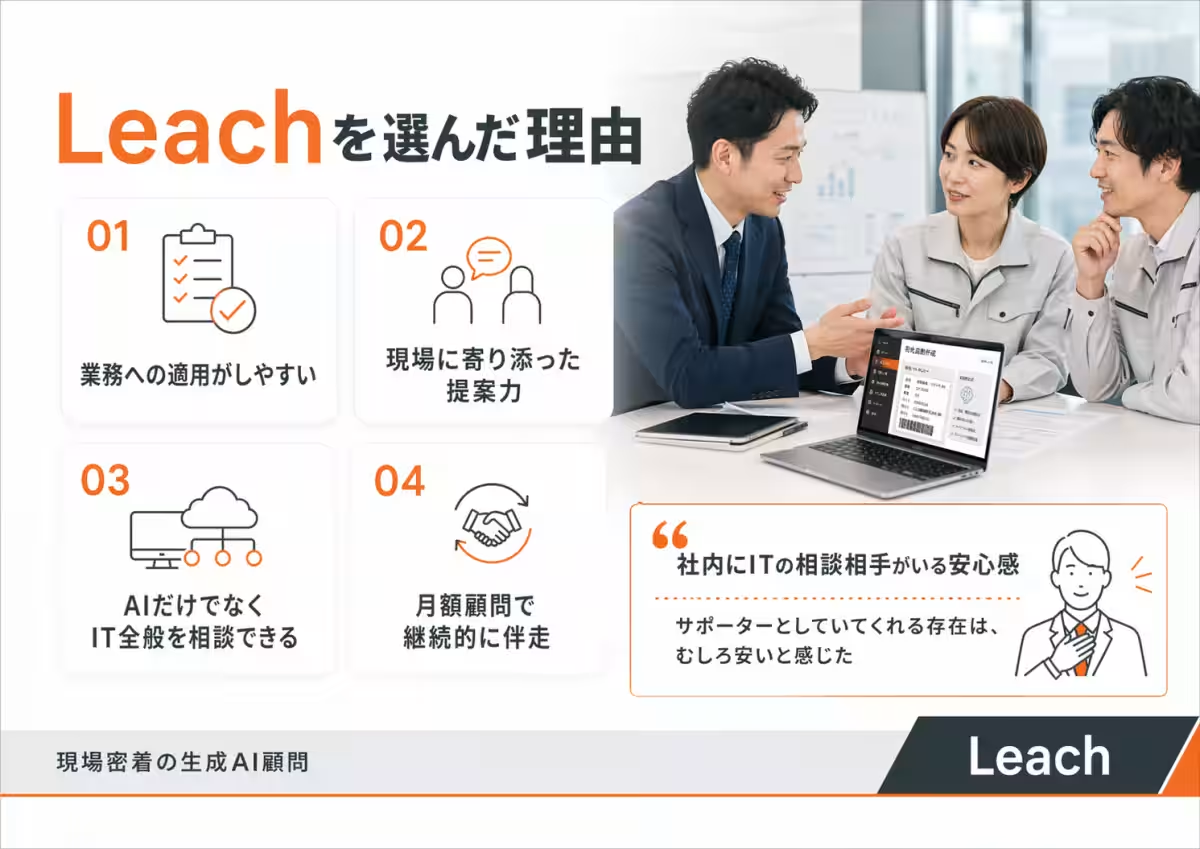
Why Leach?
When it came to selecting an AI service, RikiMan evaluated several options. The ease of application and the ability of Leach to tailor solutions to their needs ultimately swayed their decision. Initially, the transition within the company was met with skepticism but became more accepted as the benefits of AI-driven improvements became evident.
Internal Reactions and Appraisal of Cost
Despite initial resistance, the growing visibility of AI-driven results helped alleviate concerns. Nishikawa recalls explaining the value of the service to the management, emphasizing how having an IT-savvy consultant is worth the expense when optimizing operations.
Post-Implementation Transformations
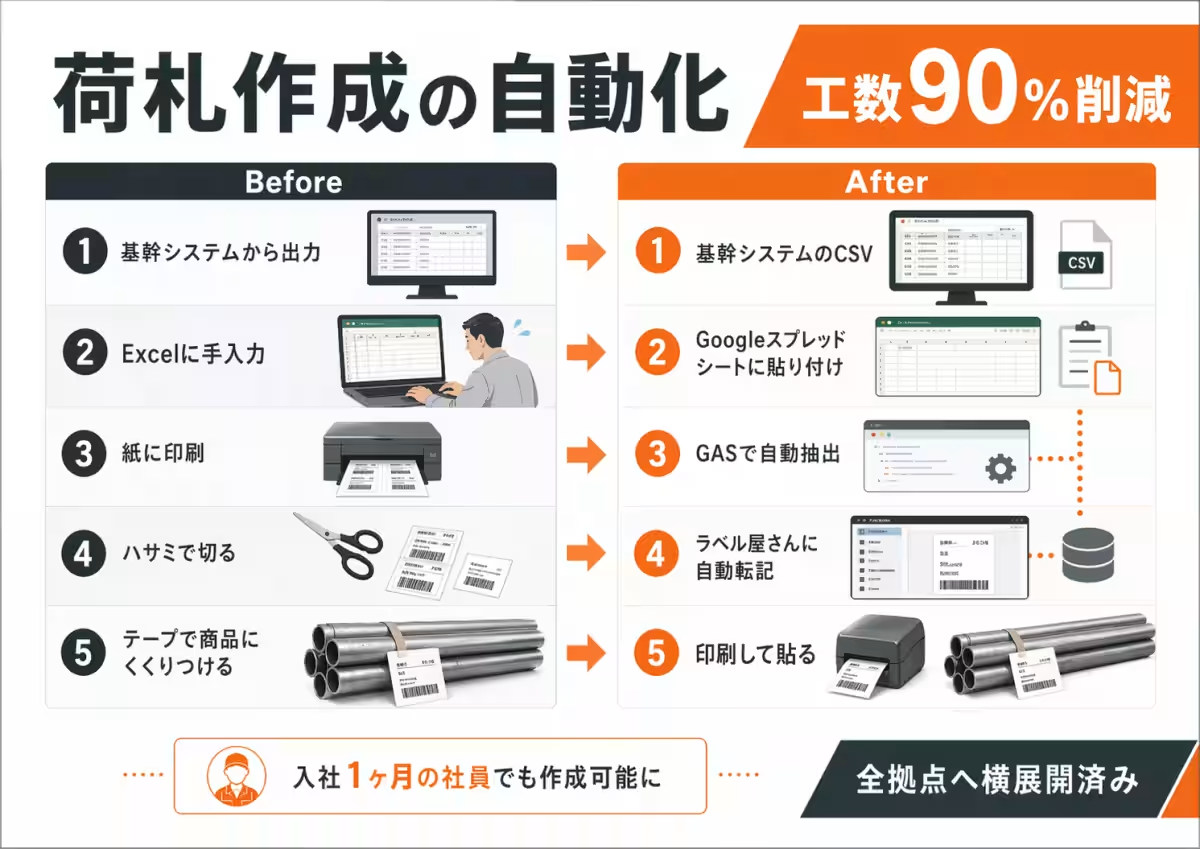
Label Creation Automation
One of the most revolutionary changes was automating the label creation process. Previously, the procedure involved extracting data from their core system, entering it into Excel, printing it out, and affixing it to products. Now, thanks to AI, a simple CSV upload automates the entire process, enabling quick and easy label generation by even new employees.
Digital Transformation of Inspection Receipts
Now, RikiMan is focusing on the digitalization of inspection receipts. With a user-friendly Google form, filing and associating receipts with photographs taken on-site has become seamless. Nishikawa anticipates a 50-60% reduction in processing time through this initiative.
Reassessing IT Procurement Costs
Nishikawa's collaboration with AI experts also revealed that negotiating PC specifications could lead to cost savings, leading to a successful renegotiation with suppliers which saved RikiMan around ¥100,000.
Communication and Process Improvement
The introduction of the generative AI system has improved daily documentation such as meeting notes and other internal communications, greatly enhancing the productivity of their processes.
Shifting Perspectives on AI
Initially met with skepticism, employees have begun to view AI as a beneficial tool, akin to having a skilled assistant. RikiMan’s foray into digital transformation illustrates a larger trend in embracing AI-driven solutions to address inefficiencies, drive communication, and improve overall productivity.
Looking Ahead
RikiMan aspires to fully realize automation potential, aiming to establish a three-day workweek due to productivity gains. The hope is that with further integration of AI, they can offer appealing working conditions that attract talented individuals to the company.
Message to Similar Businesses
Nishikawa recommends to other small and medium manufacturers to onboard consultants who understand AI’s potential, and create a supportive internal ecosystem for transformation. Isoda emphasizes the need for management to educate themselves on the capabilities of generative AI, leading to more innovative and adaptive operational strategies.
In conclusion, RikiMan’s journey exemplifies how embracing AI can yield significant efficiency gains in traditional industries.
Topics Business Technology)
【About Using Articles】
You can freely use the title and article content by linking to the page where the article is posted.
※ Images cannot be used.
【About Links】
Links are free to use.