



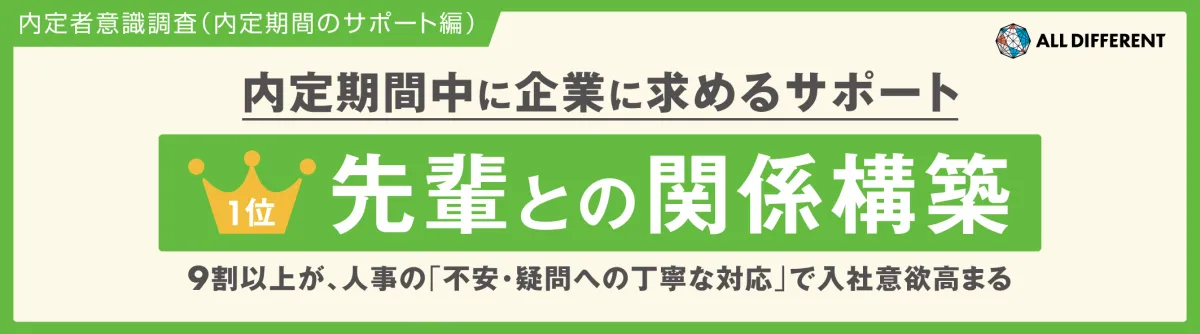
Enhancing Job Offer Acceptance: Key Findings from a Survey on Candidate Support During Offer Periods
Introduction
In a competitive job market, nurturing candidates is crucial. A recent survey by ALL DIFFERENT Co., Ltd., which engages in organizational development and talent training, sheds light on the support candidates expect during their job offer period. Conducted on 465 candidates set to join the workforce in 2026, the findings reveal the significant impact of targeted support on candidates’ enthusiasm for joining their prospective companies.
Background and Context
The labor market has been increasingly favoring candidates, leading to a scenario where university students can secure multiple job offers early in their job search. This trend has placed companies at risk of candidates declining their offers. The survey aims to understand the factors that influence the candidates’ desire to join, focusing on their experiences and perceptions of support provided by potential employers.
Key Findings
The results present a compelling narrative of the state of job offers and the expectations of candidates:
Job Offer Declines
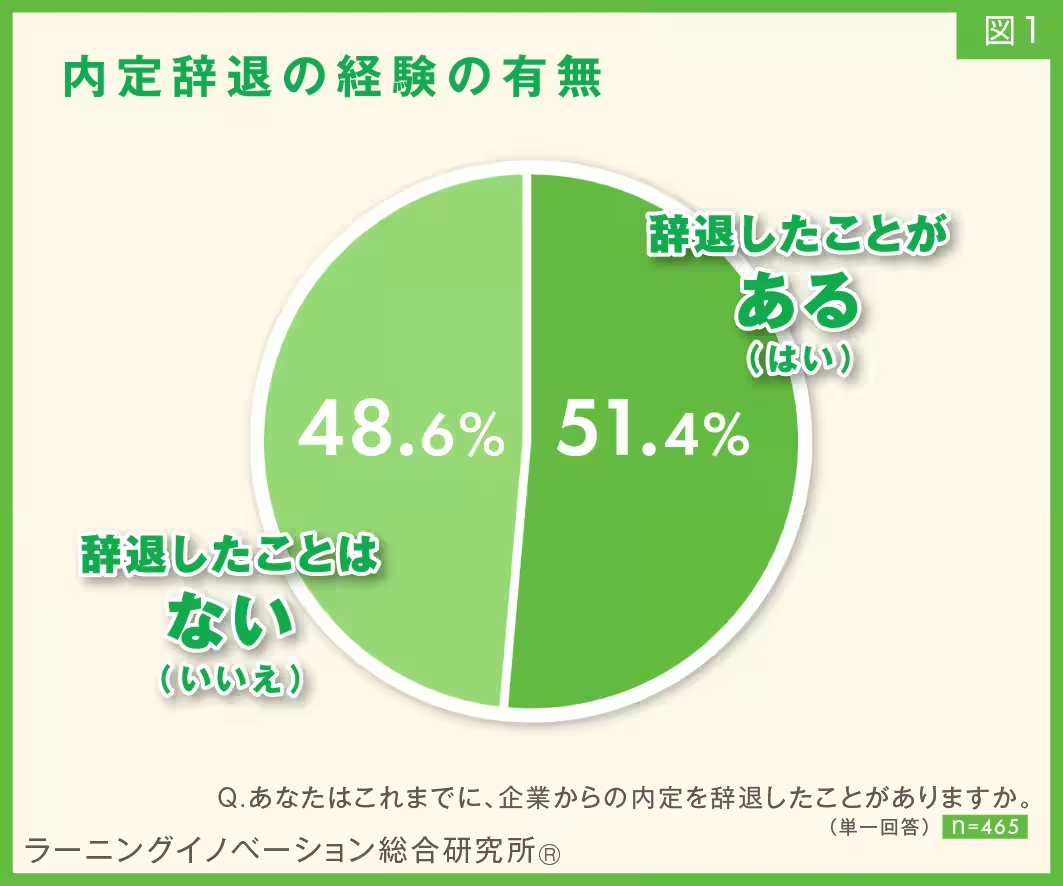
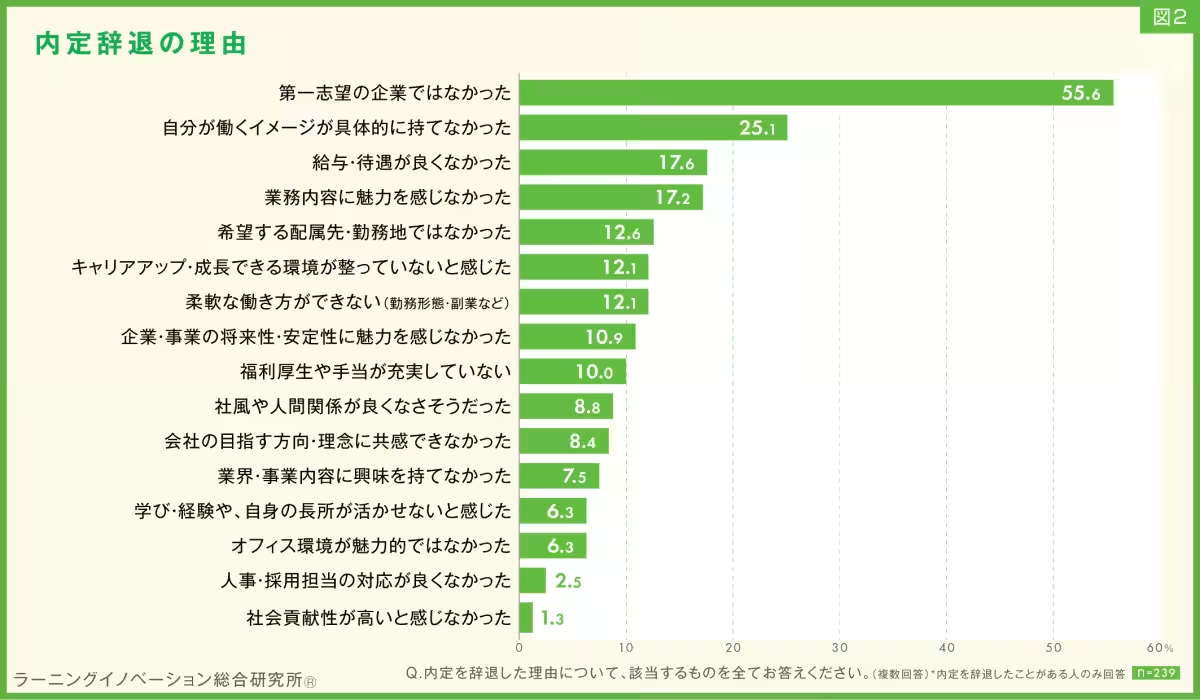
Surprisingly, over half of the surveyed candidates, about 51.4%, admitted to having declined a job offer. The primary reason cited was that the position did not align with their first-choice company.
Reasons for Declining Offers
Candidates reported the following top reasons for not accepting offers:
1. Not the first-choice company: 55.6%
2. Lack of a clear working image: 25.1%
3. Unsatisfactory salary or benefits: 17.6%
These findings indicate that candidates are increasingly discerning when selecting their workplaces, often opting for organizations that resonate with their long-term career visions.
Impact of Company Support
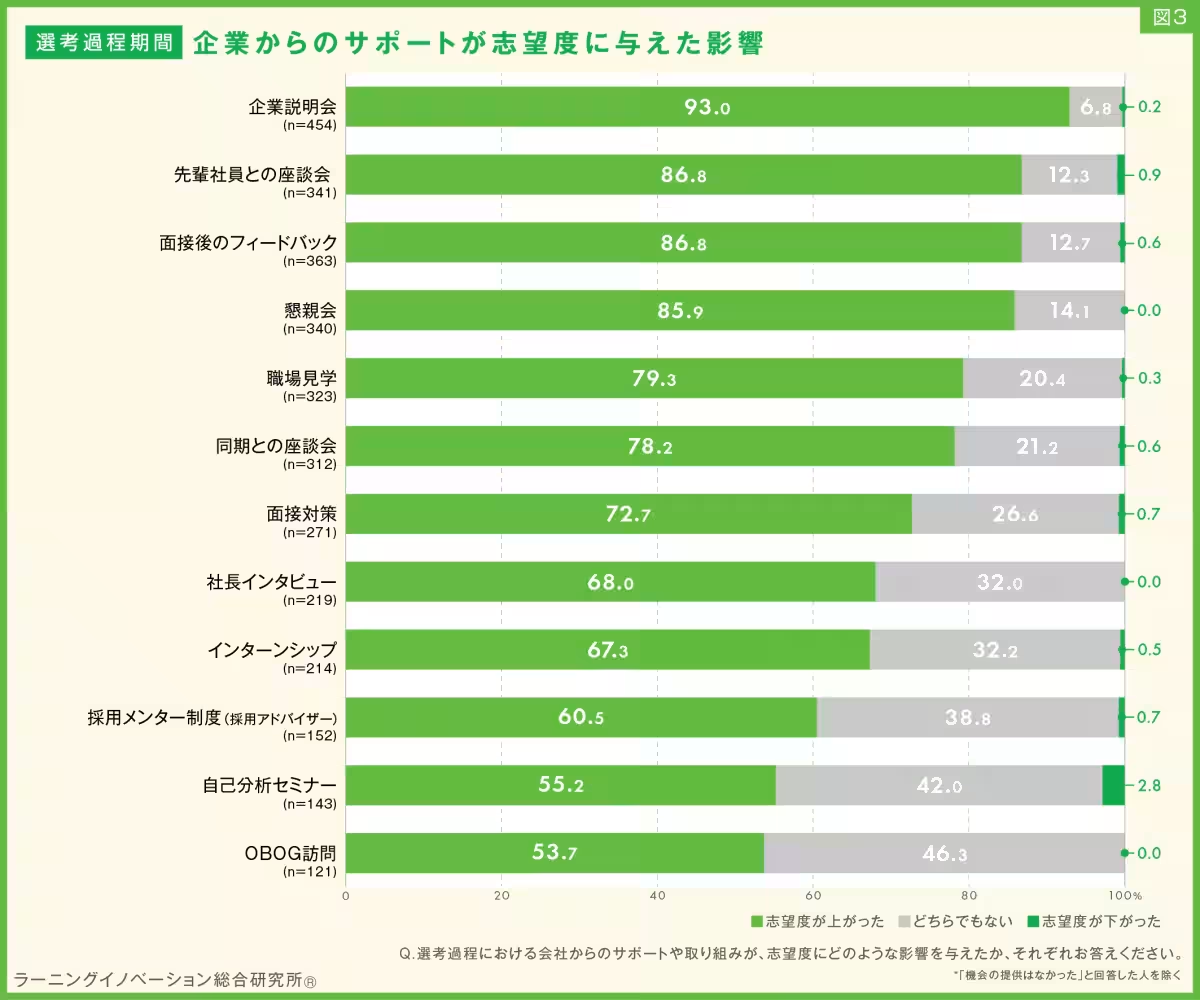
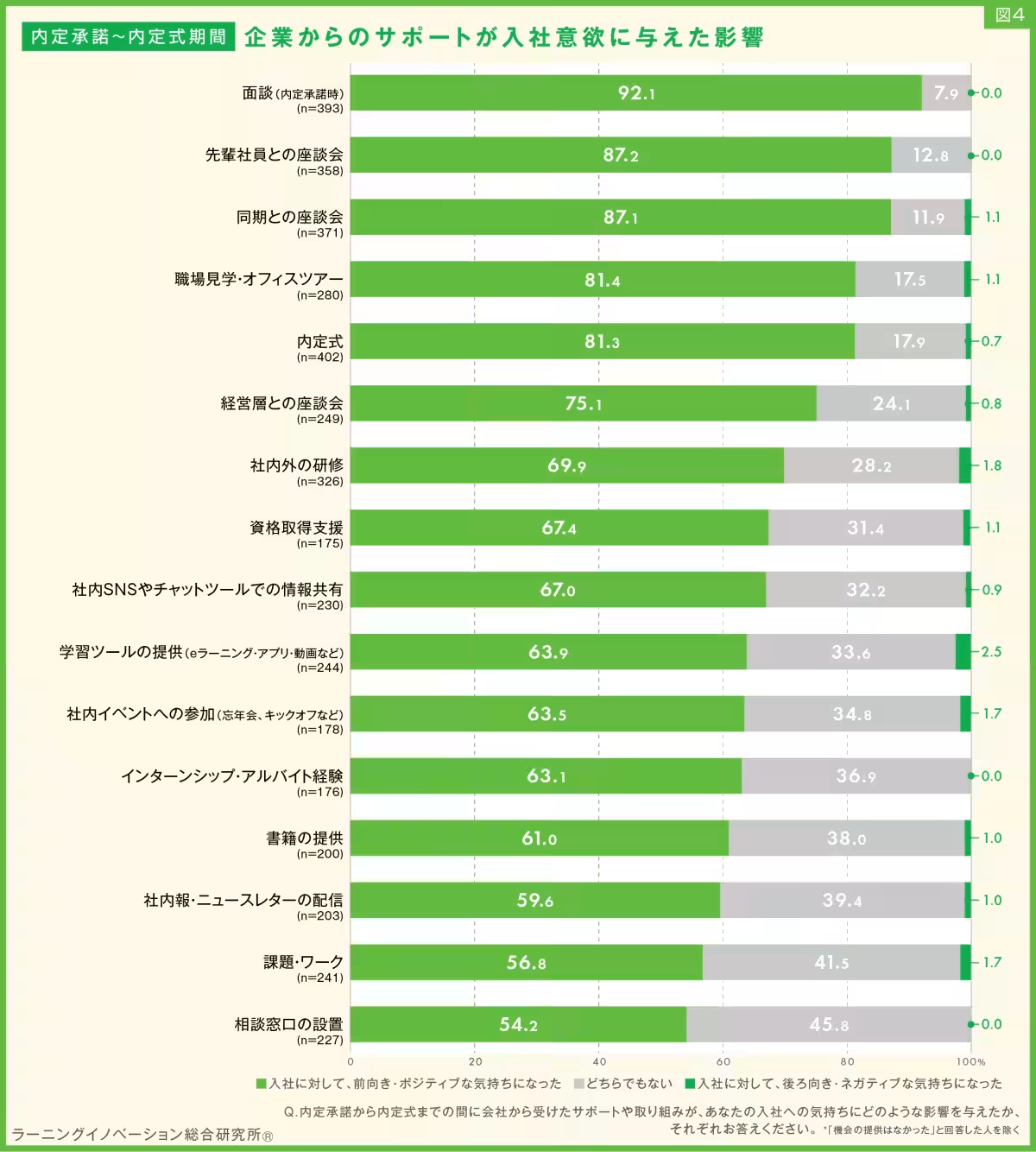
Candidates who participated in company presentations expressed heightened interest in the prospective employer. An overwhelming 93% noted that attending an information session significantly boosted their enthusiasm. In addition, interactions with current employees, such as through meetings or discussions, also positively influenced candidate perceptions, with up to 92.1% affirming a more positive outlook about their future roles.
Effective Communication by HR
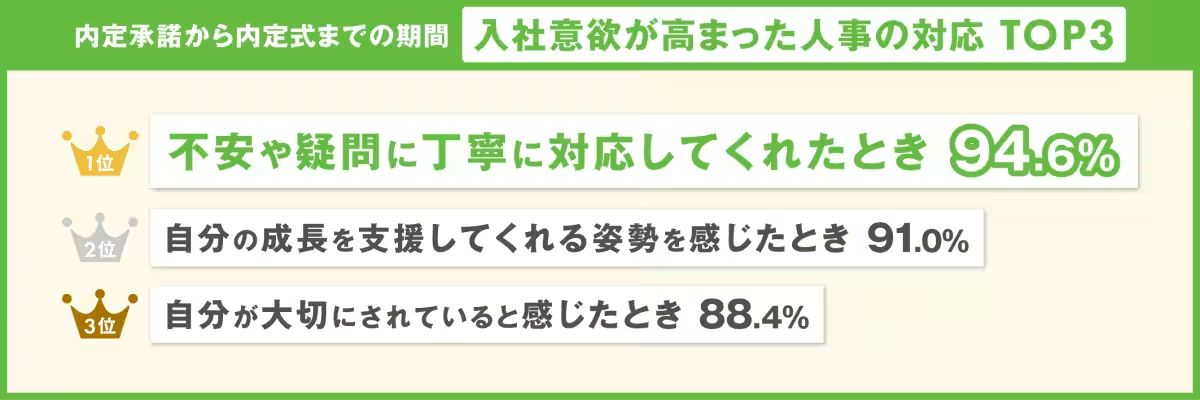
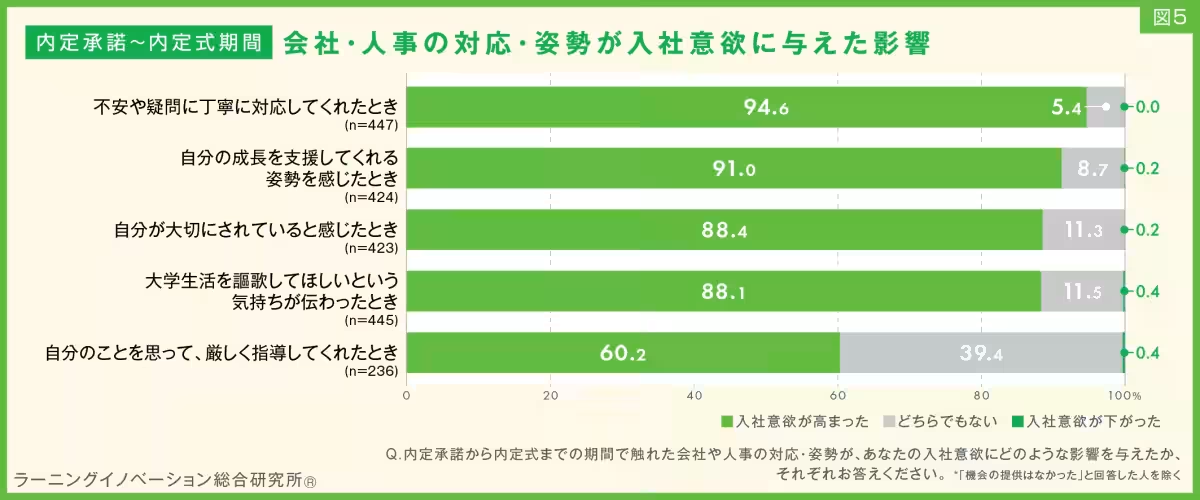
The response and interactions of HR representatives significantly affected candidates' motivations to join. An impressive 94.6% stated that clear and considerate communication regarding their queries elevated their desire to begin employment. Conversely, while accountability and direct feedback were appreciated, overly harsh criticism did not yield the same positive response.
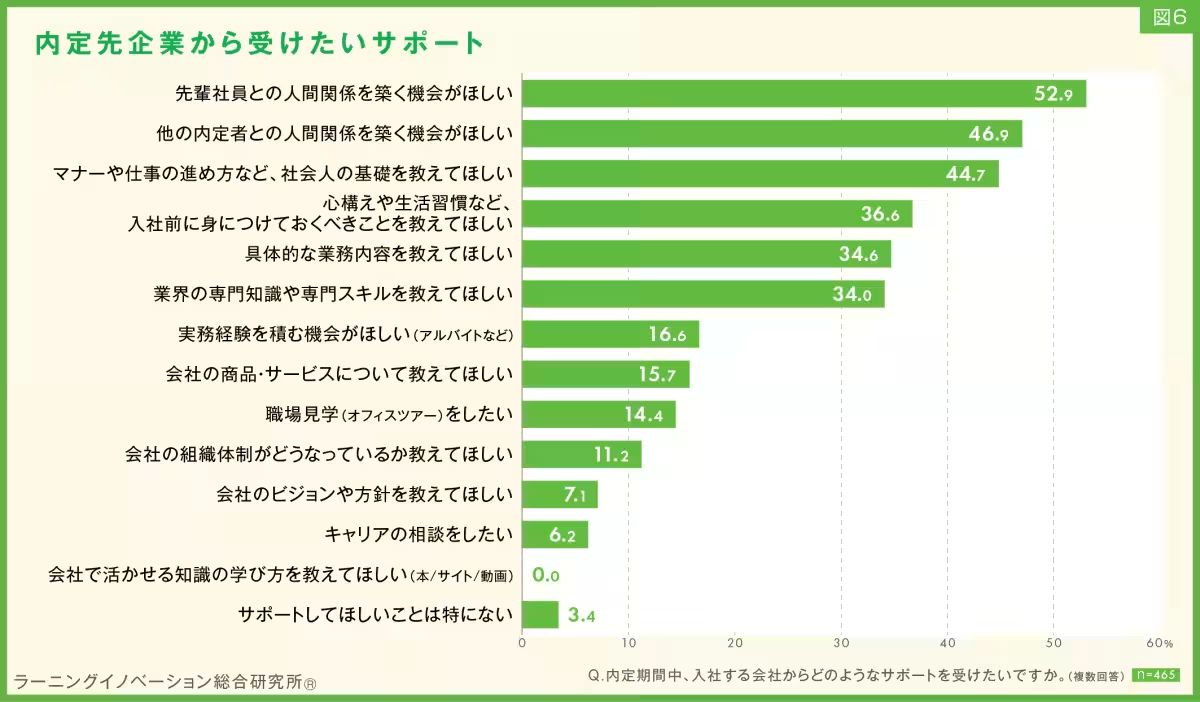
Support Aspirations of Candidates
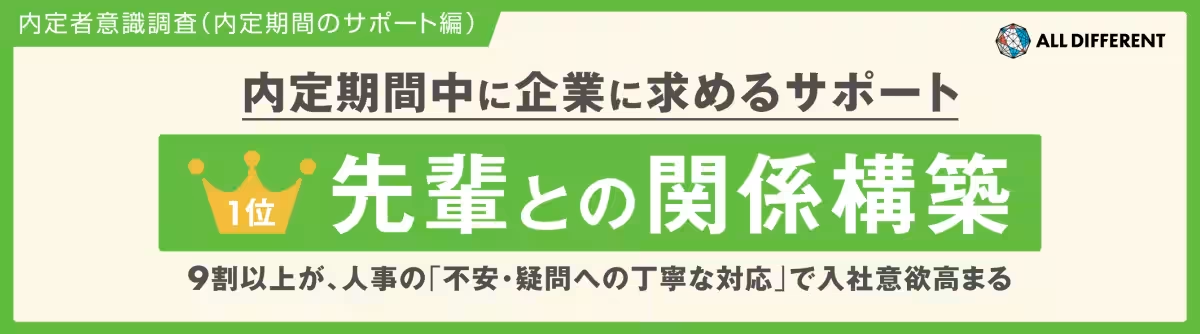
When asked about the type of support they wish to receive during the offer period, candidates expressed a strong desire for opportunities to cultivate relationships with senior employees, as reflected by 52.9% of respondents prioritizing interpersonal connections.
Conclusion
The survey illuminates the significant role that proper support and communication play in shaping candidates' feelings towards impending employment. Companies must recognize that nurturing relationships with candidates, providing clarity, and addressing concerns can significantly reduce the risk of offer refusals.
In doing so, they not only enhance their chances of securing new talent but also contribute positively to the overall employment landscape, ensuring that candidates enter their new roles with confidence and enthusiasm.
As we adapt to ongoing shifts in the job market, understanding and responding to the evolving needs of candidates will remain critical for organizations aiming to attract and retain top talent.


Topics Business Technology)
【About Using Articles】
You can freely use the title and article content by linking to the page where the article is posted.
※ Images cannot be used.
【About Links】
Links are free to use.